


Your riding mower’s drive belt keeps coming off—and it’s frustrating. This issue usually stems from improper alignment, worn parts, or loose components. With quick checks and simple fixes, you can restore reliable performance and avoid costly repairs.
If you’ve ever turned on your riding mower, started mowing the lawn, and then noticed the drive belt has fallen off—again—you’re not alone. It’s a common frustration among homeowners who rely on their mowers for weekly yard maintenance. The drive belt is the unsung hero of your riding mower, quietly transferring power from the engine to the transmission and wheels. When it keeps coming off, it’s not just an inconvenience; it’s a sign that something deeper is going on.
Most of the time, the belt comes off because of a simple misalignment or wear issue. But sometimes, the problem is more complex—like a loose idler pulley, a cracked belt, or even a bent component. The good news? In most cases, you can diagnose and fix the issue yourself with basic tools and a little patience. This article will walk you through everything you need to know about why your drive belt keeps coming off and how to stop it for good.
Key Takeaways
- Improper belt routing is a top cause: If the belt isn’t seated correctly in the pulleys or idler system, it will slip or jump off during operation.
- Worn or damaged pulleys contribute significantly: Cracks, grooves, or misaligned pulleys prevent the belt from staying in place.
- Loose idler tensioners can cause belt slippage: An improperly adjusted idler spring loses grip, letting the belt slide off the pulley.
- Belt wear and stretch affect performance: Over time, drive belts lose elasticity and may fail to maintain proper tension.
- Debris buildup in the deck or engine area interferes with alignment: Grass clippings and dirt can block belt paths or misalign components.
- Incorrect belt installation leads to early failure: Skipping steps during reassembly often results in improper seating.
- Regular maintenance prevents future issues: Routine inspections can catch problems before they cause belt failure.
📑 Table of Contents
Understanding the Drive Belt System
Before diving into fixes, it’s helpful to understand how the drive belt works in a riding mower. The drive belt connects the engine crankshaft to the transmission or drive pulleys. When the engine runs, it spins the belt, which in turn turns the rear wheels (or front wheels on some models) to move the mower forward or backward.
The belt rides in grooves on pulleys—engine, transmission, and sometimes an idler pulley—which guide it along a specific path. An idler pulley is a small, spring-loaded pulley that keeps tension on the belt. Without proper tension and alignment, the belt can slip or jump off.
Most modern riding mowers use a V-belt or a flat belt, depending on the model. V-belts are more common because they grip better and are less prone to slippage. But regardless of type, they all rely on correct routing and tension to function properly.
Common Causes of Drive Belt Failure
Visual guide about Why Does My Drive Belt Keep Coming Off My Riding Mower
Image source: i0.wp.com
1. Incorrect Belt Routing
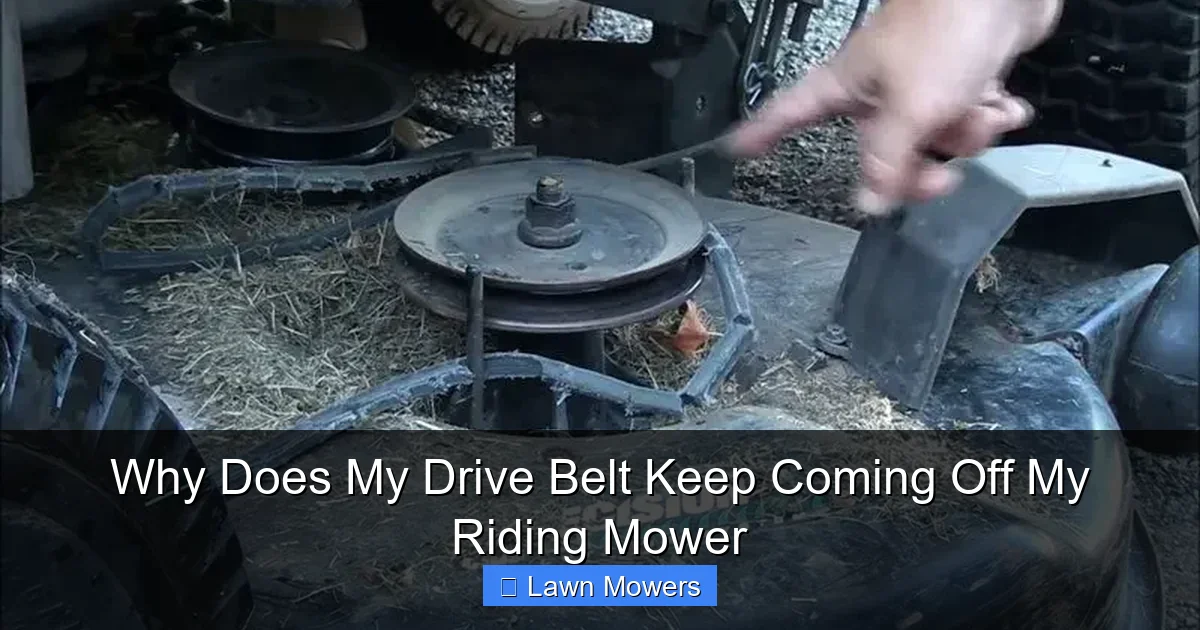
One of the most frequent reasons a drive belt comes off is improper installation. If the belt isn’t routed correctly through the pulleys and around the idler system, it won’t stay in place. This often happens after a belt replacement or when the mower has been disassembled for maintenance.
For example, imagine you’re replacing the belt and skip a step in the routing diagram. The belt might be placed on the wrong pulley or looped in the opposite direction. When the mower runs, the belt tries to follow the wrong path and pops off.
To fix this, refer to your owner’s manual for the correct routing diagram. Most manuals include a detailed illustration showing exactly how the belt should be threaded through each pulley. Take your time—don’t rush the installation. If you’re unsure, take a photo of the old belt’s path before removing it.
2. Worn or Damaged Pulleys
Over time, the pulleys that guide the belt can wear out. Cracks, grooves, or misalignment in the pulley grooves prevent the belt from staying seated. If the pulley is bent or damaged, the belt won’t track properly and may jump off.
For instance, if the engine pulley has a deep groove worn into it, the belt might ride too high on one side and slip off the edge. Similarly, a transmission pulley that’s out of alignment can cause the belt to veer sideways.
Inspect all pulleys—engine, transmission, and idler—for signs of wear. Look for cracks, deep grooves, or uneven surfaces. If you notice any damage, replace the pulley. Most mower manufacturers sell replacement pulleys, and they’re relatively inexpensive.
3. Loose Idler Tensioner
The idler pulley is crucial because it maintains tension on the belt. If the idler spring is weak or broken, the pulley won’t press against the belt with enough force. As a result, the belt loses grip and slides off.
You might notice the belt coming off especially when the mower is under load—like going up a hill or turning sharply. That’s because the extra resistance increases the demand on the belt, and without proper tension, it slips.
Check the idler tensioner by turning off the mower and gently pressing on the idler arm. It should move slightly but return to position. If it feels loose or doesn’t move at all, the spring may need replacement. Replacing an idler spring is often easier and cheaper than replacing the entire pulley assembly.
4. Belt Wear and Stretch
Drive belts are made of rubber and synthetic materials that degrade over time. As the belt stretches, it loses its ability to maintain tension and grip the pulleys. A stretched belt is more likely to slip or jump off, especially if the mower has been used heavily over several seasons.
Signs of a worn belt include fraying edges, cracks, or a spongy feel when pressed. If the belt is over 3–5 years old and shows these signs, it’s time to replace it.
When replacing the belt, choose a high-quality replacement that matches the original specifications. Using a cheap or incorrect belt can lead to more frequent failures.
5. Debris and Obstructions
Grass clippings, dirt, and debris can build up around the mower deck and engine area. This buildup can block the belt path or push the belt out of alignment. For example, a thick layer of mulch near the idler pulley might prevent the belt from seating properly.
Regular cleaning is essential. After each mowing session, remove the grass bag and use a brush or compressed air to clear debris from under the deck and around the engine. Pay special attention to the areas where the belt runs.
Also, make sure the mower deck is level. A deck that’s too high or tilted can alter the belt’s path and cause it to come off.
6. Loose or Misaligned Components
Sometimes, the belt comes off because the mower’s components aren’t properly aligned. For instance, if the engine is shifted slightly due to vibration or impact, the engine pulley might no longer line up with the transmission pulley. This misalignment can cause the belt to ride unevenly and eventually fall off.
Check all mounting bolts and brackets to ensure they’re tight. Also, verify that the engine and transmission are seated correctly in their mounts. Loose bolts or worn mounts can lead to movement during operation.
How to Diagnose the Problem
Visual guide about Why Does My Drive Belt Keep Coming Off My Riding Mower
Image source: psychoautos.com
The first step in fixing a slipping drive belt is diagnosing the root cause. Here’s a simple process:
1. **Turn off the mower and disconnect the spark plug** for safety.
2. **Inspect the belt** for cracks, fraying, or stretching.
3. **Check the pulleys** for damage or misalignment.
4. **Examine the idler tensioner** to see if it moves freely.
5. **Look for debris** blocking the belt path.
6. **Review the routing** to ensure it matches the manual.
If you’re still unsure, try running the mower without the deck attached. If the belt stays on, the issue might be related to deck alignment. If it still comes off, the problem is likely in the engine or transmission area.
Step-by-Step Fix: Reinstalling and Aligning the Drive Belt
Visual guide about Why Does My Drive Belt Keep Coming Off My Riding Mower
Image source: i.ytimg.com
If the belt keeps coming off, reinstalling it correctly is often the solution. Follow these steps:
1. **Refer to the owner’s manual** for the correct belt routing diagram.
2. **Remove the old belt** carefully, noting how it was threaded.
3. **Clean the pulley grooves** with a soft brush to remove debris.
4. **Install the new belt** by following the diagram step by step.
5. **Check the idler tensioner** and ensure it presses firmly against the belt.
6. **Reassemble any removed parts**, like the deck or guards.
7. **Start the mower briefly** to test the belt. If it stays on, you’re good.
Take your time—rushing can lead to mistakes. If the belt still comes off, go back and double-check each step.
Preventive Maintenance Tips
Prevention is better than cure. Here’s how to avoid belt issues in the future:
– **Clean the mower regularly** after each use.
– **Inspect the belt** every 25–50 hours of use.
– **Lubricate moving parts** like idler bearings (if applicable).
– **Replace belts** every 3–5 years or as needed.
– **Store the mower in a dry place** to prevent moisture damage.
– **Follow the manufacturer’s maintenance schedule.**
A little routine care can save you time, money, and frustration.
When to Call a Professional
While many belt issues are DIY-friendly, some situations require expert help. If you’ve tried all the fixes and the belt still comes off, it might be time to call a technician. Signs you need professional service include:
– **Repeated belt failure** despite proper installation.
– **Visible damage to the transmission or engine.**
– **Unusual noises** like grinding or squealing.
– **The mower won’t start** or moves erratically.
A certified technician can diagnose deeper mechanical issues and ensure your mower runs safely and efficiently.
Conclusion
A drive belt that keeps coming off your riding mower is more than an annoyance—it’s a sign that something needs attention. Whether it’s improper installation, worn pulleys, or a loose idler, most causes are fixable with the right tools and knowledge.
By understanding how the belt system works and performing regular maintenance, you can prevent future issues and keep your mower running smoothly. Remember to clean the mower, inspect components, and replace belts as needed. And if in doubt, don’t hesitate to consult your owner’s manual or a professional.
With a little care, your riding mower will stay reliable season after season—no more belt drama.
Frequently Asked Questions
Why does my riding mower drive belt keep slipping off?
Your riding mower’s drive belt keeps slipping off due to improper installation, worn pulleys, or a loose idler tensioner. These issues prevent the belt from staying seated on the pulleys during operation.
Can a loose idler pulley cause the drive belt to come off?
Yes, a loose or weak idler pulley won’t maintain proper tension on the belt. Without enough pressure, the belt loses grip and slides off the pulleys, especially under load.
How often should I replace the drive belt on my riding mower?
It’s recommended to replace the drive belt every 3 to 5 years, or sooner if you notice signs of wear like cracking, fraying, or stretching. Regular use accelerates belt degradation.
What should I do if the belt keeps coming off after replacement?
If the belt comes off after replacement, double-check the routing against your owner’s manual. Ensure the belt is seated in all pulleys and that the idler tensioner is functioning properly. Misrouting is a common cause.
Can debris cause the drive belt to come off?
Yes, grass clippings, dirt, and debris can block the belt path or push it out of alignment. Regular cleaning, especially around the mower deck and engine area, helps prevent this issue.
Is it safe to operate a riding mower with a slipping belt?
No, operating a mower with a slipping belt is unsafe. It can cause uneven cutting, reduced performance, and potential damage to the transmission or engine. Always fix the issue before using the mower.
