Lawn Mower Spark Plug Fouled Symptoms: Warning Signs
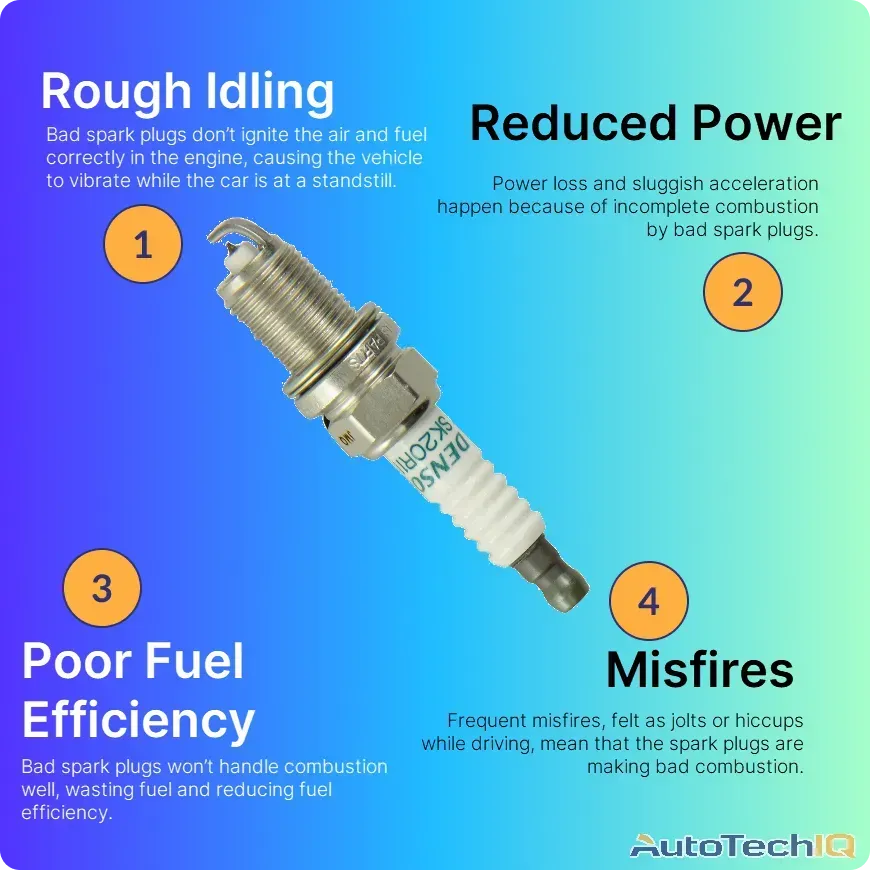
A fouled lawn mower spark plug can cause hard starting, rough running, misfires, smoke, and sudden engine stalling.
Knowing the lawn mower spark plug fouled symptoms can save time, money, and frustration. A spark plug is small, but it controls the engine’s ignition. After inspecting many small-engine problems, I have found that a dirty or wet plug is often mistaken for a bad carburetor or weak battery. This guide explains what to look for, why fouling happens, and how to fix it safely.
What Is a Fouled Spark Plug?
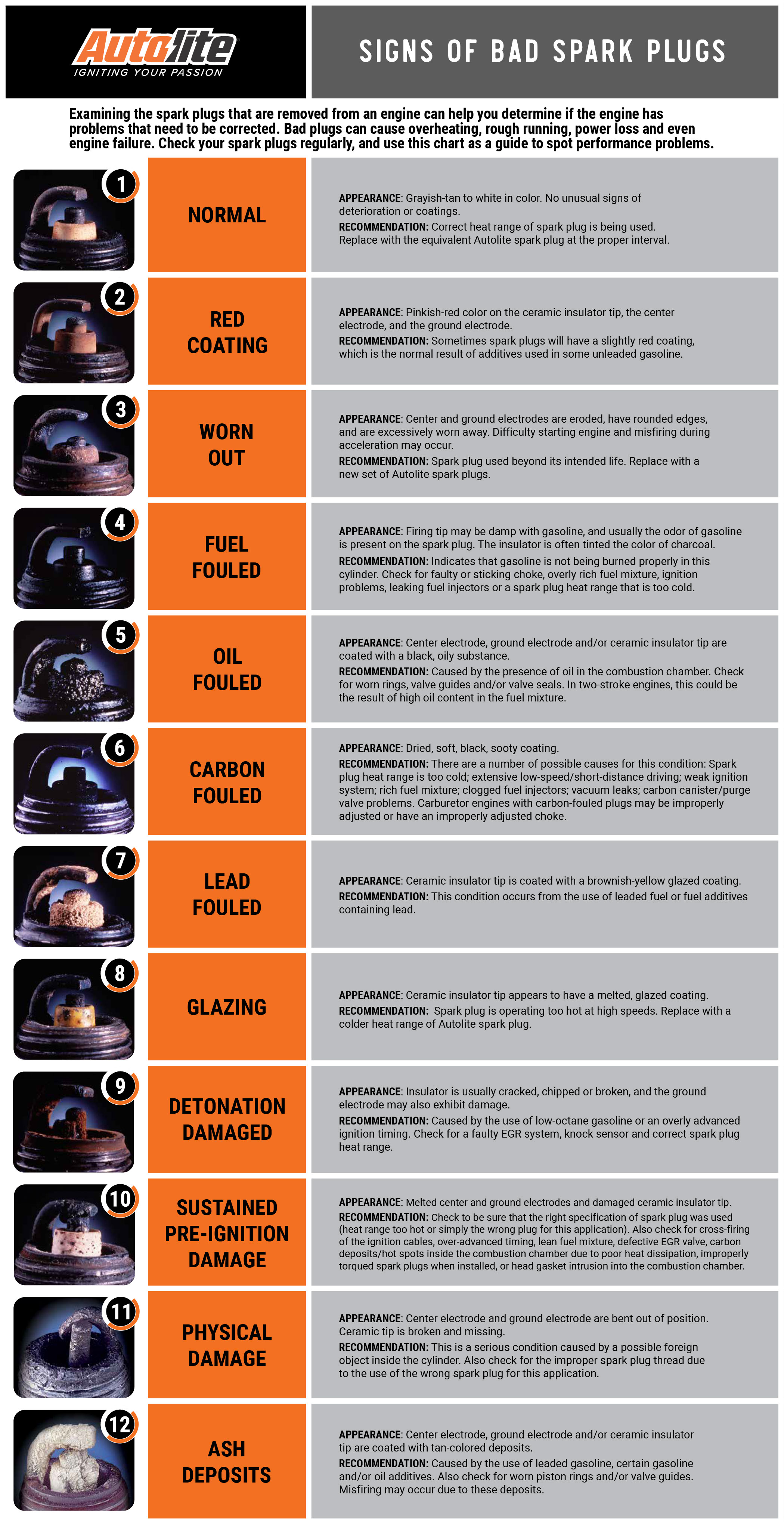
A fouled spark plug has a coating that blocks or weakens the spark. This coating may be made of carbon, fuel, oil, or ash. When the spark cannot jump across the plug gap correctly, the engine may struggle to burn the air and fuel mixture.
The plug tip normally has a light gray or tan color. A plug that looks wet, black, oily, or heavily coated needs closer attention. Color alone does not tell the whole story, but it gives you a useful starting point.
Common lawn mower spark plug fouled symptoms include:
• Hard starting or repeated pulls on the starter rope
• An engine that starts and then dies
• Rough idling or uneven engine speed
• Misfiring, popping, or sputtering
• Loss of cutting power
• Dark exhaust smoke
• Poor fuel use
• A wet or black spark plug tip
• An engine that runs better with the choke partly closed
A fouled plug is like a candle covered in soot. The fuel may be present, but the spark cannot burn it well.

Lawn Mower Spark Plug Fouled Symptoms to Watch For
The symptoms may appear one at a time or several may happen together. The pattern often helps identify the type of fouling.
Hard starting
A fouled plug may produce a weak spark. The engine can crank or turn over, but it will not ignite the fuel mixture with enough force. You may need many pulls before the mower starts.
If the plug is wet with gasoline, the engine may be flooded. Each extra pull can add more fuel and make the problem worse.
Rough running
A mower with a fouled plug may run unevenly. The engine speed can rise and fall, or the mower may shake more than normal. This often happens when carbon blocks a clean spark.
A rough engine can also point to stale fuel, a clogged air filter, or a dirty carburetor. That is why you should inspect the plug instead of replacing parts at random.
Stalling after startup
Some mowers start easily but stop after a few seconds. A wet plug, rich fuel mixture, or weak ignition may be the cause. The mower may also stall when the blade engages because the engine cannot produce enough power.
Misfiring and popping
A misfire happens when the fuel mixture does not burn at the correct time. You may hear a pop from the muffler or notice the engine skip. A fouled plug is one possible cause, but damaged ignition parts can create the same sound.
Weak cutting power
A mower with a fouled plug may sound normal with no grass load. Once it enters thick or wet grass, the engine loses speed. The plug may not be delivering a strong spark under load.
Smoke from the exhaust
Black smoke usually means the engine is receiving too much fuel or too little air. That rich mixture can coat the plug with carbon. Blue smoke points more toward burning oil, which can also foul the plug.
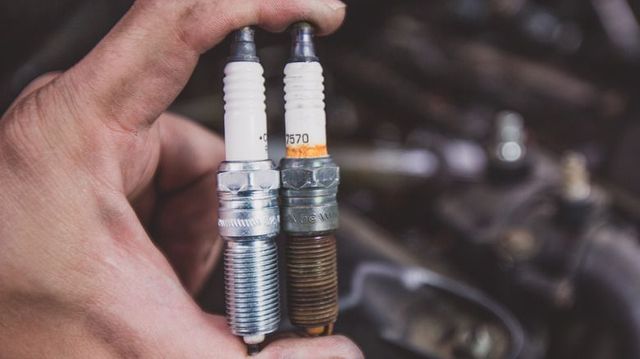
What a Fouled Spark Plug Looks Like
Remove the plug and inspect the firing end in good light. Let the engine cool first, and disconnect the spark plug wire before touching the plug.
Here is what common plug conditions may mean:
• Dry, fluffy black soot: The engine may be running too rich, or the air filter may be blocked.
• Wet with gasoline: The engine may be flooded, or the plug may not be firing.
• Wet with oil: The engine may be burning oil because of worn rings, valve guides, or an overfilled crankcase.
• Thick white or gray deposits: Ash from oil additives or poor fuel may be present.
• Burned or damaged electrode: The plug may be too hot, incorrectly gapped, or worn out.
• Light tan or gray deposits: This often suggests normal operation.
A small amount of color is normal. Heavy buildup that bridges the gap is not. Also, do not judge the plug by color alone if the mower has electronic ignition or a fuel system problem.

Main Causes of Lawn Mower Spark Plug Fouling
Finding the cause matters. A new plug may solve the problem for a short time, but it will foul again if the engine problem remains.
Too much fuel
A dirty carburetor, stuck float, leaking needle valve, or incorrect choke setting can send too much fuel into the cylinder. The extra fuel leaves carbon on the plug and may make the plug wet.
A common mistake is leaving the choke on after the engine warms up. The choke reduces air and creates a richer mixture for starting. It should usually move to the run position after startup, based on the mower manual.
A dirty air filter
A blocked air filter limits airflow. The engine then receives more fuel than air. This rich mixture can create black smoke and dry carbon on the plug.
Check the air filter before adjusting the carburetor. Replacing a low-cost filter may fix both the smoke and the fouling.
Old or contaminated fuel
Gasoline changes over time, especially when stored in a hot shed or an open container. Old fuel can burn poorly and leave deposits. Water or dirt in the fuel can also cause rough running.
Use fresh fuel that matches the engine maker’s instructions. Never use fuel that smells sour, looks cloudy, or contains visible debris.
Incorrect spark plug gap
The gap is the distance between the center electrode and the ground electrode. If it is too wide, the ignition system may not create a strong spark. If it is too narrow, the spark may be weak and the engine may burn fuel poorly.
Always check the gap with a wire gap tool. Use the specification in the mower or engine manual because plug gaps vary by model.
Oil in the combustion chamber
Too much oil in the crankcase can cause oil to enter places it should not. Tilting the mower the wrong way can also let oil move into the air filter or cylinder.
Oil fouling may point to a deeper engine issue. If a replacement plug quickly becomes oily, have the engine checked for worn rings, valve problems, or a damaged head gasket.
Extended low-speed running
Small engines need the correct operating speed to cool well and work efficiently. Running a mower at very low throttle for long periods may encourage incomplete combustion and carbon deposits.
Use the normal throttle setting recommended for mowing. Do not adjust the governor to make the engine run faster than designed.
How to Diagnose a Fouled Lawn Mower Spark Plug
You can perform a basic inspection with a few simple tools. Work outdoors or in a well-ventilated area, and keep fuel away from sparks and flames.
Step 1: Turn off and cool the mower
Disconnect the spark plug wire. If the mower has a battery or electric start system, follow the manual’s safety steps. Wear gloves and eye protection when removing dirt or using compressed air.
Step 2: Remove the plug
Brush away loose dirt around the plug first. This keeps debris from falling into the cylinder. Use the correct spark plug socket and turn the plug counterclockwise.
Do not force a stuck plug. Excessive force can damage the threads in the cylinder head.
Step 3: Inspect the plug
Look for wet fuel, oil, carbon, ash, cracks, and a worn electrode. Compare the plug with a new plug of the correct type if you are unsure.
A plug that is badly worn, cracked, or heavily coated should usually be replaced. Cleaning may help with light deposits, but it cannot repair a damaged plug.
Step 4: Check the gap
Measure the gap with a wire tool. Do not guess by eye. If the gap is wrong, adjust it gently according to the plug maker’s instructions.
Never bend the center electrode. Adjust the ground electrode carefully, or replace the plug if it is damaged.
Step 5: Check for ignition
A spark tester is safer and more reliable than holding the plug against the engine. Connect the tester as directed, keep hands away from the plug, and crank the engine.
A strong, consistent spark usually appears blue or bright. A weak or absent spark can point to a damaged plug, ignition coil, safety switch, or wiring issue.
Step 6: Inspect related parts
Check the air filter, fuel condition, fuel line, carburetor, and oil level. A plug is often the messenger, not the main problem.
In repair work, one lesson comes up again and again: replacing the plug without finding the cause often leads to the same failure a week later.
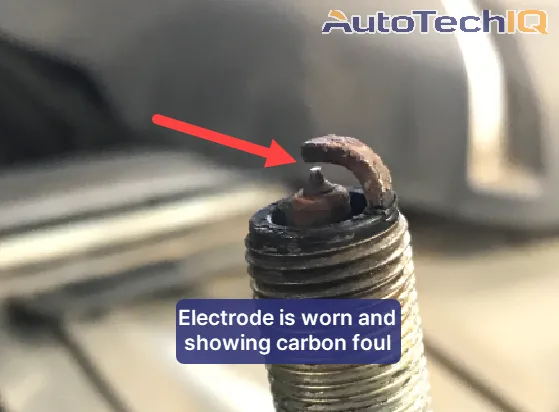
Should You Clean or Replace the Fouled Plug?
Cleaning may work when the plug has light, dry carbon deposits. Use a soft wire brush and wipe the plug clean. Do not use harsh chemicals that can damage the insulator.
Replacement is the better choice when:
• The ceramic body is cracked
• The electrode is badly worn
• The plug has heavy oil or carbon buildup
• The plug threads are damaged
• The gap will not stay correct
• The plug has been cleaned several times
Spark plugs are inexpensive, and a new plug gives you a clearer starting point for diagnosis. Install the exact plug type listed for your engine. The wrong heat range or reach can cause poor performance or engine damage.
Apply only the amount of anti-seize recommended by the plug or engine manufacturer. Many modern spark plugs do not need anti-seize, and too much can change tightening force. Tighten the plug to the manual’s torque specification whenever possible.
How to Prevent Spark Plug Fouling
Good routine care can prevent most fouling problems.
• Use fresh, clean fuel and store it in an approved container.
• Replace or clean the air filter at the recommended interval.
• Keep the choke off after the engine warms up.
• Check the oil level on a flat surface.
• Use the correct oil grade for the outdoor temperature.
• Keep the mower blade sharp so the engine does not work harder than needed.
• Avoid mowing extremely wet or tall grass when possible.
• Inspect the spark plug during regular maintenance.
• Store the mower as directed by the engine manufacturer.
A sharp blade is more than a lawn-care upgrade. It reduces engine load, which helps the mower maintain steady speed and complete combustion.
Seasonal maintenance is also helpful. Before the mowing season, inspect the plug, filter, fuel, oil, and blade. This small check can prevent a frustrating failure on the first warm weekend of spring.
Mistakes to Avoid When Troubleshooting
Many mower owners make the same few errors. Avoiding them can protect both the engine and your wallet.
Do not keep pulling a flooded mower
Repeated starting attempts can add more fuel to the cylinder. Move the choke to the correct position, let the mower sit for a short time, and follow the starting steps in the manual.
Do not scrape the plug aggressively
Heavy scraping can damage the electrode or insulator. Replace a badly fouled plug instead of trying to make an unsafe plug work.
Do not tilt the mower carelessly
Tilting the mower with the air filter or carburetor facing down can move oil into the intake. If you must tip the mower, follow the manufacturer’s recommended direction.
Do not ignore black smoke
Black smoke is a sign of an overly rich mixture or restricted airflow. It can quickly create more lawn mower spark plug fouled symptoms.
Do not bypass safety switches
Blade-control systems and operator-presence switches are safety features. Never bypass them to test the mower. Use a spark tester and follow safe service procedures.
Do not change the carburetor settings without a reason
Turning adjustment screws may hide the real problem. Check the filter, fuel, plug, and fuel system first.
When to Call a Small-Engine Professional
A basic plug inspection is usually manageable for a careful homeowner. Professional help is wise when the mower still runs poorly after installing the correct plug and checking the air filter.
Seek service if you notice:
• Repeated oil fouling
• Very low compression
• A damaged cylinder head thread
• No spark with a new plug
• Fuel leaking from the carburetor
• Severe smoke
• Backfiring through the carburetor
• A loud knocking sound
• A mower that becomes dangerously hot
Compression, valve clearance, ignition-coil output, and carburetor operation may require special tools. A technician can test these systems instead of guessing.
The limits of home diagnosis are important. Lawn mower spark plug fouled symptoms can overlap with symptoms from a dirty carburetor, bad fuel, weak ignition, or internal engine wear.
Frequently Asked Questions About Lawn Mower Spark Plug Fouled Symptoms
What are the most common lawn mower spark plug fouled symptoms?
The most common signs are hard starting, rough running, stalling, misfiring, weak cutting power, and black or oily deposits on the plug. A wet plug may also show that the engine is flooded.
Can a fouled spark plug stop a lawn mower from starting?
Yes. Heavy carbon, fuel, or oil can prevent the plug from producing a useful spark. Replacing the plug may restore starting, but you should still check why it became fouled.
How often should I replace a lawn mower spark plug?
Many manufacturers suggest checking the plug once each mowing season and replacing it at the interval listed in the engine manual. Replace it sooner if it is cracked, badly worn, or repeatedly fouled.
Can I clean a fouled lawn mower spark plug?
You can clean light, dry carbon with a soft brush. Replacement is safer when the plug is wet with oil, badly coated, damaged, or unable to hold the correct gap.
Why does my new spark plug foul quickly?
A new plug may foul quickly because of a dirty air filter, rich fuel mixture, leaking carburetor, stale fuel, excess oil, or internal engine wear. Find the cause before installing another plug.
Is a black spark plug always bad?
Not always. A small amount of dark deposit can occur during normal use, but thick, dry soot often suggests too much fuel or too little air. Compare the plug with the condition described in your engine manual.
[CodeImg not needed for FAQ]
Conclusion
Lawn mower spark plug fouled symptoms usually include hard starting, rough running, stalling, misfires, weak power, smoke, and visible deposits on the plug. The real cause may be excess fuel, a blocked air filter, stale gasoline, incorrect gap, excess oil, or engine wear.
Start with a safe inspection. Check the plug, filter, fuel, oil level, and gap before changing more expensive parts. If the plug fouls again soon, treat that as a warning and have the fuel or ignition system tested.
A few minutes of seasonal maintenance can keep your mower ready when the grass starts growing fast. Check your plug before the next mowing session, and share your experience or questions in the comments.