


The Hydrogear ZT 3100 is a popular pressure washer, but like any machine, it can develop issues over time. From leaks and pressure drops to engine stalling, understanding these problems can save you time and money. This guide walks you through the most common Hydrogear ZT 3100 problems and how to solve them fast.
Key Takeaways
- Leaks are common: Check O-rings, seals, and hose connections to stop water from escaping.
- Pressure drops: Clogged nozzles or worn pump parts often cause low pressure—inspect and replace as needed.
- Engine won’t start: Fuel issues, spark plug problems, or air filters may be the culprit.
- Unusual noises: Grinding or knocking sounds usually mean worn bearings or loose components.
- Oil leaks: Damaged oil seals or overfilled crankcase can lead to messy oil seepage.
- Overheating: Poor ventilation or clogged filters can cause the engine to overheat—clean and maintain regularly.
- Warranty matters: Always check your warranty before DIY repairs to avoid voiding coverage.
📑 Table of Contents
- Understanding the Hydrogear ZT 3100: A Reliable Workhorse
- 1. Common Hydrogear ZT 3100 Problems: Leaks and Water Loss
- 2. Pressure Loss: Why Your Hydrogear ZT 3100 Isn’t Performing
- 3. Engine Won’t Start: Diagnosing Power Issues
- 4. Unusual Noises: When Something Sounds Off
- 5. Oil Leaks: Protecting Your Investment
- 6. Overheating: Preventing Engine Damage
- Preventive Maintenance Tips for the Hydrogear ZT 3100
- When to Call a Professional
- Conclusion: Keep Your Hydrogear ZT 3100 Running Strong
Understanding the Hydrogear ZT 3100: A Reliable Workhorse
The Hydrogear ZT 3100 is a 3000 PSI pressure washer that’s been a favorite among homeowners and light commercial users for its durability and strong performance. Built with a reliable Honda GX270 engine and a triplex plunger pump, it’s designed to handle tough cleaning tasks—from driveways to decks. But even the best machines aren’t immune to wear and tear. Over time, users may encounter various issues that can affect performance or cause downtime.
Whether you’re a first-time owner or a long-time user, knowing how to spot and fix common Hydrogear ZT 3100 problems can save you from costly repairs and keep your machine running like new. In this guide, we’ll walk through the most frequent issues, explain their causes, and offer step-by-step solutions. Think of this as your go-to troubleshooting manual—no mechanic required.
1. Common Hydrogear ZT 3100 Problems: Leaks and Water Loss
One of the first signs that something’s wrong with your Hydrogear ZT 3100 is water leaking from unexpected places. Leaks not only reduce pressure but can also damage nearby surfaces. The good news? Most leaks are fixable with a little inspection and replacement.
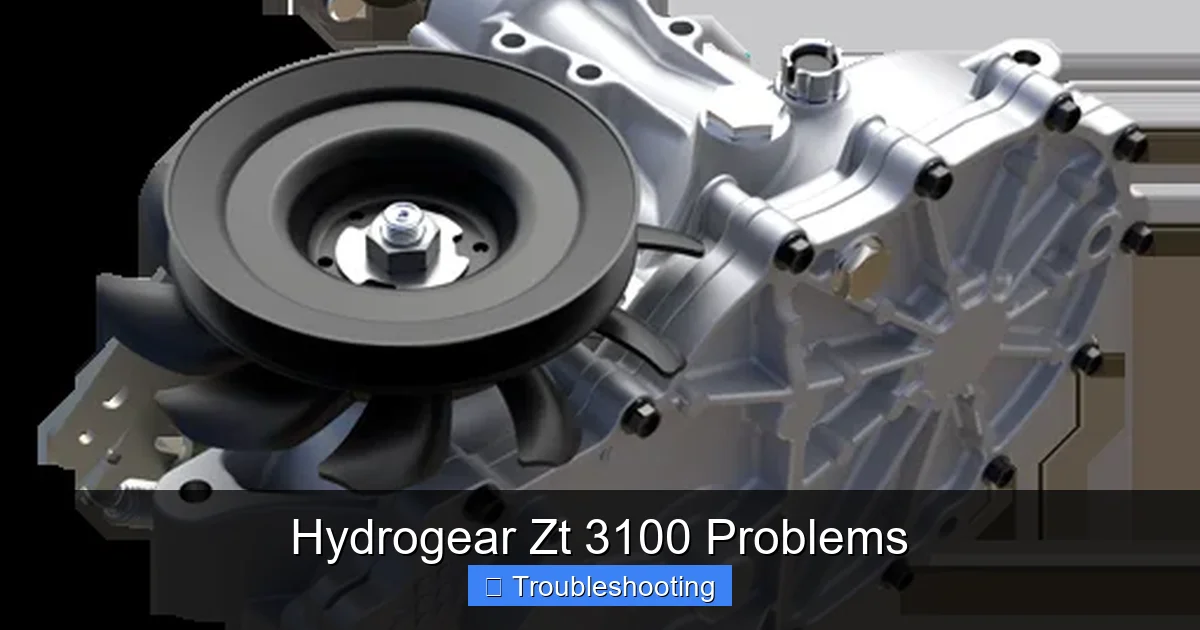
Visual guide about Hydrogear Zt 3100 Problems
Image source: hydro-gear.com
Leaking from the Pump Area
If you notice water dripping from the pump housing, it’s likely due to worn seals or O-rings. These small rubber components create a tight seal between moving parts. Over time, they can dry out, crack, or lose their shape—especially if the machine hasn’t been used regularly or stored improperly.
How to fix: Turn off the machine and disconnect the spark plug for safety. Remove the pump cover (usually held by four screws) and inspect the O-rings and seals. Replace any that look cracked or brittle. Apply a thin layer of silicone grease to help them slide back into place. Reassemble and test.
Pro tip: Keep a few spare O-rings on hand—they’re inexpensive and can prevent a full breakdown during a job.
Leaking at the Hose Connection
Another common spot for leaks is the hose connection at the end of the wand. Loose fittings or damaged threads can let water escape. This is often mistaken for a pump issue, but it’s usually a simple fix.
How to fix: Tighten the hose connection by hand. If it’s still leaking, wrap the threads with Teflon tape before reconnecting. Make sure the washer inside the fitting isn’t missing or damaged—replace it if needed.
Leaking from the High-Pressure Outlet
Water spraying out from the outlet nozzle is a red flag. This usually means the nozzle is worn or misaligned, or the unloader valve is malfunctioning. The unloader valve is responsible for regulating pressure and diverting water when the trigger is released. If it’s stuck or damaged, it can cause continuous leakage.
How to fix: Inspect the nozzle for wear or clogs. Replace if necessary. For unloader issues, consult the service manual—some models allow you to disassemble and clean the valve, while others may need professional attention.
2. Pressure Loss: Why Your Hydrogear ZT 3100 Isn’t Performing
Nothing kills a cleaning job faster than weak water pressure. If your Hydrogear ZT 3100 isn’t delivering the expected 3000 PSI, several factors could be at play.
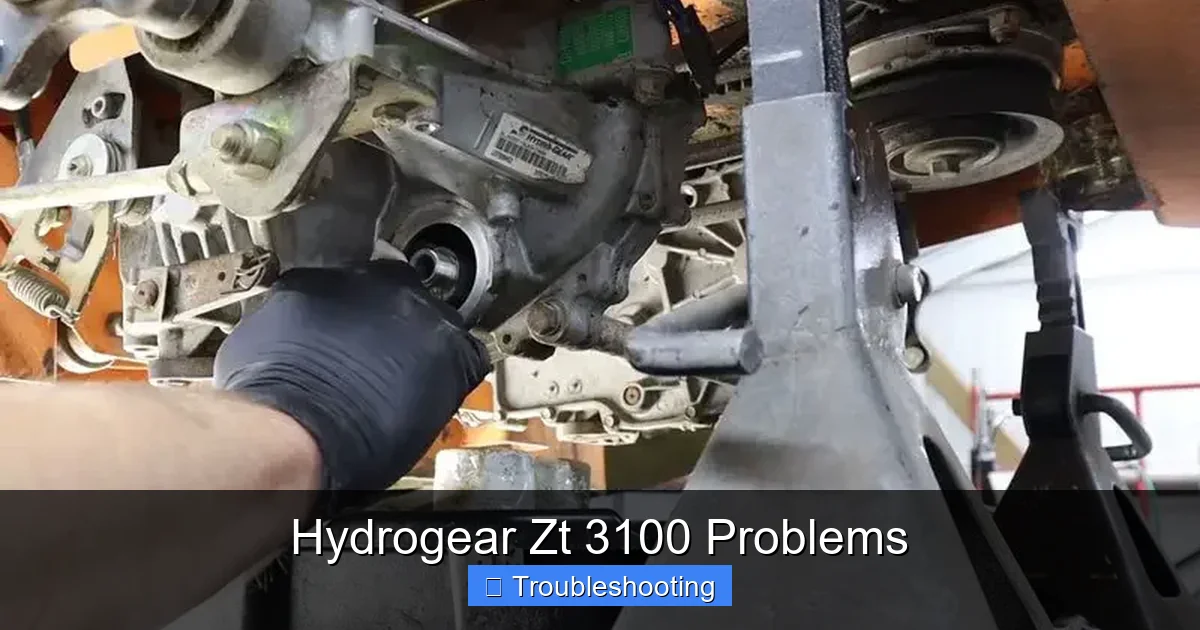
Visual guide about Hydrogear Zt 3100 Problems
Image source: i0.wp.com
Clogged or Worn Nozzles
The nozzle is the final point of control for water flow. A clogged nozzle from dirt or mineral buildup can drastically reduce pressure. Over time, nozzles can also wear out, changing the spray pattern and reducing efficiency.
How to fix: Remove the nozzle and soak it in a vinegar solution to dissolve mineral deposits. Use a needle or small wire to clear stubborn clogs. For wear, replace the nozzle with an OEM part. Always match the nozzle size to your cleaning task—higher pressure for tough jobs, lower for delicate surfaces.
Worn Plunger Pads or Seals
The plunger pump relies on tight seals to maintain pressure. If the plunger pads or seals are worn, air can get into the system, causing pressure drops.
How to fix: Inspect the pump for signs of wear—look for scoring or discoloration. If the seals are damaged, replace the entire pump assembly or the specific seal kit. This is a more involved repair, so consider professional help if you’re not comfortable disassembling the pump.
Air in the System
After changing hoses or refilling the pump, air can get trapped inside, reducing pressure. This is common after long periods of non-use.
How to fix: Turn on the machine and let it run for 2–3 minutes with the trigger released. This allows air to escape. You’ll hear a gurgling sound as the system purges air—once it stops, pressure should return to normal.
3. Engine Won’t Start: Diagnosing Power Issues
A dead or unresponsive engine can leave you stranded mid-job. The Hydrogear ZT 3100 uses a Honda GX270 engine, known for reliability, but startup issues are still possible.
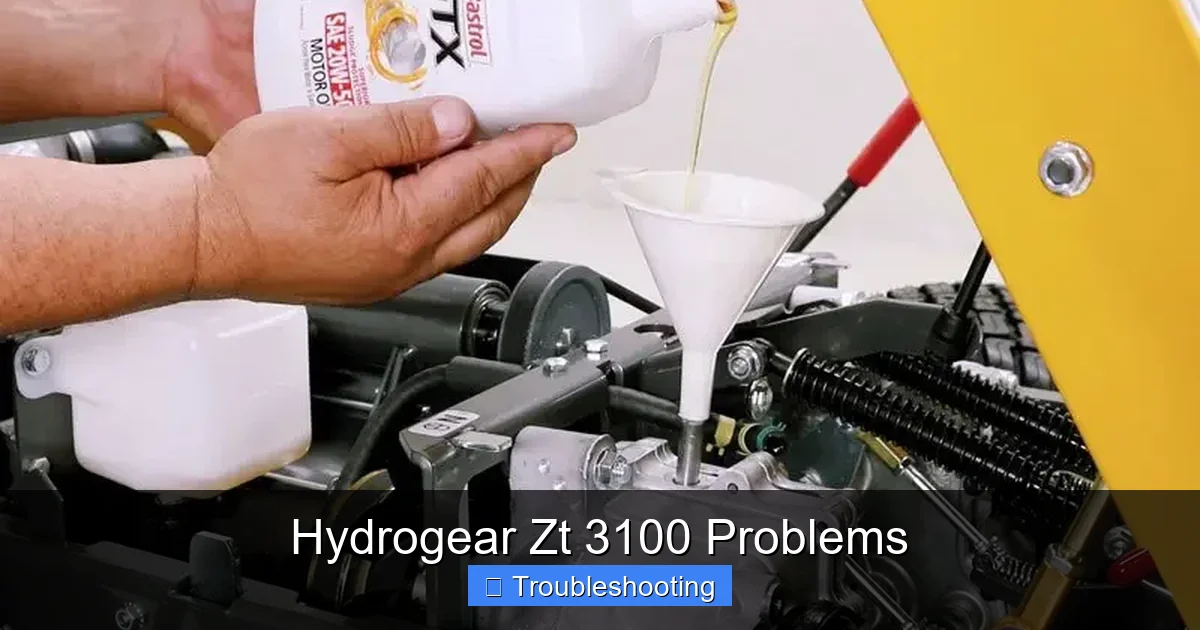
Visual guide about Hydrogear Zt 3100 Problems
Image source: i0.wp.com
Fuel Problems
Old or contaminated fuel is a top cause of engine failure. Gasoline can degrade in as little as 30 days, leading to gum deposits that clog the carburetor.
How to fix: Drain the old fuel and replace it with fresh gasoline mixed with fresh 50:1 fuel stabilizer. Run the engine for a few minutes to circulate the new fuel.
Spark Plug Issues
A fouled or damaged spark plug prevents ignition. Signs include difficulty starting, rough idling, or a rattling sound.
How to fix: Remove the spark plug, inspect for carbon buildup or damage, and clean it with a wire brush. Replace if necessary. Make sure the gap is set to 0.028 inches (check your manual for exact specs).
Dirty Air Filter
A clogged air filter restricts airflow, starving the engine of oxygen and causing poor performance.
How to fix: Remove the air filter cover and take out the filter. Tap it gently to remove dust, or replace it if it’s heavily soiled. Never run the engine without a filter—it can cause engine damage.
4. Unusual Noises: When Something Sounds Off
If your Hydrogear ZT 3100 starts making grinding, knocking, or squealing noises, it’s time to investigate. These sounds often point to mechanical wear.
Grinding or Knocking Sounds
These noises usually come from the pump or engine bearings. Over time, bearings can wear out due to lack of lubrication or heavy use.
How to fix: Shut off the machine immediately to prevent further damage. Inspect the pump and engine for loose parts or signs of wear. Replacing bearings is complex and may require professional service. Regular oil changes and proper storage help prevent this issue.
Squealing or Whining
This often indicates a loose belt or pulley. The Hydrogear ZT 3100 uses a drive belt to transfer power from the engine to the pump.
How to fix: Check the belt tension. If it’s loose, tighten it using the adjustment bolts. If the belt is cracked or frayed, replace it with an OEM part.
5. Oil Leaks: Protecting Your Investment
Oil leaks from the engine or pump can lead to engine failure if not addressed. These leaks are usually caused by damaged seals or overfilled oil.
Damaged Oil Seals
Oil seals prevent engine oil from leaking out. If they’re worn or cracked, oil will seep out, especially around the crankshaft or camshaft.
How to fix: Replace the oil seals. This requires removing the engine cover and is best done by a mechanic unless you’re experienced with engine disassembly.
Overfilled Crankcase
Too much oil can cause pressure buildup, leading to leaks or even engine damage.
How to fix: Check the oil level using the dipstick. Drain excess oil until it’s at the “Full” mark. Use only the recommended oil type (usually SAE 10W-30).
6. Overheating: Preventing Engine Damage
The Honda GX270 engine is robust, but overheating can still occur—especially in hot weather or during prolonged use.
Clogged Air Intake or Cooling Fins
Dirt and debris can block airflow, causing the engine to overheat.
How to fix: Clean the air intake and cooling fins with compressed air or a soft brush. Make sure the area around the engine is clear of obstructions.
Low Oil Level
Running the engine with low oil can cause friction and overheating.
How to fix: Check the oil level before each use. Top up if necessary and replace oil regularly (every 50–100 hours of use).
Preventive Maintenance Tips for the Hydrogear ZT 3100
The best way to avoid Hydrogear ZT 3100 problems is through consistent maintenance. Here are some simple steps to keep your machine in top shape:
- Change oil regularly: Every 50 hours or once a year.
- Use fresh fuel: Always add fuel stabilizer if storing for more than 30 days.
- Clean after each use: Flush the pump with fresh water to remove debris.
- Inspect seals and O-rings: Replace if cracked or dry.
- Store properly: Keep in a dry place, cover it, and run it occasionally to prevent rust.
Following these tips can extend the life of your Hydrogear ZT 3100 and reduce the chance of unexpected breakdowns.
When to Call a Professional
While many Hydrogear ZT 3100 problems are DIY-friendly, some repairs—like pump rebuilds or carburetor cleaning—require specialized tools and knowledge. If you’re unsure, it’s better to consult a certified technician. Attempting complex repairs without experience can lead to further damage or void your warranty.
Always check your warranty before making any modifications or repairs. Some manufacturers require service by authorized dealers to keep coverage valid.
Conclusion: Keep Your Hydrogear ZT 3100 Running Strong
The Hydrogear ZT 3100 is a powerful and dependable pressure washer, but like any tool, it needs care. By understanding the most common Hydrogear ZT 3100 problems—from leaks and pressure loss to engine issues and overheating—you can address them quickly and keep your machine working efficiently. Regular maintenance, timely inspections, and knowing when to seek help are the keys to long-term performance.
Don’t let a small issue turn into a major repair. With the right knowledge and a few tools, you can troubleshoot most problems on your own. Your driveway, deck, and outdoor furniture will thank you.
Frequently Asked Questions
Why is my Hydrogear ZT 3100 leaking water from the pump?
Leaks from the pump are usually caused by worn O-rings or seals. Inspect these components and replace them if they’re cracked or brittle. Applying silicone grease can help them seal better.
What causes low pressure on the Hydrogear ZT 3100?
Low pressure is often due to clogged nozzles, worn plunger seals, or air in the system. Clean or replace the nozzle, check the pump seals, and purge air by running the machine with the trigger off.
How do I fix a Hydrogear ZT 3100 that won’t start?
Check the fuel, spark plug, and air filter. Use fresh fuel, clean or replace the spark plug, and ensure the air filter is not clogged. Also, verify that the choke is in the correct position.
Why is my Hydrogear ZT 3100 making grinding noises?
Grinding sounds usually indicate worn bearings in the pump or engine. This requires professional inspection and repair, as replacing bearings is complex and should be done by a qualified technician.
Can I replace the O-rings on my Hydrogear ZT 3100 myself?
Yes, replacing O-rings is a DIY-friendly repair. Turn off the machine, remove the pump cover, and swap out the damaged rings. Make sure to use OEM parts for best results.
How often should I change the oil in my Hydrogear ZT 3100?
Change the oil every 50 hours of use or once a year, whichever comes first. Use SAE 10W-30 oil and check the level before each use to prevent engine damage.
