


Struggling with your 27 HP Briggs and Stratton engine? This powerful engine powers everything from lawn tractors to generators, but like any machine, it can run into issues. Common problems include hard starting, loss of power, and overheating. Understanding these issues can save you time, money, and frustration. In this guide, we’ll walk through the most frequent 27 Hp Briggs and Stratton engine problems, explain their causes, and offer practical solutions so you can get back to work quickly and safely.
Key Takeaways
- Hard starting is the #1 issue: Often caused by dirty air filters, old fuel, or faulty spark plugs—simple fixes can restore smooth ignition.
- Loss of power affects performance: Usually due to clogged carburetors, worn spark plugs, or air leaks in the intake system.
- Overheating can damage the engine: Check for debris in the cooling fins, low oil levels, or a faulty cooling fan.
- Excessive oil consumption indicates internal wear: Common in older models; may require a compression test or internal inspection.
- Stalling under load points to fuel or air issues: Clean the carburetor and ensure proper fuel flow and ventilation.
- Regular maintenance prevents most problems: Replace spark plugs, change oil, and clean filters every season.
- Always use fresh, stabilized fuel: Old gas is a top cause of 27 Hp Briggs and Stratton engine problems in spring.
📑 Table of Contents
Introduction to the 27 HP Briggs and Stratton Engine
The 27 HP Briggs and Stratton engine is a workhorse used in a wide range of outdoor power equipment—from riding lawn mowers and compact tractors to portable generators and commercial-grade tillers. Known for its durability and reliability, this engine has earned a reputation among homeowners and professionals alike. However, even the best engines can develop problems over time, especially if they’re not properly maintained.
One of the most common concerns among users is encountering 27 Hp Briggs and Stratton engine problems. These issues can range from minor inconveniences like hard starting to more serious symptoms like engine stalling or loss of power. While the engine is built to last, factors like improper storage, poor maintenance, or environmental conditions can trigger a host of issues. The good news is that many of these problems are preventable—and most are fixable with a little know-how and the right tools.
In this comprehensive guide, we’ll explore the most frequent 27 Hp Briggs and Stratton engine problems, explain their root causes, and provide step-by-step solutions. Whether you’re a DIY enthusiast or just trying to avoid a costly repair bill, this article will equip you with the knowledge to diagnose and resolve common engine issues quickly and safely.
Common 27 HP Briggs and Stratton Engine Problems
If your engine isn’t performing as it should, you’re likely dealing with one of several common issues. Let’s break them down and see what might be going on under the hood.
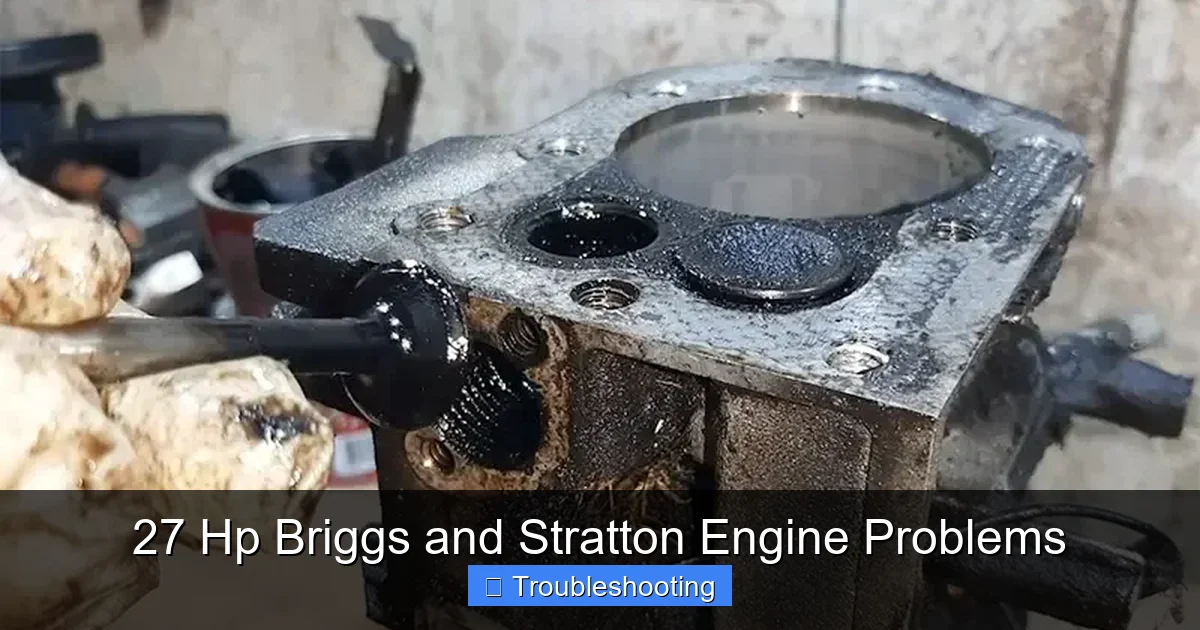
Visual guide about 27 Hp Briggs and Stratton Engine Problems
Image source: i0.wp.com
Hard Starting or No Start at All
One of the most frequent 27 Hp Briggs and Stratton engine problems is difficulty starting, or complete failure to start. This could mean cranking slowly, sputtering, or not turning over at all.
Why it happens: A hard start often points to fuel, air, or spark issues. Old or contaminated fuel is a leading culprit—gas breaks down over time, creating gunk that clogs the carburetor and fuel lines. A dirty air filter restricts airflow, while a worn or fouled spark plug fails to ignite the fuel mixture properly. In some cases, the choke mechanism may be stuck or misadjusted.
How to fix it: Start by checking the basics. Replace the air filter if it’s clogged. Inspect the spark plug—remove it, clean the electrode, and replace if it looks worn or has carbon buildup. Drain the old fuel from the tank and replace it with fresh, stabilized gas. If the engine still won’t start, consider cleaning the carburetor or checking the fuel shutoff valve.
Pro tip: Always store your equipment with fresh fuel or add a fuel stabilizer before long periods of inactivity. This simple step prevents fuel-related 27 Hp Briggs and Stratton engine problems in the spring.
Loss of Power or Poor Performance
Does your engine feel sluggish or struggle to handle heavy loads? A noticeable drop in power is a red flag that something’s off.
Why it happens: Power loss in a 27 HP Briggs and Stratton engine often stems from restricted airflow, fuel delivery issues, or internal mechanical wear. A clogged carburetor, for example, can starve the engine of the right fuel-to-air ratio. Air leaks in the intake manifold or damaged gaskets can also disrupt performance. Additionally, low oil levels or a dirty oil filter may reduce engine efficiency.
How to fix it: Begin by checking the oil level and replacing the oil and filter if needed. Inspect the air filter and replace it if it’s dirty. If the problem persists, clean the carburetor thoroughly—this often resolves fuel flow issues. Also, ensure the muffler isn’t clogged with carbon deposits, as this can restrict exhaust flow and reduce power.
Real-world example: A customer reported that their lawn tractor’s engine would bog down when cutting thick grass. After replacing the air filter and cleaning the carburetor, the issue was resolved. “It’s like a new machine,” they said.
Engine Overheating
Overheating is a serious issue that can lead to engine damage if not addressed. Signs include steam from under the hood, a burning smell, or the engine shutting down unexpectedly.
Why it happens: The 27 HP Briggs and Stratton engine relies on proper airflow and lubrication to stay cool. Common causes of overheating include blocked cooling fins, low oil levels, a malfunctioning cooling fan, or operating in extreme heat without adequate ventilation.
How to fix it: First, shut off the engine and let it cool. Inspect the cooling fins for debris—moss, dirt, or grass clippings can block airflow. Clean them gently with a brush or compressed air. Check the oil level and top it off if needed. If the engine has a shroud, ensure it’s intact and not warped. In hot conditions, avoid running the engine for extended periods without breaks.
Warning: Continued overheating can warp the cylinder head or damage the piston. Address this issue immediately to prevent costly repairs.
Excessive Oil Consumption
Are you finding yourself adding oil more often than usual? Excessive oil consumption can indicate internal engine wear.
Why it happens: In older 27 HP Briggs and Stratton engines, worn piston rings or valve seals may allow oil to seep into the combustion chamber, where it burns off. This is more common in engines with high mileage or those that haven’t been properly maintained.
How to fix it: Perform a compression test to check ring and valve condition. If compression is low, internal parts may need replacement. In some cases, using a high-quality synthetic oil or adding a stop-leak additive can temporarily reduce oil consumption. However, persistent issues usually require professional engine rebuilding.
Note: Always use the oil grade recommended by Briggs and Stratton—typically SAE 30 or 10W-30 for most models.
Stalling Under Load or Idle Issues
If your engine stalls when you increase throttle or runs rough at idle, it’s likely a fuel or air delivery problem.
Why it happens: A clogged carburetor, faulty choke, or vacuum leak can cause stalling. The engine may not get enough fuel during acceleration or may suck in unmetered air, disrupting the fuel mixture.
How to fix it: Clean the carburetor thoroughly, paying attention to the jets and float bowl. Check the choke linkage for proper movement. If the engine runs fine at idle but stalls under load, the issue is likely fuel delivery—ensure the fuel line isn’t kinked and the fuel filter (if equipped) is clean.
Tip: Adjust the idle speed screw carefully. Turning it clockwise increases idle speed; counterclockwise reduces it. Make small adjustments and test after each change.
Excessive Exhaust Smoke
While a little smoke isn’t always bad, thick black, white, or blue smoke can signal a serious problem.
- Black smoke: Usually means too much fuel and not enough air—check the carburetor and air filter.
- White smoke: Often indicates coolant entering the combustion chamber, which is rare but serious—consult a technician.
- Blue smoke: Typically from burning oil—see the section on excessive oil consumption.
Address smoke issues promptly to avoid engine damage.
Preventive Maintenance Tips
Most 27 Hp Briggs and Stratton engine problems are preventable with regular maintenance. Here’s how to keep your engine running smoothly:
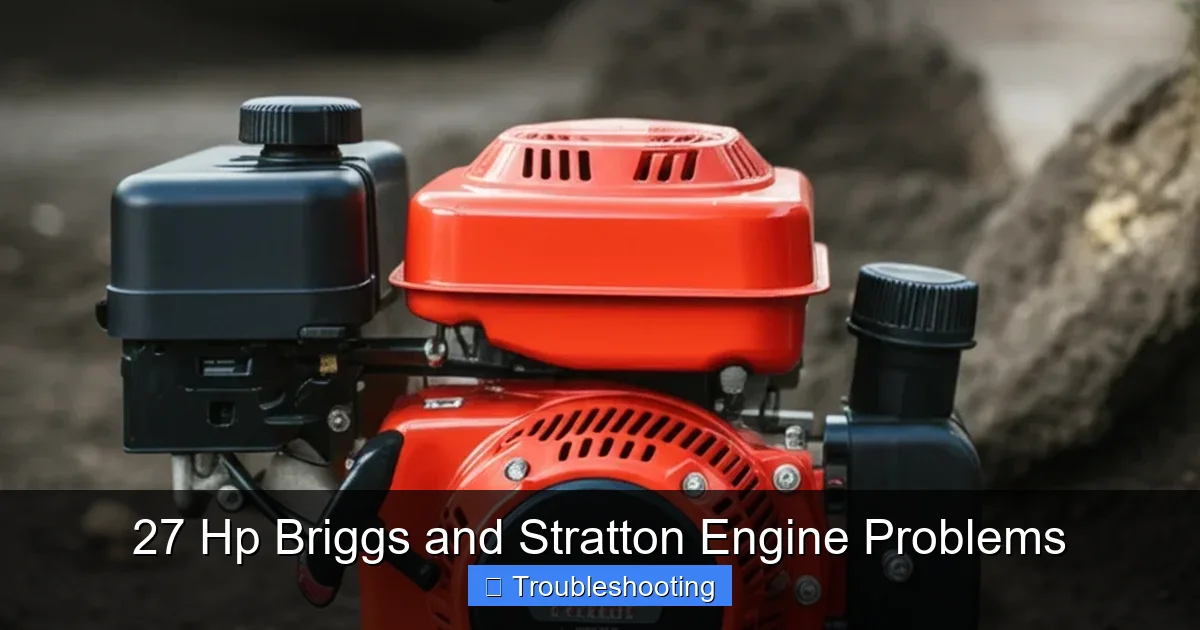
Visual guide about 27 Hp Briggs and Stratton Engine Problems
Image source: res.cloudinary.com
Change the Oil and Filter
Replace the oil and filter every 50 hours of operation or once per year, whichever comes first. Old oil loses its lubricating properties and can cause internal wear.
Clean or Replace the Air Filter
A clean air filter ensures proper airflow. Inspect it monthly and replace it if dirty. In dusty conditions, clean it with compressed air or replace it more often.
Inspect and Replace the Spark Plug
Remove the spark plug annually and check for wear or carbon buildup. Replace it with a Briggs and Stratton-branded plug for best performance.
Drain Old Fuel
Before storing your equipment for winter, drain the fuel tank or add a stabilizer. Fresh fuel prevents gum and varnish buildup in the carburetor.
Check Belts and Hoses
Inspect belts for cracks and hoses for leaks or soft spots. Replace any damaged components before they fail during operation.
Keep the Engine Clean
Regularly remove grass, dirt, and debris from the engine and cooling fins. A clean engine runs cooler and lasts longer.
When to Call a Professional
While many 27 Hp Briggs and Stratton engine problems can be fixed at home, some issues require expert attention. If you’ve tried the basics and the engine still won’t start, loses power, or makes unusual noises, it’s time to consult a certified technician. Common signs you need professional help include:

Visual guide about 27 Hp Briggs and Stratton Engine Problems
Image source: i.ytimg.com
- Persistent stalling or hard starting after cleaning the carburetor
- Low compression or engine knocking
- Excessive smoke or oil leaks
- Warranty concerns (self-repairs may void coverage)
Briggs and Stratton has authorized service centers nationwide. Use their dealer locator on their official website to find a trusted technician near you.
Frequently Asked Questions
Why won’t my 27 HP Briggs and Stratton engine start?
Hard starting is usually due to old fuel, a dirty air filter, or a faulty spark plug. Check these components first. If the problem persists, inspect the carburetor and fuel system for clogs or leaks.
How often should I change the oil in my 27 HP engine?
Change the oil every 50 hours of use or once per year, whichever comes first. Always use the recommended oil grade—typically SAE 30 or 10W-30.
Can I use regular gasoline in my Briggs and Stratton engine?
Yes, but only fresh, unleaded gasoline with an octane rating of 87 or higher. Avoid ethanol blends over 10% (E10), as they can cause fuel system issues.
Why is my engine losing power?
Power loss is often caused by a clogged carburetor, dirty air filter, or low oil. Clean or replace the affected components and check for air leaks in the intake system.
How do I prevent my engine from overheating?
Keep the cooling fins clean, maintain proper oil levels, and avoid prolonged use in hot conditions. Ensure the cooling fan is working and the shroud is intact.
Is it safe to run my engine without a muffler?
No. The muffler reduces noise and controls emissions. Running without it is unsafe, illegal in many areas, and can damage the engine over time.
Frequently Asked Questions
Why won’t my 27 HP Briggs and Stratton engine start?
Hard starting is usually due to old fuel, a dirty air filter, or a faulty spark plug. Check these components first. If the problem persists, inspect the carburetor and fuel system for clogs or leaks.
How often should I change the oil in my 27 HP engine?
Change the oil every 50 hours of use or once per year, whichever comes first. Always use the recommended oil grade—typically SAE 30 or 10W-30.
Can I use regular gasoline in my Briggs and Stratton engine?
Yes, but only fresh, unleaded gasoline with an octane rating of 87 or higher. Avoid ethanol blends over 10% (E10), as they can cause fuel system issues.
Why is my engine losing power?
Power loss is often caused by a clogged carburetor, dirty air filter, or low oil. Clean or replace the affected components and check for air leaks in the intake system.
How do I prevent my engine from overheating?
Keep the cooling fins clean, maintain proper oil levels, and avoid prolonged use in hot conditions. Ensure the cooling fan is working and the shroud is intact.
Is it safe to run my engine without a muffler?
No. The muffler reduces noise and controls emissions. Running without it is unsafe, illegal in many areas, and can damage the engine over time.
