


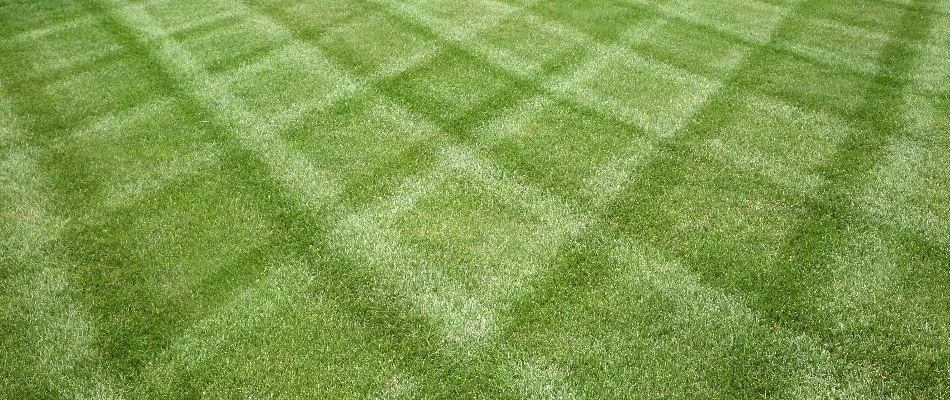
Alternate mowing directions each time, keep grass dry, and avoid driving over the same wheel tracks.
A smart mowing pattern to avoid ruts protects your lawn from packed soil, damaged roots, and ugly tire marks. The best results come from changing direction often, planning turns, and mowing only when the ground can support your mower. This guide explains the method, the mistakes that cause ruts, and simple ways to keep your lawn smooth and healthy.
Why Mowing Patterns Cause Ruts
Ruts are shallow or deep tracks pressed into the soil by mower tires. They form when the same wheels travel over the same path again and again. The risk is much higher when the soil is wet or soft.
Wet soil acts like soft clay. A mower may look light, but its tires place strong pressure on a small area. Repeated passes push soil down, squeeze out air, and damage grass roots.
The main causes of lawn ruts include:
• Mowing in the same direction every time
• Turning sharply in one area
• Using a heavy riding mower on wet soil
• Driving along the edge of a lawn too often
• Making narrow passes that place tires in the same tracks
• Mowing when the soil is already compacted
A good mowing pattern to avoid ruts spreads tire pressure across the lawn. It also gives grass time to recover from wheel traffic.
The Best Mowing Pattern to Avoid Ruts
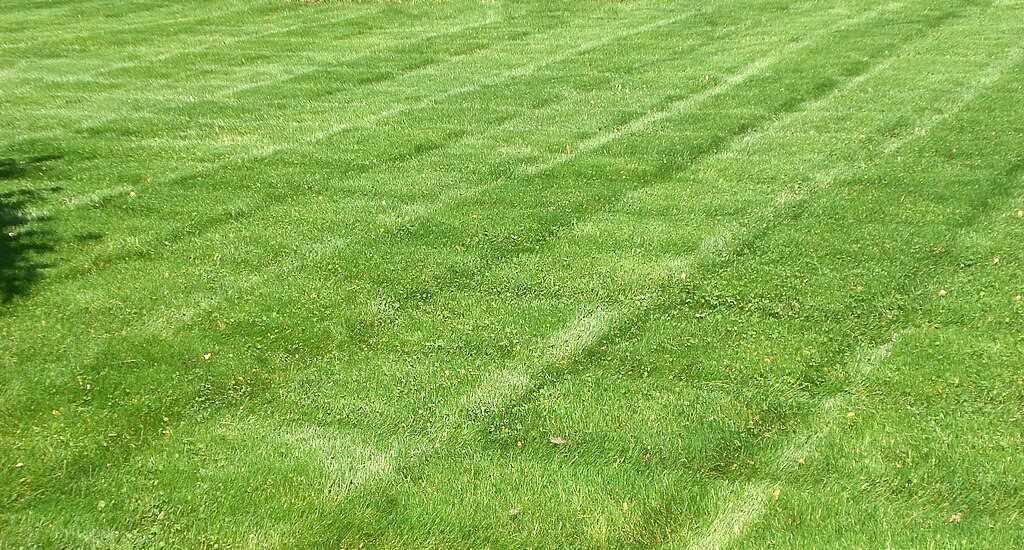
The most reliable method is to alternate mowing directions each time you cut. For example, mow east to west one week, then north to south the next week.
You can also use diagonal patterns. Mow from corner to corner during one session, then use the opposite diagonal during the next session. This creates a crisscross effect that prevents tires from following one permanent route.
A simple rotation may look like this:
-
Week one: Mow from north to south.
-
Week two: Mow from east to west.
-
Week three: Mow from northeast to southwest.
-
Week four: Mow from northwest to southeast.
This mowing pattern to avoid ruts works because each cut places the mower wheels in new areas. It also helps grass stand upright from different angles, which can create a neat, even finish.
Do not change direction in the middle of a narrow strip if doing so forces tight turns. Plan your route before starting. Gentle, wide turns are kinder to the soil than sharp spins.

How to Alternate Mowing Directions Correctly
Changing direction is easy, but the details matter. Start by choosing a clear starting point near one edge of the lawn. Keep each pass straight and overlap the previous pass slightly.
A small overlap prevents missed strips without forcing the tires to follow the same tracks. Most mowers need only a few inches of overlap. Check the mower deck width and use the edge of the previous stripe as your guide.
Use this process:
-
Select a direction that differs from your last mowing session.
-
Begin with a straight pass along one edge.
-
Make a broad turn at the end of the row.
-
Return in the opposite direction.
-
Keep a small overlap between passes.
-
Avoid stopping or turning in the center of the lawn.
-
Change the pattern at the next mowing.
When using a riding mower, make gradual turns in open areas. Zero turn mowers can pivot quickly, but fast pivot turns may tear grass and press deep marks into soft ground. A gentle three point turn is often better for the lawn.

Mow Only When the Soil Is Firm
Even the best mowing pattern to avoid ruts can fail if the ground is too wet. Before mowing, walk across the lawn and check the soil.
If your shoes sink, leave clear footprints, or collect mud, wait. Grass may look dry on top while the soil below remains soft. Give the lawn time to drain after rain or irrigation.
Mowing wet grass creates several problems:
• Tires sink and leave tracks
• Soil becomes compacted
• Grass blades clump under the deck
• Wheel marks become more visible
• The mower may slide on slopes
• Disease can spread through wet grass clippings
A short delay is usually better than repairing ruts later. In many yards, waiting one dry day makes a major difference.
Morning mowing can also be risky if dew is heavy. Late morning or early afternoon is often safer, as long as the grass is not stressed by heat. Local weather, shade, soil type, and drainage all affect the best time.
Use a Mowing Pattern That Fits Your Lawn
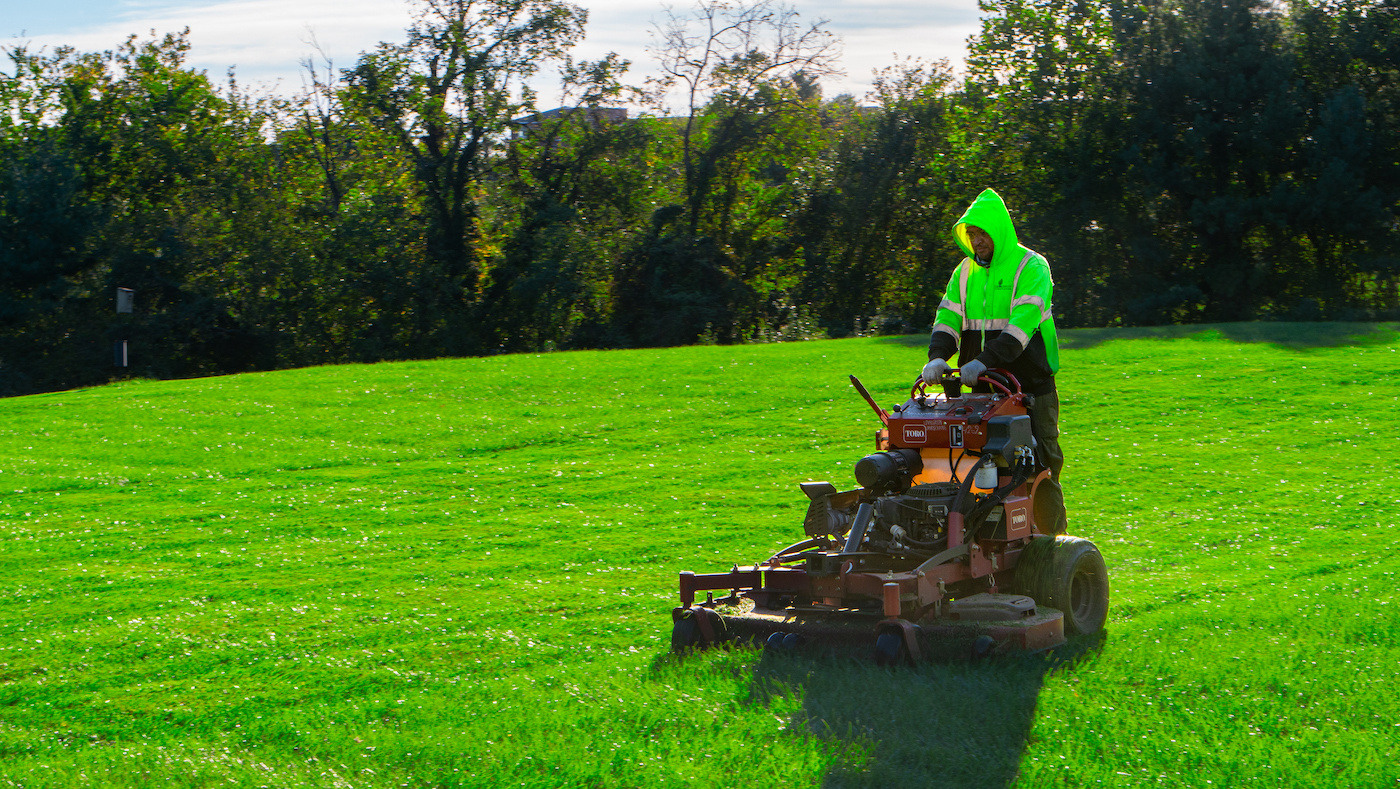
There is no single pattern for every yard. The right mowing pattern to avoid ruts depends on lawn size, shape, slope, soil, and mower type.
Open, rectangular lawns
Use straight passes in alternating directions. These lawns are easy to divide into rows, so changing direction each week works well.
Small or irregular lawns
Use a changing diagonal pattern. Avoid circling the edge over and over, since this often places the tires in the same track.
Sloped lawns
Mow across the slope when safe, rather than straight up and down. This reduces the chance of sliding. Follow the mower manufacturer’s safety instructions, and never use a riding mower on slopes beyond its safe operating limit.
Lawns with trees and beds
Create wide turns in open areas. Do not make tight turns around every tree. Instead, mow straight passes and trim the areas that the mower cannot reach.
Large lawns
Divide the property into zones. Use one direction in one zone and a different direction in another. Rotate these directions at the next mowing session.
How to Avoid Ruts With a Riding Mower
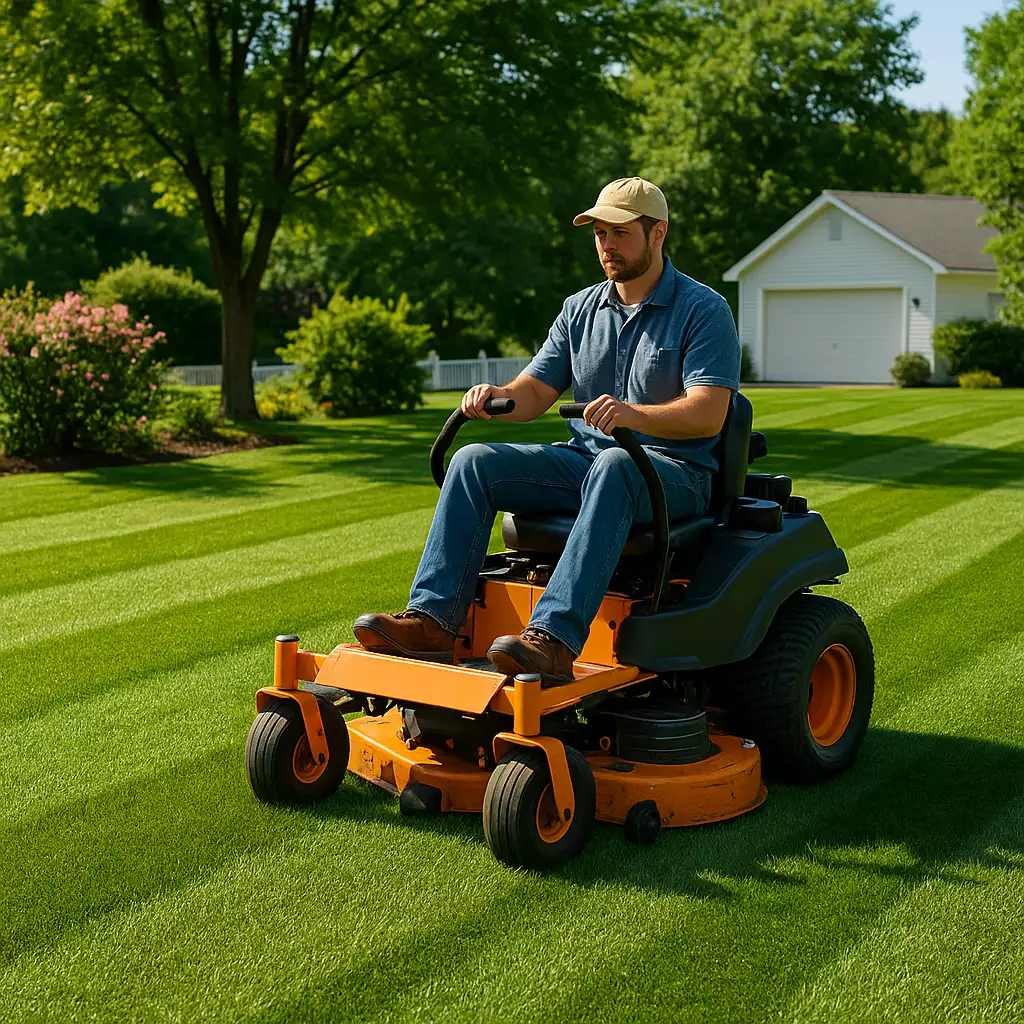
Riding mowers place more weight on the ground than walk behind mowers. Their wide tires can create visible tracks, especially when the machine has a full fuel tank or large grass catcher.
Before mowing, inspect the tire pressure. Low pressure increases the tire’s contact area and may leave broader marks. High pressure can reduce traction and make the ride rough. Use the pressure listed in the mower manual.
Good riding mower habits include:
• Keep the mower moving at a steady speed
• Avoid sudden stops
• Make wide turns
• Lift attachments when required
• Avoid wet or recently irrigated areas
• Do not park in the same lawn spot
• Change your route around gates and narrow paths
• Use a lighter mower when the lawn is soft
One lesson many lawn owners learn the hard way is that repeated turns near a driveway can create a visible ring of compacted soil. I recommend starting the turn earlier and using a wider arc. It takes only a few extra seconds and can protect the grass for years.
How to Avoid Ruts With a Push Mower
Push mowers are lighter, but they can still create tracks. This is especially true when you mow the same lines every week or walk in the same narrow path.
Vary your walking route along with the mowing direction. If you usually begin near the sidewalk, start on the opposite side during the next session. This spreads foot traffic and mower pressure across the lawn.
Use a comfortable pace. Pushing too fast can cause uneven cuts and make you turn sharply at the end of each row. Keep both hands steady and lift or guide the mower smoothly when changing direction.
For narrow lawns, a back and forth pattern often works best. For wider lawns, use long rows with broad U turns. Avoid tight circles, which can twist the grass and disturb the soil surface.
Common Mowing Mistakes That Create Ruts
A mowing pattern to avoid ruts is only part of the solution. Daily habits can undo good planning.
Repeating the same border pass
Many people mow around the outside edge several times. This creates a track that becomes darker, thinner, or lower than the rest of the lawn. Make one clean border pass, then change its position slightly during future cuts.
Turning in the same place
End turns often cause more damage than straight passes. Move your turn point when possible, and use a wide arc rather than a sharp pivot.
Mowing too short
Scalping weakens grass and exposes soil. A taller, healthy lawn handles light traffic better than short, stressed grass. Follow the one third rule: remove no more than one third of the grass blade at one time.
Ignoring mower weight
A heavy mower needs firmer soil and more careful route planning. If your lawn stays soft, consider a lighter machine or mow less often during wet periods.
Using dull blades
Dull blades tear grass instead of cutting it cleanly. Torn grass loses moisture faster and may become thin in high traffic areas. Sharpen the blade at least once or twice each season, depending on use and lawn size.
Repairing Existing Lawn Ruts
If ruts already exist, stop driving over them first. Continued traffic will make the problem worse and may prevent grass from recovering.
For shallow tracks, rake the area, loosen the surface, and add a thin layer of quality topsoil if needed. Reseed with a grass type suited to your region, then keep the seed moist until it sprouts.
For deeper ruts, use a flat shovel to lift the damaged turf. Add soil beneath the grass, replace the turf, and water it carefully. Do not bury the crown of the grass, which is the point where the leaves meet the roots.
A basic repair process is:
-
Mark the rut edges.
-
Remove or lift the grass.
-
Loosen compacted soil.
-
Add compatible topsoil.
-
Level the area.
-
Replace the turf or apply seed.
-
Water lightly and protect the area from traffic.
Deep or widespread ruts may point to drainage problems, heavy clay soil, or excessive machine weight. In those cases, simple leveling may provide only a short term fix. A soil test or professional drainage review may be worthwhile.
Improve Drainage to Prevent Future Ruts
Poor drainage keeps soil soft for too long. It also reduces oxygen around grass roots and increases the chance of compaction.
Look for these warning signs:
• Water remains on the lawn after rain
• Grass grows thin in low areas
• Mud sticks to mower tires
• The lawn feels spongy
• Ruts return after repair
You may improve drainage by correcting low spots, reducing irrigation, aerating compacted soil, or adding organic matter where appropriate. Core aeration removes small plugs of soil and creates channels for air and water.
Do not aerate waterlogged soil. It can smear the soil and make compaction worse. The ground should be moist enough to penetrate but firm enough to hold its shape.
Clay soil, poor grading, and underground drainage issues may need expert attention. A local lawn professional can identify whether the main problem is traffic, soil structure, or water flow.
Seasonal Mowing Patterns
Your mowing pattern to avoid ruts should change with the season. Soil conditions and grass growth are not the same throughout the year.
Spring
Spring soil is often soft from rain and snowmelt. Wait until the lawn can support the mower without footprints. Start with gentle passes and avoid heavy equipment after storms.
Summer
Dry soil usually supports mowing better, but stressed grass needs care. Raise the mowing height if the lawn is brown or dry, and avoid cutting during extreme heat.
Fall
Falling leaves may require more frequent mowing. Keep changing directions as the soil becomes wetter. Remove leaves before they form thick, damp mats.
Winter
Do not mow frozen or frost covered grass. Foot and tire traffic can break frozen blades and damage crowns. Wait until the lawn is fully thawed and dry.
Benefits of Changing Your Mowing Pattern
Alternating directions does more than reduce ruts. It supports a stronger and more attractive lawn.
Key benefits include:
• Less soil compaction
• More even grass growth
• Better light exposure
• Fewer permanent tire marks
• Improved mowing appearance
• Lower risk of scalping
• Better recovery from traffic
Grass blades can lean in the direction of mowing. Changing direction helps the lawn stand more upright and prevents a one sided growth habit. It is similar to changing the part in your hair. The change helps the surface look fuller and more balanced.
Striping patterns can look beautiful, but strong stripes should not become a permanent route. Use them for appearance while still rotating the direction from one mowing session to the next.
A Simple Weekly Plan
A written plan makes it easier to follow a mowing pattern to avoid ruts. Mark the direction in a phone note or lawn care calendar.
Try this four week plan:
-
Week one: North to south.
-
Week two: East to west.
-
Week three: Northeast to southwest.
-
Week four: Northwest to southeast.
If the lawn is wet, skip the cut rather than forcing the schedule. If the grass grows quickly, you can mow more often, but still change direction between sessions.
Before every cut, ask three questions:
• Is the soil firm enough?
• What direction did I use last time?
• Where can I make wide turns?
These quick checks prevent many common problems. They also help you notice drainage or compaction issues before they become serious.
Frequently Asked Questions About Mowing Pattern to Avoid Ruts
What is the best mowing pattern to avoid ruts?
The best method is to alternate directions at every mowing. Use north to south one time, east to west the next, and diagonal routes after that.
Does mowing in the same direction cause ruts?
Yes, repeated passes place tire pressure on the same soil line. Over time, the soil becomes compacted and the grass may thin along that route.
Should I mow wet grass to avoid falling behind?
No. Wet soil is soft and can easily develop tire tracks. Wait until the lawn surface and the soil below are firm enough to support the mower.
How often should I change my mowing direction?
Change direction every time you mow when possible. At minimum, switch between horizontal and vertical patterns from one mowing session to the next.
Can a riding mower cause more ruts than a push mower?
A riding mower usually has greater weight, so it can create deeper tracks in soft soil. Proper tire pressure, wide turns, and dry mowing conditions help reduce the risk.
How do I repair deep mower ruts?
Lift the damaged turf, loosen the compacted soil, add and level topsoil, then replace the turf or reseed. Keep traffic away until the grass is established.
Should I mow up and down a slope?
Mow across a slope only when it is safe and allowed by the mower manual. Avoid mowing steep slopes with equipment that could slide or overturn.
Conclusion
A consistent mowing pattern to avoid ruts combines changing directions, wide turns, firm soil, correct tire pressure, and proper mowing height. Alternating between vertical, horizontal, and diagonal passes spreads pressure and helps the grass grow evenly.
Start with one simple change at your next mowing: choose a direction different from your last cut. Keep the soil dry, protect soft areas, and repair small tracks before they deepen. Try this plan for a month, then share your results or explore more lawn care guides for a healthier, smoother yard.
