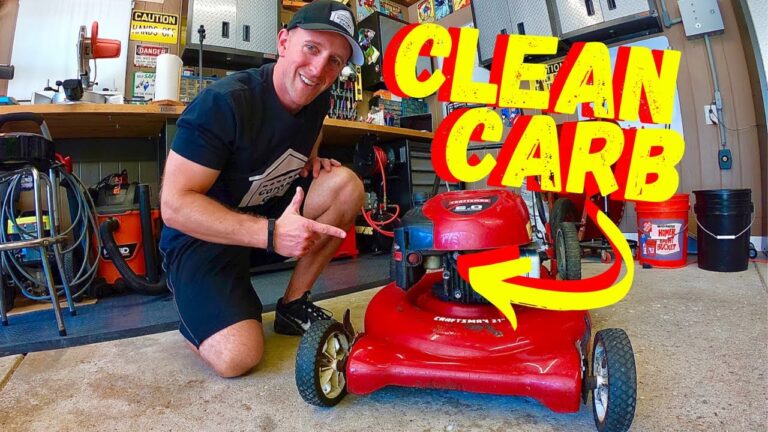
How To Change Oil In Lawn Mower: Easy Step-By-Step Guide
Changing lawn mower oil is simple: warm the engine, drain old oil, refill, and check the level.
Learning how to change oil in lawn mower engines can save money, reduce wear, and help your mower start with less trouble. This guide explains the right tools, oil type, safety steps, drain methods, common mistakes, and disposal tips in clear steps you can follow at home.
Why Changing Lawn Mower Oil Matters
Engine oil acts like a thin shield between moving metal parts. It reduces friction, carries heat away, and helps trap dirt inside the engine. Over time, oil breaks down and becomes dark, thick, and less effective.
A mower that runs with old oil may have more engine wear, poor performance, or hard starts. In severe cases, low or dirty oil can cause enough heat and friction to damage the engine.
Most walk behind lawn mowers need an oil change after the first few hours of use on a new engine. After that, many manufacturers suggest changing the oil every 25 to 50 operating hours or at least once each mowing season. Always check your owner’s manual, since the correct schedule depends on the engine and working conditions.
How to change oil in lawn mower engines is not difficult, but small details matter. Using the wrong oil, overfilling the crankcase, or leaving dirt near the fill tube can create new problems.
What You Need Before You Start
Gather everything before you warm up the mower. This keeps the job quick and helps prevent spills.
You may need:
• The correct engine oil listed in the owner’s manual
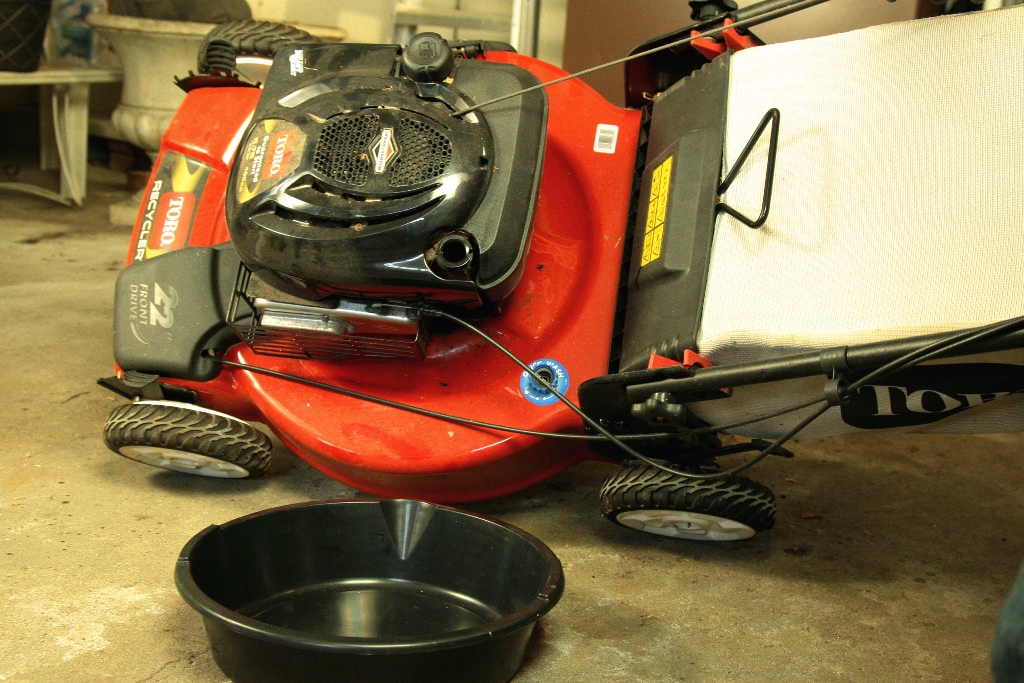
• A drain pan or wide container
• A funnel
• A socket wrench, if your mower has a drain plug
• Clean rags or paper towels
• Work gloves and safety glasses
• A small brush for cleaning around the fill tube
• A measuring cup or oil container with markings
• A replacement drain plug washer, if the manual calls for one
Most four stroke lawn mower engines use SAE 30 oil in warm weather. Some engines use 10W 30 or another multigrade oil. The best choice depends on the outside temperature and the engine design.
Never add two stroke fuel and oil mix to a standard four stroke mower. These engines use separate fuel and oil systems. If you are unsure, check the oil cap, engine label, or owner’s manual before adding anything.

Safety Steps Before Changing Lawn Mower Oil
Safety comes first because a mower engine, muffler, and oil can become very hot. Work outdoors or in a well ventilated area. Keep the mower away from open flames, cigarettes, and anything that could ignite gasoline fumes.
Before draining the oil:
-
Park the mower on a flat, stable surface.
-
Turn off the engine and let the blade stop fully.
-
Disconnect the spark plug wire and move it away from the spark plug.
-
If your mower has an electric start or battery, disconnect the battery when the manual advises it.
-
Allow the engine to cool enough to handle safely, but keep it slightly warm if possible.
Warm oil flows more easily than cold oil. However, hot oil can burn skin. A few minutes of cooling after a short run usually gives a good balance between safe handling and easy draining.
Do not tip a mower with gasoline in the tank unless the manufacturer specifically allows it. Fuel can leak into the air filter, carburetor, or engine. If tipping is required, drain the fuel first or keep the carburetor and air filter side facing upward.

How to Change Oil in Lawn Mower With a Drain Plug
A drain plug is often found under the mower deck or near the bottom side of the engine. This method is clean and simple when you can reach the plug without tipping the mower.
Follow these steps:
-
Run the mower for two to three minutes, then shut it off. Let it cool until it is warm but safe to touch.
-
Disconnect the spark plug wire.
-
Clean dirt from around the oil fill cap and drain plug. A small amount of grit can enter the engine if you skip this step.
-
Place the drain pan under the plug. Make sure the pan is wide enough to catch oil that may flow at an angle.
-
Remove the oil fill cap. This allows air into the crankcase and helps the oil drain faster.
-
Turn the drain plug counterclockwise with the correct wrench.
-
Let the old oil flow into the pan. Wait several minutes until the stream becomes a slow drip.
-
Inspect the plug and washer. Replace a damaged washer or plug if needed.
-
Clean the plug, then reinstall it by hand. Tighten it with a wrench, but do not force it. Overtightening can damage the threads.
-
Add the recommended oil through a funnel. Pour slowly and stop several times to check the level.
-
Reinstall the oil cap and wipe away any spilled oil.
-
Wait a minute, then check the level again using the dipstick or fill opening.
The key lesson in how to change oil in lawn mower engines with a drain plug is to avoid rushing the final fill. A small engine may need less than one quart, so adding the whole bottle at once can easily cause an overfill.

How to Change Oil in Lawn Mower Without a Drain Plug
Many small push mowers do not have a drain plug. They are designed for oil removal through the fill tube. This is often called the tilt or tip method.
Use the following process:
-
Run the mower briefly to warm the oil.
-
Shut off the engine and disconnect the spark plug wire.
-
Remove the oil cap or dipstick.
-
Place a drain pan beside the mower.
-
Tip the mower slowly toward the side recommended by the owner’s manual.
-
Keep the air filter and carburetor higher than the oil fill tube.
-
Allow the old oil to drain fully into the pan.
-
Return the mower to a level position.
-
Add the correct amount of fresh oil through a funnel.
-
Check the level, wipe the dipstick, and check it again if the manual requires that method.
Tipping in the wrong direction is a common mistake. Oil may run into the air filter or carburetor. This can cause smoke, poor starting, or a flooded engine.
If oil reaches the air filter, replace a paper filter or clean a washable foam filter according to the manual. Do not start the mower until excess oil is removed.

How to Add the Correct Amount of Oil
The correct oil level is just as important as using fresh oil. Too little oil may leave engine parts without enough lubrication. Too much oil can cause foaming, smoke, leaks, and poor engine operation.
Check the level on flat ground. Most dipsticks require one of two methods:
• Some dipsticks are screwed fully into the tube before reading.
• Other dipsticks are only placed into the tube without being screwed in.
Follow the instructions for your model. Wipe the dipstick clean, insert it correctly, remove it, and read the mark. The oil should sit between the low and full marks.
If your mower has no dipstick, the oil usually should reach the bottom edge of the fill opening. Do not assume this applies to every model. The manual is the final guide.
A helpful approach is to add about three quarters of the expected amount first. Wait a moment, check the level, and add small amounts until it reaches the correct mark. This prevents overfilling and makes how to change oil in lawn mower engines much less messy.
Choosing the Right Lawn Mower Oil
Oil choice depends on the engine, temperature, and manufacturer instructions. Common options include SAE 30 and 10W 30.
SAE 30 works well in many warm weather mowing conditions. 10W 30 can provide easier cold starts and may work across a wider temperature range. Some newer engines use synthetic oil, while others allow either conventional or synthetic oil.
Before buying oil, check:
• The engine manufacturer’s oil recommendation
• The temperature range shown in the manual
• The required oil capacity
• Whether the engine requires detergent oil
• Whether the oil meets the stated performance rating
Do not use automotive oil without checking the manual first. Some automotive oils are suitable, but the correct viscosity and performance rating still matter.
Oil color alone does not tell the whole story. Fresh oil may turn darker after a short time because it picks up deposits. The service interval, oil level, engine use, and manufacturer guidance provide better clues than color by itself.
:max_bytes(150000):strip_icc()/mower-maintenance-for-four-cycle-engine-2131183-06-31f76aa3de3845f0a04309288532781b.jpg)
Common Mistakes to Avoid
Most oil change problems come from a few simple errors. Avoid these mistakes to protect the engine and keep the mower running well.
• Changing oil on uneven ground: An angled mower can give a false oil reading.
• Forgetting the spark plug wire: The engine could start unexpectedly if the blade moves.
• Adding oil before draining the old oil: This can cause a serious overfill.
• Using the wrong oil: Incorrect viscosity may affect starting and lubrication.
• Overfilling the crankcase: Extra oil can create smoke, leaks, and foaming.
• Underfilling the crankcase: Low oil can cause rapid engine wear.
• Leaving the drain plug loose: Oil may leak during operation.
• Tightening the plug too much: This can strip the threads in the engine block.
• Letting dirt enter the fill tube: Small particles can circulate through the engine.
• Pouring used oil on the ground: Used oil can pollute soil and water.
One mistake I often see during basic mower maintenance is trusting the bottle size instead of the dipstick. A one quart bottle does not mean the engine needs one quart. Small mower engines often hold much less.

How to Check for Leaks After an Oil Change
After learning how to change oil in lawn mower engines, always perform a short inspection. Wipe the drain plug and oil fill area clean. Start the mower and let it run for about one minute.
Shut it off and look beneath the engine. Check the drain plug, oil cap, and lower crankcase for fresh oil. If you see a leak, stop the engine and correct the problem before mowing.
After the test, let the mower sit for a few minutes on level ground. Check the oil again. A low level may indicate that not enough oil was added, while a rising level can suggest fuel has entered the crankcase.
If the oil smells strongly like gasoline or appears unusually thin, do not continue using the mower. Fuel in engine oil may point to a carburetor, fuel valve, or storage problem that needs further attention.
How Often Should You Change Lawn Mower Oil?
The right schedule depends on use and engine type. A mower used for a small yard once a week may need less frequent service than one used for thick grass, dusty soil, steep slopes, or commercial work.
A practical guide is:
• Change the oil after the first five hours on many new engines.
• Change it every 25 hours for heavy use or dusty conditions.
• Change it every 50 hours for lighter seasonal use when the manual allows.
• Change it at least once each mowing season.
• Change it before long term storage if the manufacturer recommends it.
Check the oil before every mowing session. This takes less than a minute and can prevent major engine damage. A mower can use or lose oil during operation, even when there is no clear puddle underneath.
Replace the oil sooner if it becomes contaminated with dirt, water, or gasoline. Service intervals are useful guides, but operating conditions always matter.
How to Dispose of Used Lawn Mower Oil
Never pour used oil onto soil, into a storm drain, or into household trash. Used motor oil can contaminate water and harm plants, animals, and soil.
Pour the old oil into a sealed, clean container. A store bought oil bottle works well. Do not mix it with gasoline, brake fluid, solvents, or other chemicals.
Take the container to a local recycling center, auto parts store, repair shop, or household hazardous waste program that accepts used oil. Many locations recycle used motor oil and may also accept the old filter.
Keep used oil away from children and pets. Clean small spills with absorbent material, place the material in a suitable container, and follow local disposal rules. Regulations vary by city and state, so check local guidance when needed.
Responsible disposal is a small step, but it protects the same outdoor spaces where you use your mower.
Extra Lawn Mower Maintenance Tips
An oil change is a good time to inspect other basic parts. Small checks can improve safety and help the mower last longer.
Inspect the following:
• Air filter: Clean or replace it when dirty.
• Spark plug: Check for heavy deposits, cracks, or wear.
• Blade: Sharpen it when the cut becomes ragged, and replace it if damaged.
• Underside of deck: Remove packed grass with the engine off and the spark plug wire disconnected.
• Wheels and cables: Check for loose parts or restricted movement.
• Fuel system: Look for cracked lines or fuel leaks.
• Cooling fins: Remove grass and dirt so the engine can release heat.
A sharp blade cuts grass cleanly and reduces stress on the engine. Clean cooling fins also help prevent heat buildup. These small jobs work together like links in a chain; one neglected part can affect the whole mower.
If the engine smokes heavily after an oil change, shut it off. A little smoke may occur if oil spilled onto the muffler, but continued smoke can signal overfilling or oil in the air filter.
When to Call a Professional
Many homeowners can handle how to change oil in lawn mower engines. However, some problems need professional help.
Contact a qualified repair technician if:
• The engine will not start after an oil change.
• Oil continues to leak after the drain plug is tightened correctly.
• The oil is full of metal flakes.
• The engine knocks, locks up, or makes a sharp tapping sound.
• Gasoline keeps entering the crankcase.
• The mower burns large amounts of oil.
• The drain plug threads are damaged.
• You cannot identify the correct oil or fill level.
Metal particles may indicate internal engine wear. A fuel smell may point to a carburetor or fuel control problem. Continuing to run the mower can turn a small repair into a full engine replacement.
Your owner’s manual should guide model specific work. When the manual and general advice differ, follow the manual.
Frequently Asked Questions About How to Change Oil in Lawn Mower
How often should you change oil in a lawn mower?
Many mowers need an oil change every 25 to 50 operating hours or at least once per season. New engines often need their first oil change after about five hours, but the owner’s manual takes priority.
Should the lawn mower be warm before changing the oil?
Yes, slightly warm oil drains faster and carries more suspended dirt out of the engine. Run the mower for a few minutes, then let it cool enough to handle safely.
Can you use car oil in a lawn mower?
Some car oils may work, but only if the viscosity and performance rating match the engine manufacturer’s instructions. Check the manual before using automotive oil.
How much oil does a lawn mower take?
Many walk behind mower engines take between 15 and 24 fluid ounces, but capacity varies by model. Add oil slowly and use the dipstick or fill mark instead of relying only on the bottle size.
What happens if you overfill a lawn mower with oil?
Overfilling can cause smoke, leaks, oil foaming, and poor engine performance. Drain the excess oil until the level reaches the correct mark.
Can you change lawn mower oil without a drain plug?
Yes, many mowers drain through the oil fill tube when carefully tilted in the direction recommended by the manufacturer. Keep the air filter and carburetor higher than the oil opening.
Why is my lawn mower smoking after an oil change?
A small amount of smoke may come from spilled oil burning on the muffler. Heavy or continuing smoke can result from overfilling, oil in the air filter, or an internal engine problem.
Conclusion
Changing lawn mower oil is a simple maintenance task that protects the engine, supports smooth performance, and can extend mower life. Warm the oil safely, disconnect the spark plug wire, drain the old oil fully, use the correct type, and check the final level on flat ground.
Do not rush the fill step, and always dispose of used oil properly. Follow your mower’s manual for oil grade, capacity, service intervals, and tipping instructions.
Set a reminder for your next seasonal oil change, then inspect the air filter, spark plug, blade, and cooling fins while you are there. If this guide helped, explore more mower maintenance tips or share your own experience in the comments.