


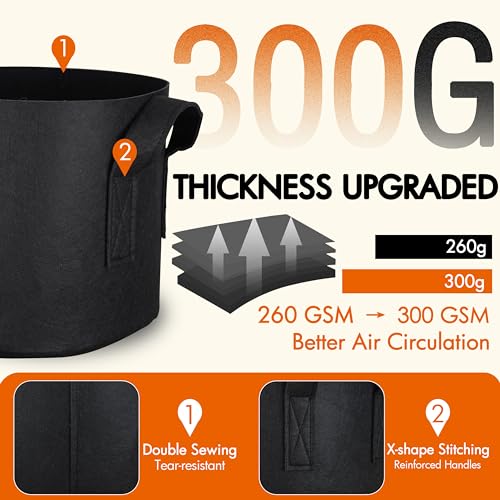
The best fabric grow bags offer strong airflow, smart drainage, easy handling, and healthy root growth in small spaces.
Have you ever watched a potted plant struggle because its roots stayed wet or circled the pot? Fabric grow bags solve that common problem. Their breathable sides let extra air reach the root zone, while excess water can drain away fast. I use them for patios, balconies, raised beds, greenhouses, and small gardens because they are light, simple to move, and easy to store. The best fabric grow bags also give plants more room to breathe than many hard plastic pots. Below, I compare popular sizes and designs to help you choose with confidence.
Gardzen 10-Gallon Grow Bags

The Gardzen 10-gallon grow bags are a strong choice for gardeners who want useful space without moving into very large containers. The thick fabric feels sturdy, and the sewn handles make each bag easier to lift or shift. A 10-gallon size works well for tomatoes, peppers, cucumbers, potatoes, herbs, and many flowering plants. I also like the wide opening because it makes filling and planting less cramped.
These bags support good air exchange around the roots. When roots reach the fabric wall, they meet air and tend to branch instead of forming a tight circle. That process, often called air pruning, can help create a fuller root system when watering and feeding are also managed well. The bags fold flat after the season, so they take far less storage room than rigid pots.
Pros:
- Useful 10-gallon size for many vegetables
- Heavy-duty handles make moving easier
- Breathable fabric supports root air flow
- Good drainage helps reduce standing water
- Wide top makes filling and planting simple
- Folds flat for compact storage
Cons:
- A full bag can become heavy to move
- Fabric may dry faster than plastic in hot sun
- Handles need careful use when the bag is very wet
My Recommendation
I recommend this Gardzen set for home growers who want the best fabric grow bags for large patio vegetables and seasonal crops. The 10-gallon capacity gives roots more room than a 5-gallon bag, while the handles still offer practical control. It suits beginners, balcony gardeners, and anyone who wants several matching containers at a fair value. It is also a good fit for gardeners who need dependable bags that can be reused each year.
Songrey 10-Gallon Grow Bags

The Songrey 10-pack gives gardeners a large group of matching 10-gallon containers. This size works well when you want to grow several plants at once rather than test one or two bags. The fabric design helps air reach the root area and lets extra water escape. I see this type of set as a practical choice for a new container garden, community plot, or small backyard growing plan.
A 10-pack can also make crop planning easier. You can place tomatoes in one row, peppers in another, and reserve a few bags for herbs or root crops. The bags are light when empty and can fold down after harvest. Still, every fabric bag needs a stable, level surface because a soft side can lean when the soil is uneven.
Pros:
- Ten bags offer strong value for larger planting plans
- 10-gallon capacity suits many mature plants
- Breathable material helps manage root moisture
- Lightweight design is easier to store than hard pots
- Matching bags create a neat garden layout
- Works well for vegetables, flowers, and herbs
Cons:
- The set may be more than a small grower needs
- Soft sides can lose shape on rough ground
- Large wet bags are not easy to relocate
My Recommendation
I would choose the Songrey set for gardeners who need several of the best fabric grow bags at once. It is especially useful for families, school gardens, and growers who plan a full season of container crops. The matching 10-gallon size keeps watering and spacing more consistent. If you only need one or two containers, another set may be more efficient, but this pack offers strong overall value for a larger planting project.
VIVOSUN 5-Gallon Grow Bags

The VIVOSUN 5-gallon grow bags are sized for gardeners with limited space. They fit well on balconies, decks, porches, and narrow garden paths. A five-gallon bag is a useful middle ground for peppers, herbs, lettuce, strawberries, compact tomatoes, and smaller flowers. The built-in handles make the bags easier to turn toward the sun or move under cover.
I find this size easier to manage than a 10-gallon bag when the growing area changes often. It uses less soil, fills faster, and does not become quite as difficult to lift after watering. The trade-off is root space. Large tomatoes, big eggplants, and long-season plants may perform better in a larger bag, especially when they need support.
Pros:
- Compact size fits small outdoor spaces
- Handles help with seasonal repositioning
- Uses less potting mix than larger bags
- Good size for herbs and compact vegetables
- Fabric sides encourage air movement around roots
- Easy to fold and store after use
Cons:
- Limited root room for large plants
- May need more frequent watering in hot weather
- Small bags can tip if tall plants lack support
My Recommendation
This VIVOSUN set is best for apartment gardeners, beginners, and anyone who needs the best fabric grow bags for smaller crops. It is also a smart pick for growers who want to move plants during the day. The five-pack gives enough room to try several crops without filling a patio. Choose a larger capacity if your main goal is growing large tomatoes, fruiting shrubs, or plants with deep roots.
Jorvila 5-Gallon Grow Bags

Jorvila 5-gallon grow bags offer a simple way to start container gardening without buying heavy pots. Their compact shape works well for herbs, greens, flowers, peppers, and smaller vegetable plants. Since the bags do not take much room, I can arrange them in a row or place them around a larger garden. They also make useful nursery-style containers for moving young plants outdoors.
The five-gallon capacity gives a plant more soil than a small nursery pot but remains manageable for most home gardeners. Good drainage is important with this style, so I place each bag on a surface where water can flow away freely. A tray may help on a deck, but the tray should not hold deep standing water. That small detail protects the roots and the surface below.
Pros:
- Practical five-gallon size for home use
- Works well in tight planting areas
- Lightweight and easier to handle than ceramic pots
- Supports drainage through the fabric walls
- Useful for herbs, flowers, and compact crops
- Simple to fold between growing seasons
Cons:
- Not ideal for very large or long-lived plants
- Needs a firm base to stay upright
- May require extra watering during hot, dry spells
My Recommendation
I recommend Jorvila bags for new gardeners who want an affordable, low-fuss way to try fabric containers. They are among the best fabric grow bags for small crops and flexible layouts. Use them for a balcony herb garden, a row of pepper plants, or a few bright flowers near the door. Their value is strongest when you need several moderate-size containers rather than one large planter.
Land Guard 5-Gallon Fabric Bags

Land Guard 5-gallon bags are made for gardeners who prefer a smaller set with a solid, thickened fabric feel. The four-pack is enough for a focused planting plan without leaving extra bags in storage. The black material absorbs warmth from sunlight, which may help soil warm in cool weather. In hot climates, I would watch soil temperature and moisture more closely because dark bags can heat faster.
The handles are helpful when you need to rotate plants or move them before a storm. The four-bag format also makes spacing easy on a porch or patio. As with all fabric pots, the bag works best with a light, well-draining container mix rather than dense garden soil. A good mix keeps the sides from becoming waterlogged and helps roots use the available air.
Pros:
- Thickened fabric gives the bags a sturdy feel
- Four-pack suits small and medium garden plans
- Five-gallon size is easy for many users to manage
- Handles support quick plant movement
- Black color blends into most garden spaces
- Good drainage helps reduce soggy root conditions
Cons:
- Dark fabric may warm soil in strong summer sun
- Four bags may not suit large planting projects
- Large plants may need stakes or a cage
My Recommendation
Land Guard is best for gardeners who want the best fabric grow bags with a firm feel and a modest pack size. I would use these bags for peppers, herbs, flowers, and compact tomato varieties. They also suit anyone who wants a clean, matching look on a deck. If you garden in a very hot region, place them where plants receive morning sun and afternoon protection when possible.
Gardzen 5-Gallon Grow Bags

This Gardzen 5-gallon set gives you ten containers for a broad mix of plants. That makes it useful for a kitchen garden, seedling project, or group planting plan. The bags have handles that help with lifting and turning, though I still suggest supporting the base when a bag is full. Five gallons is a friendly size for gardeners who want useful capacity without the weight of a large container.
The large pack also lets you compare crops in similar conditions. You can test two tomato types, grow several pepper plants, or keep flowers separate from vegetables. Fabric sides help excess moisture leave the root zone, but they also allow faster evaporation than glazed pots. Check the soil with your finger before watering instead of following a strict schedule.
Pros:
- Ten-pack supports a full container garden
- Five-gallon size is versatile for many crops
- Heavy-duty handles help with routine movement
- Breathable walls promote a healthier root zone
- Easy to store when the growing season ends
- Useful for testing several plants or varieties
Cons:
- More bags than some small homes need
- Full bags can still be heavy after watering
- Fabric may need more frequent watering than plastic
My Recommendation
I see this Gardzen set as one of the best fabric grow bags choices for gardeners who want quantity and flexibility. It works well for families, hobby growers, and anyone planning a productive patio garden. The five-gallon size is easy to fill and manage, while ten bags give you room to grow several crops. It offers especially good value when you want a complete set instead of buying containers one at a time.
Land Guard 10-Gallon Fabric Bags
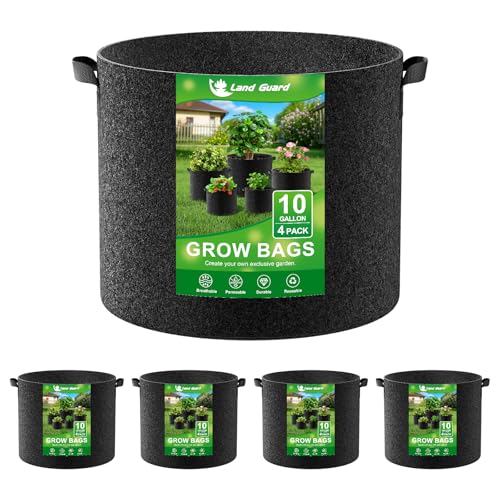
Land Guard 10-gallon bags provide more root room for plants that outgrow small containers. The thickened nonwoven material gives the bag a more substantial feel, and the handles help with short moves before the bag becomes too heavy. A 10-gallon container is well suited to tomatoes, potatoes, cucumbers, larger peppers, and many ornamental plants. It can also help plants stay steadier because the wider soil mass lowers the chance of tipping.
The four-pack is a good match for a gardener who wants a few large containers rather than a long row of small ones. I would place these bags on a level surface and leave enough space between them for airflow and plant care. Larger bags hold more moisture than 5-gallon bags, but their outer fabric can still dry quickly in hot wind. Mulch on top of the mix can help slow moisture loss.
Pros:
- 10-gallon capacity supports larger root systems
- Thick fabric feels durable for repeated use
- Handles make careful movement more manageable
- Wider base offers better stability for tall plants
- Four-pack suits a focused large-container garden
- Good drainage helps protect roots from excess water
Cons:
- Full bags are difficult for one person to move
- Needs more soil and fertilizer than smaller bags
- Requires more floor space on a patio or deck
My Recommendation
I recommend these Land Guard bags for growers who need the best fabric grow bags for larger plants but do not need ten containers. They are a strong option for a few tomato plants, patio potatoes, or bold flowers. The thick material and broad capacity suit long-season crops. Choose them when root space matters more than easy lifting or compact storage.
VIVOSUN 15-Gallon Grow Bags

The VIVOSUN 15-gallon grow bags are built for plants that need more soil and a larger root zone. This size can support big tomatoes, small fruiting plants, potatoes, shrubs, and other crops that feel crowded in a 5-gallon container. The fabric sides allow air movement while the larger volume gives roots more room to spread. I consider this a serious container size for gardeners who want strong plant growth without using permanent raised beds.
Five bags give you enough capacity for a focused crop plan. You could grow several tomatoes, separate plants by variety, or create a small patio food garden. The main challenge is weight. Once filled with moist soil, a 15-gallon bag is not a casual lift, so choose its final location before filling it.
Pros:
- Large 15-gallon capacity suits demanding plants
- Provides more root space than smaller bags
- Handles help with careful repositioning when empty
- Breathable sides support air-pruned roots
- Five-pack creates a productive large-container garden
- Useful for patios without permanent garden beds
Cons:
- Very heavy when full of wet growing mix
- Needs a large, stable placement area
- Uses more soil, water, and plant food
My Recommendation
These VIVOSUN bags are best for experienced gardeners who need the best fabric grow bags for large crops. They suit gardeners with a patio, greenhouse, or yard area that can support heavy containers. I would not choose them for someone who plans to move plants often. For large tomatoes, potatoes, and other root-hungry plants, however, the extra capacity can make the effort worthwhile.
What Makes the Best Fabric Grow Bags?
Fabric grow bags may look simple, but small design details affect daily use. I look at fabric weight, stitching, handles, drainage, shape, and size before choosing a set. A low price is helpful, but it does not matter much if the handles tear or the bag loses shape after one season. The best fabric grow bags balance plant health with practical care.
Fabric Quality
Most garden grow bags use breathable felt, nonwoven fabric, or a similar synthetic material. The fabric should allow air and water to pass while holding the growing mix in place. Very thin material may dry fast and may not hold a round shape. Thick material often lasts longer, but it can also weigh more and cost more.
I check the seams around the handles first. Handles receive the most stress when a gardener moves a full bag. Strong stitching matters more than a handle that simply looks wide. If possible, lift the bag from below as well as by the handles, especially after watering.
Size and Root Space
Size should match the plant, not only the available floor space. A 5-gallon bag works for herbs, greens, peppers, flowers, and compact crops. A 10-gallon bag gives tomatoes, potatoes, and larger plants more room. A 15-gallon bag suits big crops that need a deep, stable root zone.
A larger bag does not always mean a better harvest. More soil costs more and takes longer to warm. It also makes the container harder to move. I prefer small bags for flexible layouts and large bags for plants that will stay in one place all season.
Drainage and Air Flow
Drainage is one of the main reasons gardeners choose fabric over solid plastic. Water can leave through the bottom and, in many designs, through the side fabric as well. This helps reduce the risk of soil staying saturated. Still, no container can fix poor watering habits or dense soil.
Use a light mix made for containers. A blend with materials such as compost, coco coir, peat, bark, or perlite can hold water while leaving air spaces. Avoid filling fabric bags with heavy native soil alone. It may compact, drain slowly, and make the bag far too heavy.
Handles and Moving Ease
Handles are useful, but they do not make a full 15-gallon bag light. I treat handles as control points, not as an invitation to drag a wet container across rough ground. For large bags, I move them before filling whenever possible. For small bags, handles are more practical for turning plants toward the light.
Some gardeners place bags on plant caddies or wheeled platforms. That can help on patios, but the base must support the full bottom. A small platform under only the center may allow the sides to sag. Match the support to the bag size and weight.
Watering Fabric Grow Bags
Fabric bags often need more frequent watering than glazed ceramic pots. Their sides allow evaporation, especially in dry wind or full afternoon sun. Check the soil often during hot weather. Push a finger about an inch into the mix, or use a moisture meter if you prefer a quick reading.
Water slowly until some water drains from the bottom. This helps wet the full root zone instead of only the top layer. Do not let a tray stay full for long periods. Roots need oxygen, and constant standing water can lead to stress and root disease.
Fertilizer and Plant Food
Nutrients leave a container when water drains through it. That does not mean you should overfeed. Follow the label on your chosen fertilizer and adjust for the plant type. A slow-release product can simplify care, while liquid feed may help during heavy growth.
I watch the plant rather than adding food on a strict guess. Pale leaves, slow growth, or weak fruit set can have many causes. Light, water, temperature, pests, and root space all matter. Good fabric grow bags support the roots, but they cannot replace balanced care.
Placement and Sunlight
Choose the final location before filling a large bag. Most vegetables need at least six hours of direct sun, though leafy greens can tolerate less. Keep fabric bags away from sharp stones, rough concrete edges, and surfaces that can cut the base. A smooth board or patio mat can help protect the fabric.
Leave room to water and inspect each plant. Crowded bags may block airflow and make pests harder to spot. I like to leave a hand-width gap between medium bags and more room for plants that spread.
Cleaning and Reuse
At the end of the season, empty the bags and shake out loose roots. Brush away old soil, then rinse the fabric if needed. Let each bag dry fully before folding it. Store bags in a dry place away from direct sun and rodents.
Do not assume every bag will last forever. UV exposure, constant moisture, heavy roots, and rough handling can wear fabric down. A quality bag can last for several seasons with care, but inspect seams before each new planting.
Best Uses for Fabric Grow Bags
Fabric grow bags work well when a normal garden bed is not possible. Renters can grow food without digging into the yard. Apartment dwellers can use a sunny balcony. Homeowners can add more plants without building a raised bed.
They are also useful for crop rotation. You can move bags away from a plant disease area or place them under cover during heavy rain. Grow bags make it easier to control the soil mix, which helps when native soil is poor, compacted, or contaminated.
Potatoes are a popular choice because you can add soil as the stems grow. Herbs also do well in smaller bags, as long as you group plants with similar water needs. Tomatoes need sturdy support, such as a cage or stake, even when planted in a large container.
How I Compare Fabric Grow Bags
When I review the best fabric grow bags, I focus on the details that affect real garden work. I consider whether the size matches common crops, whether the handles seem practical, and whether the shape stays stable after filling. I also consider storage, watering needs, and how much space each set requires.
I do not judge a bag only by its product photo. A pretty container may still fail if the seams are weak or the material dries too fast for your climate. I also avoid promising that any bag will guarantee a bigger harvest. Plant results depend on light, soil, water, nutrients, variety, and care.
Reliable horticulture guidance supports the main benefits of fabric containers: good drainage, improved air movement, and the need for careful watering. University extension advice also stresses that container plants need suitable potting media and regular moisture checks. These points matter more than a long list of extra features.
Quick Comparison Table
| Best for | Why |
|---|---|
| Small patios and balconies | Five-gallon bags use less space and are easier to manage. |
| Large vegetables and root crops | Ten- and 15-gallon bags provide more soil and root room. |
| Full container gardens | Five- and ten-pack sets offer several matching bags at once. |
Tips for Better Results
Use the Right Soil Mix
Do not fill fabric bags with dense yard soil unless you improve it for containers. Heavy soil can compact and hold too much water. A quality container mix gives roots more air and makes the bag easier to move.
Leave a little space below the rim. This creates room for watering without washing soil over the sides. A thin mulch layer can reduce evaporation, but keep mulch away from the plant stem.
Water Based on Need
Watering needs change with sun, wind, temperature, plant size, and bag size. A newly planted 5-gallon bag may need less water than a mature tomato in the same bag. Check the mix before watering. If the top feels dry but the lower mix stays wet, improve drainage and avoid adding more water.
During a heat wave, inspect bags in the morning and late afternoon. A small bag can dry before the next day. Drip lines or a timer may help, but test the system first so it does not flood the containers.
Support Tall Plants
A fabric bag gives roots air, but it does not automatically support a tall stem. Add a cage, trellis, or stake early. Waiting until roots fill the bag can make it harder to install support without damage.
For tall plants, choose a heavier bag or place the bag where wind is blocked. You can also group several containers together, but do not crowd leaves so tightly that air cannot move.
Protect Against Heat
Black fabric can heat in direct summer sun. The root zone may become warmer than it would in a light-colored pot. In very hot areas, use morning sun with afternoon shade, place bags near a light wall, or use a light cover around the outside. Keep the cover loose so air can still move.
Do not place bags directly against a hot metal surface. A small gap or insulating mat can reduce heat transfer. Watch the plant for wilt, leaf curl, and dry mix, then adjust placement and watering.
Plan for Winter
Annual crops can be removed after harvest, but some perennials need special care. A small fabric bag may freeze more quickly than soil in the ground. Move hardy plants to a protected area if your climate has severe cold.
Empty annual bags before winter storage. Clean, dry fabric lasts longer than fabric put away with wet soil and roots inside. Label your bags by size if you own several types.
FAQs Of best fabric grow bags
Are fabric grow bags better than plastic pots?
Fabric grow bags offer better side airflow and easy drainage. Plastic pots may hold moisture longer and keep a firm shape. The better choice depends on your climate, plant, watering habits, and available space.
What size fabric grow bag should I buy?
Use 5 gallons for herbs, greens, peppers, flowers, and compact plants. Choose 10 gallons for many tomatoes, potatoes, and larger vegetables. Use 15 gallons when a plant needs more root room and the bag will stay in one place.
How often should I water fabric grow bags?
Check the soil instead of using a fixed schedule. Fabric bags can dry faster than solid pots, especially in hot wind. Water when the mix begins to dry, and water deeply until a little drains from the bottom.
Can fabric grow bags be reused?
Yes, many can be reused for several seasons. Empty old roots, rinse away loose soil, and let the bags dry fully. Store them in a cool, dry place and inspect the seams before planting again.
Do fabric grow bags need drainage holes?
Most breathable fabric bags already drain through the bottom and sides. Do not add random cuts unless the design truly lacks drainage. Extra holes can weaken the bag and allow soil to spill.
Final Verdict: Which Should You Buy?
For most gardeners, the Gardzen 5-gallon 10-pack is the best fabric grow bags choice because it balances size, handles, value, and flexibility. Choose a 10- or 15-gallon VIVOSUN or Land Guard set for larger crops.
Pick a size that matches your plants and your watering routine. With good mix, sun, and care, fabric grow bags make container gardening simple and productive.
