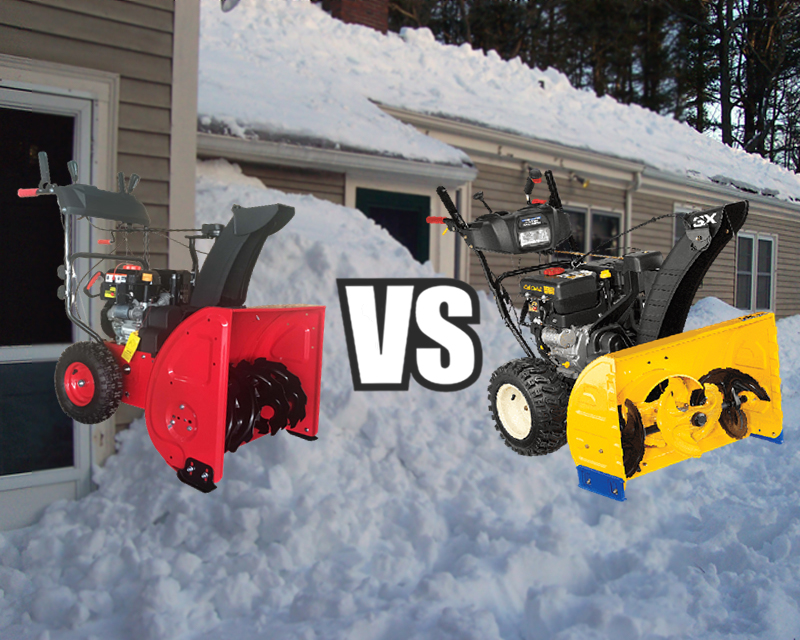
Snow blowers work by using a rotating auger to collect snow and an impeller or discharge system to throw the snow away from the cleared path. Different models use one, two, or three stages to move snow depending on the machine design and the amount of snow being handled.
In many parts of the United States, winter storms can leave driveways, sidewalks, and walkways covered with several inches of snow that are difficult to clear with a shovel alone. A snow blower, also called a snow thrower, uses mechanical parts powered by electricity, batteries, or gasoline to collect, break apart, and move snow more efficiently.
Understanding how snow blowers work helps homeowners choose the right machine, operate it safely, and maintain it properly. The basic process is simple: the machine pulls snow into its housing, moves it through internal components, and directs it through a chute away from the cleared area.
Snow blower designs vary significantly. A lightweight single-stage snow blower may handle small amounts of fresh snow on paved surfaces, while larger two-stage and three-stage machines are designed for deeper snow, heavier conditions, and larger areas.
A snow blower works by collecting snow through an intake opening, moving it through a rotating mechanism, and ejecting it through a discharge chute. The machine converts engine or motor power into mechanical movement that pushes snow away from driveways, sidewalks, and other surfaces.
When the operator moves the snow blower forward, the auger rotates and gathers snow into the machine. In models with an impeller, the impeller then accelerates the snow and throws it through the chute in a controlled direction.
Source: www.youtube.com > Kris The Specialist
Snow collection
The auger pulls snow into the housing and helps break apart compacted snow or ice depending on the machine design.
Snow movement
Internal components transport the snow from the intake area toward the discharge system.
Snow discharge
The chute directs the snow away from the cleared path, allowing the operator to control where the snow lands.
The Role of the Auger and Impeller
The auger is the front rotating component that breaks up and gathers snow. It acts like a large screw, moving snow toward the center of the machine. In many two-stage snow blowers, the impeller is a separate fan-like component that throws snow through the discharge chute.
The combination of auger and impeller allows larger machines to move greater volumes of snow compared with simpler designs.
Auger function
Collects snow and feeds it into the machine.
Impeller function
Creates the force needed to discharge snow farther away.
Types of Snow Blowers and How Their Systems Differ
Snow blowers are commonly divided into single-stage, two-stage, and three-stage categories. The difference is the number and arrangement of mechanical steps used to collect and move snow.
The right type depends on the conditions you expect to face, including snow depth, snow texture, driveway size, and whether the surface is paved or gravel.
Source: backyardstyle.com
Single-stage snow blowers
These machines use one rotating auger to collect and throw snow. They are generally suited for lighter snowfall and smaller paved areas.
Two-stage snow blowers
These models use an auger to collect snow and an impeller to throw it. They typically handle deeper snow and larger areas more effectively.
Three-stage snow blowers
These machines add an accelerator component to help move heavy or compacted snow through the system faster.
Single Stage vs Two Stage Snow Blower Operation
A single-stage snow blower completes collection and throwing in one main action, making it lighter and easier to maneuver. However, it may struggle with very deep or wet snow.
A two-stage snow blower separates the collection and throwing processes. This design allows it to handle larger snow volumes and often makes it more suitable for long driveways or areas with frequent heavy snowfall.
Best for lighter snow
Single-stage machines are commonly used for smaller residential areas with moderate snowfall.
Best for heavier snow
Two-stage machines are better suited for deeper snow and larger properties.
What Powers a Snow Blower?
Snow blowers can be powered by gasoline engines, electric cords, or rechargeable batteries. Each power source affects operating time, maintenance needs, and suitability for different snow conditions.
Gas-powered snow blowers are often selected for larger areas because they can provide longer operating periods without a power cord. Electric and battery-powered models are popular for smaller properties because they usually require less maintenance.
Source: greenwashingindex.com
Gas-powered models
Use fuel engines and are commonly used for larger driveways or heavier snow conditions.
Corded electric models
Use household electricity but require access to an outdoor power source and careful cord management.
Battery-powered models
Use rechargeable batteries and provide cordless operation for suitable residential tasks.
How Electric Snow Blowers Work
Electric snow blowers use an electric motor to rotate the auger and other moving components. They are generally quieter and require less engine maintenance than gasoline models.
Their performance depends on motor power, battery capacity if cordless, and the depth and condition of the snow being removed.
Lower maintenance
Electric models usually avoid fuel-related maintenance tasks such as gasoline storage and engine servicing.
How to Use a Snow Blower Correctly
Using a snow blower correctly improves snow removal results and reduces the risk of damage or injury. Before starting, inspect the area and remove objects that could become dangerous projectiles.
Always follow the operating instructions for your specific model because controls, safety features, and maintenance requirements differ between manufacturers.
Source: ultraoutdoors.com
Prepare the area
Remove rocks, hoses, toys, and other objects from the clearing path before operation.
Adjust the chute
Set the discharge direction before moving through the snow.
Move steadily
Allow the machine to work at its designed speed instead of forcing it through snow.
Stop safely
Turn off the machine before clearing blockages or performing adjustments.
Signs Your Snow Blower Is Working Properly
A properly functioning snow blower should collect snow consistently, discharge it through the chute without repeated clogging, and operate without unusual noises or vibrations.
Consistent snow discharge
Snow exits the chute smoothly instead of falling directly in front of the machine.
Normal operation sounds
The machine runs without grinding, severe vibration, or sudden power loss.
Snow blower problems are often caused by incorrect operation, poor maintenance, or conditions that exceed the machine’s capacity. Checking the simplest and safest causes first can prevent unnecessary repairs.
Source: backyardstyle.com
Snow blower will not start
Check fuel quality, battery charge, power connection, switches, and manufacturer-recommended starting procedures.
Snow is not throwing far
A clogged chute, worn components, wet snow, or operating conditions beyond the machine’s capacity may reduce discharge distance.
Snow blower keeps clogging
Heavy wet snow can stick inside the chute. Turn off the machine completely before removing any blockage.
Snow Blower Safety Boundaries
Never place hands inside the auger or chute area while the machine is running. Moving parts can continue rotating even after power is removed, depending on the model.
Wear appropriate winter clothing, eye protection, and hearing protection when recommended by the manufacturer.
Avoid hand clearing
Use the recommended clearing tool after shutting down the machine instead of using hands.
Frequently Asked Questions
Q
Do snow blowers actually blow snow?
Yes. Snow blowers do not create air pressure like a traditional blower. They use rotating components to move and throw snow through a discharge chute.
Q
Can a snow blower remove wet snow?
Many snow blowers can handle wet snow, but performance depends on the machine type, snow depth, and moisture level. Heavy wet snow may require slower operation or a more powerful model.
Q
What is the difference between a snow blower and a snow thrower?
The terms are often used interchangeably. In general consumer use, both refer to machines designed to collect and discharge snow.
Q
How often should a snow blower be maintained?
Maintenance frequency depends on the model and usage. Common tasks include checking moving parts, inspecting belts or components, cleaning the machine, and following the manufacturer’s service schedule.
Q
Why does my snow blower clog frequently?
Frequent clogging can happen when removing wet snow, moving too quickly, using a machine that is too small for the conditions, or failing to keep the discharge area clear.
✦ Wrapping Up
Conclusion
Snow blowers work by combining mechanical collection and discharge systems to move snow more efficiently than manual shoveling. Understanding how the auger, impeller, chute, and power system work together makes it easier to choose and operate the right machine.
The best snow blower for a property depends on snowfall conditions, surface type, and the amount of snow that needs to be removed. Safe operation, regular maintenance, and realistic expectations help ensure reliable winter performance.
💡 Key Takeaway
Before using a snow blower, identify your typical snow conditions, choose a machine designed for those conditions, and always follow safe operating procedures.
Learn how to sharpen lawn tractor blades safely and correctly. This guide explains tools, removal steps, sharpening methods, blade balance checks, mistakes to avoid, and maintenance tips for better mowing results.
You’re ready to mow on a sunny Saturday morning. The grass has grown wild, the air smells fresh, and the hum of the John Deere lawn mower should be your weekend soundtrack. But suddenly—you can’t find the key. You check your pockets, your garage shelf, and even under the mower seat, but it’s gone. That…
When you’re ready to mow your lawn and the pull cord suddenly snaps, the frustration is real. A broken or frayed lawn mower replacement string can turn a simple job into a tedious repair session. It’s one of those small parts that often goes unnoticed—until it fails. Over time, exposure to heat, UV rays, and…