
How Much Does A Lawn Mower Cost: 2026 Price Guide
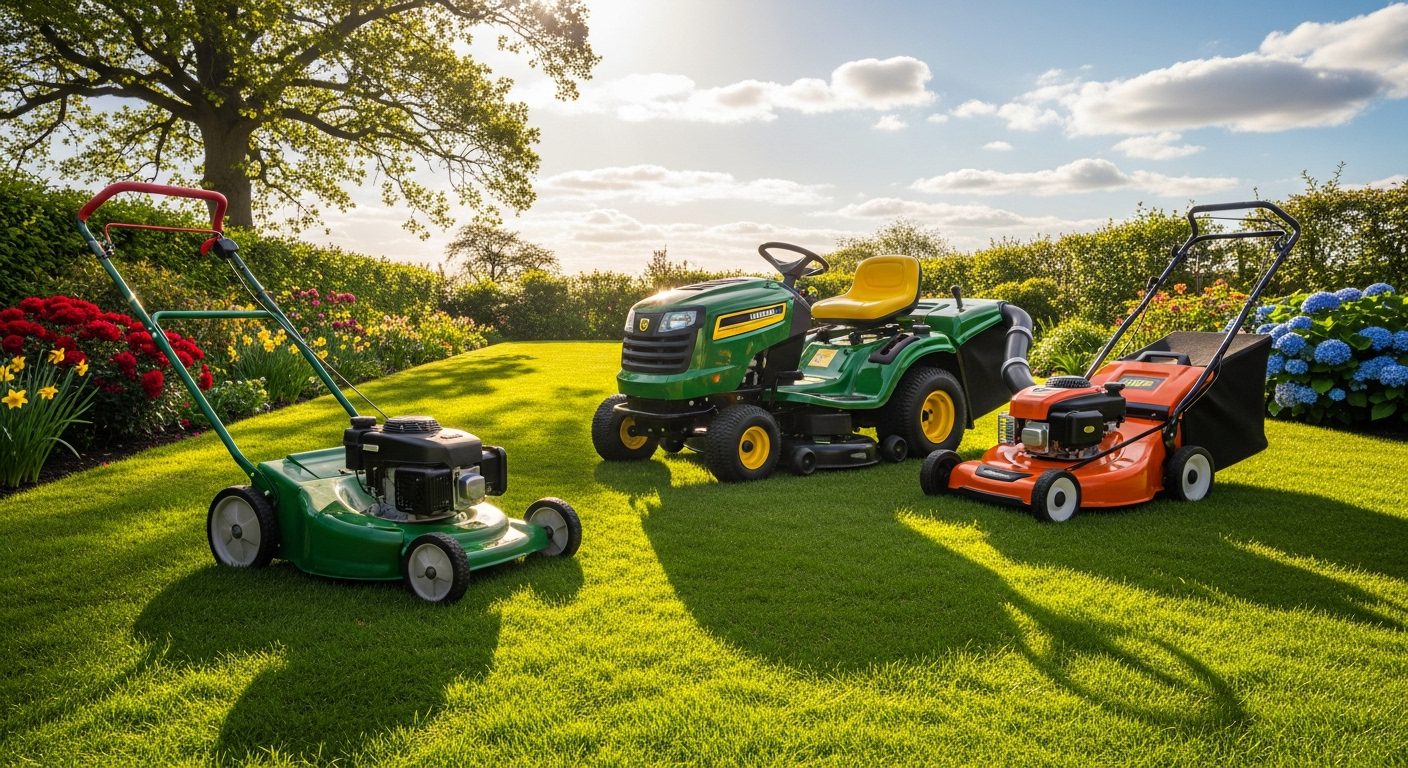
In the United States, a new lawn mower usually costs $150 to $5,000 or more, depending on its type, power source, cutting width, and features. Most homeowners spend about $250 to $700 on a walk-behind mower. A riding mower often costs $1,800 to $5,000, while a zero-turn mower may cost $3,000 to more than $15,000.
The purchase price is only part of the budget. Fuel, batteries, blades, oil, storage, repairs, and delivery can add to the long-term cost. The right mower depends mainly on your lawn size, slope, grass type, storage space, and how much physical work you want to do.
Price ranges in this guide are typical U.S. planning estimates. Retail prices, sales, regional availability, and model features can change.

Lawn mower cost by type
The mower type has the greatest effect on price. A basic push mower may cost less than $200, while a commercial zero-turn mower can cost many thousands of dollars.
| Lawn mower type | Typical new price in the U.S. | Best suited for |
|---|---|---|
| Reel mower | $70–$250 | Very small, flat lawns |
| Corded electric mower | $120–$300 | Small yards near an outdoor outlet |
| Gas push mower | $200–$500 | Small to medium lawns |
| Battery walk-behind mower | $250–$800 | Small to medium lawns |
| Self-propelled mower | $350–$900 | Sloped or medium-sized lawns |
| Robotic mower | $800–$3,500+ | Yards that need automated mowing |
| Lawn tractor | $1,800–$4,500 | Large, open lawns |
| Rear-engine riding mower | $2,000–$4,000 | Medium to large lawns |
| Residential zero-turn mower | $3,000–$8,000 | Large lawns with many turns |
| Commercial zero-turn mower | $8,000–$15,000+ | Frequent or professional mowing |
A reel mower uses a spinning cylinder of blades and does not need gas or a battery. It has a low purchase price but works best on short, regularly mowed grass and level ground.
A walk-behind mower is the most common choice for U.S. homeowners. Push models cost less because the user supplies the force. Self-propelled models cost more because the mower drives its wheels.
A riding mower reduces walking and is often practical for lawns larger than about one-half acre. A zero-turn mower can cut faster around trees and beds, but it usually costs more and may be harder to control on slopes.

How much does a push mower cost?
A basic gas or electric push mower generally costs $150 to $500. Simple models have a smaller cutting deck and fewer adjustment options. Higher-priced models may include a wider deck, stronger motor, better grass collection, or a more durable deck.
Gas push mowers often cost about $200 to $500. They can run for as long as you have fuel, which makes them useful for larger yards. They also need oil changes, fuel storage, spark plug service, air filter care, and winter preparation.
Corded electric mowers commonly cost $120 to $300. They can be quiet and inexpensive to operate, but the cord limits movement. The cord must also stay clear of the blade, landscaping, water, and foot traffic.
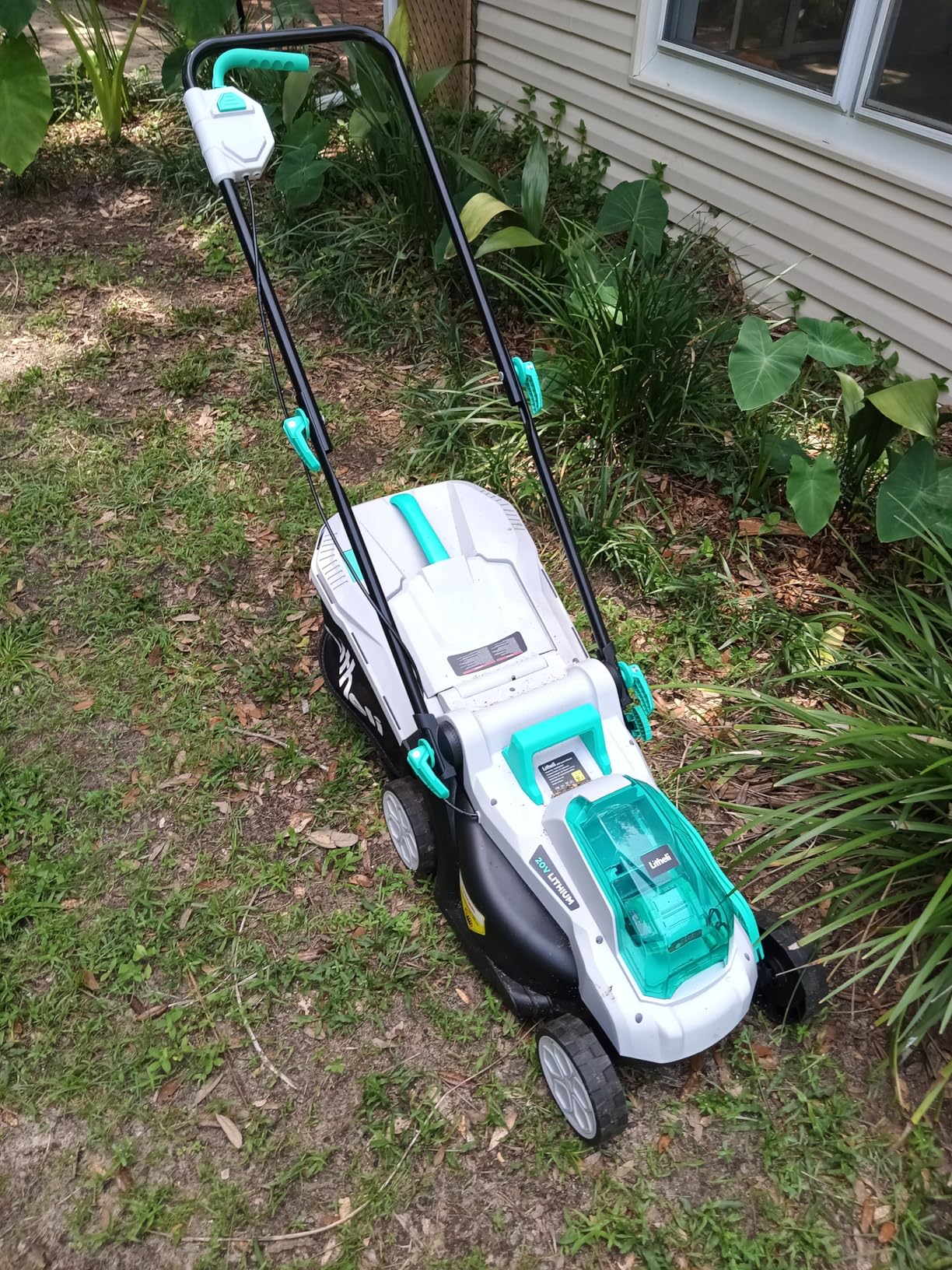
Battery mowers often cost $250 to $800, including or excluding the battery and charger. Check the package carefully. Some advertised prices cover the mower body only. A second battery may add $100 to $300 or more.
Self-propelled walk-behind mowers usually cost $350 to $900. They can help on hills and larger yards, but the drive system adds weight, maintenance needs, and repair costs. Self-propelled does not mean self-steering; you still control the mower and must walk behind it.
What affects the price of a walk-behind mower?
The most common price factors are:
- Cutting width: A wider deck can reduce mowing time but may cost more.
- Power source: Gas, corded electric, and battery systems have different purchase and operating costs.
- Drive system: Push models cost less than self-propelled models.
- Battery platform: A battery may work with other tools from the same brand.
- Deck material: Steel decks may be heavier and durable; plastic or composite decks may resist rust.
- Grass handling: Mulching, side discharge, and bagging systems can affect price.
- Height adjustment: A single-point adjustment is often faster than adjusting each wheel.
- Warranty and service: Local repair support can matter more than a small price difference.
For a flat lawn under about one-quarter acre, a basic push mower is often enough. A self-propelled model may be worth the extra cost when the yard is sloped, the grass is thick, or the operator has difficulty pushing.

How much does a riding lawn mower cost?
A new riding lawn mower usually costs $1,800 to $5,000 for residential use. Some compact rear-engine models cost less, while larger lawn tractors with stronger transmissions and wider decks cost more.
A riding mower may be called a lawn tractor, garden tractor, or rear-engine rider. These terms are not always used consistently, so compare the specifications instead of relying on the label.
Lawn tractor cost
A lawn tractor generally costs $2,000 to $4,500. It typically has a front-mounted engine and a mid-mounted cutting deck. Many models can use attachments such as carts, spreaders, snow blades, or baggers.
A lawn tractor is a practical fit for a large, mostly open lawn. It may not be the best choice for tight spaces because its turning radius is often larger than that of a zero-turn mower.
Zero-turn mower cost
Residential zero-turn mowers commonly cost $3,000 to $8,000. Premium and commercial models may cost $8,000 to $15,000 or more.
Zero-turn mowers use two drive levers or lap bars. This design lets the mower turn within a small space and move around trees, beds, and lawn edges quickly. It also requires practice, especially near slopes, ponds, retaining walls, and other hazards.
A zero-turn mower is not automatically the best choice for every large yard. Many zero-turn models have limits on slope use. Read the owner’s manual and follow the manufacturer’s slope guidance before buying or operating one.
Additional riding mower costs
The mower price may not include:
- Delivery or assembly
- A grass bagger
- Mulching blades
- A tow-behind cart
- A snow blade or snowblower
- A protective cover
- A maintenance kit
- A trailer or loading ramp
- Fuel and stabilizer
- Replacement belts and blades
A bagger can add several hundred dollars. A set of replacement blades may cost $30 to $100 or more, depending on the mower. Riding mower batteries also need replacement, often after several years, although service life depends on use, climate, storage, and maintenance.
How much does an electric lawn mower cost?
Electric lawn mowers cost about $120 to $800 for walk-behind models. The main difference is whether the mower plugs into an outlet or uses a rechargeable battery.
Corded electric mower costs
A corded mower usually has the lowest operating cost after a reel mower. It does not need gasoline, engine oil, or spark plugs. However, you need a suitable outdoor extension cord, and the usable mowing area depends on outlet access.
Never use a damaged cord. Keep the cord behind you and away from the blade. Disconnect power before clearing a blockage, inspecting the mower, or performing maintenance.
Battery mower costs
Battery mower prices depend heavily on battery capacity. A mower with a small battery may be adequate for a small yard, while a larger lawn may require a higher-capacity battery or a spare.
When comparing battery mower prices, check these details:
- Is the battery included?
- Is the charger included?
- What mowing area does the manufacturer estimate?
- Does the battery work with other tools you already own?
- How long does a replacement battery cost?
- Can the battery be stored safely in your climate?
- Is a second battery required for your lawn?
A battery mower can be cheaper to operate than a gas mower because it uses no gasoline or engine oil. That does not make it maintenance-free. You still need to clean the deck, sharpen or replace blades, inspect wheels, and follow battery storage instructions.
Extreme heat and cold can affect battery storage and performance. Use the battery and charger only as directed by the manufacturer.

What does it cost to maintain a lawn mower?
Routine maintenance can cost $30 to $200 per year for many walk-behind mowers. Riding mower owners may spend $100 to $500 or more per year, depending on use and whether they perform the work themselves.
Typical maintenance costs include:
| Maintenance item | Common planning cost |
|---|---|
| Blade sharpening | $10–$25 |
| Replacement walk-behind blade | $15–$50 |
| Replacement riding mower blades | $30–$100+ |
| Gas mower oil and filter service | $15–$60 DIY |
| Spark plug | $5–$15 |
| Air filter | $10–$30 |
| Fuel stabilizer | $8–$20 |
| Walk-behind repair shop service | $50–$200+ |
| Riding mower service | $100–$500+ |
| Replacement battery | $50–$300+ |
These are broad estimates, not fixed rates. Local labor prices and mower models vary.
Gas mowers require more engine maintenance than electric mowers. Fuel left in the system can cause starting problems, especially when the mower sits for long periods. Follow the manual for fuel, oil, storage, and service intervals.
For every mower type, inspect the blade and deck regularly. A dull or damaged blade can reduce cut quality and place extra load on the mower. Always stop the engine, remove the spark plug connection when required by the manual, disconnect electric power, or remove the battery before working near the blade.

How much does it cost to mow a lawn with a mower?
The cost per mowing depends on fuel, electricity, labor, maintenance, and the mower’s purchase price. A simple comparison can help you estimate the total cost.
Example gas mower calculation
This is a hypothetical example:
- Fuel used per mowing: 0.2 gallon
- Gas price: $3.50 per gallon
- Fuel cost per mowing: $0.70
- Mowing frequency: 25 times per season
- Seasonal fuel cost: $17.50
The example excludes oil, repairs, blade sharpening, and the mower’s purchase price. A larger lawn or heavy grass may use more fuel.
Example battery mower calculation
A battery mower may use electricity that costs only a few cents per charge, depending on battery size and local utility rates. The larger long-term expense may be battery replacement rather than electricity.
To estimate battery cost, use this formula:
Annual battery cost = replacement battery price ÷ expected service years
This is only a planning method. Battery life varies with charge cycles, storage, temperature, charging habits, and product design.
Include the mower’s useful life
A better ownership estimate is:
Total cost of ownership = purchase price + operating costs + maintenance − resale value
For example, a $400 mower that lasts eight years has a basic purchase cost of $50 per year before maintenance and energy costs. A $700 mower may have a lower annual cost if it lasts longer or needs fewer repairs, but that result is not guaranteed.
Do not compare only the sticker price. Compare the mower’s expected use, service access, replacement parts, and the cost of batteries or attachments.

Should you buy a cheap, used, or premium lawn mower?
A low-cost mower can be a good choice for a small, flat lawn that is mowed often. It may be a poor choice for tall, wet grass, steep slopes, or a large property where the motor and deck face heavier loads.
New budget mower
A budget mower may fit when:
- The lawn is small.
- The ground is fairly flat.
- You can perform basic maintenance.
- You do not need many attachments.
- A short warranty and simple design are acceptable.
Before buying, check that replacement blades and service parts are available. A very low price is less useful if a damaged wheel or belt makes the mower difficult to repair.
Used lawn mower
Used mowers can cost 30% to 70% less than comparable new models, but the discount depends on condition, age, brand, and local demand. This is a general buying range, not a guaranteed market value.
Inspect a used mower before paying:
- Ask for the model number and maintenance history.
- Check the deck for rust, cracks, and weld repairs.
- Look for oil leaks or fuel leaks.
- Start the mower when the engine is cold.
- Listen for knocking, grinding, or heavy smoke.
- Test the drive system on a self-propelled mower.
- Check that safety controls work.
- Inspect the blade, wheels, belt, and discharge chute.
- For battery models, ask about battery age and charging behavior.
- Confirm that replacement parts are still sold.
Do not bypass a safety switch or buy a mower with missing guards. A cheap mower that needs an engine, transmission, or battery can cost more than a basic new model.
Premium or commercial mower
A premium mower may offer a stronger deck, better suspension, more robust transmission, longer warranty, or easier access to parts. Those features matter most when the mower is used often, covers a large area, or must work in demanding conditions.
They do not guarantee a better result for every homeowner. For a small yard, extra power and commercial features may add cost without saving meaningful time.

How to choose the right lawn mower for your budget
Start with lawn size and terrain rather than the mower’s feature list.
| Lawn condition | Often suitable |
|---|---|
| Small, flat yard | Reel, corded electric, or basic push mower |
| Small to medium yard | Gas push or battery push mower |
| Sloped medium yard | Self-propelled mower |
| Large, open yard | Lawn tractor or riding mower |
| Large yard with many obstacles | Zero-turn mower, if slope limits allow |
| Yard with no nearby outlet | Gas or battery mower |
| Limited storage space | Compact walk-behind mower |
| Frequent mowing by several users | Durable model with easy controls and available parts |
Measure the actual mowing area if possible. A property size may include a driveway, house, patio, garden, and wooded area that do not need cutting.
Also consider:
- Where you will store the mower
- Whether you can lift or transport it
- How often you mow
- How much noise matters
- Whether local rules restrict gasoline storage
- Whether you need bagging or mulching
- Whether slopes create a safety risk
- Whether you can obtain repairs locally
For many U.S. homeowners, a $250 to $600 walk-behind mower offers a reasonable balance for a small or medium lawn. A $2,000 to $4,500 riding mower may make sense when walking time is the main problem and the lawn is large enough to justify it.

Common lawn mower buying mistakes
The most common mistake is buying by horsepower, battery voltage, or cutting width alone. Those numbers do not show whether the mower fits your yard or whether replacement parts are easy to find.
Other mistakes include:
- Forgetting that a battery mower may not include a battery
- Choosing a riding mower that cannot safely handle the yard’s slopes
- Buying a mower too wide for gates or storage doors
- Ignoring the cost of a bagger or second battery
- Storing gasoline incorrectly
- Failing to compare warranty terms
- Assuming a used mower has been maintained because it starts
- Waiting until the grass is tall and wet before mowing
- Using a mower with damaged guards, cords, or safety controls
- Working under a riding mower without proper support
Never put hands or feet near a moving blade. Turn the mower off and follow the owner’s manual before clearing grass. Keep children and pets away from the mowing area. Use hearing and eye protection when the manual or operating conditions call for it.
Do not mow slopes with equipment that the manufacturer does not approve for that use. Riding mowers can tip on slopes, especially when turned, driven across a slope, or used near drop-offs.
Frequently asked questions
Is $300 enough for a good lawn mower?
Yes, $300 can buy a basic gas push mower, a lower-cost battery mower, or a simple electric model in the United States. The best option depends on whether the battery and charger are included, how large the lawn is, and whether you need self-propulsion.
Is it cheaper to repair or replace a lawn mower?
Repair is often worthwhile when the problem involves a blade, belt, spark plug, filter, wheel, or carburetor service. Replacement may make more sense when the mower has severe deck rust, a failed transmission, a damaged engine, or an expensive battery near the end of its useful life. Compare the repair quote with the cost of a similar replacement.
How long should a lawn mower last?
A well-maintained walk-behind mower may last several years, while a heavily used commercial mower may need service much sooner despite having commercial parts. Storage, mowing frequency, grass conditions, maintenance, and repair quality have a major effect. Manufacturers’ warranties are not the same as a guaranteed service life.
Are electric lawn mowers cheaper than gas mowers?
Electric mowers can cost less to run because they do not use gasoline or engine oil. Battery replacement can be a major future expense. Gas mowers may have a lower initial cost in some categories and can run continuously with refueling, but they require more engine maintenance.
What size lawn needs a riding mower?
There is no single cutoff. Many homeowners begin considering a riding mower when a walk-behind mower takes too long or becomes tiring, often around one-half acre or more. Terrain, trees, slopes, gates, and storage space can matter more than acreage alone.
Do lawn mower prices drop at certain times?
U.S. retailers may discount seasonal outdoor equipment near the end of the mowing season or during major sales events. Selection may be better early in the season. Compare the final price, warranty, included battery, delivery, and assembly rather than focusing only on the advertised discount.
Final answer: what should you budget?
For most U.S. homeowners, plan on these amounts:
- $70–$250 for a reel mower
- $150–$500 for a basic walk-behind mower
- $350–$900 for a self-propelled mower
- $250–$800 for a battery walk-behind mower
- $1,800–$5,000 for a residential riding mower
- $3,000–$8,000 for a residential zero-turn mower
- $100–$500 per year for fuel, maintenance, repairs, and replacement parts, depending on mower type and use
The most sensible next step is to measure the lawn, note its slopes and obstacles, and set a total budget that includes required accessories and maintenance. Then compare models within the mower type that fits the property—not simply the lowest sticker price.


