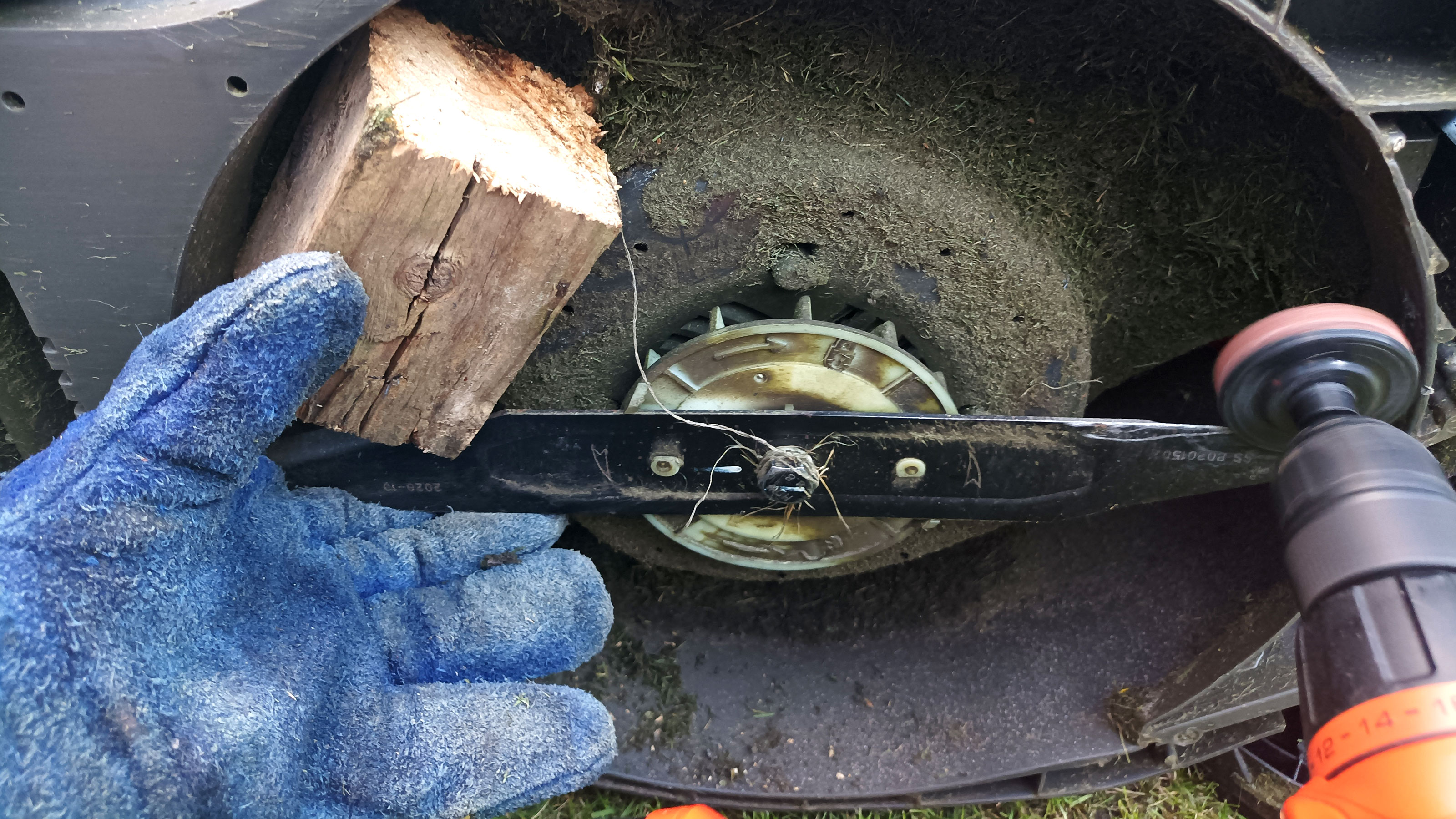
To sharpen lawn tractor blades, remove the blades safely, clean away debris, sharpen the cutting edge with a file or grinder while maintaining the original angle, balance the blade, and reinstall it correctly.
In the United States, lawn tractors are commonly used to maintain larger residential yards, especially in suburban areas where mowing several thousand square feet of grass is routine. A dull lawn tractor blade can leave uneven cuts, tear grass instead of slicing it cleanly, and make the mower work harder. Sharpening the blades regularly helps maintain a healthier-looking lawn and improves mowing performance.
Sharpening lawn tractor blades is a maintenance task many homeowners can complete with basic tools, but safety is essential because mower blades are heavy, sharp, and attached to powerful equipment. The process requires securing the tractor, removing the blades, restoring the cutting edge, checking balance, and reinstalling the blades according to the manufacturer’s specifications.
What You Need Before Sharpening Lawn Tractor Blades
Before starting, gather the correct tools and prepare a safe workspace. A lawn tractor blade sharpening job usually requires removing the cutting deck or accessing the blades underneath the tractor, depending on the tractor design.
The right tools make the process safer and help you maintain the blade’s original shape. Avoid using damaged tools or sharpening equipment that removes too much metal because this can weaken the blade.
Source: homebuilding.co.uk
Safety equipment
Wear work gloves and eye protection to protect against sharp edges and flying metal particles.
Basic tools
Common tools include a socket set or wrench for blade removal, a blade balancer, a file, angle grinder, or bench grinder for sharpening.
Cleaning supplies
Use a brush or scraper to remove packed grass, dirt, and rust before sharpening.
Check Blade Condition Before Sharpening
Inspect the lawn tractor blades before sharpening. Sharpening works well for blades that are dull but structurally sound. Blades with deep cracks, missing sections, major bends, or severe corrosion should be replaced because sharpening cannot restore their strength.
Sharpenable blade
A blade with a worn cutting edge but no structural damage can usually be restored.
Replace instead
A damaged blade may fail during operation and should not be reused.
How to Remove Lawn Tractor Blades Safely
Removing the blades correctly is the first step in sharpening lawn tractor blades. Always follow the tractor manufacturer’s instructions because deck designs and blade mounting systems vary between models.
Before working underneath the tractor, park it on a flat surface, turn off the engine, remove the key, and disconnect the spark plug wire or battery connection according to the equipment manual.
Source: eu.anthbot.com
Secure the tractor
Engage the parking brake and prevent accidental movement before accessing the mower deck.
Mark blade orientation
Mark the blade position before removal so it can be installed with the correct cutting direction.
Remove mounting hardware
Use the correct wrench or socket to loosen the blade bolt while supporting the blade.
Lawn tractor blades are designed with specific cutting edges and airflow characteristics. Installing a blade upside down can reduce cutting performance and may create unsafe operating conditions.
Correct installation
The sharpened edge should face the direction designed by the manufacturer.
How to Sharpen Lawn Tractor Blades Step by Step
The goal of sharpening is to restore the cutting edge while keeping the blade shape balanced. Most lawn tractor blades do not need a razor-sharp edge because a slightly durable edge lasts longer during mowing.
Use smooth, controlled passes and remove only enough metal to create a clean cutting surface.
Source: www.youtube.com > Chris Notap
Clean the blade
Remove grass buildup, dirt, and rust so the cutting edge is visible.
Match the existing angle
Follow the original bevel angle instead of changing the blade geometry.
Sharpen evenly
Apply similar pressure and the same number of passes on both ends when possible.
Avoid overheating
Excess heat from grinding can affect the metal properties of the blade.
Using a File or Grinder
A hand file provides more control and is suitable for minor sharpening. A grinder works faster but requires careful handling because it can remove metal quickly and create excessive heat.
File method
Best for light sharpening and controlled material removal.
Grinder method
Faster for heavily worn edges but requires more attention to angle and heat.
How to Balance and Reinstall Lawn Tractor Blades
After sharpening, balancing the blade helps prevent vibration and uneven wear. An unbalanced blade can put extra stress on mower components and reduce mowing comfort.
Use a blade balancer or a simple balancing method recommended by the equipment manufacturer before reinstalling the blade.
Source: storage.googleapis.com
Check balance
If one side drops lower than the other, remove small amounts of material from the heavier side.
Tighten correctly
Install the blade bolt according to the manufacturer’s torque specification.
Test operation
After installation, check for unusual vibration or noise before normal mowing.
Signs the Sharpening Job Worked
A properly sharpened lawn tractor blade should produce a cleaner cut with fewer torn grass tips. The tractor should operate smoothly without unusual vibration caused by blade imbalance.
Common Lawn Tractor Blade Sharpening Mistakes to Avoid
Many blade sharpening problems happen because homeowners remove too much metal, ignore blade balance, or reinstall blades incorrectly. Avoiding these mistakes improves both safety and mowing results.
Source: detroitchinatown.org
Sharpening without removing the blade
Working underneath a tractor without proper access can increase injury risk and make accurate sharpening difficult.
Creating a razor edge
An extremely thin edge may dull quickly or become damaged during normal mowing.
Ignoring blade damage
Sharpening cannot repair cracks, bends, or serious wear.
Skipping balance checks
An uneven blade can cause vibration and additional equipment stress.
When to Replace Lawn Tractor Blades Instead
Replacement is usually the safer option when a blade has structural damage or has lost too much material from repeated sharpening. A worn blade may no longer maintain its designed strength or cutting performance.
Replace damaged blades
Cracks, large chips, and severe bends are warning signs.
Frequently Asked Questions
Q
How often should I sharpen lawn tractor blades?
Many homeowners sharpen lawn tractor blades several times during the mowing season, but the correct schedule depends on mowing frequency, lawn size, and conditions. Frequent mowing on sandy or rough terrain may wear blades faster.
Q
Can I sharpen lawn tractor blades without removing them?
It is possible on some equipment, but removing the blade usually allows safer handling, better visibility, and more accurate sharpening. Always prioritize safety when working around mower decks.
Q
What angle should I sharpen lawn tractor blades?
The correct sharpening angle depends on the blade design. The safest approach is to maintain the existing factory bevel rather than creating a new angle.
Q
How do I know if my lawn tractor blades are dull?
Common signs include uneven grass height, torn grass tips, missed patches, and reduced cutting performance even when the tractor is operating normally.
Q
Should both lawn tractor blades be sharpened equally?
Yes. Removing similar amounts of material from matching blades helps maintain balance and consistent cutting performance.
✦ Wrapping Up
Conclusion
Sharpening lawn tractor blades is a practical maintenance task that can improve mowing quality when done correctly. The process involves safe removal, careful sharpening, blade balancing, and proper reinstallation.
The most important steps are maintaining the original blade shape, avoiding excessive grinding, and replacing blades that are damaged beyond normal sharpening.
💡 Key Takeaway
Inspect your lawn tractor blades before each mowing season, sharpen dull but healthy blades, and replace blades that show structural damage for safer and more effective mowing.
When your lawn mower is not engaging, it can feel like the start of a frustrating weekend. You pull the lever, flip the PTO switch, or squeeze the handle — but nothing happens. The blades stay still, and the drive refuses to move forward. Don’t worry, you’re not alone. Most of the time, this issue…
Learn how much gas a lawn mower uses per hour, per mowing session, and per season. Understand fuel consumption factors, calculations, and tips for saving gasoline.
Learn the correct type of gas for a Toro lawn mower, including recommended fuel grades, ethanol limits, fuel storage tips, and common mistakes to avoid.