The best lawn mower bad gas fix is to remove the old fuel, clean the fuel system if needed, refill the tank with fresh gasoline, and restart the engine using proper starting steps.
Across the United States, homeowners often discover bad gasoline in their lawn mower after winter storage, long periods between mowing seasons, or leaving fuel untreated in the tank. Old fuel can lose volatility, form deposits, and prevent a small engine from starting or running smoothly.
Fixing bad gas in a lawn mower usually does not require replacing the entire machine. In most cases, draining contaminated fuel, inspecting the fuel system, and using fresh gasoline restores normal operation. However, severely degraded fuel may require additional cleaning of the carburetor or fuel components.
Bad gas develops when gasoline changes chemically during storage or becomes contaminated. Lawn mower fuel tanks are often exposed to temperature changes, moisture, and long storage periods, which can accelerate fuel deterioration.
Gasoline in a mower may become less effective after several weeks or months depending on storage conditions, fuel quality, and whether stabilizer was used. As fuel ages, some components evaporate while heavier compounds can create sticky deposits that interfere with fuel delivery.
Source: www.youtube.com > FIX Tech Guides
Long-term storage
Fuel left inside a mower during the off-season can degrade and create starting problems when mowing begins again.
Moisture contamination
Water entering the fuel system can prevent proper combustion and may lead to corrosion of metal components.
Fuel oxidation
Exposure to oxygen can cause gasoline to form gums and varnish-like deposits inside fuel passages.
Signs Your Lawn Mower Has Bad Gas
A lawn mower with bad gas often shows noticeable performance issues. These symptoms can overlap with other mechanical problems, so fuel quality should be checked along with other possible causes.
Engine will not start
Old or contaminated gasoline may prevent the engine from receiving fuel that burns properly.
Engine starts and then dies
Restricted fuel flow from degraded gasoline deposits can cause the mower to stall.
Uneven engine performance
A mower may sputter, run roughly, or lose power when fuel quality is poor.
How to Fix Bad Gas in a Lawn Mower Step by Step
The correct lawn mower bad gas fix starts with removing the contaminated fuel and replacing it with clean gasoline. Work in a well-ventilated area and avoid flames or sparks because gasoline vapors are highly flammable.
Before beginning, gather a fuel-safe container, protective gloves, and any tools required by your mower model. Always follow the owner’s manual for fuel system access points because designs vary between manufacturers.
Source: hitchesguide.com
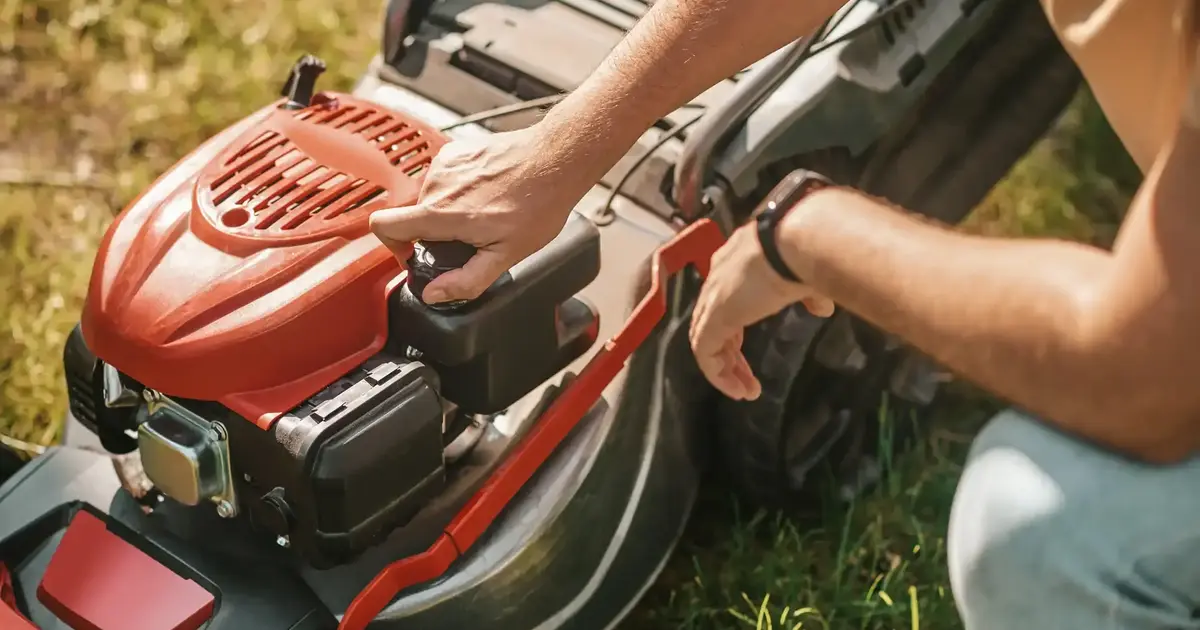
Step 1: Disconnect the spark plug
Disconnecting the spark plug wire helps prevent accidental engine starting while you work on the fuel system.
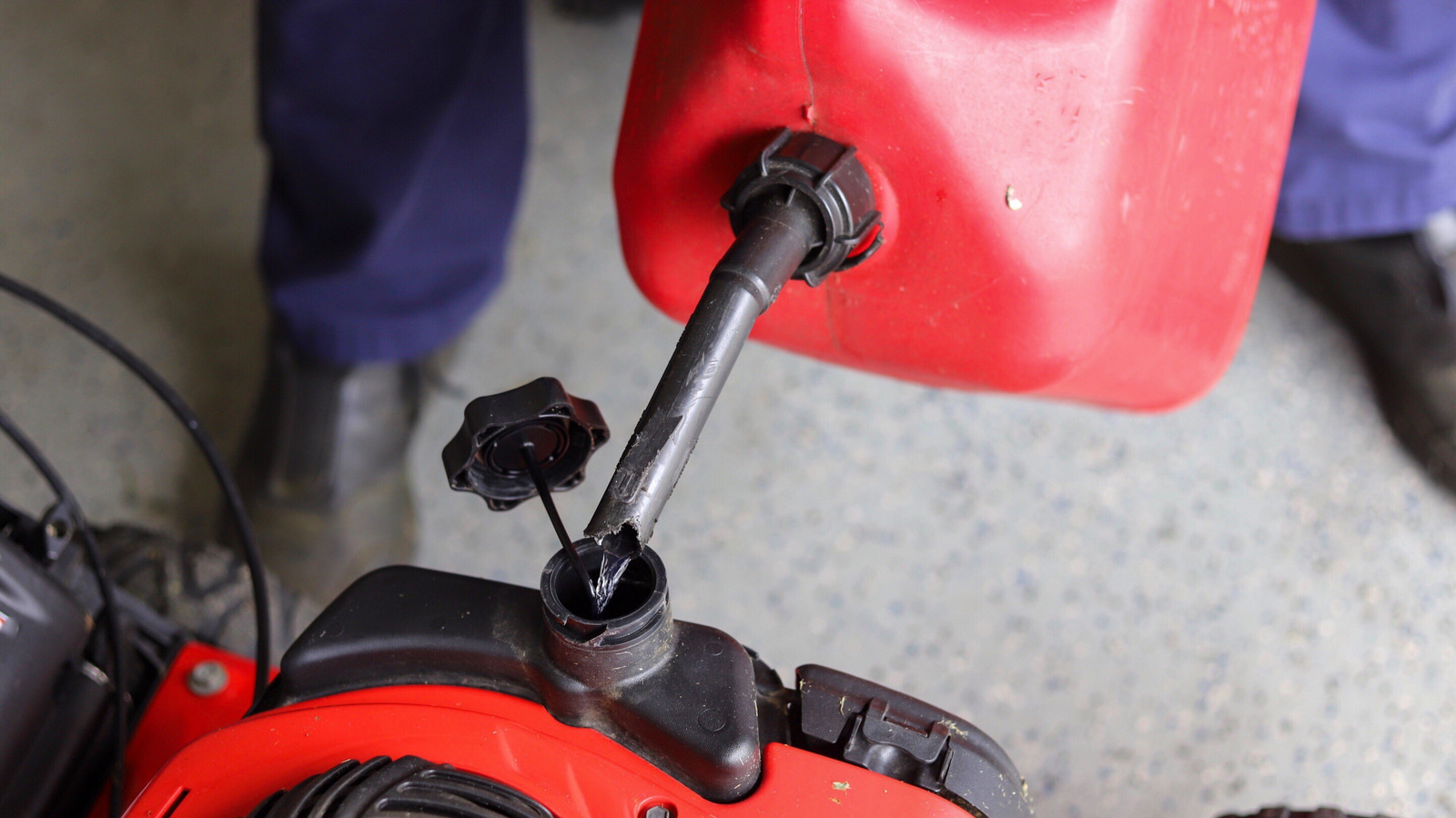
Step 2: Remove old gasoline
Drain the fuel tank into an approved container using the method recommended for your mower model.
Step 3: Inspect the fuel system
Check fuel lines, the tank, and the carburetor area for visible dirt, water, or residue.
Step 4: Add fresh gasoline
Refill the mower with fresh gasoline that matches the fuel requirements listed in the owner’s manual.
Step 5: Restart the mower
Reconnect the spark plug and attempt to start the engine using normal starting procedures.
If the mower still will not start after replacing bad gas, the fuel may have already affected other engine components. A clogged carburetor, dirty spark plug, restricted fuel line, or air filter issue may need attention.
Clean the carburetor
A carburetor with old fuel deposits may need cleaning to restore proper fuel flow.
Check the spark plug
A worn or fouled spark plug can prevent ignition even when fresh fuel is available.
How to Tell If Lawn Mower Gas Is Bad
You can often identify bad gasoline by checking its age, appearance, and smell. Fresh gasoline usually has a strong but clean fuel odor, while degraded fuel may smell sour or stale.
Gasoline that looks darker than normal, contains visible particles, or has separated layers may indicate contamination. When fuel quality is uncertain, replacing it is usually safer than attempting to run the mower with questionable gasoline.
Source: hitchesguide.com
Fuel age
Gasoline stored for an extended period without treatment is more likely to cause engine problems.
Appearance changes
Darkened fuel or visible debris can indicate deterioration or contamination.
Unusual smell
A stale or varnish-like odor may indicate that gasoline has degraded.
Common Mistakes When Fixing Bad Gas in a Lawn Mower
Many lawn mower fuel problems continue because old gasoline is only partially removed or because another damaged component is overlooked. Proper troubleshooting prevents unnecessary repairs.
Source: homelivinghandbook.com
Adding new gas on top of old gas
Mixing fresh gasoline with a large amount of degraded fuel may not solve the underlying problem.
Using unsafe fuel containers
Gasoline should only be stored and transported in approved fuel containers.
Ignoring storage preparation
Leaving untreated fuel in a mower between seasons increases the chance of future starting problems.
If the mower remains difficult to start after fuel replacement and basic checks, professional small-engine service may be needed. This is especially true if the carburetor requires removal or if fuel has caused internal buildup.
Persistent stalling
Continued stalling after fresh fuel may indicate a deeper fuel or ignition issue.
Fuel leaks
Visible gasoline leaks should be addressed before operating the mower again.
How to Prevent Bad Gas Problems in the Future
Preventing bad gasoline is easier than repairing fuel-related engine problems. Proper fuel storage habits can help keep a lawn mower ready for the next mowing season.
Source: mowerliving.com
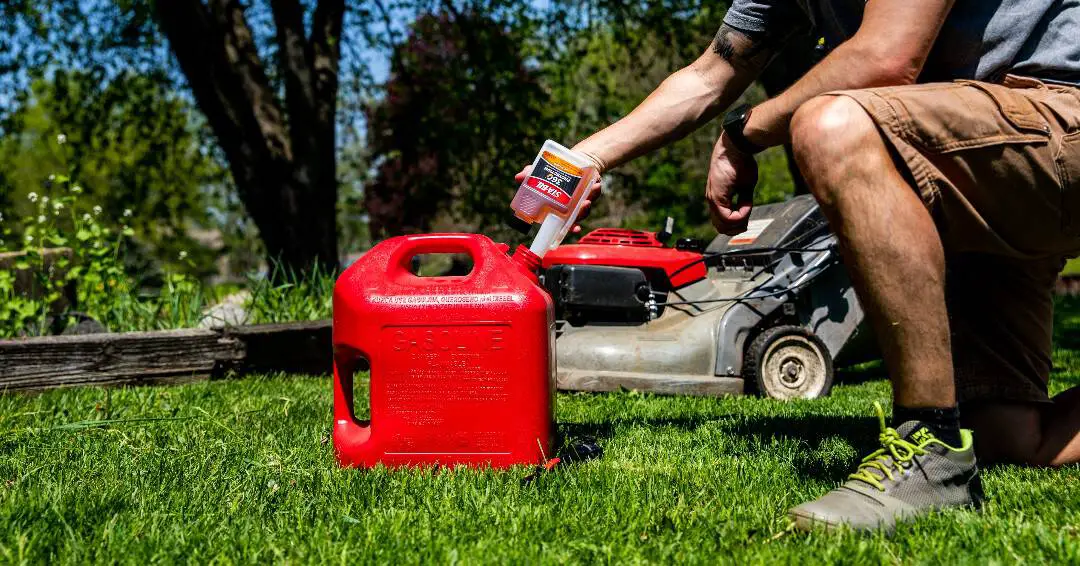
Use fresh fuel
Purchase gasoline in quantities that match your expected mowing needs.
Store fuel correctly
Keep gasoline in an approved container away from heat sources and moisture.
Prepare the mower for storage
Follow the manufacturer’s storage recommendations before long periods of inactivity.
Frequently Asked Questions
Q
Can bad gas damage a lawn mower engine?
Bad gasoline can contribute to fuel system problems by creating deposits and restricting fuel flow. Severe contamination may require cleaning additional engine components.
Q
How long does gasoline last in a lawn mower?
Gasoline storage life depends on fuel quality, storage conditions, and whether stabilizer is used. Fuel that has been stored for a long period may become less suitable for reliable engine operation.
Q
Can I fix bad gas in a lawn mower without draining the tank?
If only a small amount of old fuel is present, adding fresh fuel may sometimes improve performance, but draining significantly degraded gasoline is the more reliable approach.
Q
Why does my lawn mower still not start after replacing bad gas?
The problem may involve the carburetor, spark plug, air filter, fuel line, or another engine component. Fresh fuel only solves the issue if bad gasoline was the primary cause.
Q
What should I do with old gasoline removed from my lawn mower?
Dispose of old gasoline according to local hazardous waste rules. Do not pour fuel onto soil, drains, or waterways.
✦ Wrapping Up
Conclusion
A lawn mower bad gas fix usually begins with removing old fuel and replacing it with fresh gasoline. Checking related fuel and ignition components helps identify problems that remain after the fuel change.
Regular fuel management, proper storage, and seasonal maintenance can reduce the chance of future starting problems and keep a gas-powered lawn mower operating reliably.
💡 Key Takeaway
If your mower has symptoms of bad gas, start by safely draining the old fuel, adding fresh gasoline, and checking whether normal engine operation returns before moving to more complex repairs.
When your lawn mower deck is not engaging, it’s like planning a perfect weekend mow only to find your blades refusing to spin. The engine hums, the wheels move, but the grass stays untouched. Frustrating, right? You’re not alone—this is one of the most common issues lawn owners face every mowing season. Whether you use…
If your Toro Recycler electric lawn mower suddenly refuses to start or keeps cutting out mid-job, you’re not alone. Many homeowners run into this problem every mowing season. You walk out, ready to tackle that jungle of a yard, press the start button—and nothing happens. The silence can be infuriating. But before you think it’s…
Keeping a lawn mower in good shape is a lot like taking care of a car. When the parts wear out, the entire system struggles. Many homeowners notice their mower losing power, cutting unevenly, or becoming harder to control, but they brush it off until the machine finally breaks down at the worst moment. That’s…
When your lawn mower starts leaving behind ragged edges, uncut patches, or uneven streaks, it’s not always your mowing technique that’s to blame. In most cases, the culprit is a dull or damaged blade. For anyone using a Briggs & Stratton mower, replacing your blade is one of the simplest yet most powerful upgrades you…