
Lawn Mower Won’t Stay Running Unless Choke On: Easy Fixes
A lawn mower that only runs with the choke on usually has a fuel shortage, clogged carburetor, or unwanted air leak.
A lawn mower won’t stay running unless choke on because the engine is likely getting too much air or too little fuel. The choke limits airflow and adds fuel to the mixture, so it can temporarily hide a problem in the carburetor or fuel system.
This guide explains the most likely causes, safe tests, repair steps, and warning signs that point to a bigger engine issue. With a simple process, you can often find the fault without replacing good parts or paying for a full service visit.
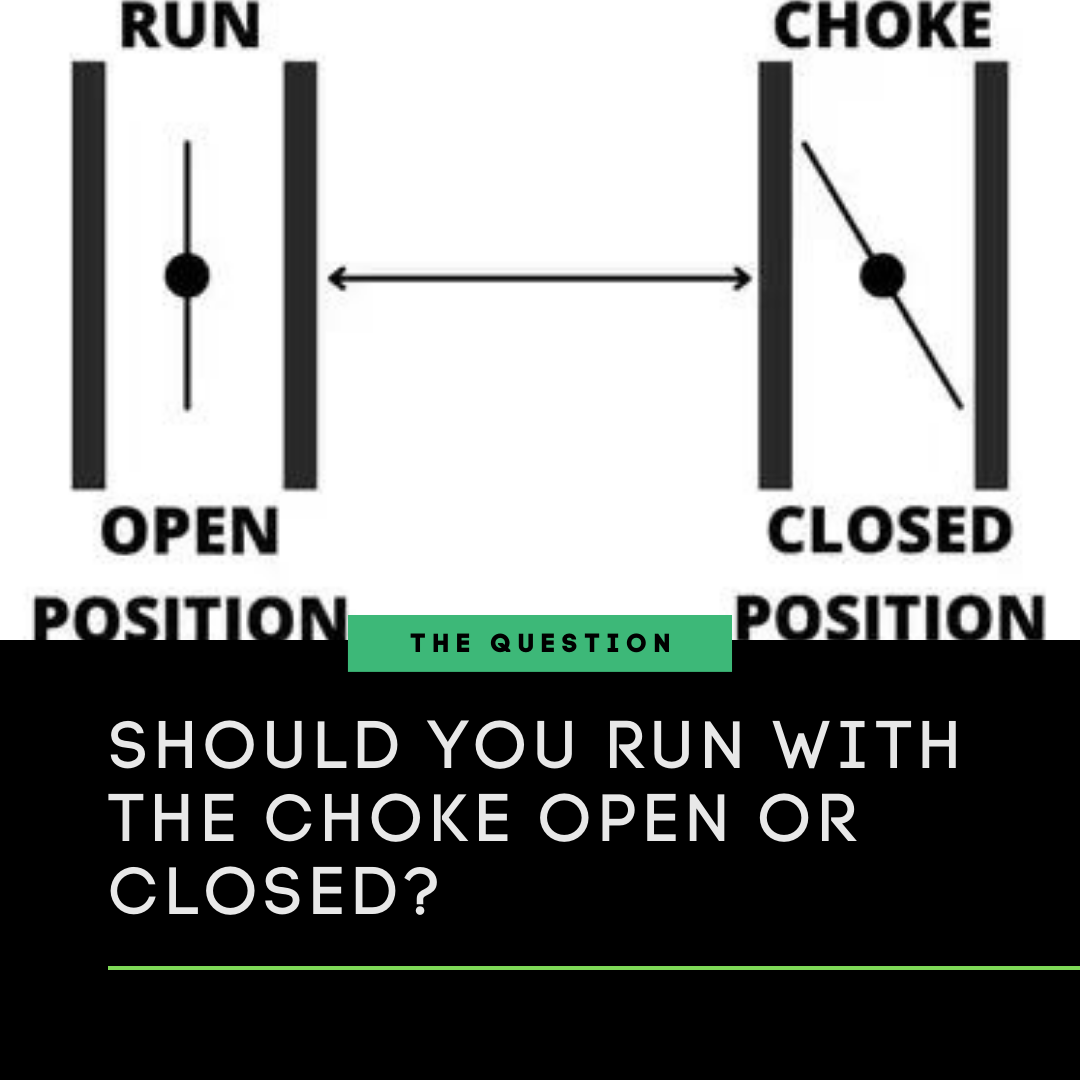
Why a Lawn Mower Runs Only With the Choke On
The choke controls the air and fuel mixture during starting. When you close the choke, less air enters the carburetor. This creates a richer mixture, which means more fuel compared with air.
A warm engine normally needs the choke turned off. If it dies as soon as you move the choke to the “run” position, the engine is usually running too lean. A lean mixture has too much air or not enough gasoline.
Common causes include:
• A clogged main jet in the carburetor
• Old or contaminated gasoline
• A dirty fuel filter or restricted fuel line
• A blocked gas cap vent
• A damaged carburetor gasket
• An intake air leak
• A dirty carburetor bowl
• Incorrect choke or throttle linkage
• A dirty air filter, in less common cases
A mower that runs only with the choke on is giving you a useful clue. The choke is not fixing the fault. It is acting like a temporary bandage over a fuel or air problem.

The Most Common Causes
Clogged carburetor jet
The main jet controls fuel flow when the engine runs at normal speed. Even a small amount of varnish or dirt can reduce fuel flow.
This is the most common reason a lawn mower won’t stay running unless choke on. Old gasoline can leave a sticky film inside the jet. The engine may start with the choke closed, but it cannot get enough fuel when the choke opens.
Old gasoline
Gasoline loses quality over time. Fuel that has sat in a mower for several months may contain gum, water, or sediment.
Fresh fuel may solve a mild problem, but it will not always clean a blocked jet. If the mower has been stored with untreated gas, the carburetor may need cleaning.
Restricted fuel flow
Fuel must travel from the tank to the carburetor. A dirty fuel filter, pinched fuel line, clogged tank outlet, or stuck float can reduce that flow.
Check whether fuel reaches the carburetor in a steady stream. Use care, keep fuel away from sparks, and follow the engine maker’s safety instructions.
Blocked fuel cap vent
Many fuel caps have a small vent. This vent lets air enter the tank as fuel leaves. If the vent is blocked, a vacuum can form inside the tank.
The mower may run for a short time, then stop. Loosening the fuel cap slightly for a brief test can reveal the problem. Do not operate the mower this way as a permanent repair.
Intake air leak
The carburetor gasket creates a seal between the carburetor and the engine. If the gasket is cracked, loose, or installed incorrectly, extra air can enter.
That unmeasured air makes the mixture lean. The mower may run better with the choke on because the extra fuel helps balance the air leak.
Dirty air filter
A dirty air filter usually makes the mixture richer because less air enters. However, a damaged filter, missing filter, or badly fitted air box can disturb airflow.
Inspect the filter and air box. Replace a paper filter when it is dirty. Foam filters may be washable, but use the cleaning and oiling method listed in the engine manual.

Safety Checks Before Troubleshooting
Small engines can start suddenly. A few simple precautions can prevent burns, cuts, and fuel fires.
Before removing the carburetor or touching the blade, follow these steps:
- Turn the engine off and let it cool.
- Remove the spark plug wire and secure it away from the plug.
- Disconnect the battery on an electric-start mower when practical.
- Work outdoors or in a well-ventilated area.
- Keep fuel away from cigarettes, flames, heaters, and power tools.
- Wear safety glasses and fuel-resistant gloves.
- Never place your hands near the blade while testing the engine.
Do not spray starting fluid into a lawn mower carburetor. It can create a fire risk and may damage the engine. It also hides the real problem instead of solving it.
If gasoline runs freely from the carburetor, stop the test. A stuck float or needle valve may be allowing fuel into the engine. Check the oil for a strong gasoline smell before using the mower again.

How to Diagnose the Problem Step by Step
A careful test is better than replacing parts at random. Start with simple checks, then move toward the carburetor.
1. Confirm the choke behavior
Start the mower according to the owner’s manual. A cold engine may need the choke for a short time. After it warms for about 30 to 60 seconds, slowly move the choke toward the run position.
If the engine dies every time, the problem is not normal cold starting. This confirms that the engine needs the rich mixture created by the choke.
2. Check the fuel
Look at the fuel in the tank. If it is dark, cloudy, or smells sour, drain it into an approved fuel container.
Add fresh gasoline that matches the engine manufacturer’s instructions. Many small engines use regular unleaded gasoline, but always check the manual. Avoid fuel with more ethanol than the manufacturer allows.
3. Inspect the fuel line and filter
Look for cracked, soft, kinked, or blocked fuel lines. A line can look fine outside while collapsing inside.
If the mower has a replaceable fuel filter, replace it when it is dirty. A filter is often inexpensive, and it is easier to replace than to clean.
4. Test the fuel cap vent
Run the mower only long enough to perform a safe test. If loosening the fuel cap allows the engine to run normally, the cap vent may be blocked.
Replace the cap if cleaning does not restore airflow. Never remove the cap while the engine is hot.
5. Inspect the air filter
Remove the air filter and check for dirt, oil saturation, tears, or poor fit. Do not run the mower without its filter for normal use.
A missing filter allows dust into the engine. That dust can damage the cylinder and shorten engine life.
6. Clean the carburetor
If the lawn mower won’t stay running unless choke on after fresh fuel checks, inspect the carburetor. Remove the bowl and look for water, rust, dirt, or gummy fuel.
The small main jet opening must be clear. Use carburetor cleaner and compressed air if the manual allows it. Do not force a steel wire through a tiny jet, because it can enlarge the opening and change fuel flow.
7. Check the carburetor gasket
Inspect the gasket between the carburetor and the intake. Replace it if it is cracked, crushed, wet with fuel, or missing a section.
Tighten bolts evenly. Over-tightening can warp the carburetor body or damage the gasket.
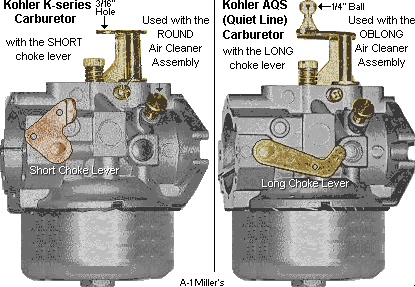
How to Clean a Lawn Mower Carburetor
Carburetor cleaning can often repair a mower without replacing the entire carburetor. Take a photo before removing linkages and springs. These small parts can be difficult to reinstall from memory.
Use this basic process:
- Shut off the fuel or clamp the fuel line if the design permits.
- Disconnect the spark plug wire.
- Remove the air filter housing as needed.
- Photograph the throttle and governor spring positions.
- Remove the carburetor bowl.
- Empty old fuel into an approved container.
- Remove and clean the main jet.
- Spray approved carburetor cleaner through the fuel passages.
- Clean the bowl and float area.
- Install new gaskets if the old ones are damaged.
- Reassemble every part in its original position.
- Reconnect the fuel line and test for leaks.
Never poke a jet with a large drill bit or hard wire. The jet is a precision part. If cleaning does not work, replacing the jet or installing a carburetor rebuild kit may be the better choice.
In repair work, one common mistake is cleaning only the bowl. The bowl may look spotless while the main jet remains blocked. The engine then starts, but the mower still won’t stay running unless choke on.
Check for an Air Leak
An air leak can be harder to find than a dirty jet. It often appears around the carburetor, intake gasket, or intake tube.
Look for:
• Loose carburetor mounting bolts
• A cracked intake tube
• A torn carburetor gasket
• A loose air box
• Missing spacer parts
• Warped plastic or metal mounting surfaces
A change in engine speed near the carburetor may suggest an air leak, but avoid spraying flammable chemicals around a running engine. Fire can spread very quickly.
Replace damaged gaskets instead of trying to seal them with random household products. Use the correct gasket for the engine model.
If the mower still needs choke after a proper carburetor cleaning and gasket replacement, check valve clearance and compression. These repairs may require more skill and special tools.

Other Problems That Can Cause Stalling
Weak spark
A worn or fouled spark plug may cause hard starting, rough running, or stalling. Remove the plug and inspect the tip for heavy carbon, oil, or damage.
Use the correct plug type and gap listed by the engine manufacturer. A spark tester is safer and more accurate than holding the plug against the engine while cranking.
Poor compression
A mower with worn piston rings, a damaged valve, or a valve that does not seal may run poorly. Low compression often causes hard starting and weak power.
A compression test can help, but small-engine readings vary by design. Use the manufacturer’s test method when available.
Incorrect governor operation
The governor helps keep engine speed steady as the cutting load changes. A bent linkage, disconnected spring, or damaged governor can cause surging or stalling.
Do not bend governor parts without knowing their correct position. Overspeeding an engine can damage it and create a serious safety hazard.
Wrong choke position or linkage problem
Some mowers use a manual choke. Others use an automatic choke thermostat or spring. If the linkage is stuck, the choke may not open fully or may open too soon.
Check that the control moves smoothly and that the choke plate changes position. A broken automatic choke part may need replacement.

When to Replace the Carburetor
Cleaning is usually worth trying first. However, a replacement carburetor may make sense when:
• The carburetor body is cracked
• The throttle shaft has excessive play
• The float is damaged
• The needle valve seat is worn
• Several passages remain blocked
• A rebuild kit costs nearly as much as a new unit
• The mower has a common, low-cost carburetor
Use the exact engine model and carburetor number when ordering parts. Two engines that look alike may use different jets, gaskets, or governor linkages.
A cheap replacement may not be a true match. Some low-cost carburetors have incorrect jet sizes or poor sealing surfaces. A quality part from a trusted supplier is often a better long-term choice.

Mistakes to Avoid
Many mower problems become more expensive because of rushed repairs. Avoid these common errors:
• Replacing the spark plug before checking fuel flow
• Cleaning only the carburetor bowl
• Using stale fuel after a carburetor repair
• Installing a gasket backward
• Mixing up governor springs
• Running without an air filter
• Using excessive carburetor cleaner
• Poking jets with hard wire
• Ignoring fuel in the engine oil
• Adjusting factory-set screws without instructions
One lesson I have seen again and again is that diagnosis saves time. A mower that runs with choke is not automatically suffering from a bad carburetor. A blocked fuel cap, cracked intake gasket, or pinched fuel line can create the same symptom.
How to Prevent the Problem
Good storage habits reduce the chance that a lawn mower won’t stay running unless choke on.
Use these habits during the mowing season and before winter storage:
• Use fresh gasoline in a clean, sealed container.
• Add fuel stabilizer when storing fuel for an extended period.
• Follow the stabilizer label for the correct amount.
• Keep the air filter clean and dry.
• Replace damaged fuel lines early.
• Clean grass and dirt from the engine cooling fins.
• Run the mower long enough to warm up before heavy cutting.
• Drain fuel when the engine maker recommends it.
• Store the mower in a dry, safe place.
• Service the spark plug at the interval in the manual.
Fuel stabilizer slows fuel deterioration, but it cannot repair gasoline that has already turned into gum. Stabilized fuel also needs to be fresh when added.
Frequently Asked Questions
Why does my lawn mower die when I turn the choke off?
The engine is usually running too lean because it is not receiving enough fuel or is receiving too much air. A clogged main jet, restricted fuel flow, or intake gasket leak is often responsible.
Can a dirty air filter make a mower need the choke?
A dirty air filter usually reduces airflow and creates a richer mixture, so it is not the most common cause. Still, inspect the filter because damage, poor fit, or a missing air box can affect engine operation.
Will fresh gas fix a mower that only runs with choke?
Fresh gas can help if the old fuel is contaminated or stale. If a carburetor jet is already blocked, the mower may still need carburetor cleaning or a replacement part.
Is it safe to mow with the choke on?
It is not a good long-term solution. Running with the choke on can waste fuel, create carbon buildup, cause poor performance, and sometimes contaminate the engine oil with gasoline.
Should I replace the carburetor or clean it?
Clean the carburetor first when it is in good physical condition. Replace it when the body, float, needle seat, or throttle shaft is damaged, or when a correct replacement is inexpensive and easy to install.
Why does my mower run for a few minutes and then stop?
A blocked fuel cap vent, restricted fuel line, dirty filter, or sticking float can limit fuel flow over time. A short test with the fuel cap loosened can help identify a blocked vent, but do not use that as a permanent repair.
Can a bad spark plug cause this choke problem?
A bad spark plug can cause stalling and rough running, but it is less likely to make the engine run better only with the choke on. Check fuel flow and the carburetor along with the spark plug.
Conclusion
A lawn mower won’t stay running unless choke on when the engine needs a richer fuel mixture than it receives with the choke open. The usual causes are a clogged carburetor jet, stale gas, restricted fuel flow, a blocked fuel cap vent, or an intake air leak.
Start with fresh fuel and simple inspections. Then clean the carburetor, check the gasket, and inspect the spark and governor system if needed. Work safely, use the correct engine parts, and follow the owner’s manual for details.
A patient diagnosis can bring the mower back to smooth operation and prevent the same fault next season. If this guide helped, share your mower model and symptoms in the comments or explore more small-engine maintenance resources.