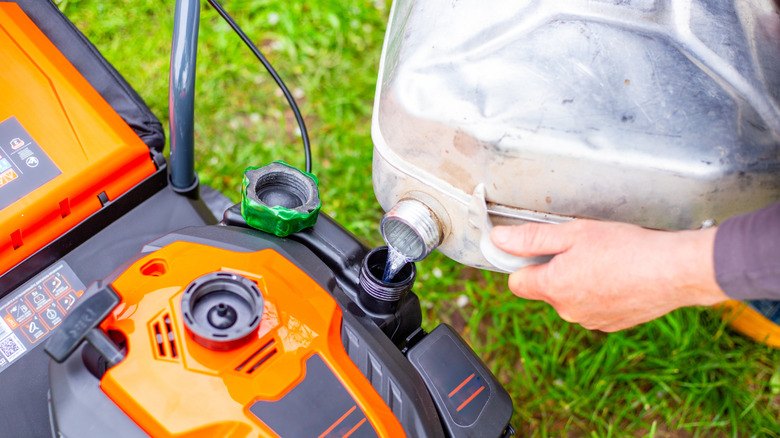
You can sometimes use old gas in a lawn mower if it has been stored properly and is only a few weeks old, but gasoline that has degraded over several months can cause starting problems, poor engine performance, and fuel system issues.
Across the United States, many homeowners store their lawn mowers during the colder months and discover leftover gasoline when spring arrives. Whether that fuel can safely go back into the mower depends on how long it has been sitting, how it was stored, and whether the gasoline has started to break down.
Old gasoline loses its ability to burn efficiently because its lighter components evaporate and oxidation can create fuel deposits. For small engines such as lawn mower engines, degraded fuel can make starting harder, cause rough running, or clog parts of the fuel system. Checking the condition of the gas before using it can prevent unnecessary repairs.
Gasoline does not remain stable forever. In a lawn mower fuel tank or approved storage container, gasoline can begin losing quality after several weeks, especially when exposed to heat, oxygen, or moisture.
There is no single expiration date for every type of gasoline because storage conditions affect how quickly fuel changes. Fresh fuel kept in a sealed container usually lasts longer than fuel sitting in an open mower tank through temperature changes.
Source: www.pinterest.com
Fresh gasoline
Fuel that has been stored for a short period and still looks and smells normal is generally more likely to work properly.
Several-month-old gasoline
Fuel stored through an entire mowing season or winter may lose volatility and may cause starting or performance issues.
Very old gasoline
Fuel that has been sitting for many months or longer is more likely to require disposal rather than use.
Why Old Gas Causes Lawn Mower Problems
Gasoline contains many compounds that evaporate at different rates. As fuel ages, the more volatile components can disappear, leaving behind heavier compounds that do not burn as efficiently.
Old fuel can also form gum and varnish deposits that may affect the carburetor, fuel lines, or other small engine components.
Hard starting
The engine may struggle to ignite fuel that has lost some of its original properties.
Poor performance
A mower may run unevenly, lose power, or stop during operation.
How to Tell If Gas in Your Lawn Mower Is Bad
Before starting a mower with old fuel, inspect the gasoline for visible and noticeable changes. These checks can help determine whether the fuel is still usable or should be removed.
Bad gasoline often shows signs that it has degraded, although fuel problems can sometimes look similar to other engine issues.
Source: hunker.com
Strange smell
Stale gasoline may have a sour or varnish-like odor instead of the normal gasoline smell.
Dark or cloudy appearance
Fresh gasoline is usually clear. Darkened or cloudy fuel may indicate aging or contamination.
Engine trouble
Repeated starting attempts, sputtering, or sudden stopping can indicate fuel problems.
If a mower worked normally before storage but struggles after sitting unused, old gasoline is one of the first things to check.
Other causes such as a dirty air filter, worn spark plug, or carburetor problems can create similar symptoms, so fuel should be considered as part of a complete troubleshooting process.
Will not start
The engine may crank but fail to run because the fuel cannot ignite properly.
Runs briefly then dies
Restricted fuel flow or poor fuel quality may prevent consistent operation.
What to Do If Your Lawn Mower Has Old Gas
The best solution depends on the age and condition of the gasoline. Slightly aged fuel may sometimes be diluted with fresh gasoline, while heavily degraded fuel should usually be removed.
Always work in a well-ventilated area and avoid flames, sparks, or smoking when handling gasoline.
Source: toolsli.com
Check the fuel condition
Look at the color, smell, and age of the gasoline before deciding whether to use it.
Remove severely degraded fuel
Drain old gasoline from the tank and dispose of it according to local hazardous waste guidelines.
Mixing a small amount of slightly old gasoline with fresh fuel may help dilute it, but this is not a reliable fix for gasoline that has significantly degraded.
If the mower has trouble running after adding fresh fuel, the fuel system may need additional inspection or cleaning.
Better option
Replace questionable fuel instead of risking clogged or damaged small engine components.
How to Prevent Old Gas Problems in Your Lawn Mower
Preventing stale fuel is easier than repairing fuel-related problems. Proper storage practices help keep gasoline usable and reduce the chance of spring startup issues.
Many homeowners prepare their mowers before winter storage by managing the fuel supply and protecting the engine from long periods without use.
Avoid keeping gasoline in the mower tank longer than necessary.
Store fuel correctly
Keep gasoline in an approved, sealed fuel container away from heat and direct sunlight.
Prepare before storage
Follow the mower manufacturer’s storage recommendations before leaving equipment unused for months.
Common Mistakes When Using Old Gas in a Lawn Mower
Using questionable gasoline without checking its condition can create avoidable problems. Many fuel-related repairs happen because old gasoline is mistaken for usable fuel.
Understanding common mistakes can help protect the mower engine and save time during troubleshooting.
Source: thegardenfixes.com
Ignoring fuel age
Gasoline left in a mower over multiple seasons should not automatically be considered usable.
Adding more fuel without removing bad fuel
Fresh gasoline may not solve problems if contaminated or degraded fuel remains in the system.
Using unsafe disposal methods
Old gasoline should be handled according to local disposal rules rather than poured onto the ground.
Frequently Asked Questions
Q
Can I use gasoline that sat in my lawn mower all winter?
Gasoline that has been sitting all winter may still work in some cases, but it depends on the fuel condition and storage environment. If the mower struggles to start or the fuel smells stale, replacing the gasoline is usually the safer option.
Q
How long does gas last in a lawn mower?
Gasoline quality can decline after weeks or months depending on storage conditions. Fuel stored in a sealed container generally lasts longer than fuel left exposed in a mower tank.
Q
Can old gas damage a lawn mower engine?
Old gas does not usually damage the engine immediately, but degraded fuel can contribute to clogged fuel system parts, poor combustion, and starting problems.
Q
Should I drain old gas from my lawn mower?
If the gasoline is several months old, smells unusual, looks contaminated, or causes engine problems, draining and replacing it is often the best approach.
Q
Can fuel stabilizer prevent old gas problems?
Fuel stabilizers can help slow gasoline degradation when used correctly, but they do not restore gasoline that has already become severely degraded.
✦ Wrapping Up
Conclusion
You may be able to use old gas in a lawn mower if the fuel is only slightly aged and has been stored properly, but gasoline that has degraded over several months can create starting and performance problems.
Checking the fuel condition before use and replacing questionable gasoline can help keep your mower running reliably. Regular fuel management before seasonal storage is the simplest way to avoid old gas issues.
💡 Key Takeaway
Before starting a mower with old gasoline, inspect the fuel first. If it smells stale, looks unusual, or has been sitting for a long time, replace it with fresh fuel instead of risking engine problems.
If you’ve ever walked across a freshly mowed lawn and noticed uneven patches or frayed grass tips, chances are your mower’s blades are the culprit. Over time, even the best mowers lose their edge—literally. Dull or damaged blades tear the grass instead of slicing it cleanly, leaving behind a ragged finish and exposing your turf…
When your Craftsman self propelled lawn mower stops pulling forward or begins struggling to climb slight inclines, it’s often a clear sign of one thing — a worn or damaged drive belt. This belt is the heart of your mower’s propulsion system. It transfers power from the engine to the wheels, giving you that effortless…
If your lawn mower turns over but will not start, you’re not alone. Picture this: the weekend sun is shining, the grass is knee-high, and you’re ready to mow. You pull the cord or turn the key — and the mower cranks but refuses to roar to life. That sputtering silence can be maddening, especially…
If you’ve ever struggled to push your mower through thick grass or noticed uneven cuts even after a fresh blade sharpening, the problem might not be your mower’s engine or deck—it could be your tires. Many homeowners overlook the critical role that lawn mower tire replacement plays in keeping their machines running smoothly. Tires are…
When you’re ready to trim the lawn and your Ryobi lawn mower won’t start, frustration sets in fast. You might press the start button, squeeze the handle, and hear—nothing. Maybe it clicks once and stops, or maybe it’s completely silent. Either way, your weekend plans just got delayed. Don’t worry—this happens more often than you…

:max_bytes(150000):strip_icc()/GettyImages-1440604227-00557bb23ed64612aeb825f019f14cea.jpg "How to Safely Dispose of Old Gasoline From Your Lawn Mower, According ...")