


Bad lawn mower gas smells sour, looks dark, feels sticky, or makes the engine hard to start.
Knowing lawn mower gas gone bad how to tell can save you time, money, and a trip to the repair shop. Old fuel can clog the carburetor, foul the spark plug, and leave your mower running poorly. This guide explains the signs, safe tests, common causes, and the right fix.
What Bad Gas Does to a Lawn Mower
Fresh gasoline is a clear liquid with a sharp, familiar fuel smell. Over time, air, heat, moisture, and light change its chemistry. Some of the lighter parts evaporate, while the remaining fuel becomes less useful for starting and running a small engine.
This is the main reason lawn mower gas gone bad how to tell is such a common search. The fuel may still look like gasoline, but it may no longer burn well.
Old gas can cause:
• Hard starting or no starting
• Rough idling
• Engine stalling
• Surging engine speed
• Loss of power while mowing
• Smoke or an unusual exhaust smell
• A clogged carburetor or fuel line
Gas usually ages faster in a partly full tank. More empty space means more air and moisture can enter. A hot shed or direct summer sun can speed up the process.
A useful rule is to use untreated gasoline within about 30 days when possible. Some fuel can remain usable for a few months under cool, sealed conditions, but storage quality varies. Ethanol blended fuel may absorb water more easily than ethanol-free fuel.
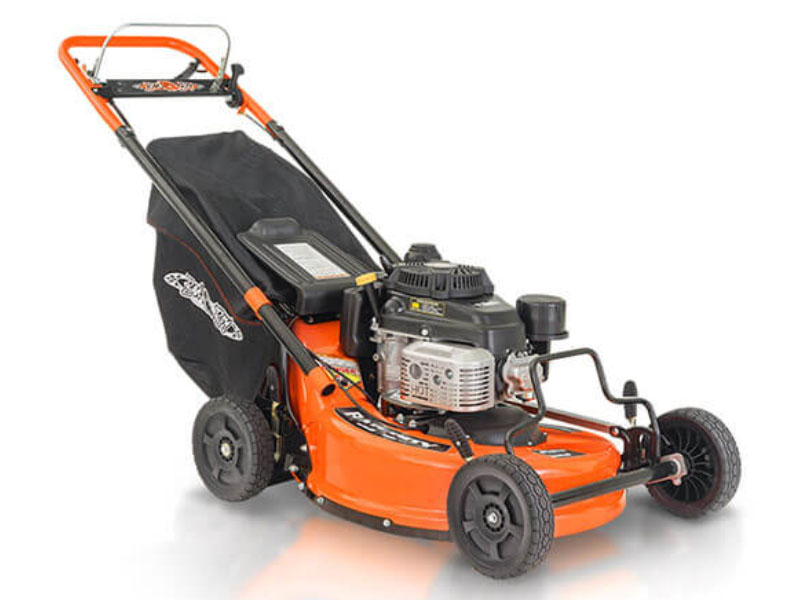
Lawn Mower Gas Gone Bad How to Tell by Smell
The smell test is one of the quickest ways to check old fuel. Fresh gasoline has a strong but clean solvent smell. Bad gas often smells sour, stale, varnish-like, or unusually pungent.
Do not place your face over the tank. Instead, open the cap outdoors and gently notice the smell from a safe distance. If the fuel smells like old paint thinner or has a sharp, sour odor, treat it as suspect.
Smell alone is not a perfect test. Gasoline from different stations can have slightly different odors, and fuel additives can change the scent. Use the smell test along with appearance, age, and mower performance.
Here is a simple comparison:
• Fresh fuel: Clear, bright, and sharp smelling
• Aging fuel: Slightly dull in color with a weaker fuel smell
• Bad fuel: Darker, cloudy, sour smelling, or varnish-like
If you are unsure, do not pour the fuel back into the mower just to test it. A small amount of bad gas can move through the fuel line and cause a larger carburetor problem.
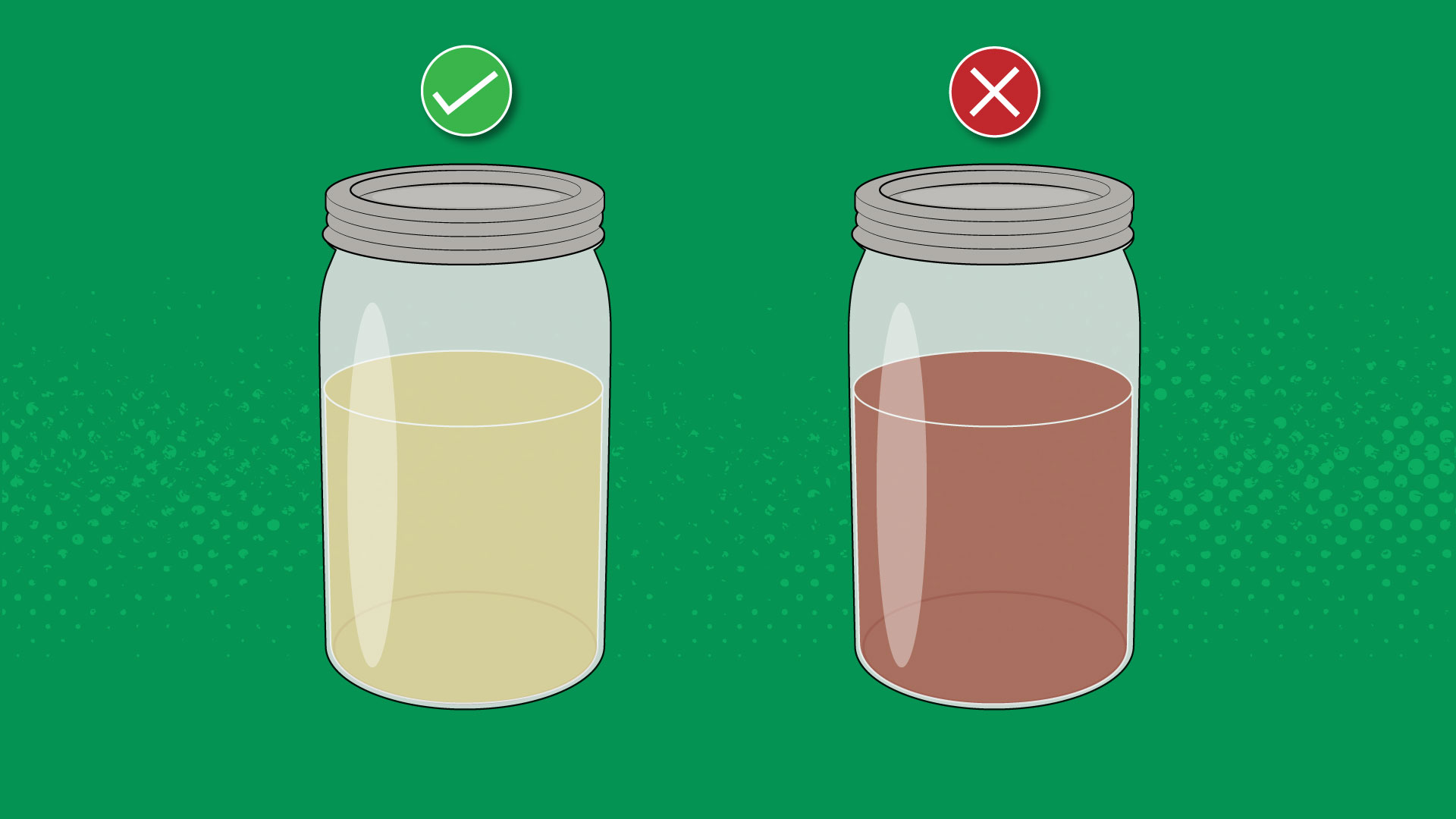
Lawn Mower Gas Gone Bad How to Tell by Appearance
Look at a small sample of fuel in a clean, clear glass container. Never use a container that may react with gasoline, and keep the sample outside or in a well-ventilated area away from flames.
Fresh gasoline is normally clear or lightly colored. Bad gasoline may look darker, cloudy, or dirty. You may also see small particles, sediment, or a thin layer at the bottom.
Water contamination can create a separate layer. Gasoline floats on water, so water may appear as clear beads or a distinct layer under the fuel. Ethanol fuel can also attract moisture from the air, especially when stored in a vented tank.
Check for these visual signs:
• Cloudiness
• Dark yellow or brown color
• Sediment
• Rust flakes
• A separate water layer
• Sticky residue on the container
Color is helpful, but it is not a final answer. Some gasoline is naturally tinted, and slight color changes do not always mean the fuel is unusable. When several warning signs appear together, replacement is the safest choice.
Lawn Mower Gas Gone Bad How to Tell by the Mower’s Symptoms
Sometimes the mower tells you the fuel is bad before the fuel looks suspicious. A mower with stale gas may start for a moment and then die. It may also run only when the choke is partly on.
That symptom often points to a lean fuel mixture. Old gasoline can leave deposits in the carburetor jets, reducing fuel flow. A dirty air filter or a weak spark can cause similar symptoms, so avoid blaming the fuel too quickly.
Common signs include:
-
The engine will not start after sitting for weeks or months.
-
The engine starts but dies within a few seconds.
-
The mower surges up and down at idle.
-
The engine loses power in thick grass.
-
The mower needs many pulls to start.
-
The spark plug becomes wet or coated with dark residue.
-
The carburetor leaks or sticks.
A practical lesson from mower troubleshooting is to check the simple items first. I have seen people replace a carburetor when the real problem was old fuel combined with a clogged air filter. A quick fuel check can prevent unnecessary repairs.
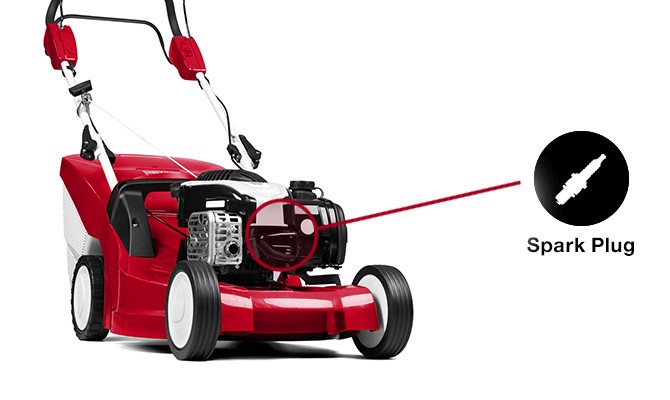
How Old Can Lawn Mower Gas Be?
The answer depends on the fuel type and storage conditions. Untreated gasoline may begin losing quality after about 30 days, although it can last longer in a clean, sealed, cool container. Heat, air, moisture, and dirt shorten its useful life.
Gasoline with ethanol can be more sensitive to moisture. When water enters the fuel, separation may occur. The fuel may then burn poorly, and the water can cause corrosion in metal parts.
Fuel stabilizer can extend storage life, but it works best when added to fresh gas. It cannot fully restore fuel that has already turned sour or formed thick deposits.
Use these storage guidelines:
• Buy only enough fuel for one or two months.
• Keep the container tightly sealed.
• Store fuel in an approved container.
• Keep the container in a cool, dry, well-ventilated place.
• Avoid direct sunlight and hot garages.
• Add stabilizer before long-term storage.
• Run treated fuel through the mower so it reaches the carburetor.
Always follow the fuel container label and your mower manual. Fuel recommendations can differ by engine design.
A Simple Test for Lawn Mower Gas Gone Bad
You can check suspicious fuel in a few careful steps. Work outdoors, wear eye protection, and keep the fuel away from cigarettes, sparks, pilot lights, and other ignition sources.
-
Turn off the mower and let the engine cool completely.
-
Move the mower outdoors.
-
Disconnect the spark plug wire so the engine cannot start by accident.
-
Place an approved fuel container under the tank or fuel line.
-
Drain a small sample into a clear, fuel-safe container.
-
Check the smell, color, clarity, and presence of sediment.
-
Let the sample sit for a few minutes and look for water separation.
-
Compare the sample with fresh gasoline if you have a safe reference.
Do not taste fuel or test it with a flame. Never pour gasoline onto the ground, into a storm drain, or into household trash. Contact your local household hazardous waste program for disposal instructions.
If the fuel looks clean but the mower still will not run, inspect the spark plug, air filter, fuel filter, fuel line, and carburetor. Several problems can produce the same symptoms.
What to Do With Bad Gas in a Lawn Mower
If you confirm the fuel is bad, drain it from the tank. You may also need to drain the carburetor bowl because stale fuel can remain there after the tank is empty.
Use this basic process:
• Turn off the fuel valve if the mower has one.
• Disconnect the spark plug wire.
• Drain the tank into an approved gasoline container.
• Drain the carburetor bowl according to the manual.
• Wipe away spills with an absorbent material.
• Add fresh fuel from a clean container.
• Reconnect the spark plug wire.
• Start the mower outdoors and let it run briefly.
Do not mix old gasoline with fresh gas in an attempt to save it. A small amount of questionable fuel may still affect engine performance, especially in a small mower tank.
Some carburetors need cleaning after bad fuel has dried inside them. A sticky varnish deposit can block a tiny jet. If the mower still surges, stalls, or refuses to start after fresh fuel is added, carburetor cleaning may be needed.
Can You Use Fuel Stabilizer to Fix Bad Gas?
Fuel stabilizer helps prevent gasoline from degrading. It does not turn badly oxidized, water-contaminated, or varnish-filled fuel back into fresh fuel.
Add stabilizer when the gasoline is fresh, then run the mower long enough for treated fuel to reach the carburetor. Read the product label for the correct amount. Too much stabilizer is not usually better.
Fuel stabilizer may help when:
• You will store the mower for more than a month.
• The fuel is still fresh and clear.
• The container can be sealed well.
• The mower will sit through winter.
It is less useful when the gasoline already smells sour or contains water. In that case, drain the old fuel first and start with fresh gasoline.
One mistake worth avoiding is adding stabilizer to a nearly empty tank and assuming the whole fuel system is protected. The treated mixture must reach the fuel line and carburetor.
How to Prevent Bad Gas in a Lawn Mower
Prevention is easier than cleaning a blocked carburetor. Start by buying fuel from a busy station, where the gasoline is more likely to be fresh. Store it in a proper container with a tight cap.
At the end of the mowing season, check the instructions for your mower. Some manufacturers recommend draining the tank and carburetor. Others recommend filling the tank with stabilized fuel to reduce condensation. Both methods can work when done correctly.
Follow these habits:
• Label the date you bought the fuel.
• Do not store gasoline in an open container.
• Keep the fuel container out of extreme heat.
• Use fresh fuel at the start of the mowing season.
• Replace fuel that has a sour smell or cloudy look.
• Clean grass and dirt from around the fuel cap.
• Check the owner’s manual before using ethanol-free fuel or additives.
A clean fuel system is like a clear drinking straw. Even a small bit of sticky residue can restrict flow and make the engine struggle.
When Bad Gas Is Not the Real Problem
Lawn mower gas gone bad how to tell can be tricky because many engine faults look like fuel trouble. A clogged air filter can limit oxygen. A worn spark plug can prevent ignition. A damaged safety switch can stop the engine from running at all.
Check these parts before buying a carburetor:
• Spark plug: Look for heavy carbon, damage, or a wet tip.
• Air filter: Replace a paper filter that is dirty or soaked.
• Fuel line: Check for cracks, blockage, or soft sections.
• Fuel filter: Replace it if it is dark or restricted.
• Carburetor: Look for leaks, varnish, or a blocked jet.
• Engine oil: Verify the level and condition.
• Blade: A dull or damaged blade can make the mower seem weak under load.
If fresh fuel does not solve the issue, stop repeated starting attempts. Excessive cranking can flood the engine and drain the battery on an electric-start mower. A repair manual or qualified small-engine technician can help when basic checks fail.
Safety Tips for Handling Old Gasoline
Gasoline vapors can ignite easily. Even a small spill can create a dangerous vapor cloud in a garage. Handle fuel with care every time, not only when the mower has a problem.
Remember these safety rules:
• Work outdoors or in a very open, well-ventilated area.
• Keep fuel away from flames, heaters, and electrical sparks.
• Let the mower cool before draining the tank.
• Wear gloves and eye protection.
• Use only approved gasoline containers.
• Clean spills at once with an absorbent material.
• Keep children and pets away.
• Never store fuel near living areas.
• Follow local rules for gasoline disposal.
If fuel gets into your eyes or onto your skin, follow the product safety directions and seek medical help when needed. If gasoline is swallowed, do not induce vomiting. Contact poison control or emergency services.
Frequently Asked Questions About Lawn Mower Gas Gone Bad How to Tell
How can I tell if gas in my lawn mower has gone bad?
Bad gas often smells sour or like varnish and may look dark, cloudy, or dirty. The mower may also be hard to start, stall, surge, or lose power.
How long does gasoline last in a lawn mower?
Untreated gasoline is best used within about 30 days, though sealed fuel stored in cool conditions may last longer. Heat, air, moisture, and ethanol can shorten its life.
Can bad gas damage a lawn mower?
Yes, stale fuel can leave sticky deposits that clog the carburetor, fuel line, or filter. Water-contaminated fuel may also contribute to corrosion and poor combustion.
Should I mix old gas with new gas?
It is safer not to mix questionable fuel with fresh gasoline. Drain the old fuel, dispose of it properly, and refill the mower with clean fuel.
Will fuel stabilizer restore old gasoline?
No. Stabilizer helps preserve fresh gasoline but does not reliably repair fuel that smells sour, contains water, or has formed varnish deposits.
Why does my mower start and then die?
Old gas, a clogged carburetor jet, a dirty air filter, or a weak fuel flow can cause this symptom. Check the fuel first, then inspect the air filter, spark plug, fuel line, and carburetor.
Can I pour old gasoline down the drain?
Never pour gasoline into a drain, onto soil, or into regular trash. Store it in an approved container and contact your local household hazardous waste service.
Conclusion
Learning lawn mower gas gone bad how to tell starts with four clues: smell, appearance, fuel age, and mower behavior. Sour odor, dark or cloudy fuel, water separation, hard starting, stalling, and surging all suggest that the gasoline may need replacement.
Drain questionable fuel safely, use fresh gas, and inspect the carburetor if problems continue. With sealed storage, fresh fuel, and stabilizer added at the right time, you can prevent many small-engine troubles. Check your mower manual for model-specific advice, and share your own fuel storage tips in the comments.
