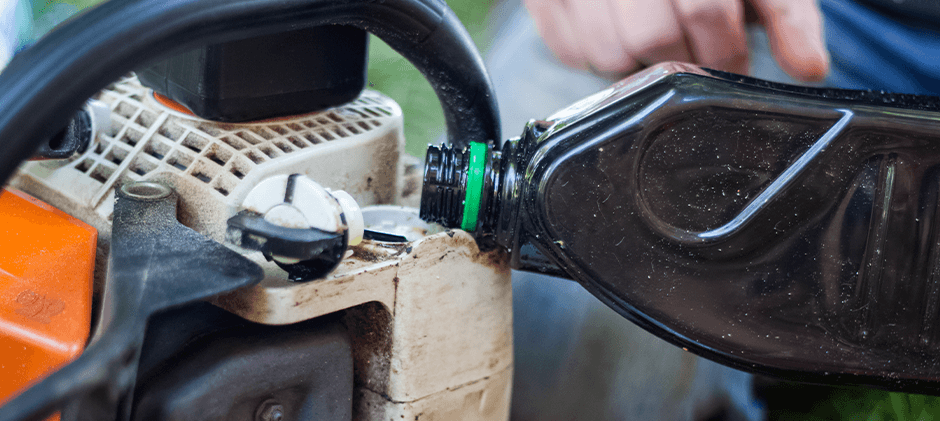
The safest way to get old gas out of a lawn mower is to drain the fuel tank completely, remove remaining fuel from the fuel line or carburetor if needed, dispose of the gasoline properly, and refill the mower with fresh fuel.
Across the United States, many homeowners store lawn mowers during winter or between mowing seasons, leaving gasoline inside the tank for months. Over time, gasoline can lose its volatility, form deposits, and create starting or running problems in small engines.
Removing old gas from a lawn mower is a basic maintenance task that most homeowners can complete with simple tools. The correct method depends on the mower type, fuel system design, and how long the gasoline has been sitting. A careful fuel drain and fresh refill can often restore normal operation without unnecessary repairs.
Old gasoline can cause lawn mower problems because fuel changes chemically during storage. Gasoline components can evaporate, leaving behind heavier compounds that may create sticky deposits inside the fuel system.
Fresh fuel helps the engine receive the correct fuel-air mixture needed for combustion. When stale gas remains in the tank, the mower may be difficult to start, run unevenly, lose power, or stop after a few minutes.
Source: constructionhow.com
Hard starting
A mower with old gasoline may crank normally but fail to start because degraded fuel does not ignite as effectively.
Poor engine performance
Stale fuel can contribute to hesitation, rough running, or reduced power while mowing.
Fuel system deposits
Gasoline left for extended periods may contribute to residue buildup in the carburetor and fuel passages.
How Long Does Gas Last in a Lawn Mower
Gasoline quality can decline during storage, especially when exposed to heat, air, and moisture. Many small-engine manufacturers recommend using fresh gasoline and avoiding long-term storage of untreated fuel.
Short storage periods
Fuel that has only been stored briefly may still work, depending on conditions and fuel quality.
Long storage periods
Gasoline that has remained in a mower for several months is more likely to cause performance problems.
Tools and Safety Equipment Needed Before Removing Old Gas
Before draining gasoline from a lawn mower, prepare the necessary equipment and choose a safe work area. Gasoline is highly flammable, so fuel removal should always be done outdoors or in a well-ventilated location away from flames, sparks, and smoking materials.
Source: i.ytimg.com
Approved gasoline container
Use a container designed for gasoline storage instead of household containers that may leak or react with fuel.
Fuel siphon or drain equipment
A manual siphon pump can help remove fuel from tanks that do not have an easy drain point.
Protective equipment
Wear gloves and avoid skin contact with gasoline during the draining process.
How to Get Old Gas Out of a Lawn Mower Step by Step
The basic process is to remove the old fuel, clear remaining gasoline from the fuel system if necessary, and replace it with fresh fuel. Follow your mower manufacturer’s instructions when they differ from general guidance.
Source: b.fridayparts.com
Step 1: Move the mower to a safe location
Place the mower outdoors on a level surface and allow the engine to cool completely before handling fuel.
Step 2: Remove fuel from the tank
Use a siphon pump or the mower’s drain method to transfer old gasoline into an approved fuel container.
Step 3: Drain remaining fuel if needed
If old gas remains in the fuel line or carburetor bowl, follow the mower manual instructions for draining those components.
Step 4: Refill with fresh gasoline
Add the correct type of fresh fuel recommended for your mower and avoid mixing large amounts of old fuel with new fuel.
How to Remove Gas From Different Lawn Mower Types
Push mowers, riding mowers, and zero-turn mowers may have different fuel system layouts. Some models include drain valves, while others require siphoning from the tank opening.
Many push mowers can be drained using a siphon pump because the fuel tank is usually easy to access.
Riding lawn mower
Riding mowers may require draining from the fuel line or using a tank drain procedure described in the owner’s manual.
What to Do After Removing Old Gas
After draining old gasoline, the next step depends on whether the mower starts and runs normally. Fresh fuel may solve the issue, but fuel-related problems can continue if deposits have already formed inside the system.
Many fuel problems become worse because homeowners use unsafe methods or assume fresh gasoline will always fix every issue. Understanding common mistakes helps prevent damage and unnecessary repairs.
Source: i.ytimg.com
Mixing too much old gas with new gas
Adding fresh fuel on top of severely degraded gasoline may not restore proper engine operation.
Using unsafe containers
Gasoline should only be stored and transported in approved fuel containers.
Ignoring fuel disposal rules
Old gasoline should be handled according to local hazardous waste disposal guidelines.
Frequently Asked Questions
Q
Can I just add fresh gas to old gas in a lawn mower?
Adding fresh gasoline may help when the old fuel is only slightly aged, but it is not the best solution for gasoline that has been sitting for many months or causing engine problems. Removing the old fuel is usually the better approach.
Q
How do I know if my lawn mower has bad gas?
Common signs include difficulty starting, engine sputtering, reduced power, uneven running, and fuel that smells stale or looks darker than fresh gasoline.
Q
Can I drain lawn mower gas into a regular trash container?
No. Gasoline should not be poured into household trash, drains, or onto the ground. Use approved containers and follow local disposal options for old fuel.
Q
Do I need to clean the carburetor after removing old gas?
Not always. If the mower runs normally after fresh fuel is added, additional cleaning may not be needed. If problems continue, the carburetor may need inspection or cleaning.
Q
What should I do if my lawn mower still will not start after changing the gas?
Check other common causes such as a clogged fuel filter, dirty carburetor, faulty spark plug, restricted air filter, or other engine issues.
✦ Wrapping Up
Conclusion
Getting old gas out of a lawn mower is a straightforward maintenance task when done safely. Removing stale fuel, checking the fuel system, and adding fresh gasoline can prevent many common starting and performance problems.
If the mower still fails after replacing old fuel, the issue may involve another component such as the carburetor, spark plug, or fuel delivery system. Troubleshoot those areas before replacing major parts.
💡 Key Takeaway
Drain old gasoline completely, use safe fuel-handling practices, refill with fresh fuel, and inspect related engine components if the mower continues to have problems.
When your lawn mower is not turning over, it can quickly turn a peaceful weekend plan into frustration. You head out to mow the yard, turn the key or pull the cord, and… nothing. No crank, no sound, sometimes just a faint click. This is one of the most common problems homeowners face during mowing…
Keeping a lawn mower in good shape is a lot like taking care of a car. When the parts wear out, the entire system struggles. Many homeowners notice their mower losing power, cutting unevenly, or becoming harder to control, but they brush it off until the machine finally breaks down at the worst moment. That’s…
Learn how water gets into a lawn mower gas tank, the symptoms of contaminated fuel, and the correct steps to drain water from gasoline and get your mower running safely again.
A clean air filter is one of the most essential components for maintaining a healthy Honda lawn mower engine, yet it is one of the most overlooked maintenance tasks by homeowners. Over time, dirt, grass clippings, and dust accumulate inside the air filter, restricting airflow and reducing engine power. If ignored long enough, a dirty…

:max_bytes(150000):strip_icc()/GettyImages-1440604227-00557bb23ed64612aeb825f019f14cea.jpg "How to Safely Dispose of Old Gasoline From Your Lawn Mower, According ...")