
Lawn Mower Vibrating Excessively: Causes And Fixes
A lawn mower vibrating excessively often has a damaged blade, loose part, uneven deck, or engine problem.
A lawn mower vibrating excessively is more than an annoying shake. It can damage the mower, leave uneven grass, and create a serious safety risk. After working on many common mower faults, I have found that the cause is often simple to spot when you check the machine in the right order. This guide explains the main causes, safe fixes, warning signs, and times when professional repair is the best choice.

Why Is Your Lawn Mower Vibrating Excessively?
A lawn mower vibrates excessively when a moving part is out of balance, loose, bent, damaged, or poorly aligned. The blade is the most common cause, but the issue may also come from the engine, wheels, deck, pulley, or mounting hardware.
A mower blade spins at high speed. Even a small bend, crack, or buildup of wet grass can act like a weight on one side. This creates an imbalance, much like a washing machine shaking when clothes gather on one side.
Common causes include:
• A bent or unbalanced mower blade
• A loose blade bolt or adapter
• Grass, mud, or debris stuck under the deck
• A damaged blade spindle
• Worn engine or deck mounting bolts
• A bent crankshaft
• A damaged belt, pulley, or clutch
• A loose wheel or wheel height lever
• Engine misfiring or poor fuel flow
A lawn mower vibrating excessively should not be ignored. Continued use can turn a small repair into a damaged spindle, cracked deck, broken belt, or unsafe machine.

Safety Steps Before Inspecting the Mower
Safety comes first because the blade can move even when the engine seems off. Never reach under the deck while the spark plug wire is connected.
Follow these steps before checking the mower:
-
Turn off the engine and remove the key, if the mower has one.
-
Wait until the blade and engine stop completely.
-
Disconnect the spark plug wire on a gas mower.
-
Remove the battery on a battery-powered mower when practical.
-
Wear work gloves and safety glasses.
-
Place the mower on a flat, stable surface.
-
Tilt a gas mower only as directed in the owner’s manual. Keeping the air filter and carburetor side upward helps prevent oil or fuel leaks.
For a riding mower, set the parking brake, remove the key, and block the wheels. Do not work beneath a raised mower deck unless it has strong mechanical supports. A hydraulic lift alone can fail.
If the mower smells strongly of fuel, shows smoke, or has a cracked blade, stop testing it. Move it outdoors and arrange a proper repair.

The Most Common Cause: A Bent or Unbalanced Blade
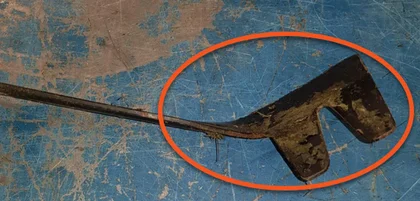
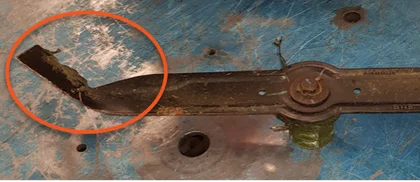
A damaged blade is the first thing to inspect when a lawn mower vibrates excessively. The blade may bend after hitting a rock, tree root, sprinkler head, edging block, or hidden piece of metal.
Look for these signs:
• A visible bend in the blade
• Cracks near the center hole or cutting edge
• A missing section of metal
• One cutting edge that looks much more worn
• Fresh scrape marks under the deck
• A blade that fails a balance test
Do not try to straighten a cracked blade. Metal can weaken after impact, and a blade that breaks at full speed can damage the deck or cause severe injury. Replace it with the correct blade for the mower model.
To check blade balance, remove the blade and place its center hole on a blade-balancing tool or a sturdy nail held level. If one side drops, the blade is not balanced. A small amount of sharpening may correct a minor imbalance, but a bent or cracked blade needs replacement.
When installing the blade, place the cutting edges in the correct direction. Many blades have a “bottom,” “deck,” or “grass side” marking. Tighten the blade bolt to the torque listed in the owner’s manual. Do not guess if the manual provides a specific value.
In my experience, one common mistake is sharpening only one side of a blade. It may look sharp, but the uneven weight can make the mower shake more than before. Remove equal amounts of metal from both sides and check the balance again.

Grass and Debris Under the Mower Deck
Wet grass can form a thick mat under the deck. Small sticks, stones, wire, and clumps of soil can also stick to the blade or deck wall. This buildup can make a lawn mower vibrate excessively by changing the blade’s balance.
After disconnecting the spark plug wire or battery, inspect the underside of the deck with a flashlight. Remove debris with a wooden tool or stiff brush. Avoid using your bare hands, even when the blade looks still.
Clean the deck after mowing wet or tall grass. A clean deck also improves airflow and helps the mower discharge clippings. Never spray water directly into the engine, electrical connectors, air filter, or control panel.
If the vibration stops after cleaning, test the mower briefly on a small area. If the shaking returns, the blade may already be bent or the spindle may be damaged.
Loose Blade Bolt, Adapter, or Spindle
A loose blade bolt can cause an immediate and harsh vibration. The blade may also make a knocking or rattling sound. In some cases, the blade adapter or blade hub is worn, cracked, or installed incorrectly.
Check the blade bolt and washer for damage. The washer may look simple, but it often helps hold the blade securely and must be installed in the correct position. Replace damaged hardware instead of reusing it.
The spindle is the shaft that turns the blade. To test it, hold the blade firmly with a block of wood and try to move it from side to side. Excessive movement may indicate worn spindle bearings, a bent shaft, or loose mounting bolts.
Do not run the mower with a loose spindle. A failing spindle can allow the blade to wobble, strike the deck, or detach. Spindle repair often requires special tools, so a repair shop may be the safest option.

A Bent Crankshaft Can Make the Mower Shake
The crankshaft transfers engine power to the blade. When a mower hits a solid object, the blade may stop suddenly while the engine continues turning. This impact can bend the crankshaft.
A bent crankshaft can cause a lawn mower to vibrate excessively even after you install a new blade. Typical signs include:
• Strong vibration that began right after an impact
• A blade that appears to wobble while spinning
• Repeated blade damage
• An engine that moves or rocks during operation
• Oil leaks near the lower engine area
Checking crankshaft runout accurately usually requires a dial indicator. A repair technician can measure whether the shaft is straight within the manufacturer’s limits.
Do not keep mowing to “see if it gets better.” A bent shaft can damage engine bearings and seals. In many cases, replacing the engine or mower is more cost-effective than repairing a badly bent crankshaft.
Engine and Mounting Problems
A lawn mower vibrating excessively may have an engine problem rather than a blade problem. Loose engine bolts can allow the engine to move on the deck. Worn rubber mounts can also transmit strong vibration to the handle or frame.
Inspect the engine mounting bolts for looseness, missing washers, or cracked brackets. Tighten them according to the mower manual. Avoid overtightening, since damaged threads or a cracked deck can make the problem worse.
An engine that runs unevenly may also shake. Possible causes include:
• Old or contaminated fuel
• A dirty air filter
• A fouled spark plug
• A blocked carburetor
• A damaged ignition coil
• Incorrect engine speed
A rough-running engine often sounds different from a blade imbalance. It may surge, sputter, stall, or produce dark exhaust. Start with basic maintenance, such as fresh fuel, a clean air filter, and the correct spark plug. If the engine still runs roughly, seek professional diagnosis.
Do not adjust the governor spring or engine speed without following the manufacturer’s instructions. Excessive engine speed can damage the mower and create a blade safety hazard.

Belt, Pulley, and Clutch Issues on Riding Mowers
Riding mowers have more moving parts than walk-behind models. A worn belt, bent pulley, damaged idler arm, or failing electric clutch can make the machine shake.
Turn off the engine, remove the key, and inspect the belt. Look for frayed edges, missing chunks, glazing, or stretched sections. Check the pulleys for wobble. A pulley should turn smoothly and remain aligned with the belt.
A damaged deck spindle can also create vibration under load. The mower may seem normal when the deck is off, then shake when the blades engage. This pattern points toward the deck drive system.
Keep hands away from the belt and pulleys during operation. Never test a riding mower with the deck guard removed unless the service procedure specifically requires it and you understand the risks.

Wheel, Deck, and Frame Problems
Not every vibration comes from the blade. A loose wheel can make the handle shake, while a bent deck can cause the blade to contact the housing.
Check each wheel for side-to-side movement. Inspect wheel bolts, height adjusters, and plastic wheel hubs. Replace wheels that wobble or have cracked mounting points.
Examine the deck for dents and impact marks. A dent near the blade path can reduce clearance. If the blade touches the deck, stop using the mower immediately.
A bent frame may cause vibration through the handle or seat. This problem often follows a collision with a curb, tree, fence, or trailer ramp. Frame repairs should be handled by someone with the right tools and alignment equipment.
How to Diagnose a Lawn Mower Vibrating Excessively
Use a step-by-step process instead of replacing random parts. This saves time and helps you find the real cause.
-
Stop the mower and disconnect the spark plug wire or battery.
-
Inspect and clean the underside of the deck.
-
Remove the blade and look for bends, cracks, and missing metal.
-
Check blade balance with a balancing tool.
-
Inspect the blade bolt, washer, adapter, and spindle.
-
Check for loose engine or deck mounting bolts.
-
Examine the wheels, belt, pulleys, and deck for damage.
-
Reinstall or replace parts using the mower manual.
-
Test the mower briefly in an open area.
-
Stop at once if the lawn mower vibrates excessively after the repair.
Listen to the vibration as well as feeling it. A fast, steady shake often points to blade imbalance. A rattling sound may indicate loose hardware. A pulsing shake that follows engine speed may suggest an engine or crankshaft problem.
Take a short video from a safe distance if the issue is difficult to explain to a technician. The sound and movement can help identify whether the vibration comes from the engine, deck, or drive system.
When to Replace the Blade and When to Repair
Replace the blade when it is cracked, badly bent, deeply pitted, or too thin from repeated sharpening. A new blade is often inexpensive compared with the cost of a damaged spindle or deck.
Repair may make sense when the blade is sound but the spindle, pulley, or mounting hardware is worn. Use parts that match the mower’s model and deck size. Incorrect blades can have the wrong length, center hole, lift angle, or rotation direction.
A professional inspection is wise when:
• The blade wobbles after replacement
• The crankshaft may be bent
• The deck is cracked or badly dented
• The mower vibrates through the handle or seat
• The engine smokes or leaks oil
• The machine has an electric clutch or complex belt system
• You cannot safely reach the damaged part
One lesson I learned early is that the cheapest part is not always the cheapest repair. Installing a low-quality blade may save a few dollars but cause repeat vibration. The correct part, fitted and balanced properly, usually saves money over time.
How to Prevent Future Mower Vibration
Good maintenance reduces the chance of a lawn mower vibrating excessively. Prevention also improves cutting quality and extends the life of the engine and deck.
Use these habits:
• Walk the mowing area first and remove rocks, toys, branches, and wire.
• Avoid striking curbs, roots, and sprinkler heads.
• Clean the deck after each mowing session.
• Inspect the blade before the mowing season.
• Balance the blade after sharpening.
• Check blade and wheel hardware regularly.
• Keep the engine air filter clean.
• Use fresh fuel stored in a clean, approved container.
• Follow the owner’s manual for oil changes and service intervals.
• Store the mower under cover and protect it from moisture.
Keep a spare approved blade on hand during the mowing season. This makes it easier to replace a damaged blade instead of continuing to use one that is unsafe.
A smooth mower is not only more pleasant to use. It also cuts grass more evenly, places less stress on the deck, and reduces the chance of loose parts failing during operation.
Common Mistakes to Avoid
Some repair mistakes can make a lawn mower vibrate excessively or create a new hazard.
• Do not sharpen a cracked blade.
• Do not hold the blade with your hand while loosening the bolt.
• Do not install the blade upside down.
• Do not use an impact tool without checking the correct tightening method.
• Do not run the mower with missing deck guards.
• Do not ignore a new vibration after hitting an object.
• Do not test the mower indoors or in a closed garage.
• Do not rely on a hydraulic lift alone under a riding mower.
• Do not assume a new blade will fix a bent crankshaft.
The owner’s manual is the best reference for blade direction, bolt torque, engine oil, and service limits. Manufacturer instructions vary, so general advice should never replace model-specific information.
Frequently Asked Questions About a Lawn Mower Vibrating Excessively
Is it safe to use a mower that vibrates excessively?
No. Stop the mower and inspect it before using it again. Excessive vibration can indicate a loose blade, damaged spindle, bent crankshaft, or failing deck part.
Can a dull blade make a lawn mower vibrate excessively?
A dull blade alone usually causes poor cutting rather than severe vibration. However, uneven sharpening, a bent edge, or heavy debris stuck to the blade can create an imbalance and cause strong shaking.
Why does my mower vibrate after I installed a new blade?
The new blade may be unbalanced, installed upside down, or the wrong size. A bent blade adapter, loose bolt, damaged spindle, or bent crankshaft can also cause vibration after blade replacement.
How do I know if the mower crankshaft is bent?
A bent crankshaft often causes the blade to wobble as it turns, especially after the mower hits a hard object. Accurate testing requires measuring shaft runout, so a qualified repair technician should confirm the diagnosis.
Can grass under the deck cause severe vibration?
Yes. Wet grass and debris can stick to one side of the blade or deck and upset the balance. Clean the deck only after disconnecting the spark plug wire or battery.
Should I balance a mower blade after sharpening?
Yes. Removing more metal from one side can make the blade unbalanced. Use a blade-balancing tool and replace the blade if it is cracked, badly bent, or worn thin.
Why does my riding mower vibrate only when the blades are engaged?
This usually points to the cutting deck system. Inspect the deck belt, pulleys, spindles, blade bolts, and electric clutch for wear, looseness, or damage.
Conclusion
A lawn mower vibrating excessively usually signals an imbalance, loose part, damaged blade, spindle fault, engine issue, or bent crankshaft. Start with a safe inspection of the blade and deck, then check the mounting hardware, engine, wheels, belts, and pulleys.
Never ignore strong vibration, especially after the mower strikes a hard object. Replace cracked parts, use the correct torque and replacement components, and call a professional when the crankshaft, spindle, frame, or riding mower deck may be damaged. Follow these steps before your next mowing session, and share your mower repair experience or question in the comments.