Lawn Mower Starts Then Dies: Quick Fixes That Work
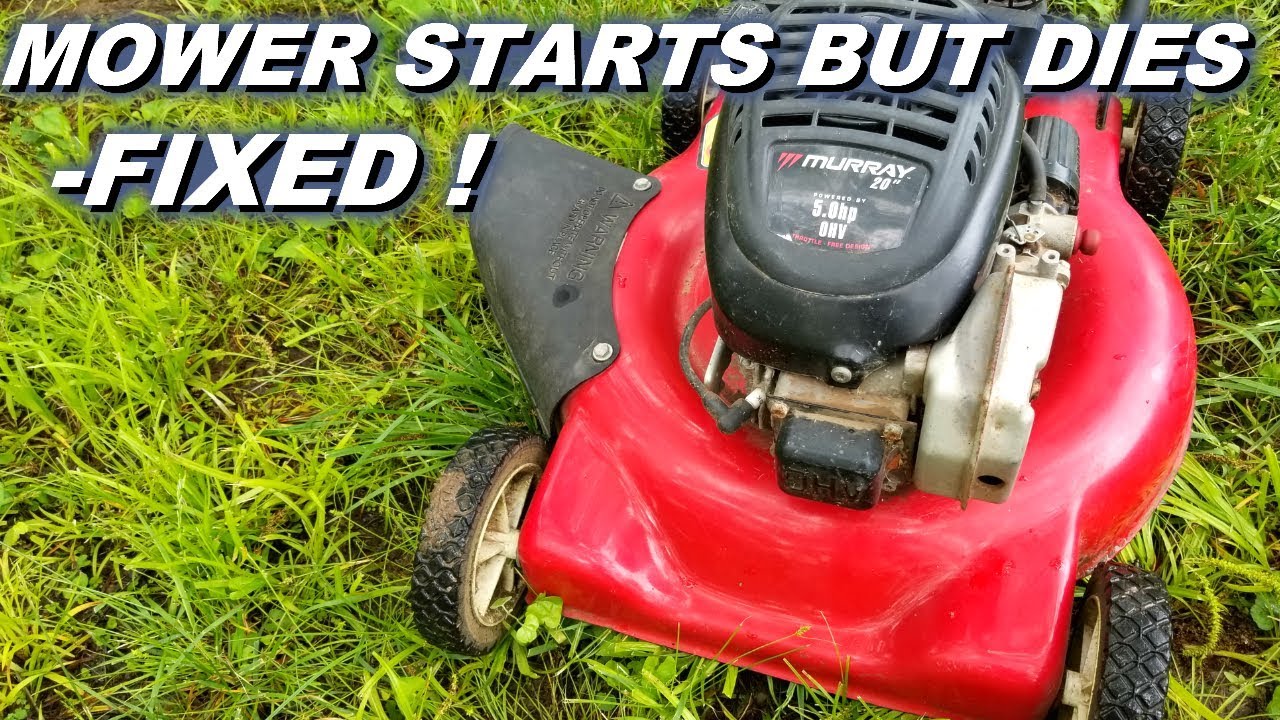
A lawn mower starts then dies when fuel, air, spark, or engine safety systems stop working properly.
A lawn mower starts then dies because the engine gets enough fuel or spark to fire, but not enough to keep running. This guide explains the most common causes, safe tests, and simple repairs that can bring your mower back to life without guesswork.
Why a Lawn Mower Starts Then Dies
When a lawn mower starts then dies, the engine is telling you something useful. It can usually create a spark and burn a small amount of fuel, but one part of the running process fails soon after ignition.
Think of the engine like a campfire. It needs fuel, air, and heat. If one of these becomes weak, the fire may flash up and then fade.
The most common causes include:
• A clogged carburetor or carburetor jet
• Old or contaminated gasoline
• A blocked fuel cap vent
• A dirty air filter
• A faulty spark plug
• A choke that stays closed
• A failing ignition coil
• A dirty fuel filter or restricted fuel line
• A safety switch or engine control problem
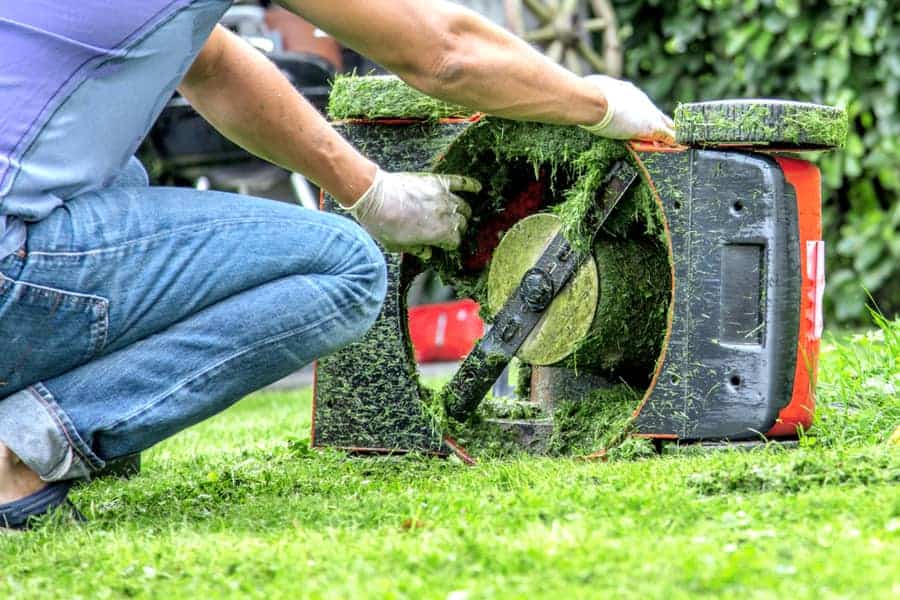
• Grass buildup under the mower deck
The timing of the stall offers an important clue. If the mower dies within a few seconds, suspect fuel flow, the carburetor, or the choke first. If it runs for several minutes and then stops, look more closely at the fuel cap vent, ignition coil, or overheating.
Quick Safety Checks Before Troubleshooting
Always place safety first when working on a mower. A small gasoline engine can start suddenly, and the blade may move if the engine turns.
Before inspecting parts, follow these steps:
-
Move the mower outdoors or into a well ventilated area.
-
Turn off the engine and let it cool.
-
Disconnect the spark plug wire and keep it away from the plug.
-
Wear safety glasses and fuel resistant gloves.
-
Keep cigarettes, flames, and sparks far from gasoline.
-
Do not test a running mower near dry grass or spilled fuel.
-
Use the owner’s manual for model specific instructions.
Gasoline should be fresh and stored in an approved container. Fuel that sits for months can lose quality, especially when it contains ethanol. Ethanol fuel can also attract moisture, which may lead to corrosion and clogged small passages inside the carburetor.
If the fuel smells sour, looks dark, or contains visible water, drain it safely and replace it with fresh fuel recommended by the mower manufacturer.
The Most Common Causes and Fixes
Old or Bad Gasoline
Old gasoline is one of the first things to check when a lawn mower starts then dies. Fuel can become stale over time, and its lighter components may evaporate. The remaining fuel may still allow the engine to start, but it may not burn well enough to keep it running.
Drain the tank if the fuel looks questionable. Refill it with fresh gasoline from a clean container. Do not mix fresh fuel with heavily spoiled fuel and expect the problem to disappear.
For storage, follow the engine maker’s advice. Some manufacturers recommend draining the fuel system, while others allow stabilized fuel to remain in the tank. The key is to avoid leaving untreated fuel in the mower for long periods.
A Clogged Carburetor
A dirty carburetor is a leading reason a lawn mower starts then dies. The carburetor mixes gasoline with air. Tiny fuel passages can clog with varnish, dirt, or corrosion.
The mower may start because the primer bulb or choke provides a rich burst of fuel. Once that extra fuel is gone, the restricted jet cannot supply enough fuel, so the engine stalls.
Common signs include:
• The engine runs only with the choke partly closed
• The mower starts after several primer presses but dies quickly
• The engine surges up and down
• Fuel smells strong around the carburetor
• The mower runs briefly after fuel is added directly to the carburetor
Remove and clean the carburetor only if you feel comfortable doing so. Use carburetor cleaner and compressed air where appropriate. Never poke soft brass jets with a steel wire because the opening can become damaged.
Some carburetors are inexpensive and easier to replace than to rebuild. Always match the replacement to the exact engine model.
A Blocked Fuel Cap Vent
The fuel cap lets air enter the tank as fuel leaves. If the vent becomes blocked, a vacuum can form inside the tank. Fuel flow then slows or stops.
This can cause a lawn mower starts then dies pattern after a few minutes of operation. The engine uses the fuel in the carburetor bowl, then starves.
To test this, stop the mower and loosen the fuel cap carefully. If you hear a brief hiss and the mower runs again after restarting, the cap vent may be blocked. Do not operate the mower permanently with a loose cap. Clean or replace the cap instead.
A Dirty Air Filter
A lawn mower needs the right balance of air and fuel. A clogged air filter limits airflow and creates an overly rich mixture. The engine may start, smoke, run rough, and die.
Foam filters can often be washed with mild soap, dried fully, and lightly treated with the correct amount of filter oil. Paper filters should usually be replaced rather than washed.
Hold the filter toward a bright light. If little light passes through a paper filter, it is likely restricted. Never run the mower without its air filter for normal use because dust can enter the engine and cause wear.
A Faulty Spark Plug
A worn, dirty, or incorrectly gapped spark plug can produce a weak spark. The plug may fire during startup but fail once the engine warms or cylinder pressure rises.
Remove the spark plug and inspect it:
• A light tan or gray deposit often suggests normal operation
• A wet plug may indicate flooding or excess fuel
• A black, sooty plug may point to a rich mixture or weak ignition
• A cracked porcelain insulator requires replacement
• Heavy oil deposits may indicate an engine problem
Clean or replace the plug according to the engine manual. Use the correct plug type and gap. A plug that looks similar may still have the wrong heat range or reach.
A Choke That Stays Closed
The choke enriches the fuel mixture during a cold start. Once the engine warms, the choke should open. If it remains closed, the engine may receive too much fuel and stall.
Check the choke lever, linkage, and spring. Look for grass, dirt, rust, or a bent part that prevents movement. On automatic choke systems, a damaged thermostat or control mechanism may be responsible.
A mower that runs only when you move the choke back and forth often has a fuel mixture or choke control problem. Do not keep using the choke as a permanent fix because it can increase carbon buildup and fuel use.
A Restricted Fuel Line or Filter
Fuel must travel freely from the tank to the carburetor. A clogged filter, pinched hose, or blocked tank outlet can reduce fuel flow.
Inspect the fuel line for cracks, soft spots, sharp bends, and signs of leakage. If the mower has a replaceable fuel filter, install the correct type and observe the flow direction arrow.
Disconnecting fuel lines can release gasoline quickly. Only do this with the spark plug wire disconnected, the engine cool, and fuel collected in an approved container.
An Ignition Coil That Fails When Hot
An ignition coil creates the high voltage needed by the spark plug. Some coils work when cold but fail after heating up. The mower then starts normally, runs for a while, and dies.
After the engine stops, check for spark only with a proper spark tester. Do not hold the spark plug against the engine by hand. If spark disappears when the engine is hot and returns after cooling, the coil may be failing.
Electrical diagnosis can be difficult without the correct test equipment. If the mower has good fuel flow and compression but loses spark, a repair shop may save time and prevent unnecessary parts replacement.
A Safety Switch or Operator Control Problem
Many modern mowers include safety controls. A blade engagement lever, operator presence control, seat switch, or brake switch can stop the engine if the system senses an unsafe condition.
Check that the handle bar control is held correctly and that the blade control cable moves freely. On riding mowers, inspect the seat switch and parking brake conditions described in the manual.
Never bypass a safety switch as a permanent repair. These systems help prevent blade movement and unintended operation.
How to Diagnose a Lawn Mower Starts Then Dies Problem
A careful diagnosis is faster than replacing random parts. Work from the simplest checks to the more complex ones.
Step 1: Observe the Exact Stall Pattern
Ask yourself when the mower dies.
• It dies within five seconds: Check the carburetor, fuel quality, choke, and primer system.
• It dies when the choke opens: Suspect a blocked main jet or restricted fuel passage.
• It dies after several minutes: Check the fuel cap vent, ignition coil, and overheating.
• It dies when the blade engages: Inspect the deck, blade, engine power, and blade control system.
• It dies after hitting thick grass: Look for a clogged deck, dull blade, or engine overload.
The pattern often acts like a road map. It narrows the search before you remove a single part.
Step 2: Check the Fuel
Look inside the tank with a flashlight. Fresh gasoline should look clean and should not contain water or debris.
If the fuel is old, drain it and add fresh fuel. Check for a strong fuel odor around the carburetor, which may suggest a leaking float or needle valve.
Step 3: Check the Air Filter
Remove the air filter and inspect it for dirt, oil, or damage. Clean or replace it as the filter design allows.
Do not leave the filter off while mowing. A brief test may help with diagnosis on some engines, but unfiltered air can damage the engine.
Step 4: Check the Spark
Disconnect the spark plug wire before removing the plug. Use a spark tester to check ignition safely.
A bright, regular spark is a good sign. A weak or missing spark points toward the spark plug, ignition coil, stop switch, or wiring.
Step 5: Check Fuel Flow
If the mower still starts then dies, inspect the fuel line, filter, tank outlet, and carburetor bowl. Look for dirt or a restricted passage.
Fuel should reach the carburetor at a steady rate. If it trickles slowly, find the restriction before blaming the carburetor itself.
Step 6: Inspect the Carburetor
If the mower runs only with the choke on, the engine may be too lean because the main jet is blocked. Cleaning the carburetor can restore normal fuel flow.
Take photos before removing linkages and springs. Small parts can look simple but fit in only one position.
Step 7: Consider Compression
Compression problems are less common than stale fuel or a dirty carburetor, but they can cause repeated stalling. Worn piston rings, valve issues, or a blown head gasket may reduce engine power.
A compression test can help, but the correct pressure varies by engine design. Compare the reading with the manufacturer’s service information instead of relying on one universal number.

Common Mistakes That Make the Problem Worse
Many mower repairs fail because the owner changes too many things at once. That makes it hard to know which repair helped.
Avoid these common mistakes:
• Replacing the spark plug without checking fuel quality
• Spraying starting fluid repeatedly into the intake
• Running the mower without an air filter
• Poking carburetor jets with hard wire
• Using too much carburetor cleaner near rubber parts
• Ignoring a fuel leak
• Bypassing a safety switch
• Adjusting the governor without the service instructions
• Pouring mixed fuel into an engine designed for straight gasoline
• Mowing with a loose, damaged, or badly bent blade
Starting fluid can help a trained technician confirm a fuel problem, but it is not a repair. Frequent use may wash oil from cylinder walls and can create a fire risk.
One lesson I learned while troubleshooting small engines is to test one system at a time. A clean carburetor will not solve a missing spark, and a new spark plug will not repair a blocked fuel cap vent.

When to Call a Professional
You can handle many basic checks at home, such as replacing fuel, cleaning an air filter, changing a spark plug, or inspecting the fuel cap. More complex repairs may need special tools and model specific knowledge.
Seek professional help when:
• The mower has no spark after basic checks
• Fuel leaks from the carburetor or tank
• The engine backfires repeatedly
• You see smoke from wiring or electrical parts
• The crankshaft or blade is bent
• Compression is very low
• The mower has a damaged flywheel key
• The engine knocks or makes a deep metal sound
• You are unsure how to work safely around gasoline
A repair shop can test ignition, compression, valve clearance, and carburetor function. This may cost more than a simple home repair, but it can be cheaper than replacing good parts or damaging the engine.
The age and value of the mower matter too. A basic carburetor replacement may make sense on a newer mower. On an older mower with rust, low compression, and several damaged parts, replacement may be the wiser choice.

How to Prevent a Lawn Mower Starts Then Dies Problem
Prevention is easier than cleaning a carburetor after months of neglect. A small maintenance routine can keep fuel and airflow steady.
Follow these habits:
• Use fresh fuel from a clean container
• Add fuel stabilizer when the manufacturer allows it
• Keep the air filter clean
• Replace the spark plug at the recommended interval
• Clean grass from the engine cooling fins
• Check the fuel cap vent
• Clean the underside of the deck
• Sharpen or replace a damaged blade
• Store the mower in a dry, covered place
• Prepare the fuel system correctly before winter storage
Grass clippings can block cooling air and overload the engine. After mowing, let the engine cool, disconnect the spark plug wire, and clean the deck with a brush or suitable tool.
Do not tip a mower in a way that allows gasoline or oil to enter the air filter or muffler. The correct tipping position varies by model, so check the manual first.

Frequently Asked Questions About a Lawn Mower Starts Then Dies
Why does my lawn mower start and then die after a few seconds?
A clogged carburetor jet, stale fuel, dirty air filter, or closed choke is often responsible. Start by checking the fuel and air filter, then inspect the carburetor if the mower runs only with the choke on.
Why does my lawn mower start then die when I remove the choke?
This usually means the engine is not getting enough fuel through the main carburetor circuit. A blocked jet, restricted fuel line, or dirty carburetor may be causing a lean mixture.
Can a bad spark plug make a lawn mower start then die?
Yes. A worn or fouled spark plug may produce a weak spark that fails under heat or engine load. Replace it with the correct plug and gap listed for your engine.
Why does my mower die after running for 10 minutes?
A blocked fuel cap vent or ignition coil that fails when hot can cause this pattern. When the mower stops, check for fuel flow and test for spark safely after the engine has cooled.
Should I use starting fluid when my mower dies?
Starting fluid may help confirm a fuel delivery problem, but it should not be used as a regular fix. It is flammable and can create engine wear or fire hazards when used carelessly.
Why does my mower die when I engage the blade?
The blade may be jammed by grass, the blade may be damaged, or the engine may lack power because of a fuel or air problem. Turn off the engine, disconnect the spark plug wire, and inspect the deck and blade safely.
Is it worth repairing a mower that keeps stalling?
Repair is often worthwhile when the cause is fresh fuel, a filter, a spark plug, or a dirty carburetor. If the engine has low compression, major oil leaks, or several expensive faults, replacement may be more practical.
Conclusion
A lawn mower starts then dies when the engine cannot maintain the right supply of fuel, air, or spark. Begin with fresh gasoline, the air filter, spark plug, fuel cap, and choke before moving to carburetor or ignition testing.
Use the stall pattern as your guide, make one change at a time, and follow safe fuel handling practices. With a calm, step by step check, many mower problems can be fixed without costly guesswork. Try these checks on your mower, and share your results or questions in the comments.