
How Good Are Robot Lawn Mowers: Are They Worth It
Robot lawn mowers are good at keeping a suitable U.S. lawn neatly trimmed with little daily effort. They work best on simple, enclosed yards with moderate slopes and few obstacles. They are less useful on rough ground, very steep hills, lawns with many separate areas, or yards that need frequent edging and cleanup.
A robot mower is not a fully automatic replacement for every lawn-care task. It still needs setup, blade care, boundary planning, and occasional supervision. For the right yard, though, it can save time and keep grass at a steady height.

The Short Answer: Are Robot Lawn Mowers Any Good?
Robot lawn mowers are effective when their limits match the lawn. They cut small amounts of grass often, return to a charging station, and follow a programmed schedule. This frequent mowing can create a tidy, even appearance.
Their main benefits are:
- Less time spent mowing
- Lower noise than most gas mowers
- No need to push a heavy machine
- Regular grass cutting during the growing season
- Useful app controls on many models
- No direct gasoline storage or oil changes
Their main drawbacks are:
- High purchase cost
- Setup can take several hours
- Most models cannot edge well along sidewalks and fences
- Poor results on very rough or steep lawns
- Possible problems with tree roots, narrow paths, toys, and pet waste
- Theft and weather concerns
- Ongoing blade and battery replacement costs
The best question is not, “Is a robot lawn mower good?” It is, “Is my lawn simple and suitable enough for one?”
How Robot Lawn Mowers Work
A robot lawn mower uses a small electric motor, rechargeable battery, cutting blades, sensors, and a control system. Most models cut in a random, systematic, or mapped pattern rather than driving in straight lines like a riding mower.
Many traditional models use a low-voltage boundary wire around the mowing area. The wire tells the mower where it may travel. Newer wire-free models may use GPS, cameras, radio beacons, lidar, or a combination of sensors.
The mower usually works like this:
- You define the mowing area.
- You set a schedule or start the mower manually.
- The mower cuts short pieces of grass.
- It detects low battery power.
- It returns to its charging station.
- It resumes mowing later.
Most robot mowers use a “mulching” approach. Their small blades cut grass into fine pieces that fall back onto the lawn. This means you usually do not empty a grass bag.
That does not mean robot mowing removes all lawn care. You still need to trim edges, remove large objects, clear heavy leaves, manage weeds, and service the mower.
Robot Mowers Versus Traditional Mowers
A standard push mower cuts a larger area in one session. It is better for tall grass, neglected lawns, thick weeds, and fast seasonal cleanup. A robot mower is better at light, repeated cuts.
| Factor | Robot lawn mower | Push or riding mower |
|---|---|---|
| Cutting pattern | Frequent light cuts | Less frequent heavy cuts |
| Labor | Low after setup | High each time |
| Initial cost | Usually high | Varies widely |
| Tall grass | Usually poor | Usually better |
| Noise | generally low | Higher, especially gas models |
| Edging | Often limited | Better with a separate mower or trimmer |
| Obstacles | Must be planned around | Operator can steer around them |
| Large open lawns | Depends on model and battery | Usually efficient |
| Setup | Boundary, station, app, or mapping | Minimal |
| Charging or fuel | Battery charging | Battery, gas, or electric cord |
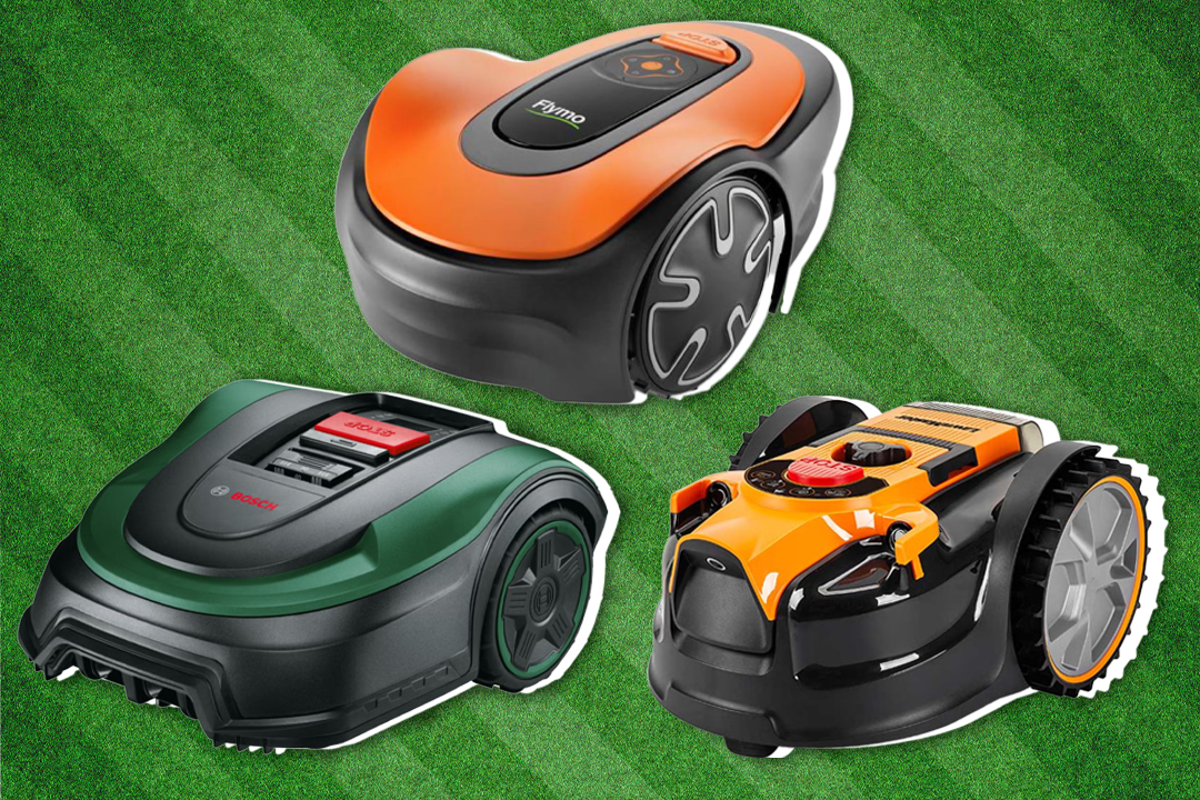
Where Robot Lawn Mowers Perform Well
Robot lawn mowers perform best on lawns that are relatively flat, open, and continuous. A simple rectangular or gently curved yard gives the mower fewer chances to become trapped.
They are especially useful for homeowners who:
- Want a lawn kept at a steady height
- Have limited time or mobility
- Dislike mowing noise
- Have a small or medium-sized lawn
- Can secure the yard from pets and children during operation
- Are comfortable using an app or control panel
- Do not mind doing separate edging work
A robot mower can also help people who find weekly mowing difficult. Instead of one long mowing session, the machine works in shorter cycles. That can make lawn care feel less like a weekend chore and more like background maintenance.
Performance on Different Grass Types
Robot mowers can work with many common U.S. lawn grasses, but growth rate and mowing height matter.
Cool-season grasses such as Kentucky bluegrass, tall fescue, fine fescue, and perennial ryegrass often need regular mowing during spring and fall. Warm-season grasses such as bermudagrass, zoysiagrass, centipedegrass, and St. Augustinegrass may grow most strongly in late spring and summer.
The mower must support the height recommended for your grass. Do not select a model only by its advertised property size. Check its minimum and maximum cutting height, daily mowing capacity, and slope rating.
A useful lawn-care rule is to avoid removing more than about one-third of the grass blade at one time. This principle is widely used by university extension programs, including guidance from the University of Missouri Extension and Purdue University Extension. Robot mowers naturally fit this approach because they cut small amounts often.
Performance on Slopes
Slope performance depends on the mower, surface, grass condition, and direction of travel. A model may claim a certain maximum slope, but wet grass, loose soil, leaves, and uneven ground can reduce traction.
A slope rating is not the same as a promise that the mower will perform well on every hill. Before buying, check:
- The manufacturer’s slope rating
- Whether the rating applies to the entire mowing area
- Whether the mower can cross the slope or must travel up and down it
- The surface condition when wet
- The location of the charging station
- The risk of sliding into a pond, road, wall, or stairway
For steep areas, a human-operated mower may remain the safer choice. Never rely on a robot mower’s obstacle sensors to protect it from every drop-off or hazard.
Where Robot Lawn Mowers Struggle
Robot lawn mowers struggle when the yard contains many interruptions. Narrow passages, separate grass areas, steep banks, thick tree roots, soft soil, and loose gravel can all cause problems.
Common trouble spots include:
- Grass strips narrower than the mower’s recommended passage
- Sharp changes in elevation
- Deep ruts or exposed roots
- Low tree branches
- Children’s toys and sports gear
- Garden hoses and extension cords
- Decorative stones
- Unmarked ponds or retaining walls
- Mulch beds beside the lawn
- Separate front and back yards with no connecting route
Most robot mowers are designed to cut grass, not clear a lawn. A mower may become stuck under a low deck or against a garden border. It may also repeatedly bump into an object that was not included in the setup plan.
Edging Is a Major Limitation
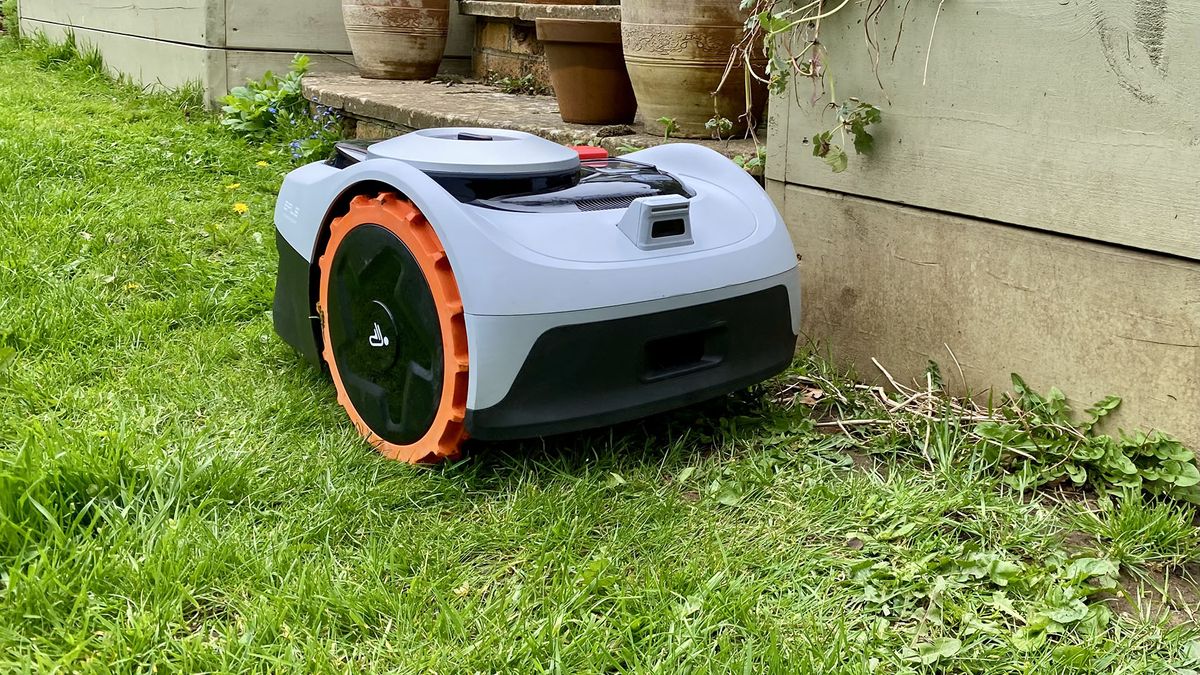
Most robot mowers do not cut perfectly against fences, walls, curbs, and flower beds. Their wheels and body need room to move, so a narrow strip of uncut grass may remain around the edge.
You may still need:
- A string trimmer
- Manual edging shears
- A walk-behind mower
- A separate hard-edge design around beds and paths
Some newer models advertise improved edge cutting. Even then, edge performance depends on the border design and the mower’s cutting position. If a perfect edge is a priority, include trimming time in your cost comparison.
Tall Grass and Overgrown Lawns
A robot lawn mower should not be used as the first tool for an overgrown lawn. Tall grass can increase jams, reduce cutting quality, drain the battery, and stress the cutting system.
Mow the lawn to a suitable height with a conventional mower first. Then set the robot mower to maintain that height. If the grass grows rapidly, adjust the schedule and cutting height according to the grass type and the mower’s manual.

Robot Lawn Mower Safety for U.S. Homes
Robot lawn mowers need the same safety planning as other powered cutting equipment. Their smaller size does not make them harmless. The blades can still cause serious injury, and the mower may move when no one is watching.
Follow the instructions in the exact model’s U.S. manual. Keep children and pets away while the mower operates, especially if they may touch, lift, or chase it. Many models include lift, tilt, collision, and obstacle sensors, but sensors can fail or miss small objects.
Before every mowing cycle:
- Remove toys, stones, sticks, hoses, and sports equipment.
- Keep people and pets away from the mowing area.
- Check for pet waste and other soft debris.
- Confirm that the charging area is clear.
- Make sure pool, pond, and drop-off boundaries are protected.
- Stop the mower before cleaning or handling the blades.
- Disconnect or isolate the battery as the manual directs before service.
- Do not place hands under the mower while it is active.
Pet Safety
Pet safety depends on the animal, the mower, and the yard. A large dog may ignore or damage the mower. A small pet may approach it, lie in its path, or try to bite the blades.
Do not assume a robot mower can detect every animal. Use a schedule that keeps the mower away from pets, and supervise the first several runs. If your pet leaves waste in the yard, remove it before mowing. Soft waste can spread under the deck and create a hygiene problem.
Wildlife Safety
Small wildlife can enter yards, especially at night. Some conservation groups and wildlife researchers have raised concerns about automated mowing and hedgehogs in parts of Europe. Those findings should not be treated as direct measurements of risk for every U.S. lawn, but they support a sensible precaution: avoid unattended nighttime mowing when wildlife is common.
A daytime schedule can also make it easier to monitor children, pets, and unexpected obstacles.
Water and Weather
Many models can operate in light rain, but weather limits vary. Wet grass may reduce traction and increase clumping. Heavy rain, lightning, flooding, and standing water create different risks.
Check the manual before leaving the mower outside during:
- Thunderstorms
- Flooding
- Heavy snow
- Freezing conditions
- Severe heat
- Hurricane or tropical storm conditions
The charging station should sit on a stable surface in the location required by the manufacturer. Do not alter electrical parts or use an outdoor power connection that does not meet local electrical and weather requirements. When in doubt, ask a qualified electrician.

Installation: Wire-Based Versus Wire-Free Models
The boundary system is one of the biggest differences between robot lawn mowers.
Perimeter-Wire Models
Perimeter-wire models use a low-voltage wire placed around the mowing area. The wire may be secured on top of the soil with stakes or buried below the surface.
Advantages include:
- Proven boundary control
- No satellite signal required
- Predictable exclusion zones when installed correctly
- Often lower purchase cost
Disadvantages include:
- Installation takes time
- Wires can break
- Landscaping changes may require rewiring
- Poor installation can create gaps or traps
- Underground utilities and hard surfaces can make placement difficult
You may also need guide wires to help the mower find a charging station or move between lawn sections. Read the installation diagram closely. Small errors can affect the entire mowing pattern.
Wire-Free Models
Wire-free mowers use tools such as GPS, cameras, radio signals, or onboard mapping. Some create a virtual boundary through an app. Others use positioning equipment installed around the property.
Advantages may include:
- Faster lawn changes
- No buried boundary wire
- Easier management of some complex areas
- Digital maps and zone controls
Limitations may include:
- Weak satellite or radio signals
- Problems near tall buildings or dense trees
- More complex setup
- Dependence on an app, network, subscription, or positioning service
- Higher cost
- Boundary errors if the map is poorly created
Wire-free does not mean setup-free. You still need to define no-go areas, test the map, and check how the mower behaves near roads, water, driveways, and flower beds.
How Much Do Robot Lawn Mowers Cost?
The total cost includes more than the mower. It can include installation, boundary wire, stakes, a charging station, replacement blades, battery replacement, repairs, theft protection, and optional connectivity fees.
Prices change often, so compare current U.S. prices rather than relying on an old article. The main cost groups are:
| Cost area | What to check |
|---|---|
| Mower | Lawn capacity, slope rating, cutting width, warranty |
| Installation | DIY time or professional labor |
| Boundary system | Wire, stakes, connectors, beacons, or mapping tools |
| Maintenance | Blades, wheels, cleaning, software support |
| Battery | Expected service life and replacement price |
| Connectivity | Cellular or cloud fees, if required |
| Security | PIN, alarm, GPS tracking, or insurance needs |
| Extra equipment | Garage, spare charger, boundary accessories |
A robot mower can cost more than a basic push mower, even before installation. Its financial value comes mainly from time saved and convenience, not from a guaranteed reduction in total lawn-care cost.
A Simple Ownership Calculation
Use this basic estimate:
Annual ownership cost = purchase price ÷ expected ownership years + yearly maintenance + subscription fees + installation cost ÷ ownership years
For example, this hypothetical calculation uses a $1,500 mower, five years of ownership, $100 in yearly maintenance, and $250 in installation:
- $1,500 ÷ 5 = $300 per year
- $250 ÷ 5 = $50 per year
- Add $100 maintenance
- Estimated annual cost: $450, before electricity and repairs
This is not a prediction of actual cost. Battery life, warranty coverage, labor, and repair prices can change the result.
Maintenance and Reliability
Robot mowers need less daily labor than traditional mowers, but they still need routine care. A neglected mower may lose cutting quality or stop in the yard.
Typical maintenance includes:
- Cleaning grass from the underside
- Replacing or sharpening blades as directed
- Checking wheels and wheel wells
- Inspecting boundary wire and connectors
- Cleaning sensors and charging contacts
- Checking software and map settings
- Inspecting the charging station
- Storing the mower and battery as the manual directs
Do not use a hose or pressure washer unless the manufacturer specifically allows it. Water can damage electronics, bearings, sensors, or charging contacts.
Battery Life and Replacement
Battery life depends on charging cycles, heat, storage, mowing frequency, and the battery design. A battery that loses capacity may cause shorter mowing sessions and more frequent charging.
Before buying, find out:
- Whether the battery is replaceable
- Whether replacement requires a dealer
- The battery warranty period
- Whether the battery is proprietary
- How winter storage should be handled
- Whether software support is needed for normal operation
A mower can remain mechanically sound but become less useful if its battery is expensive or difficult to replace.
Reliability Depends on the Yard
A mower that works well in a flat suburban yard may struggle in a yard with wet clay, pine cones, roots, and narrow passages. Reliability is not only a product feature. It is the result of the mower, the installation, the weather, and the property design.
Look for a clear U.S. warranty, accessible service support, replacement parts, and a manual that explains error codes. Be cautious if a model depends on a service that is not clearly available in your area.

How to Choose a Robot Lawn Mower
Choose by yard conditions first and advertised features second.
1. Measure the Actual Grass Area
Measure the area the mower will cut, not the total lot size. Exclude the house, driveway, deck, beds, pool, and other non-grass areas.
If the yard has several sections, measure each one. Confirm whether the mower can travel between them or whether you must move it by hand.
2. Map Obstacles and Boundaries
Make a simple sketch of:
- Lawn edges
- Trees
- Beds
- Fences
- Slopes
- Sidewalks
- Driveways
- Water
- Narrow passages
- Separate grass zones
This reveals problems that a product page may not show.
3. Check Slope and Surface
Measure or estimate the steepest slope. Look at the surface when wet, not only when dry. Note roots, holes, loose soil, and areas where wheels may lose grip.
4. Decide Between Wire and Wire-Free Control
Choose perimeter wire if you want a simpler signal system and do not mind installation. Consider wire-free control if your lawn changes often or you strongly prefer virtual mapping, but verify signal requirements in your exact yard.
5. Review Cutting and Charging Limits
Check:
- Recommended lawn area
- Maximum slope
- Cutting height range
- Cutting width
- Operating time
- Charging time
- Weather limits
- Noise rating
- No-go zone support
Do not compare lawn capacity numbers unless the manufacturers use similar conditions. A stated maximum area may assume a simple lawn, long operating hours, and favorable weather.
6. Check Service Before Buying
Find the U.S. warranty terms and service process. Search for replacement blades, wheels, batteries, charging parts, and boundary-wire accessories. A low purchase price may not remain low if parts are difficult to obtain.

Common Robot Lawn Mower Mistakes
Many problems come from setup rather than a defective mower.
Mistake 1: Buying for Lot Size
A half-acre lot may contain only a small grass area, or it may contain several disconnected areas. Use the true mowing area and layout.
Mistake 2: Ignoring the Edge Work
A robot mower may leave a narrow strip around fences and beds. Plan for a trimmer or manual edging.
Mistake 3: Leaving Obstacles in the Yard
Small objects can jam the mower or damage the blades. Clear the lawn before scheduled mowing.
Mistake 4: Placing the Charging Station in a Bad Location
The station needs a stable, accessible area with the clearances listed in the manual. Avoid locations that flood, receive heavy runoff, or block the mower’s return path.
Mistake 5: Trusting Sensors to Solve Every Hazard
Sensors are helpful but not perfect. Protect drops, ponds, roads, and other hazards with proper boundaries and physical barriers.
Mistake 6: Mowing at the Wrong Height
Cutting too low can stress the grass. Cutting too high may reduce the mower’s ability to maintain the lawn. Follow the needs of your grass type and local growing conditions.
Mistake 7: Skipping Winter Storage
Cold, wet, and freezing conditions can damage the mower or battery. Use the storage instructions for the exact model.

Who Should Buy a Robot Lawn Mower?
A robot lawn mower is a strong fit when you have a small or medium-sized lawn, a clear boundary, moderate slopes, and a desire to reduce routine mowing.
It may be especially useful for:
- Older homeowners
- People with limited mobility
- Busy families
- Homeowners who dislike noise
- People who want frequent light mowing
- Yard owners who can manage setup and maintenance
A conventional mower may be better when you have:
- A very steep or uneven lawn
- Tall weeds or frequent overgrowth
- Many disconnected areas
- Heavy leaf fall
- A need for strong edging
- A very limited budget
- Children or pets who cannot be kept away from the mower
- Frequent landscaping changes
For many homes, the most practical arrangement is a robot mower for routine grass cutting plus a string trimmer or conventional mower for edges, rough areas, and seasonal cleanup.
Key Takeaways
- Robot lawn mowers are good at maintaining suitable lawns, not reclaiming overgrown ones.
- They work best on open, continuous lawns with moderate slopes.
- Setup quality has a major effect on performance.
- Edge trimming is still commonly required.
- Safety sensors help but do not replace supervision and proper boundaries.
- Compare total ownership cost, not just the purchase price.
- Check battery replacement, warranty, service, and local connectivity before buying.
- A robot mower is most valuable when it saves repeated time over several mowing seasons.
FAQs About Robot Lawn Mowers
Do robot lawn mowers really cut well?
Yes, they can cut well when used regularly at the correct height. They work by removing small amounts of grass often. They may perform poorly if the grass is tall, wet, thick, or uneven.
Can a robot lawn mower handle a hill?
Some can handle moderate slopes, but the exact limit varies. Wet grass and loose soil reduce traction. Check the model’s slope rating and test the most difficult part of the lawn before relying on it.
Do robot lawn mowers cut to the edge?
Usually not perfectly. Most leave some grass near walls, fences, curbs, and beds. Plan to use a string trimmer or manual edger.
Are robot lawn mowers safe around dogs?
They can be used around dogs only with careful supervision and scheduling. Keep pets away during operation, remove pet waste, and do not assume the mower will detect every animal.
Can a robot lawn mower work in rain?
Some models tolerate light rain, but limits vary. Wet grass can reduce traction and increase buildup. Follow the manual and stop operation during severe weather, flooding, or lightning.
How long do robot lawn mower batteries last?
Battery life varies with the battery type, climate, mowing schedule, and charging cycles. Before buying, check the battery warranty, replacement price, and whether the owner can replace it.
Do robot lawn mowers save money?
They may save the value of your time, but they do not always cost less than a conventional mower. Include installation, blades, batteries, repairs, subscriptions, and edge work in the comparison.
Conclusion: Are Robot Lawn Mowers Worth It?
Robot lawn mowers are worth considering when your main goal is steady, low-effort lawn maintenance. They can keep suitable U.S. lawns neat while you spend less time pushing a mower.
They are not ideal for every property. Steep slopes, rough ground, complex layouts, heavy leaf fall, pets, and poor boundary design can reduce their value. Before buying, measure the real mowing area, inspect the difficult parts of the yard, and compare the full ownership cost.
The best next step is to draw your lawn layout and list its slopes, obstacles, edges, and separate sections. Use that information to check each mower’s U.S. manual, operating limits, warranty, and replacement-part availability.


