How Much Does A Riding Mower Weigh: By Type & Model
A riding mower can weigh anywhere from about 300 pounds to more than 1,500 pounds. Most common lawn tractors fall between 450 and 700 pounds. Zero-turn mowers often weigh 600 to 1,000 pounds, while heavy commercial models can exceed 1,200 pounds. Electric riding mowers may weigh more than gas models because of their battery packs.
Weight matters for more than transport. It affects traction, slope safety, tire marks, garage storage, trailer choice, fuel use, and how easily one person can move the machine. A light mower may suit a small, flat yard. A heavier mower may feel steadier on uneven ground, but it can damage soft turf and become hard to push when the engine is off.
This guide explains the average riding mower weight by type and model. It also covers lawn tractors, rear-engine riders, zero-turn mowers, electric models, compact tractors, ramps, storage, slopes, and buying mistakes. Whether you are a first-time homeowner, an experienced DIY user, or a family member shopping for a senior, the right weight depends on the yard and the person using it.

Quick answer: How much does a riding mower weigh?
A typical riding mower weighs about 450 to 700 pounds without fuel or a grass catcher. Rear-engine riding mowers are often the lightest, at roughly 300 to 500 pounds. Lawn tractors commonly weigh 450 to 700 pounds. Residential zero-turn mowers often range from 600 to 900 pounds, while commercial zero-turns may weigh 900 to 1,300 pounds or more.
Electric riding mowers can weigh 500 to 1,000 pounds, depending on battery size and deck width. Add fuel, a bagger, mulch kit, weights, or a snow blade, and the operating weight can rise by 20 to 150 pounds.

The table below gives a useful starting point. These are broad ranges, not exact specifications. Always confirm the shipping weight, dry weight, and operating weight on the product page or in the owner’s manual.
| Riding mower type | Average weight range | Best match |
|---|---|---|
| Rear-engine rider | 300–500 lb | Small, flat yards |
| Lawn tractor | 450–700 lb | Medium to large lawns |
| Garden tractor | 600–1,000 lb | Large yards and attachments |
| Residential zero-turn | 600–900 lb | Open yards with few obstacles |
| Commercial zero-turn | 900–1,300+ lb | Large properties and frequent use |
| Electric riding mower | 500–1,000 lb | Quiet mowing and lower routine service |
The main takeaway is simple: deck width, frame strength, engine size, transmission, and battery capacity all add weight. A 42-inch mower is usually lighter than a 54-inch mower, but the design and equipment package can change the result.
Why riding mower weight varies so much
Riding mower weight changes because manufacturers build different machines for different yards. A light rear-engine rider may use a small frame, a single-cylinder engine, and a narrow stamped-steel deck. A heavy zero-turn may use a welded deck, large tires, two hydraulic drives, a larger engine, and a reinforced frame.

Deck size and deck construction
The deck is the housing around the mower blades. It may be made from stamped steel or welded steel.
Stamped decks are pressed from one sheet of metal. They keep the mower lighter and often cost less. They can suit homeowners who mow maintained grass on a regular schedule.
Welded decks use several pieces of steel joined together. They are often heavier and more rigid. This design can suit rough ground, frequent use, or buyers who want a machine built for repeated commercial-style work. It also adds cost and may make loading more difficult.
A 38- or 42-inch deck usually weighs less than a 48-, 54-, or 60-inch deck. The larger deck also needs a wider frame and stronger support parts.
Engine, transmission, and drive system
Engine size is often listed in cubic centimeters, or cc. Cubic centimeters measure engine displacement. A larger engine does not always mean a better mower, but it often adds weight.
A hydrostatic transmission uses hydraulic fluid to control ground speed. It is common on modern lawn tractors and zero-turn mowers. Hydrostatic systems are easy to operate, but the pump, fluid, and drive parts add weight.
A zero-turn mower has two drive systems, one for each side. This lets the operator control each rear wheel separately and turn within a small space. The dual drive system is one reason zero-turn mowers are usually heavier than rear-engine riders.
Batteries and electric drive parts
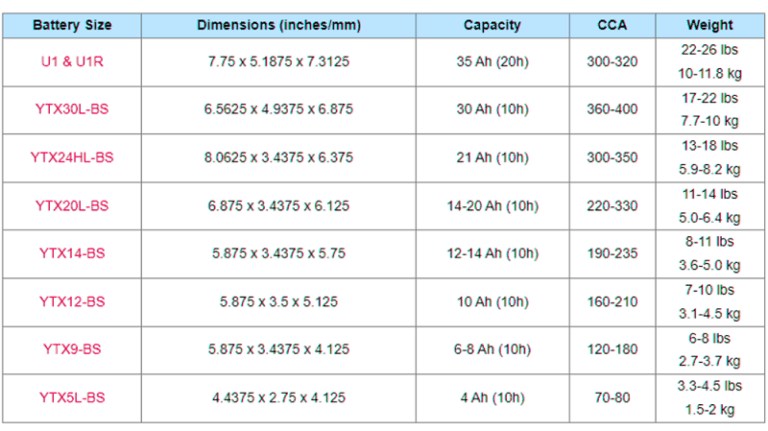
Battery-powered riding mowers have large lithium-ion battery packs. Some use one battery, while others use several modules. A battery pack can add significant weight compared with a small gas tank and fuel system.
That extra weight sits low in the frame. This can help the mower feel stable, but it also raises the load on tires, ramps, trailers, and garage floors. Battery weight varies by voltage, amp-hours, and mower design.
Amp-hours, or Ah, describe battery capacity. A higher Ah number usually means more stored energy, but it does not alone tell you the total mowing time. Grass height, blade speed, slope, temperature, and deck width also affect energy use.
Accessories and attachments
The advertised mower weight may not include useful accessories. A rear bagger, front blade, tow cart, striping kit, mulching kit, tire chains, wheel weights, or sun canopy can add extra load.
Fuel also adds weight. Gasoline weighs about six pounds per gallon. A full tank may add 8 to 15 pounds, depending on tank size. A battery mower does not gain fuel weight during use, but its battery pack may be included or excluded in the listed specification.
| Part or accessory | Typical added weight | Why it matters |
|---|---|---|
| Fuel in tank | 8–15 lb | Raises operating weight |
| Twin grass bagger | 40–100 lb | Adds rear load and length |
| Mulching kit | 5–20 lb | Usually a small weight increase |
| Front snow blade | 100–250 lb | Changes steering and traction |
| Wheel weights | 20–100 lb | Improve traction but increase turf load |
| Tow cart or spreader | Varies | Adds rolling or tongue weight |
Check whether a listing shows shipping weight, machine weight, or operating weight. Those terms are not always used in the same way. A dealer may also list a mower without the battery, bagger, or cutting deck.
Average riding mower weight by type
The best mower type depends on yard size, slope, obstacles, storage, and operator comfort. Weight is one part of the choice, not the only measure.

Rear-engine riding mowers
Rear-engine riders are often the lightest riding mowers. Most weigh about 300 to 500 pounds. They usually have a narrow 30- to 38-inch cutting deck and a compact frame.
This type suits small yards where a push mower feels tiring but a full lawn tractor feels too large. It can work well for a flat lot with a gate, small shed, or narrow driveway. It is also easier to load than a large tractor, though a strong ramp and a helper are still wise.
Rear-engine riders have limits. They may have smaller tires, less ground clearance, and less power for tall wet grass. They are not the first choice for steep slopes, rough fields, heavy towing, or large lawns with many acres.
Lawn tractors
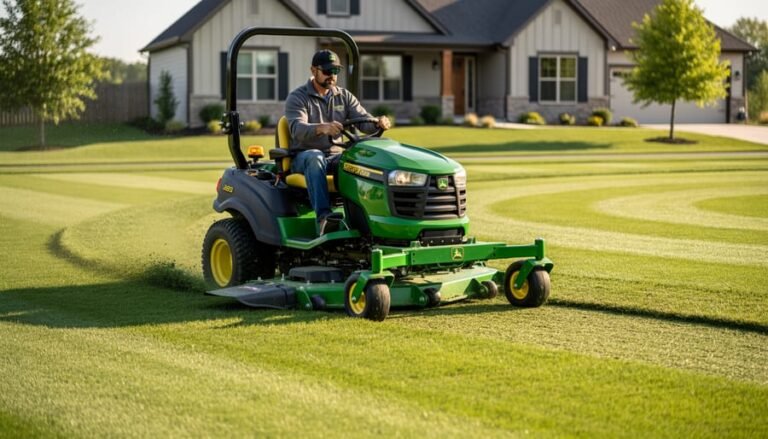
Lawn tractors usually weigh about 450 to 700 pounds. They often use a front-mounted engine and a 38- to 54-inch deck. Many have hydrostatic transmissions and a comfortable high-back seat.
A lawn tractor suits medium to large residential yards. It can handle mowing, light towing, and some seasonal attachments. It is a practical choice for a homeowner who wants one machine for grass cutting and occasional yard work.
The main drawback is turning space. A lawn tractor needs more room to turn than a zero-turn mower. It may also leave uncut patches around trees, beds, and fences. A string trimmer or push mower may still be needed for edges.
Garden tractors
Garden tractors are heavier and stronger than most lawn tractors. Many weigh between 600 and 1,000 pounds. They often use a stronger frame, larger tires, heavier axles, and a more durable transmission.
This type fits large properties, rougher ground, and owners who plan to use attachments. Some can tow carts, spreaders, aerators, or snow equipment. A garden tractor can be a good match for a rural property with more than one acre and regular hauling needs.
More weight does not make a garden tractor safe on every slope. A heavy machine can gain momentum if it starts to slide. Read the manual’s slope guidance and avoid mowing across steep hills unless the manufacturer allows it.
Residential zero-turn mowers
Residential zero-turn mowers commonly weigh 600 to 900 pounds. Compact models with 34- to 42-inch decks may be lighter. Wide 48- to 54-inch models with welded decks may be heavier.
A zero-turn suits open lawns with trees, islands, and beds. Its two steering levers let it turn around obstacles and reduce time spent making wide turns. It is often a good choice for a large, mostly flat yard.
Zero-turn mowers are not ideal for every user. They can feel unfamiliar to a beginner. Many are less comfortable on slopes, wet grass, or uneven ground than a suitable lawn tractor. Some models also need a wider gate and a larger storage area.
Commercial zero-turn mowers
Commercial zero-turn mowers often weigh 900 to 1,300 pounds or more. They may use a thick welded deck, a heavy frame, large rear tires, commercial-grade hydraulic pumps, and a powerful V-twin engine.
This weight suits landscapers and owners who mow many acres each week. It can support long work sessions and repeated use. The trade-off is a higher purchase price, more storage space, and a greater need for a suitable trailer or loading system.
A commercial zero-turn is usually excessive for a small suburban yard. It may also compact soft soil and leave deep tire marks after rain. Buyers should not pay for commercial weight unless they will use the machine often enough to benefit from its build.
Electric riding mowers
Electric riding mowers range from about 500 to 1,000 pounds. A compact electric rider may be near the lower end. A wide electric zero-turn with a large battery system may be near or above the upper end.
Electric models can suit neighborhoods with noise concerns, users who want to avoid gasoline storage, and owners who already use a compatible battery platform. They often need less routine engine service because there is no spark plug, engine oil, or air filter for a gas engine.
The battery is the main replacement cost. Cold weather can reduce battery performance, and wet, tall grass can use more energy. Store the mower and battery as the manual directs. Do not charge a lithium-ion battery with a damaged cord or in a place where water can reach the charger.
| Type | Common deck width | Typical weight | Yard and user fit |
|---|---|---|---|
| Rear-engine rider | 30–38 in. | 300–500 lb | Small, flat yards; new users |
| Lawn tractor | 38–54 in. | 450–700 lb | Medium lawns; general home use |
| Garden tractor | 48–60 in. | 600–1,000 lb | Large yards; towing and attachments |
| Residential zero-turn | 34–54 in. | 600–900 lb | Open, mostly flat lawns |
| Commercial zero-turn | 48–72 in. | 900–1,300+ lb | Large properties; frequent mowing |
| Electric rider or zero-turn | 30–60 in. | 500–1,000 lb | Noise-sensitive areas; low engine service |
A lighter machine is easier to transport, but a heavier machine may have stronger components. The right balance depends on your grass, soil, slopes, gates, and storage.
Riding mower weight by popular model class
Exact specifications change by deck size, engine, battery, and package. The examples below show common model classes rather than fixed promises. Check the latest manufacturer listing before buying.

Compact rear-engine models
Compact rear-engine models from brands such as Murray, Troy-Bilt, and similar equipment makers often fall in the 300- to 500-pound range. Their cutting decks may measure about 30 to 38 inches.
These machines suit a homeowner with a small yard who wants a seated mower. They can also suit a senior who finds a walk-behind mower tiring, provided the controls are easy to reach and the property is flat.
Skip this class if you need to tow often, mow rough pasture-like grass, or handle steep hills. The small frame may not provide the traction or ground clearance you need.
Common lawn tractor models
Popular lawn tractor families from John Deere, Cub Cadet, Husqvarna, Craftsman, and similar brands often weigh about 500 to 700 pounds. A 42-inch model usually weighs less than a 54-inch version from the same family.
These tractors fit many suburban and rural residential yards. They are easier to learn than a zero-turn because the steering wheel feels familiar. They also provide a wider choice of baggers, mulch kits, carts, and snow tools.
The drawback is slower obstacle work. If your yard has many trees and islands, you may spend more time turning and trimming. The lawn tractor may also be too large for a narrow gate or compact shed.
Residential zero-turn model classes
Entry-level residential zero-turn models often weigh around 600 to 800 pounds. Larger residential models may approach 900 pounds. Their decks may range from 34 to 54 inches.
This class suits an owner with a mostly open yard who wants faster turns. It can reduce the need to circle trees and garden beds. It is also useful for a gift buyer shopping for someone who already understands lever steering.
A zero-turn should be skipped when the yard has steep slopes, tight gate access, or many rough areas. It can also be a poor gift if the recipient has limited hand strength or has never used steering levers.
Heavy commercial models
Commercial families from brands such as Scag, Exmark, Ferris, Hustler, Toro, and similar manufacturers may weigh 900 pounds or more. Some wide-deck machines pass 1,200 pounds.
They suit landscape crews, large estates, sports fields, and owners who mow many hours each week. They often use heavy welded decks and larger fuel tanks.
Their drawbacks are clear. They cost more, take more room, and require a proper trailer, ramp, or loading dock. They are usually too much machine for a small residential lawn.
Electric model classes
Electric riding tractors and zero-turns vary widely. A compact electric tractor may weigh about 500 to 700 pounds. A broad electric zero-turn with several batteries may reach 800 to 1,000 pounds.
This class suits a user who values quieter operation and does not want to handle gasoline. It may also work well in a neighborhood with noise limits, if local rules allow riding mower use during the chosen hours.
Do not assume every battery fits every mower. Confirm voltage, amp-hours, connector type, battery count, charger type, and replacement cost. A battery platform from a handheld tool may not power a riding mower.
What mower weight means for your yard
Mower weight affects soil, traction, slope control, transport, and storage. It should match the ground rather than simply follow a “heavier is better” rule.

Flat lawns and small yards
A light rear-engine rider or compact lawn tractor can suit a flat yard under an acre. It is easier to store and may fit through a standard gate. A 30- to 42-inch deck can also reduce the number of passes without making the mower too wide.
For very small lots, a push mower, self-propelled mower, reel mower, robotic mower, or battery mower may be a better value. A riding mower takes more space and needs more service, even when the yard is small.
Large open lawns
A wider lawn tractor or residential zero-turn can suit a large open property. Weight is less of a concern when the soil is firm and access is easy. A 48- to 54-inch deck may reduce mowing time, but the mower must still fit through gates and around trees.
A zero-turn is often useful when the lawn has long open runs and many obstacles. A tractor may be the better choice when you need a tow cart, snow blade, or other attachment.
Hilly lawns
Slope safety matters more than raw mower weight. A heavy mower can feel stable on firm ground, but it can also slide or gain force if traction is lost. A zero-turn may be difficult to control across a slope, especially on wet grass.
Follow the slope limits in the manual. In many cases, mowing up and down a suitable slope is safer than crossing it, but the correct method depends on the machine and terrain. Never mow wet grass on a slope.
For hilly lawns, consider a walk-behind mower, self-propelled mower designed for slopes, or a specialized machine. A professional lawn service may be safer than forcing a riding mower into terrain it was not designed to handle.
Soft soil and wet climates
Heavy mowers can leave ruts in wet soil. Turfgrass bends under tire pressure, and saturated soil can compact or tear easily. Wait until the ground firms up before mowing.
Wide tires can spread the load over a larger area. Lower tire pressure may also reduce turf damage, but use only the pressure range listed in the manual. Overly low pressure can damage the tire or affect steering.
Drought and hard ground
Dry soil may become hard and dusty. Heavy tires can still mark turf if the grass is thin or stressed. Mow at the correct height for your grass type, keep blades sharp, and avoid turning sharply in one spot.
A mulching kit returns fine clippings to the lawn when conditions allow. Mulching means cutting clippings into small pieces and leaving them on the turf. Do not mulch long, wet grass if it will form clumps.
| Yard condition | Weight concern | Practical choice |
|---|---|---|
| Small and flat | Storage and gate width | Rear-engine rider or compact tractor |
| Large and open | Deck size and transport | Lawn tractor or residential zero-turn |
| Hilly | Traction and slope control | Manual-approved tractor or walk-behind |
| Soft or wet soil | Ruts and compaction | Lighter machine with suitable tires |
| Rough rural ground | Frame and clearance | Garden tractor or specialized mower |
The best way to choose weight is to match it to soil strength and terrain. Measure the yard, gate width, slope, and storage area before you shop.
How to transport a riding mower safely
A riding mower may be too heavy for a pickup tailgate or small utility trailer. Know the mower’s loaded weight before you choose ramps or tie-downs.

Choosing a trailer and ramps
Add the mower, fuel, bagger, accessories, and any tools when calculating trailer load. Stay below the trailer’s rated capacity. A ramp should have a weight rating above the mower’s actual operating weight.
Use ramps with a safe angle and a full-width surface. Narrow ramps can let a tire slip off. Secure the ramps to the trailer so they cannot move during loading.
A winch can help with a heavy mower, but it does not replace wheel chocks, straps, or careful positioning. Keep bystanders away from the loading path.
Tie-down points
Use strong frame points approved by the manufacturer or trailer maker. Do not strap only to a plastic hood, steering part, deck lift, or thin body panel.
Use rated straps and tighten them enough to prevent movement without crushing parts. Place the mower in park, turn off the engine, remove the key, and follow the manual for fuel shutoff and battery steps.
Pickup trucks and tailgates
A mower’s weight may be greater than a pickup tailgate rating. The tailgate can bend or fail even when the truck itself can carry the machine. Use a trailer or a loading system designed for the mower.
Never ride on the mower during loading. Keep the engine off while using a winch, and never stand behind a machine that could roll backward.
⚠️ Safety Warning: Wear eye and hearing protection and closed-toe shoes. Clear debris first, keep children and pets away, never mow wet grass on slopes, and disconnect the spark plug or remove the battery before servicing. Never refuel a hot engine, and follow the owner’s manual.
Storage, garage floors, and weight limits
Storage space must hold more than the mower’s footprint. Allow room to open the hood, remove the battery, check oil, sharpen blades, and move around the machine.

Garage and shed storage
A typical riding mower may fit in a one-car garage, but a 54-inch deck plus bagger needs more width and length. Measure the door opening, not just the room inside. Check the height if the mower has a sun canopy or rollover protection system.
Sheds need a floor that can support the mower and operator. A heavy garden tractor or commercial zero-turn may require reinforced joists or a concrete pad. Ask a qualified builder if you are unsure about the floor rating.
Moving a disabled mower
When the engine will not run, a heavy mower can be hard to move by hand. A hydrostatic transmission may have a bypass or freewheel release for pushing. Use the instructions in the manual.
Do not drag a locked wheel or force a steering lever. A floor jack, mower dolly, or winch can help, but use equipment rated for the mower’s weight. Ask for help rather than risking a back injury.
Long-term storage
Keep gas mowers dry and protected from rain. Use fresh fuel and fuel stabilizer as directed. Old gasoline can cause hard starting, clogged carburetor parts, and fuel-system damage.
Remove and store batteries as the manual directs. Do not leave a lithium-ion battery in extreme heat, freezing conditions, or a damp shed unless the manufacturer allows it.
What to look for besides weight
Weight helps you compare models, but it cannot tell you everything about mower value. Check the parts and features that affect safety, comfort, service, and long-term cost.
Cutting width and mowing height
Cutting width tells you how much grass the deck covers in one pass. A wider deck can reduce passes on open ground. It may be less useful in a yard with narrow paths and many trees.
Mowing height is the distance between the blade and the soil. The correct height depends on grass type and season. A deck with an easy height adjustment can help a new user avoid scalping the turf.
Engine and service access
Gas engines need oil changes, spark plugs, air filters, fuel checks, and blade service. A larger engine may handle heavy grass better, but it may also use more fuel and cost more to service.
Electric mowers remove many engine tasks. They still need sharp blades, clean decks, tire checks, belt checks, and battery care. Electric does not mean maintenance-free.
Transmission and control layout
Hydrostatic drive is simple for many homeowners. It lets the operator change speed without shifting gears. A zero-turn uses steering levers, while a tractor uses a steering wheel and pedals.
For seniors or first-time users, sit on the mower if possible. Check pedal effort, lever reach, seat adjustment, visibility, and the ease of getting on and off. A mower that is too heavy or complex may not be a thoughtful gift.
Noise and neighbors
Gas mowers often create more engine noise than electric models. Noise level depends on engine speed, deck, blade condition, and surroundings. Use hearing protection even if the mower feels quiet.
HOAs and cities may set mowing hours or restrict certain gas equipment. Confirm local rules before buying. An electric model may reduce noise, but it still produces blade and tire sound.
Parts and repair support
Blades, belts, spark plugs, air filters, tires, batteries, and deck spindles wear over time. Check that replacement parts are easy to find in your area.
Ask whether the brand has local dealers and repair support. A low purchase price may not save money if parts are hard to obtain. Confirm part numbers in the manual and on the product page.
The next table focuses on practical features rather than brand names. It can help narrow your search before you compare exact models.
| Feature | Helps when | Limitation |
|---|---|---|
| Hydrostatic drive | You want simple speed control | Repairs can cost more |
| Welded deck | You mow often or on rough ground | Adds weight and price |
| Mulching kit | You mow often and grass is dry enough | Can struggle with tall, wet grass |
| Bagger | You need collected clippings or leaves | Adds weight and storage needs |
| Electric drive | You want less engine service | Battery replacement can be costly |
| Zero-turn steering | You have open ground and obstacles | Less suited to steep slopes |
A useful mower is not always the lightest or heaviest. It is the one that fits your yard, body, storage, and repair budget.
Price tiers and long-term ownership cost
Mower weight often rises with price, but price is also shaped by deck design, engine, transmission, warranty, battery system, and dealer support.
Entry-level riding mowers
Entry-level riders often have narrow decks, lighter frames, and basic features. They may suit a first-time homeowner with a flat yard and a modest budget.
The trade-off may include a stamped deck, smaller tires, less seat adjustment, and fewer attachment options. These models can be sensible when the mowing task is simple. They are less suitable for rough land or frequent commercial use.
Midrange lawn tractors and zero-turns
Midrange machines often add hydrostatic drive, stronger seats, better deck access, and more engine choices. They suit homeowners who mow regularly and want easier operation.
This tier can offer a good balance for a medium or large residential yard. Still, compare service access and parts availability. A heavier machine is not a bargain if it will sit unused because it is hard to maneuver or store.
Premium and commercial models
Premium models may use welded decks, stronger transmissions, better suspension seats, and commercial hydraulic systems. They suit large properties, professional crews, and users who mow many hours each week.
Their higher weight can be an advantage for durability but a drawback for transport and turf pressure. They also need more room and may cost more to repair.
| Price tier | Typical user | Main concern |
|---|---|---|
| Entry level | Small or medium residential yard | Fewer heavy-duty parts |
| Midrange | Regular homeowner use | Compare warranty and service |
| Premium | Large property or demanding use | High cost and storage needs |
| Commercial | Landscape contractor or estate | Often excessive for small yards |
Avoid hard-coded prices because retail listings change with season, promotions, batteries, and attachments. Check current listings and include delivery, assembly, tax, maintenance, and accessories in the budget.
Common buying mistakes
Many mower problems begin before the first cut. A few measurements and questions can prevent an expensive mismatch.
Buying by deck width alone
A wide deck is not always faster. It may not fit your gate, shed, trailer, or narrow lawn sections. It may also add weight and increase the turning radius.
Measure the narrowest gate and path. Then compare the mower’s actual width, not only the advertised cutting width.
Ignoring slope limits
A rider that feels stable on a driveway may behave differently on wet grass. Read the manual before using any riding mower on a slope.
Do not assume a heavier zero-turn is automatically safer. Choose a machine designed for your terrain and follow the approved mowing direction.
Forgetting shipping and operating weight
Shipping weight may include a crate, deck, battery, or other parts. Dry weight may exclude fuel. Operating weight may include some equipment but not a bagger.
Ask the dealer which number you need for your trailer, ramp, garage floor, or lift. When in doubt, plan for the higher number.
Giving a zero-turn as an unplanned gift
A zero-turn can be hard to learn. Lever control, speed, slope handling, and wide dimensions may not suit the recipient.
🎁 Gift-Buyer Note: For a senior or new homeowner, ask about yard size, slope, gate width, storage, hand strength, and mowing experience before buying. A comfortable compact tractor may be a better gift than a powerful zero-turn.
Skipping test-fit and controls
Sit in the seat. Reach the pedals or levers. Check the steering effort and visibility. Make sure the user can stop, reverse, and disengage the blades without confusion.
A dealer demonstration is useful. If buying online, review the manual and return policy before delivery.
Forgetting the first service
New gas mowers still need setup. The dealer or owner may need to install the seat, steering wheel, battery, discharge chute, and deck parts. Assembly may take 30 minutes to several hours.
Check oil level, tire pressure, blade engagement, safety switches, and fasteners before mowing. Follow the break-in and service schedule.
How the mower was compared
The weight ranges in this guide reflect common design differences across rear-engine riders, lawn tractors, garden tractors, residential zero-turns, commercial zero-turns, and electric riding mowers. Exact figures vary by manufacturer and configuration.
The most useful comparison points are:
- Machine weight with and without fuel or battery
- Cutting deck width and construction
- Engine or motor system
- Transmission type
- Tire size and traction
- Slope and terrain suitability
- Gate, trailer, and storage needs
- Maintenance and replacement parts
- User comfort and control layout
- Local noise, fuel, and HOA rules
Manufacturers can update a model, change a deck package, or list a new battery configuration. Confirm deck size, battery compatibility, voltage, amp-hours, blade type, replacement part numbers, and current weight before ordering.
Frequently asked questions
Q: What is the average weight of a riding lawn mower?
A: Most riding lawn mowers weigh about 450 to 700 pounds. Compact rear-engine riders may weigh 300 to 500 pounds. Residential zero-turn mowers often weigh 600 to 900 pounds, while commercial machines can exceed 1,000 pounds.
Q: How much does a 42-inch riding mower weigh?
A: Many 42-inch lawn tractors weigh roughly 450 to 650 pounds. The exact weight depends on the engine, frame, transmission, deck material, battery, and accessories. Check the manufacturer’s specification sheet for the exact model.
Q: How much does a riding mower weigh with a bagger?
A: A bagger can add about 40 to 100 pounds, depending on the number and size of the bags. Clippings also add weight as the bags fill. Include the bagger and full fuel tank when choosing a trailer or ramp.
Q: Are electric riding mowers heavier than gas mowers?
A: Some are. Large battery packs can make electric riding mowers heavier than similar gas models. A compact electric mower may still weigh less than a large gas tractor. Compare the complete machine weight and battery package.
Q: What is the lightest type of riding mower?
A: Rear-engine riding mowers are usually the lightest. Many weigh between 300 and 500 pounds. They suit small, flat yards but may not provide enough traction, clearance, or power for rough land or steep slopes.
Q: Is a heavier riding mower better?
A: Not always. Extra weight can support a stronger frame and steadier feel, but it can also cause ruts, increase transport difficulty, and compact soft soil. Choose weight based on your terrain, yard size, storage, and workload.
Q: Can one person move a riding mower?
A: A person may move a small mower on a flat surface, but a disabled or heavy mower can be difficult and unsafe to push. Use the transmission bypass, mower dolly, winch, or approved lifting equipment described in the manual. Do not force the machine.
Q: What size trailer do I need for a riding mower?
A: The trailer must support the mower’s full loaded weight, including fuel, bagger, ramps, and accessories. It also needs enough width and length for safe tie-down. Check the trailer rating and mower dimensions before loading.
Q: Can a riding mower go in a pickup truck?
A: Some compact riders can fit in a properly equipped truck bed, but the tailgate may not support the load. Use a trailer or loading system rated for the mower. Never rely on an unverified tailgate rating.
Q: What riding mower is best for a small yard?
A: A compact rear-engine rider or narrow lawn tractor may suit a small, flat yard. For very small lots, a self-propelled battery mower, reel mower, robotic mower, or push mower may cost less and store more easily.
Q: What mower is best for hills?
A: The best choice depends on the slope, surface, grass, and manufacturer limits. A suitable lawn tractor or walk-behind mower may be safer than a zero-turn on some hills. Never mow wet grass on a slope, and follow the owner’s manual.
Q: How long does a riding mower last?
A: Service life varies with design, use, storage, maintenance, and repair quality. A homeowner who changes oil, cleans the deck, sharpens blades, checks belts, and stores the mower properly may use it for many years. Commercial use causes faster wear.
Q: What wears out first on a riding mower?
A: Blades, belts, tires, battery packs, spark plugs, air filters, deck spindles, and battery cables are common wear items. Wet grass, dust, poor storage, skipped service, and heavy loads can shorten part life.
Q: Do local rules affect riding mower choice?
A: Yes. Cities, HOAs, and neighborhoods may set quiet hours, restrict gas equipment, or regulate fuel storage. Confirm rules with your city and HOA. Store gasoline and dispose of old fuel and oil as local laws require.
Q: Can a riding mower damage a lawn?
A: Any mower can damage turf if used on wet soil, turned sharply, set too low, or operated with poor tire pressure. Heavy machines can leave deeper ruts. Mow when the soil is firm and use the correct mowing height for your grass.
Final advice
The average riding mower weighs about 450 to 700 pounds, but the useful answer depends on the mower type. Choose a 300- to 500-pound rear-engine rider for a small, flat yard. Consider a 450- to 700-pound lawn tractor for general residential work. Look at a 600- to 900-pound residential zero-turn for a large, open lawn with few slopes. Reserve 900-pound-plus commercial models for demanding, frequent use.
Before you buy, measure the yard, gate, driveway, trailer, and storage space. Check slope limits, deck width, operating weight, battery details, replacement parts, and local rules. Think about the person using the mower, too. A lighter, simpler machine may be a safer and kinder choice for a senior or new homeowner.
Wear eye and hearing protection, closed-toe shoes, and work gloves when appropriate. Clear sticks and stones, keep children and pets away, disconnect the spark plug or remove the battery before service, and never refuel a hot engine.
Recycle lithium-ion batteries through approved drop-off sites. Take old gas and oil to a hazardous-waste facility. If the mower still works, consider donating it or using a local reuse program instead of sending it to a landfill.
Affiliate disclosure: This article may contain affiliate links. If you buy through a link, we may earn a commission at no extra cost to you. Product details and availability can change, so confirm current specifications, compatibility, warranty terms, and pricing with the manufacturer or retailer before purchasing.