
How Long Do Riding Lawn Mowers Last: Lifespan Guide
A riding lawn mower can last about 10 to 15 years with steady care, and some well-serviced machines run for 20 years or more. A neglected mower may show major problems in five to eight years. The real answer depends on engine hours, build quality, mowing conditions, storage, repair history, and the care given to parts that wear out first.
A riding mower is a major tool, not a small appliance. It works through heat, dust, vibration, wet grass, slopes, and long periods of hard use. Yet many failures are not the end of the machine. A worn belt, dead battery, dull blade, clogged air filter, or bad spark plug can often be replaced at a reasonable cost.
This guide explains how long riding lawn mowers last, what affects their lifespan, how to maintain them, and when repair no longer makes financial sense. It also covers gas and electric riding mowers, zero-turn models, storage, safety, climate, and replacement choices for small yards, large lots, hills, seniors, DIY users, and gift buyers.

Quick answer: how long does a riding lawn mower last?
A riding lawn mower usually lasts 10 to 15 years, or about 500 to 1,500 operating hours, when maintained and stored well. Heavy-duty commercial-style models may last longer, while low-cost residential machines may need major repairs sooner. Replace the mower when repair costs, downtime, rust, deck damage, or transmission trouble outweigh the value of the machine.

Engine hours often tell more than age. A 12-year-old mower used on a small, flat lot may be in better shape than a five-year-old mower used every week on wet hills. Ask about service records, oil changes, belt replacements, deck rust, and storage before buying a used mower or giving one as a gift.
What determines a riding mower’s lifespan?
The main factors are build quality, engine hours, mowing conditions, maintenance, and storage. These factors work together, much like links in a chain. If one link fails, the mower may wear faster.

Engine design and build quality
Gas riding mowers use an internal combustion engine. Engine size is often shown in cubic centimeters, or cc. A larger engine may handle wider decks, thick grass, and hills better, but it can also use more fuel and cost more to service.
A basic residential mower may serve a homeowner well on a mostly flat lot. A stronger frame, serviceable transmission, welded deck, and commercial-style engine may suit large lawns, rough ground, or frequent use. Do not judge quality by engine size alone. Check the frame, deck material, axle design, steering parts, warranty, and access to replacement parts.
Battery riding mowers use rechargeable lithium-ion battery packs. They have fewer engine parts because there is no oil, spark plug, air filter, or fuel system. However, the battery is a high-cost wear item. Its useful life depends on charge cycles, storage temperature, load, and care.
Hours of use matter more than the calendar
Manufacturers and dealers often use engine hours to judge service intervals. A mower used for 40 hours each season may take many years to reach the same wear as a machine used for 200 hours each season.
Keep a simple log. Write down the date, hour reading, oil change, blade service, belt replacement, tire repair, and battery replacement. This record helps you plan maintenance and can raise the value of a mower you sell.
Yard conditions speed up wear
A flat, dry, smooth lawn is easier on a mower than a rough, wet, sloped, or sandy yard. Thick turfgrass makes the engine work harder. Wet grass can clog the deck and grass catcher. Sticks, stones, and hidden wire can bend blades, damage spindles, or crack the deck.
Hilly lawns place extra stress on the transmission, tires, brakes, steering, and engine cooling. Never assume that a riding mower is safe on every slope. Check the owner’s manual for the maximum slope guidance, and consider a walk-behind or specialized mower when the terrain is steep.
Storage protects the machine
A dry garage or shed can add years to a mower’s life. Rain and humidity promote rust on the deck, pulleys, electrical connectors, battery terminals, and frame. Sunlight can also damage plastic parts, tires, seat material, and wiring insulation.
Storage space matters before you buy. Measure the door width, ramp, turning space, and ceiling height. A 42-inch deck may fit where a 54-inch deck does not. A zero-turn mower often needs more room to turn and park than a lawn tractor.
Typical lifespan by mower type
The mower type affects both the life expectancy and the repair pattern. The table below gives broad ranges, not promises. Check the specific model’s manual and service information before making a buying decision.
| Mower type | Common useful life | Main lifespan concern |
|---|---|---|
| Basic gas lawn tractor | 8–12 years | Deck rust, belts, steering, transmission |
| Better residential lawn tractor | 10–15 years | Engine hours and transaxle wear |
| Residential zero-turn mower | 8–15 years | Hydrostatic drive, spindles, frame, belts |
| Commercial zero-turn mower | 10–20 years | Service history and engine hours |
| Battery riding mower | 8–15 years | Battery capacity and replacement cost |
| Used riding mower | 3–15 more years | Prior care and hidden wear |
A well-maintained mower can exceed these ranges. A mower that sits outside, runs low on oil, or cuts wet debris may fail much sooner.

A zero-turn mower can save time on a large, open lawn because its steering system allows tight turns. It may not be the right choice for a small yard, many obstacles, steep slopes, or a new operator who wants simple controls. A lawn tractor is often easier for first-time owners and gift buyers to understand.
What wears out first on a riding mower?
The parts that wear out first are usually blades, belts, batteries, tires, pulleys, spindle bearings, spark plugs, filters, and the starter system. These parts are normal service items. Replacing them does not automatically mean the mower is near the end.
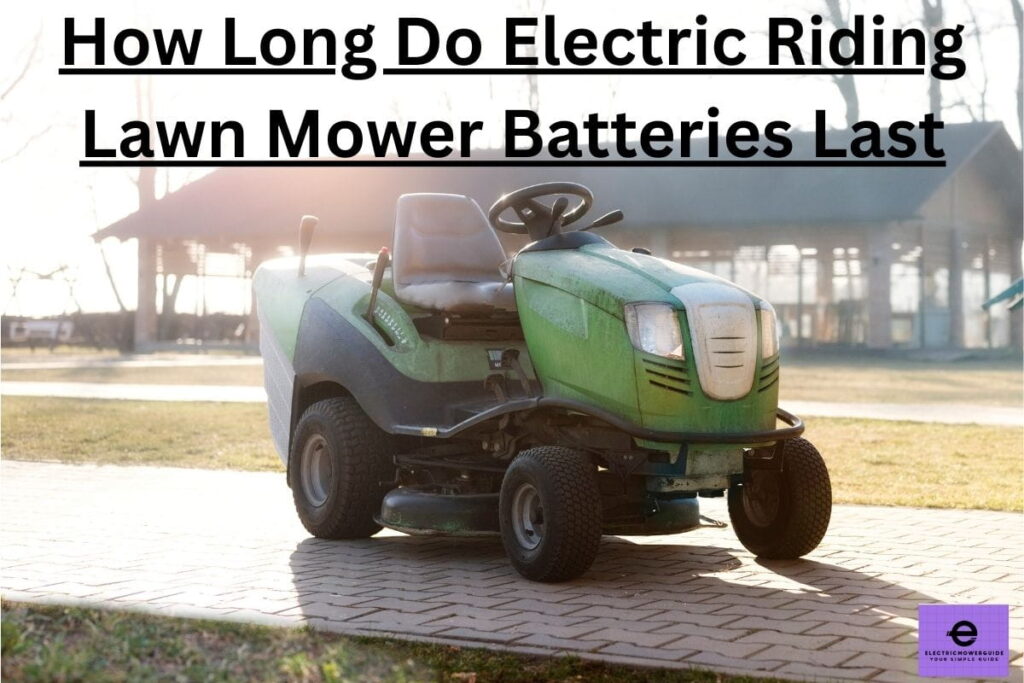
Blades and mower deck parts
Mower blades lose their edge when they strike soil, roots, stones, or sticks. A dull blade tears grass instead of making a clean cut. Torn grass may look brown at the tips and can lose water more quickly in hot weather.
A mower deck is the metal housing around the blades. The deck directs air and grass during side discharge, mulching, or bagging. Rust around the underside, spindle mounts, and belt guard can become a major structural problem.
Inspect the deck at least once each season. Surface rust can sometimes be cleaned and treated. Deep rust, cracks, warped metal, or loose spindle mounts may justify replacement of the deck or the entire mower.
Belts and pulleys
Drive belts transfer power from the engine to the transmission. Deck belts turn the blades. Belts wear from heat, dirt, incorrect tension, misalignment, and storage in damp conditions.
Replace a belt when it is cracked, glazed, stretched, frayed, or slipping. Use the exact part number or a confirmed equivalent. A belt that is too long, too short, or the wrong profile can damage pulleys and reduce cut quality.
Batteries and electrical parts
A 12-volt starting battery on a gas mower often lasts about three to five years, though heat, cold, vibration, and poor charging can shorten that span. Battery riding mower packs may last many years, but replacement cost can be significant.
Do not store a lithium-ion battery in extreme heat or freezing conditions unless the manufacturer allows it. Use the approved charger. Keep battery contacts clean and dry, and confirm voltage, amp-hours, connector type, and compatibility before buying a replacement.
Spark plugs, filters, and fuel parts
A spark plug ignites the fuel mixture in a gas engine. An air filter keeps dust out of the engine. A fuel filter helps catch debris before fuel reaches the carburetor or injection system.
These parts are small, but they influence starting, power, fuel use, and engine wear. Change them at the intervals listed in the manual. A dirty filter can make an engine run rich or lose power. Old fuel can clog a carburetor and create hard-start problems.
Tires, steering, and transaxles
Tires lose tread and develop cracks. Loose steering can come from worn tie rods, bushings, gear teeth, or front axle parts. A transaxle combines the transmission and axle. It sends power to the wheels and may be expensive to replace.
Watch for grinding, slipping, a burning smell, uneven wheel movement, or a mower that struggles on a mild slope. These signs deserve attention before a small fault becomes a major repair.
Maintenance schedule for a longer mower life
Regular maintenance is the best way to extend riding lawn mower lifespan. The exact schedule varies by model, engine, climate, and hours. Always follow the owner’s manual for oil type, capacity, belt routing, blade torque, and service intervals.

Before every mowing session
Use a quick inspection before you start. It takes only a few minutes and can prevent damage.
- Check the engine oil level on a level surface.
- Look for loose parts, oil leaks, fuel leaks, and damaged wires.
- Check tire pressure and remove packed grass from the deck.
- Confirm that guards, discharge chutes, and safety switches are in place.
- Walk the lawn and remove rocks, branches, toys, wire, and other debris.
- Check that children and pets are away from the mowing area.
Do not mow wet grass on slopes. Wet turf reduces traction and can cause a rider to slide or lose control. Wet grass also clumps under the deck and can spread disease in some turf conditions.
Every 25 to 50 operating hours
Many mowers need service at a set hour interval. Your manual may use a different schedule.
| Service item | What to do | Why it matters |
|---|---|---|
| Engine oil | Check level and change as specified | Reduces heat and internal wear |
| Air filter | Clean or replace as directed | Protects engine airflow |
| Blades | Inspect, sharpen, or replace | Supports a clean, even cut |
| Deck | Scrape and wash when allowed | Reduces rust and clogs |
| Belts | Inspect for cracks and slipping | Prevents sudden loss of drive |
| Grease points | Lubricate listed fittings | Limits wear at pivots and axles |
| Battery | Clean terminals and check charge | Supports reliable starting |
The first takeaway is simple: oil and air service protect the engine. The second is that deck cleaning, blade care, and belt checks protect the cutting system.

Once or twice each season
Sharpen blades when the grass looks torn, the mower vibrates, or the cut becomes uneven. A blade does not need to be razor sharp. It needs a balanced, consistent edge. Replace a blade that is bent, cracked, deeply worn, or damaged by an impact.
Check the mower’s deck level. An uneven deck can leave stripes, scalped patches, or tall strips between passes. Lawn striping is mainly caused by mowing direction, grass bending, and roller effects, not just mower quality.
Inspect the grass catcher, mulching kit, and side-discharge chute. Mulching cuts clippings into smaller pieces and returns them to the turf when conditions are suitable. Side discharge sends clippings to the side. Bagging collects them but requires more emptying and can reduce mowing speed.
At the end of the mowing season
For a gas mower, change the oil if the manual recommends it before long storage. Add fuel stabilizer to fresh fuel, run the engine as directed, and avoid leaving untreated fuel in the tank or carburetor. Stabilizer does not repair old fuel.
Clean the deck, dry the mower, and check for rust. Remove or maintain the battery according to the manual. Store the machine with the parking brake set, attachments lowered when appropriate, and the key removed.
For a battery mower, charge and store the battery at the level and temperature recommended by the manufacturer. Do not guess about winter storage. Different battery systems have different instructions.
A practical maintenance table
This checklist works as a starting point for homeowners and DIY users. The owner’s manual always takes priority.
| Timing | Main jobs | Skill level |
|---|---|---|
| Before each use | Oil check, debris removal, tire check, safety inspection | Beginner |
| Monthly in season | Blade, belt, tire, deck, and battery inspection | Beginner to DIY |
| Every service interval | Oil, filter, spark plug, grease, and blade service | DIY or shop |
| Before winter storage | Fuel, battery, deck cleaning, rust inspection | Beginner to DIY |
| Every few years | Battery, tires, belts, cables, and pulleys as needed | DIY or shop |
Use this table as a reminder, not as a replacement for the maintenance chart supplied with the mower.

How climate and storage change mower life
Climate affects fuel, batteries, tires, deck rust, and starting. A mower used in a dry region may face dust and heat. A mower in a humid or snowy region may face rust and cold-start trouble.

Hot and dry climates
Heat speeds up rubber aging and can shorten battery life. Dust can clog air filters and cooling fins. Clean the engine’s cooling area as directed, but do not spray water into electrical parts or a hot engine.
Cutting drought-stressed grass too short can harm turfgrass. Set the mowing height based on the grass type and season. A slightly higher cut often helps shade the soil and reduce water loss, but follow local turf guidance for your grass.
Wet and humid climates
Wet grass puts a heavy load on the deck and belt. It can also form thatch-like clumps, though true thatch is a layer of living and dead plant material near the soil surface. Avoid forcing a mower through wet, matted turf.
Dry the deck after washing. Store the mower under cover with airflow. Check the underside, spindle areas, and frame for rust several times each season.
Cold climates
Cold weather can reduce battery performance and make gas engines harder to start. Use the correct oil grade listed in the manual. Never use starting fluid unless the manufacturer specifically permits it.
Before winter, decide whether fuel should be drained or treated. Follow the manual and local rules for storing gasoline. Keep fuel in an approved container, away from ignition sources and living areas.
📜 Check Local Rules: Some cities, HOAs, and planned communities restrict gas equipment, mowing hours, fuel storage, or noise. Confirm local rules before buying a gas riding mower, especially if neighbors are close.
Riding mower repair or replacement: which makes sense?
Repair a riding mower when the engine runs well, the frame and deck are sound, and the repair addresses a normal wear item. Replace it when several major systems are failing at once or when the repair bill approaches the value of a dependable replacement.

Repairs that are often worth doing
These repairs commonly make sense on a mower with a healthy engine and solid frame:
- Blades
- Belts
- Spark plugs
- Air and fuel filters
- Starting battery
- Tires
- Pulleys and spindle bearings
- Cables and small electrical parts
- Seat, steering wheel, or simple body panels
The decision depends on parts access and your skill. A DIY owner may replace a belt or battery at low cost. A first-time homeowner or gift buyer may prefer a repair shop, even for a modest repair.
Repairs that need closer thought
A transmission or hydrostatic transaxle repair can be expensive. A cracked deck, bent frame, major electrical harness failure, or severely worn engine may also change the math.
Get a written estimate. Include parts, labor, pickup fees, and the time you will lose without the mower. Compare that total with the cost of a new mower that fits your yard and storage space.
Signs it is time to replace the mower
Look for several signs, not just one:
- The frame or deck has structural rust or cracks.
- The transmission slips, grinds, or will not move the mower.
- The engine burns oil, knocks, smokes heavily, or has low compression.
- Multiple systems fail during the same season.
- Parts are no longer available or are hard to verify.
- The mower cannot safely handle the yard’s slope or size.
- Repair costs are close to the price of a suitable replacement.
- The machine creates repeated downtime during the mowing season.
A mower that starts slowly is not always ready for retirement. A mower that loses structural strength or safe control may be.
Repair-versus-replace decision table
Use the condition of the whole machine, not the cost of one part, to guide the decision.
| Condition | Usual choice | Reason |
|---|---|---|
| Worn belt, blade, plug, or battery | Repair | Normal service item |
| Clean engine, rusty deck | Compare costs | Deck work may become extensive |
| Strong engine, slipping belt | Repair first | Belt may be the real fault |
| Bad transaxle and worn deck | Replace often | Several major systems are weak |
| Cracked frame or unsafe steering | Replace | Safety risk is more important than cost |
| Low-hour mower with electrical fault | Diagnose and repair | May still have years of useful life |
A repair shop can test compression, charging voltage, battery health, belt alignment, and transaxle operation. Ask what caused the failure and whether other parts show related wear.

Choosing a replacement by yard type
The best replacement depends on lot size, terrain, grass type, obstacles, storage, and the operator. A riding mower is not automatically the right answer for every lawn.

Small yards and narrow gates
For a small yard, a push mower, self-propelled mower, electric mower, reel mower, or robotic mower may be easier to store and cheaper to maintain. A riding mower can feel oversized when the property has tight corners, many flower beds, or a narrow gate.
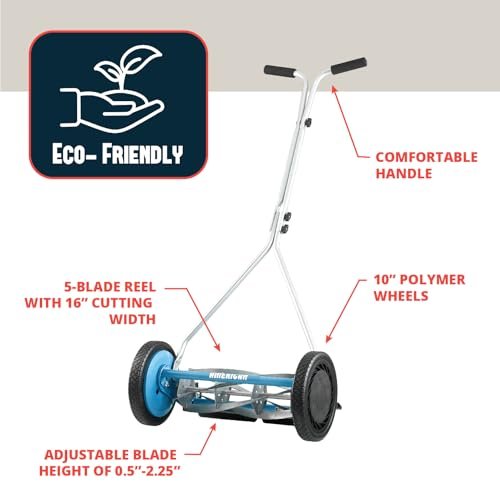
A battery push mower may suit a homeowner who wants less noise and no fuel storage. A corded mower can work where an outdoor outlet and safe cord path are practical. A reel mower can suit a small, level lawn with short grass and an owner who enjoys frequent light mowing.
Medium and large open lawns
A lawn tractor may suit an open yard where the operator wants a comfortable seat, a cutting deck, and the option to tow a cart or spreader. Deck widths often range from about 36 to 54 inches, but confirm the exact model.
A wider deck can reduce passes, but it needs more storage space and may be harder to use around trees. More width does not solve rough terrain, poor maintenance, or unsafe slopes.
Large lawns with many obstacles
A zero-turn mower can suit a large, mostly open lawn with many trees, beds, or tight turns. Its independent drive wheels allow the machine to turn within a small space. New operators may need practice because steering levers feel different from a steering wheel.
A zero-turn mower may be a poor fit for steep slopes, narrow paths, wet ground, or an owner who wants simple tractor-style controls. Check the manual’s slope guidance and use a walk-behind mower where needed.
Hilly lawns
For hills, traction and stability matter more than top speed. Look for a machine designed for the slope, with suitable tires, a low center of gravity, and clear safety instructions. Never mow across a slope if the manual warns against it.
A self-propelled walk-behind mower may be safer for some sloped areas. A string trimmer may handle steep banks where a riding mower should not go. Ask a local dealer or landscape professional to assess the terrain if you are unsure.
Seniors and new operators
For a senior or first-time operator, simple controls, easy mounting, good visibility, a stable seat, and a reliable safety system matter. A steering-wheel lawn tractor may feel more familiar than a zero-turn model.
Consider the user’s strength, balance, hearing, vision, and ability to perform maintenance. A riding mower is not a good gift if the recipient cannot safely control, store, fuel, charge, or service it.
| Yard and user | Mower type to consider | Who should skip it |
|---|---|---|
| Small, flat yard; storage is tight | Battery push, reel, or compact electric mower | Anyone needing a riding seat |
| Medium flat yard; new homeowner | Lawn tractor or self-propelled mower | Users with very rough ground |
| Large open yard; experienced operator | Zero-turn mower | New users who dislike lever controls |
| Sloped sections; safety is a concern | Suitable walk-behind mower or professional service | Anyone planning to ride across unsafe slopes |
| Low-noise neighborhood; charging space available | Battery mower | Buyers without compatible charging access |
| Large property; towing needed | Lawn tractor with approved attachments | Buyers without covered storage |
Measure the yard, gate width, slope, and storage area before you shop. Confirm deck size, battery voltage, amp-hours, blade type, replacement part numbers, and attachment compatibility on the product page and in the manual.
Gas versus battery riding mowers
Gas and battery riding mowers can both serve large lawns, but they have different service needs. The main difference is the power system: gas models need fuel, oil, spark, and air service, while battery models depend on charging equipment and battery health.

Gas riding mower strengths and limits
Gas mowers can run as long as fuel is available. They are familiar to many homeowners and may have broad dealer support. Their limits include noise, exhaust, fuel storage, oil changes, winter preparation, and more engine parts.
A gas mower may suit a large property far from an outlet or a user who already maintains small engines. It may not suit a quiet neighborhood, an HOA with gas-equipment rules, or someone who does not want fuel handling.
Battery riding mower strengths and limits
Battery models can reduce routine engine service and may produce less operating noise than gas models. They still make blade and tire noise, so they are not silent. Their useful mowing time depends on battery capacity, grass height, slope, speed, temperature, and deck load.
Battery capacity is often shown in amp-hours, or Ah. Higher Ah can mean more stored energy within a compatible system, but do not compare Ah across different voltages as if they were equal. Confirm the manufacturer’s runtime guidance, charger, battery count, and replacement cost.
Is a riding mower worth the money?
A riding mower may be worth it when mowing takes a long time with a walk-behind mower, the yard is large and open, or the operator needs a seat. It may not be worth it for a small lot, narrow yard, steep terrain, or a home with limited storage.
Include the full cost. Add the mower, delivery, fuel or electricity, blades, belts, battery replacement, maintenance, storage, and possible repair labor. A lower purchase price may not mean a lower long-term cost.
💡 Pro Tip: Compare cost per season, not just the checkout price. Divide the estimated purchase and maintenance cost by the number of seasons you expect to use the mower. This makes a used mower, a battery model, and a new gas tractor easier to compare.
How to inspect a used riding mower
A used mower can provide good value when its history is clear. It can also hide costly problems under a clean seat and polished hood. Inspect it in daylight and ask to see it start from cold.
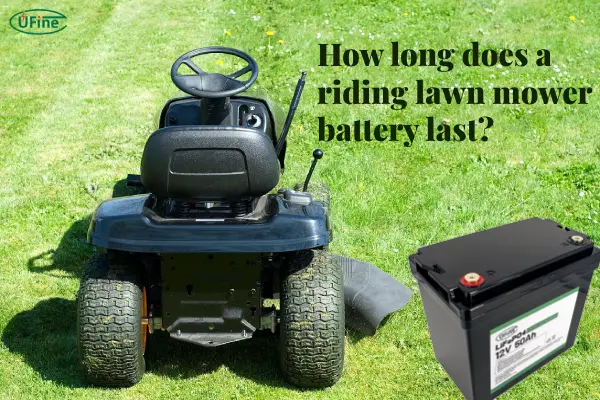
Used mower inspection steps
- Check the hour meter and compare it with the owner’s story.
- Inspect the frame, deck, welds, spindle mounts, and axle for cracks or rust.
- Look under the deck for bent blades, missing guards, and oil or grease leaks.
- Start the engine cold and listen for knocking, rattling, surging, or smoke.
- Test forward, reverse, braking, steering, and every cutting-height setting.
- Engage the deck and watch for vibration, belt squeal, or uneven blade rotation.
- Check battery charging voltage if you have a safe way to test it.
- Ask for maintenance records, manuals, keys, and part numbers.
- Confirm that the mower fits your gate, trailer, shed, and planned attachments.
- Never pay before confirming ownership and checking local sale rules.
Do not bypass a safety switch during a test. If the seller says a safety system is “annoying” or has been disconnected, walk away or budget for a proper repair.
Used mower red flags
Fresh paint can hide rust. A very clean engine may have been washed before the sale. A mower that only starts with starting fluid may have fuel, compression, or ignition trouble.
Watch for a deck that shakes, a transmission that whines, a steering wheel with excessive play, uneven front tires, and a battery that will not hold a charge. One small fault may be easy to fix. Several faults point to a mower near the end of its useful life.
Common mistakes that shorten mower life
Most mower damage comes from repeated small mistakes. Avoiding them costs less than repairing the results.
Mowing too low or too fast
Cutting too much grass at once overloads the engine and creates clumps. Follow the one-third rule when practical: remove no more than about one-third of the grass blade at a time. Adjust the mowing height for grass type, season, and drought stress.
Driving too fast over rough ground can bend blades, damage spindles, and strain the frame. Slow down near roots, holes, slopes, and obstacles.
Ignoring vibration
Vibration may signal a bent blade, damaged spindle, loose fastener, or debris under the deck. Stop the mower, remove the key, and disconnect the spark plug wire or battery before inspecting the cutting system.
Continuing to mow with vibration can turn a blade replacement into spindle, deck, or engine damage.
Leaving grass under the deck
Packed grass holds moisture and blocks airflow. It can promote rust and reduce cutting performance. Clean the deck safely according to the manual. Some manufacturers warn against tipping or washing certain models in specific ways.
Using old fuel
Old gasoline can form deposits and cause hard starting or carburetor trouble. Use fresh fuel, approved containers, and fuel stabilizer as directed. Never mix products unless the label and manual allow it.
Skipping oil checks
A low oil level can cause severe engine damage in a short time. Check oil before use, especially after storage or when mowing on slopes. Keep the mower level during checks unless the manual says otherwise.
Storing it outdoors without protection
A tarp alone may trap moisture. A covered, ventilated shed or garage is better. If outdoor storage is the only option, use a cover designed for the mower and protect the engine, seat, battery, and electrical connections from rain.
Safety and environmental care
A long mower lifespan is not useful if the machine is unsafe. Treat every riding mower as a heavy cutting machine with stored energy, sharp blades, hot surfaces, fuel, and moving parts.
Wear safety glasses, hearing protection, closed-toe shoes, and work gloves during suitable maintenance tasks. Clear debris first. Keep children and pets away while mowing and servicing. Never refuel a hot engine. Turn off the engine, remove the key, set the brake, and disconnect the spark plug or remove the battery before working near blades or belts.
Do not defeat the seat switch, reverse safety system, blade brake, or other safety control. Follow the owner’s manual. Never mow wet grass on slopes, and do not carry passengers unless the mower is specifically designed and approved for them.
Battery and fuel disposal also matter. Recycle lithium-ion batteries at designated collection sites. Take old gasoline and oil to a hazardous-waste facility. Donate or recycle a usable mower instead of abandoning it, and ask a local recycler about metal recovery for a machine that cannot be repaired.
⚠️ Safety Warning: A mower can start unexpectedly if the key remains in place or stored energy is present. Before servicing, remove the key and disconnect the spark plug wire or battery exactly as the manual describes.
Frequently asked questions
Q: Is 500 hours a lot for a riding lawn mower?
A: It depends on the mower’s design and service history. Five hundred hours may be moderate for a well-maintained machine but severe for a neglected residential mower. Check the deck, engine, belts, steering, tires, and transmission instead of relying on the hour meter alone.
Q: Can a riding mower last 20 years?
A: Yes, some can. A strong frame, dry storage, regular oil and filter service, timely belt and blade replacement, and available parts improve the odds. Age alone does not decide whether a mower is useful.
Q: How often should I change riding mower oil?
A: Follow the engine and mower manual. Many models call for an initial change after a short break-in period and then changes at a set hour or seasonal interval. Check the oil level before every use, even when a change is not due.
Q: How long do riding mower batteries last?
A: A starting battery often lasts about three to five years. A lithium-ion drive battery may last much longer, but its life depends on cycles, heat, storage, and charging habits. Confirm the battery warranty and replacement price before buying.
Q: Is a zero-turn mower better than a lawn tractor?
A: The main difference is maneuverability and control. A zero-turn mower suits large, open yards with many obstacles and an experienced operator. A lawn tractor may suit new users, seniors, towing tasks, and people who prefer a steering wheel. Neither is ideal for every slope or yard.
Q: What is the best mower for a small yard?
A: The best choice for a small, flat yard is often a push, battery, reel, or compact self-propelled mower. A riding mower may be unnecessary if storage is limited or the yard has narrow gates and many obstacles. Measure the lot and compare mowing time before buying.
Q: What is the best mower for hills?
A: No riding mower is automatically safe on hills. Choose only a model approved for the terrain and follow its slope limits. A self-propelled walk-behind mower or professional lawn service may be safer for steep or uneven ground.
Q: Can I leave a riding mower outside?
A: It is better to store it in a dry, covered, ventilated space. Outdoor storage exposes the deck, battery, wiring, tires, and seat to moisture and sunlight. If outside storage is unavoidable, use suitable protection and inspect for rust and water intrusion.
Q: Should I sharpen or replace mower blades?
A: Sharpen a blade if it is straight, intact, and not deeply worn. Replace it if it is cracked, bent, badly eroded, or damaged by an impact. Always balance and install blades according to the manual.
Q: Is a battery riding mower worth it?
A: It can be worth it for a homeowner who wants less engine service, lower operating noise, and has suitable charging access. It may not suit a very large property if the battery system cannot cover the job. Check runtime, charge time, battery warranty, and replacement cost.
Q: What causes a riding mower to vibrate?
A: Common causes include a bent or unbalanced blade, packed grass, damaged spindle, loose fastener, worn pulley, or engine problem. Stop using the mower until you find the cause. Disconnect the spark plug or battery before inspecting the deck.
Q: Do I need a professional to service a riding mower?
A: Many owners can handle oil, blades, filters, tire checks, and battery care. Use a qualified repair shop for compression testing, transaxle work, major electrical faults, welding, or problems that affect safe control.
Q: Does mowing wet grass shorten mower life?
A: It can. Wet grass increases load, creates clogs, reduces traction, and holds moisture against the deck. Avoid wet slopes and wait until the lawn is dry enough for safe mowing and clean discharge.
Q: How do I know if a used riding mower is worth buying?
A: Inspect it cold, test the drive and deck, check the hour meter, look for rust and leaks, and ask for service records. The mower is more attractive when the engine, frame, deck, and transmission are sound and only normal wear parts need attention.
Final advice for extending riding mower lifespan
The best way to make a riding lawn mower last is to treat maintenance as a routine, not an emergency. Check oil, clear debris, keep blades sharp, inspect belts, clean the deck, protect the battery, and store the machine under cover. Small care tasks prevent many large repairs.
Choose the mower for the yard you actually have. A lawn tractor may suit a first-time homeowner, senior, or gift recipient who wants familiar steering. A zero-turn mower may suit an experienced user with a large, open lot. A push, electric, robotic, reel, or self-propelled mower may be the smarter choice for a small yard.
Repair normal wear when the frame, deck, engine, and transmission remain sound. Replace the machine when safety, reliability, parts access, and repair cost no longer make sense. Measure the property, check local rules, read the manual, and confirm every replacement part before ordering.
Affiliate disclosure: This article may contain affiliate links. If you buy through a link, we may earn a commission at no extra cost to you. Product details, prices, battery compatibility, warranties, and availability can change, so confirm current information with the manufacturer or retailer before purchasing.



One Comment