How Short To Cut Grass Before Winter: Ideal Height
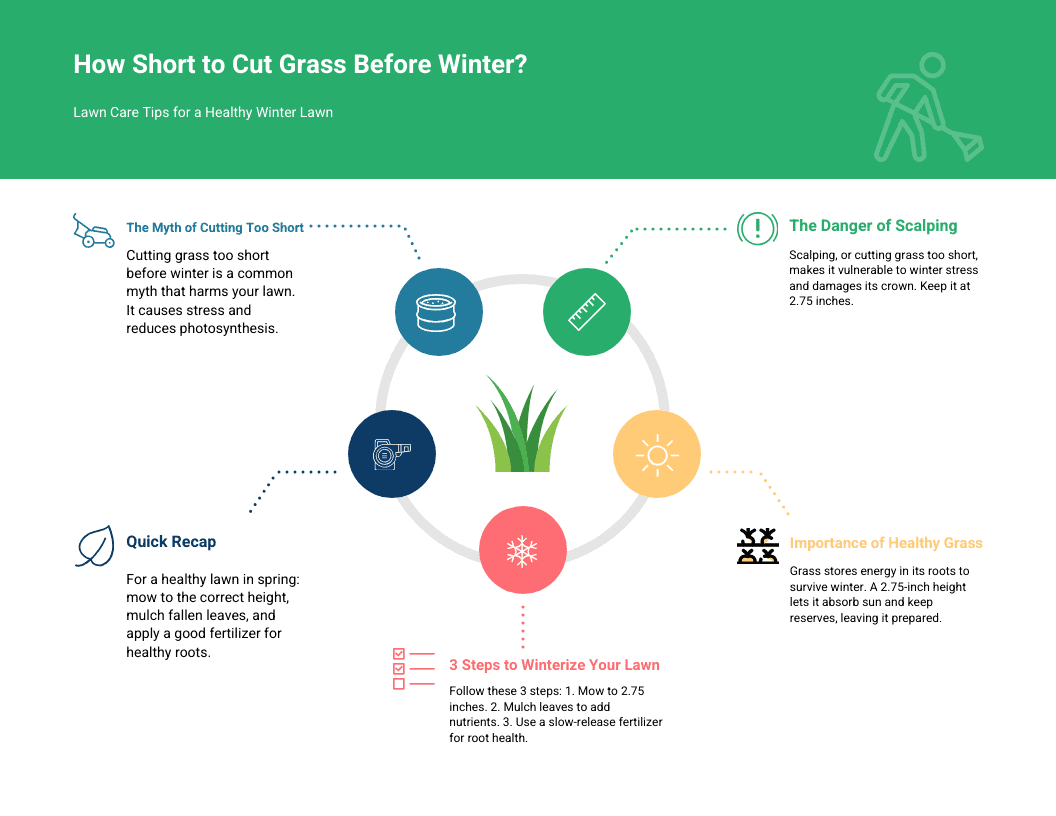
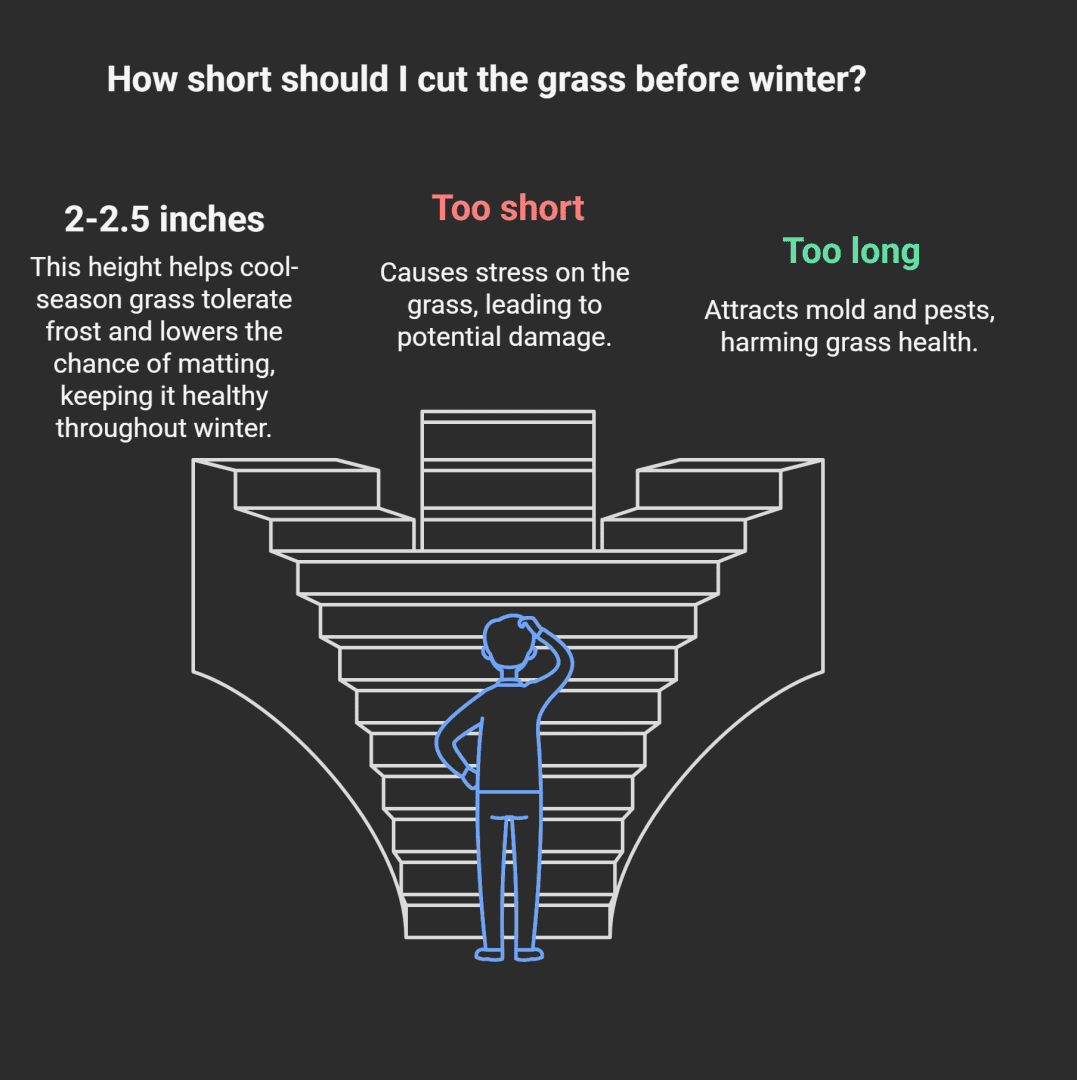
Grass does not need a close shave before winter. In most lawns, cutting it too short can expose the crown of the plant to cold, drying wind, and ice. Leaving it too tall can cause it to bend, mat down, and hold moisture, which may invite snow mold and other winter problems.
The right final mowing height depends on your grass type, local climate, and how long your lawn stays covered by snow. Cool-season grasses usually benefit from a final height of about 2 to 2.5 inches. Warm-season grasses are often cut a little shorter, at about 1 to 2 inches, before dormancy. Never remove more than one-third of the grass blade in one mowing.
This guide explains how short to cut grass before winter, when to make the last cut, how to adjust for tall fescue, Kentucky bluegrass, Bermuda grass, St. Augustine grass, and other turfgrass types, and how to prepare your mower for storage. It also covers common mistakes, wet grass, leaf cleanup, slopes, mower choice, and simple steps for first-time homeowners, DIY lawn owners, and anyone helping a senior maintain a yard.
Affiliate Disclosure: This article may contain affiliate links. If you buy through one of these links, we may earn a commission at no extra cost to you. Always confirm current product details, mower compatibility, and replacement part numbers on the manufacturer’s website or in the owner’s manual.
Quick answer: cut most lawns to 2 to 2.5 inches
The best general rule is to cut cool-season grass to about 2 to 2.5 inches for the last mowing before winter. Cut warm-season grass to about 1 to 2 inches, depending on the variety and your climate. Make the final cut after growth slows but before the lawn becomes dormant, and never cut wet or frozen grass.
Your lawn may need a different setting. Tall fescue often does well around 2.5 to 3 inches, while Kentucky bluegrass can usually finish near 2 inches. Bermuda grass often tolerates a shorter cut than St. Augustine grass, which should not be scalped.
The final cut should be short enough to reduce matting but tall enough to protect the crown. The crown is the small growing center at the base of each grass plant. If you cut too low, cold weather can reach it more easily.
Final mowing heights by grass type
The table below gives useful starting points. These are not strict rules, because local weather, shade, soil, and lawn stress also matter.
| Grass type | Suggested final height | Key caution |
|---|---|---|
| Kentucky bluegrass | 2–2.5 inches | Avoid scalping below the normal range |
| Perennial ryegrass | 2–2.5 inches | Keep blades sharp for a clean cut |
| Tall fescue | 2.5–3 inches | A little extra height can protect roots |
| Fine fescue | 2–2.5 inches | Reduce shade-related matting |
| Bermuda grass | 1–2 inches | Lower cuts suit many maintained lawns |
| Zoysia grass | 1.5–2.5 inches | Avoid cutting into brown crowns |
| St. Augustine grass | 2–3 inches | Do not cut too short before cold weather |
| centipede grass | 1.5–2 inches | Stop mowing when growth stops |
These heights are a guide, not a substitute for local advice. If your grass is a blend, use the height that protects the less tolerant variety.
Why winter mowing height matters
The right final height helps your lawn face cold, snow, low light, and wet soil. Grass blades collect sunlight and support the plant, while the crown and roots remain below the soil surface. A balanced cut protects both parts.

Grass that is too tall can fold over under snow. Folded blades create a damp, shaded layer near the soil. This can increase the risk of snow mold, especially in areas with long snow cover and poor air flow.
Grass that is too short may have less protection from freezing temperatures. Short turf also exposes soil, dries faster in cold wind, and may suffer more from winter traffic. A low cut can be especially hard on lawns already stressed by drought, insects, disease, or compacted soil.
The one-third rule still applies
The one-third rule means you should remove no more than one-third of the blade height at one time. If your lawn is 4 inches tall, do not drop the mower straight to 2 inches. Cut it to about 3 inches first, wait several days, and then make the final cut.
This rule reduces stress and leaves less loose material on the lawn. It also helps prevent clumps, uneven color, and a rough cut. A sharp mower blade matters just as much as the height setting.
Short grass is not always better
Many homeowners think a very short final cut will keep the lawn neat all winter. That idea sounds logical, but it can backfire. A lawn is not a carpet, and the plant still needs enough leaf area to store energy and shield its crown.
A shorter cut may work for a closely managed Bermuda lawn in a mild region. It is less suitable for tall fescue in a cold state or St. Augustine grass facing a hard freeze. Grass type and climate should guide the setting.
When to make the last cut before winter
The best time for the last mowing is when grass growth has slowed but the lawn is still dry and flexible. In many cool-season areas, this happens in late fall after several cool nights. In warm-season areas, the final cut may occur before winter dormancy or before the first hard freeze.

Do not use a calendar date as your only guide. Watch the grass and the forecast. If the lawn keeps growing, it may need another light cut. If the blades stop growing and frost is common, the season may be ending.
A hard freeze can damage grass that is still wet or flexible. Try to finish before repeated frost, frozen soil, or snow. Give yourself a dry weather window so the mower does not leave ruts.
Signs your lawn is ready for its last cut
Look for these signs:
- Growth has slowed to a crawl.
- The lawn needs mowing less often.
- Night temperatures stay cool.
- Leaves are falling, but the turf is still green.
- The soil is firm enough to support a mower.
- The forecast shows dry weather.
- No hard freeze or snow is expected right away.
A small yard may need only one final pass. A larger lawn may need several mowing sessions. Walk the yard first and check low spots, soft soil, toys, branches, and hidden stones.
Climate changes the timing
Cold, wet climates often require an earlier final cut than mild regions. Snow-covered lawns may remain dormant for months, so avoiding tall, matted grass matters. In dry regions, the lawn may keep growing after the first cool nights if irrigation continues.
Warm-season grass responds to soil temperature. It may turn brown after a freeze even when air temperatures rise during the day. Once it enters dormancy, mowing usually stops until spring growth begins.
| Climate pattern | Typical approach | Main concern |
|---|---|---|
| Cold winters with snow | Finish before regular snow cover | Snow mold and matted grass |
| Cool, wet winters | Keep the final cut moderate | Wet soil and mower ruts |
| Mild winters | Mow as needed during growth | Do not follow a fixed calendar |
| Dry winter areas | Reduce irrigation as growth slows | Winter drought stress |
| Frost-prone warm regions | Stop before hard freezes | Damage to warm-season turf |
The main takeaway is simple: use plant growth and soil conditions, not the date alone. Local extension offices can help identify the best timing for your grass.
How short to cut common lawn grasses
Different grasses grow in different seasons and have different crowns, leaf textures, and mowing needs. Cool-season grasses grow most actively in spring and fall. Warm-season grasses prefer summer heat and often go dormant after frost.

Knowing your grass type prevents one of the most common mistakes: copying a neighbor’s mower setting. A height that suits a Bermuda lawn may injure a tall fescue lawn. If you are unsure, identify the grass by leaf shape, growth pattern, and regional use, or ask a local turf specialist.
Kentucky bluegrass and perennial ryegrass
A final height of about 2 to 2.5 inches often suits Kentucky bluegrass and perennial ryegrass. These grasses can handle a close, even cut, but they still need enough leaf tissue to protect the crown.
Avoid dropping the mower below the normal summer range just for the final cut. Make sure the blade is sharp. A dull blade tears the leaf tips and can leave the lawn gray or ragged before winter.
Tall fescue and fine fescue
Tall fescue usually benefits from a final height near 2.5 to 3 inches. Its deeper roots can help it handle dry periods, but the grass still needs protection from cold and winter wind.
Fine fescue may finish around 2 to 2.5 inches. In heavy shade, do not leave it excessively tall, because weak light and long wet blades can encourage matting. Good leaf cleanup also matters.
Bermuda grass and zoysia grass
Bermuda grass is often maintained at 1 to 2 inches before dormancy. Home lawns cut with a rotary push mower may use the higher end of that range. Very low mowing often requires a suitable reel mower, a smooth lawn, and more frequent care.
Zoysia grass may finish around 1.5 to 2.5 inches. Avoid cutting into brown or uneven areas. If the lawn is bumpy, a low setting can cause scalping, where the mower cuts soil-level crowns on high spots.
St. Augustine and centipede grass
St. Augustine grass often performs better at 2 to 3 inches. It has broad blades and should not be cut too short before cold weather. Keep the mower deck high enough to avoid exposing stems and bare soil.
Centipede grass is often cut around 1.5 to 2 inches. It grows slowly and may not need a special final cut if it has already reached its normal height. Remove leaves without scraping the soil.
Prepare the mower before the final pass
A clean, correctly adjusted mower gives a better final cut and reduces stress on the lawn. Check the deck height, blade, tires, battery, fuel, and grass catcher before you begin. A few minutes of preparation can prevent a rough job and a mid-yard breakdown.

The right mower depends on the yard. A lightweight push mower may suit a flat lot under about one-quarter acre. A self-propelled mower can help on slopes or for users who want less pushing. Riding mowers and zero-turn mowers make sense for larger open lawns, but they need more storage space and careful slope limits.
Mower setup checklist
| Item to check | What to do | Why it matters |
|---|---|---|
| Mowing height | Measure the blade or deck setting | Markings vary by mower |
| Mower blade | Sharpen or replace if damaged | A sharp edge makes a cleaner cut |
| Deck underside | Remove packed grass | Air flow affects discharge |
| Tires | Check pressure and wear | Uneven tires change cut height |
| Battery | Charge and inspect terminals | Cold storage can reduce performance |
| Gas engine | Check oil, fuel, and air filter | Helps prevent starting trouble |
| Grass catcher | Empty and inspect seams | Wet leaves can add weight |
Measure from the ground to the blade housing, not only from the number printed on the deck. Some mower height labels are approximate. Follow the manual when changing the blade or servicing the machine.
Push mower, self-propelled mower, or riding mower?
A push mower is simple, light, and often easier to store. It can suit a small, flat yard and a homeowner who wants a low purchase cost. It may be tiring on slopes or larger lots.
A self-propelled mower uses a drive system to move the mower forward. It can help seniors, people with limited strength, and homeowners with hilly lawns. It costs more and adds parts that may wear, such as drive belts, cables, and wheel gears.
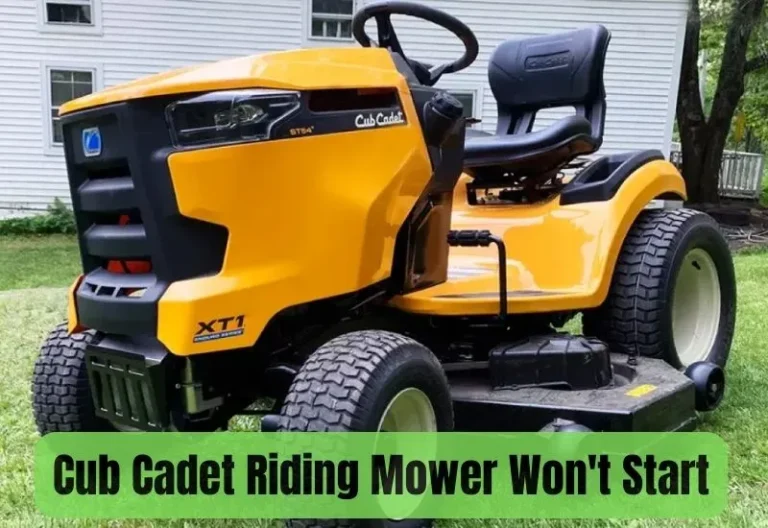
A riding mower or zero-turn mower suits a larger yard with wide, open areas. A zero-turn mower turns within its own footprint and can reduce trimming time around obstacles. It is not automatically safe for steep slopes, and the owner must follow the manufacturer’s slope guidance.
Electric, battery, gas, and reel options
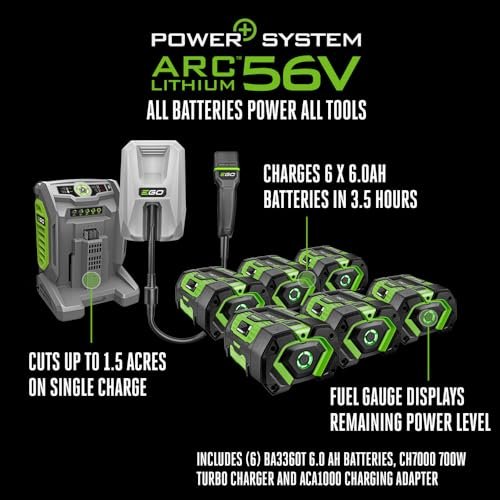
Battery mowers are quiet and easy to start. Many use a brushless motor, which is a motor designed to reduce brush wear and improve efficiency. Check the battery voltage, amp-hours, charger, and compatibility before buying; a battery from one product line may not fit another.
Gas mowers can provide long work periods without waiting for a battery to charge. They need oil, fresh fuel, spark plugs, air filters, and winter storage care. A corded mower can work for a small yard, but the cable must stay clear of the blade and may be restricted by distance from an outlet.
Reel mowers use a spinning cylinder of blades and suit small, flat lawns with short grass. They are quiet and do not use fuel, but tall leaves, uneven ground, and thick grass can make them difficult to use.
💡 Pro Tip: If you are buying a mower as a gift, measure the gate width, storage door, slope, and yard size first. A quiet battery mower may suit a small suburban yard, while a self-propelled model may be kinder to a senior on a mild slope.
A simple final-mowing process
The best way to prepare grass for winter is to mow on a dry day, use the correct height, and clean the lawn as you work. Do not rush the last pass. A slow check before mowing often prevents blade damage and soil ruts.

1. Check the forecast and soil
Choose a dry day with no frozen ground. Wet soil bends under mower wheels and may form compacted tracks. Wet grass also sticks under the deck and can discharge in heavy clumps.
Avoid mowing during frost. Frozen blades can break, and tires can bruise the turf. Never mow wet grass on a slope.
2. Clear the lawn
Remove sticks, toys, stones, wire, hoses, and pet waste. Look under leaves for hidden objects. Keep children and pets indoors or far from the mowing area.
A string trimmer, edger, or leaf blower can help finish borders after the mower is done. Use a blower with care near windows, roads, and neighbors.
3. Set the mower height
Set the mower based on grass type and local weather. If the lawn is too tall, use gradual cuts rather than removing a large amount at once.
If the grass is already short, do not lower the deck just because winter is near. The final pass should tidy the lawn, not scalp it.
4. Mow in a steady pattern
Overlap each pass slightly. Change direction from time to time to reduce ruts and avoid leaning the grass in one direction. On slopes, follow the mower manual and use the safest direction for that machine.
Do not force a mower through thick, wet growth. Raise the deck if the engine bogs down or the battery mower slows sharply. Empty the catcher before it becomes heavy.
5. Manage clippings and leaves
Small, dry clippings can often remain on the lawn. They break down and return nutrients. Heavy clumps should be spread, collected, or removed.
Leaves need more attention than ordinary clippings. A thin layer may be mulched with a suitable mulching kit, but thick leaf cover can block light and air. Use a grass catcher, leaf blower, or rake when needed.
6. Inspect the finished lawn
Walk the yard after mowing. Look for clumps, missed strips, exposed soil, and wet tracks. If the grass is still growing, make another light cut later rather than lowering the deck sharply.
What to do with leaves before winter
Leaf cleanup is part of final mowing because a thick leaf layer can smother turf. Leaves also hold moisture against the blades and may hide branches or debris. The goal is not to remove every leaf from the property, but to keep the lawn surface reasonably open.

Mulching means chopping leaves and clippings into small pieces so they can settle between grass blades. A mower with a mulching blade and plug or mulching kit may handle light leaf cover. Read the manual before using a mulching attachment, because not every mower deck supports the same parts.
Bagging works well when leaves are wet, heavy, or too thick to mulch. Side discharge can spread dry leaves over a large area, but it may blow material into beds, sidewalks, or neighboring yards. Use a catcher when you need a neat finish.
Leaf and clipping choices
| Lawn condition | Useful method | When to avoid it |
|---|---|---|
| Thin, dry leaves | Mulch with the mower | Do not leave visible clumps |
| Thick leaf cover | Bag or rake first | Mulching may overload the deck |
| Damp leaves | Bagging or raking | They can clog the mower |
| Open lawn with few obstacles | Side discharge | Avoid roads and garden beds |
| Small lawn | Rake or electric blower | Respect noise limits |
| Large lawn | Mower catcher or leaf vacuum | Check capacity and storage needs |
The best method depends on the size of the yard and the user. A lightweight battery blower may suit a small yard and a noise-sensitive neighborhood. A larger property may need a high-capacity catcher or lawn vacuum.
Avoid these late-fall mowing mistakes
Most winter lawn problems come from poor timing, a wrong height, or mowing in bad conditions. Each mistake is easy to understand and usually easy to prevent.
Cutting too short
Scalping removes too much leaf tissue and may expose crowns and soil. It can also worsen stress in dry or cold weather. Use the normal lower end for your grass, not the lowest setting your mower offers.
Leaving grass too tall
Tall grass bends under snow and can stay wet for long periods. This does not mean you should make a sudden deep cut. Lower the height in steps if the lawn has grown too long.
Mowing wet or frozen grass
Wet grass clumps and coats the deck. Wet soil compacts under tires, especially on slopes. Frozen grass can break under the wheels and may leave a poor cut.
Using a dull blade
A dull blade tears rather than slices. Torn tips lose water more quickly and may look tan or gray. Sharpen the blade at least once each mowing season, or more often if the mower hits hard objects.
Leaving leaves on the turf
A few leaves are not a crisis. A thick, wet blanket can block light and air. Mulch, bag, rake, or blow leaves when the lawn surface is no longer visible.
Mowing against local rules
Some HOAs limit lawn equipment noise, work hours, or fuel storage. Some cities restrict gas-powered equipment or set seasonal rules. Check your city and HOA before buying or operating a mower.
📜 Check Local Rules: Confirm noise hours, gas-equipment limits, battery disposal rules, and fuel storage laws with your city, county, and HOA. Rules can vary even between nearby neighborhoods.
Mower care after the last cut
After the final mowing, service the mower before storing it. A dirty deck, old fuel, or wet battery compartment can create trouble when spring arrives. Storage needs vary by mower type, so follow the owner’s manual.
Gas mower storage
For a gas mower, remove grass and debris from the deck. Check the oil and replace it if the manual calls for seasonal service. Fuel may deteriorate during storage, so follow the manual’s instructions about draining the tank or using fuel stabilizer.
Never refuel a hot engine. Work outdoors or in a well-ventilated area. Store gasoline only in an approved container and follow local fuel storage rules.
Inspect the spark plug and air filter. Replace worn parts with the correct part number. A mower that cranks but will not start may have stale fuel, a fouled spark plug, or a clogged air filter.
Battery mower storage
Remove the battery before cleaning or servicing the mower. Store the battery in the temperature range listed by the manufacturer, away from water, heat, and metal objects that could bridge the terminals.
Do not leave a lithium-ion battery in a freezing shed unless the manual allows it. Charge it according to the manufacturer’s storage guidance. Store the charger where rodents and moisture cannot damage the cord.
Reel and corded mower storage
Clean and dry a reel mower before storage. Check the blades and adjust the cutting cylinder if needed. A reel mower may need professional sharpening if the blades no longer meet evenly.
For a corded mower, inspect the extension cord for cuts and crushed areas. Coil it loosely and keep it dry. Do not store a damaged cord for later use.
| Mower type | Winter care | Part that often needs attention |
|---|---|---|
| Gas mower | Fuel, oil, deck cleaning, air flow | Spark plug or air filter |
| Battery mower | Battery temperature and charge | Battery or blade |
| Corded mower | Cord inspection and dry storage | Extension cord |
| Reel mower | Cleaning and blade adjustment | Cutting cylinder |
| Riding mower | Fuel, battery, belts, deck | Battery, belt, or blades |
| Robotic mower | Dock, charging contacts, battery | Battery and boundary system |
Store the mower on a stable surface where children cannot reach it. A shed or garage should have enough room for safe movement. Do not block a walkway or exit with the machine.
🌿 Eco or Disposal Note: Recycle lithium-ion batteries through a designated battery drop-off. Take old gas and oil to a household hazardous-waste site. Donate or recycle a usable mower instead of sending it to a landfill.
Choosing equipment for different users and yards
The right equipment makes winter preparation less tiring and more controlled. Product choice should match the lot size, slope, grass type, storage space, and physical ability of the user.

For a first-time homeowner
A basic push mower can suit a small, flat yard with simple borders. Look for an adjustable deck, a blade that is easy to replace, a catcher option, and clear instructions. A battery model can reduce fuel and oil tasks, but confirm whether the kit includes the battery and charger.
A self-propelled mower may be worth the added cost for a larger yard or mild slopes. It can help a new homeowner avoid fatigue during leaf season. The tradeoff is more weight, more parts, and a higher repair cost.
For a DIY lawn owner
An experienced DIYer may value a mower with several height settings, a strong deck, replaceable blades, and common service parts. Check belt access, battery platform, blade part numbers, and local dealer support.
For lawn striping, choose a mower that can maintain an even cut and add a compatible striping roller if appropriate. Striping is the light-and-dark pattern caused by bending grass in different directions. It does not replace proper mowing height or soil care.
For a senior or gift recipient
A lightweight battery mower may suit a small, flat lawn and a user who wants simple starting. A self-propelled mower can help on larger or gently sloped yards, but the controls must be comfortable and easy to release.
Avoid giving a heavy riding mower or complex zero-turn mower without checking the user’s storage, strength, training, and terrain. A lawn service, battery blower, or prepaid maintenance visit may be a better gift for a steep yard.
| Yard and user | Equipment that may fit | Who should skip it |
|---|---|---|
| Small, flat yard; new homeowner | Lightweight push mower | Anyone facing steep slopes |
| Small yard; noise-sensitive user | Battery or reel mower | Users with thick, tall growth |
| Medium yard; mild slope | Self-propelled mower | People who dislike maintenance |
| Large open yard | Riding mower | Homes without secure storage |
| Large yard with obstacles | Zero-turn mower | Steep-slope users without training |
| Small lawn; careful DIYer | Corded or reel mower | Yards far from an outlet or uneven ground |
| Remote or simple lawn | Robotic mower | Yards with complex edges or poor setup |
A robotic mower can maintain a lawn with scheduled cutting, but it needs boundary setup, charging space, and a yard that fits its operating limits. It may not handle steep sections, thick leaves, rough ground, or many separate lawn areas without extra planning.
How much does winter lawn preparation cost?
Winter preparation can cost little if you already own a mower and basic hand tools. The main costs are often blade sharpening, fuel or battery care, leaf handling, and replacement parts.

A low-cost approach may use a rake, existing push mower, gloves, safety glasses, and a clean storage area. A mid-range setup may add a battery blower, spare blade, catcher, or self-propelled mower. A larger property may need a riding mower, leaf vacuum, trailer, or professional service.
Seasonal cost tiers
| Budget level | Typical equipment | Best fit |
|---|---|---|
| Basic | Existing mower, rake, gloves | Small yard and simple cleanup |
| Moderate | Sharp spare blade, blower, catcher | Medium yard or heavier leaves |
| Higher | Self-propelled or riding mower | Larger property or slopes |
| Service-based | Mowing and fall cleanup service | Limited strength or little storage |
Do not choose equipment by price alone. Confirm the machine’s weight, deck width, battery cost, repair support, and storage needs. A cheaper mower that is hard to push or difficult to service may not save money over time.
Safety rules for the final mowing
Safe mowing matters more than a neat finish. Wear eye protection, hearing protection, closed-toe shoes, and work gloves when handling blades or debris. Read the owner’s manual before using, cleaning, or storing any mower.

Clear the lawn first and keep children and pets away. Never put your hands under a mower deck while the blade can move. Disconnect the spark plug wire on a gas mower or remove the battery on an electric mower before servicing.
Do not mow wet grass on slopes. Do not refuel a hot engine. Use safe lifting methods when handling a riding mower deck, battery, or heavy catcher. If the mower vibrates, strikes a hidden object, or throws debris, stop it and inspect the machine.
Safety and neighbor checks
- Follow local noise hours.
- Point side discharge away from people, windows, roads, and cars.
- Use hearing protection even with quieter battery equipment.
- Keep fuel in an approved container.
- Charge batteries on a sound, nonflammable surface.
- Never use a damaged cord or swollen battery.
- Keep mower blades covered or secured during storage.
- Follow the manufacturer’s slope limits.
A quiet mower can still disturb neighbors early in the morning. Battery and reel mowers reduce engine noise, but blade impact and leaf blowers still create sound. Be considerate and follow local rules.
Common questions about the final cut
Q: Is it better to cut grass short or leave it long before winter?
A: Neither extreme is ideal. Cut cool-season grass to about 2 to 2.5 inches, with tall fescue often closer to 2.5 to 3 inches. Warm-season grass often finishes around 1 to 2 inches. Use the normal range for your grass and avoid removing more than one-third at once.
Q: How short should I cut tall fescue before winter?
A: A final height of about 2.5 to 3 inches often works well for tall fescue. Do not scalp it to 2 inches if that is much shorter than its normal height. A moderate height can protect the crown while avoiding excessive matting.
Q: Should I mow after the first frost?
A: Wait until the frost has melted and the grass is dry. If the lawn still grows and the soil is firm, you may make a light cut later. Avoid driving over frozen or wet turf.
Q: Can I mow leaves into the lawn before winter?
A: Yes, if the leaf layer is light and your mower can chop it into small pieces. Do not leave thick clumps. Bag or rake heavy, wet leaves so they do not cover the grass.
Q: Should I bag grass clippings during the final mowing?
A: Bag clippings when they are wet, long, or clumped. Small, dry clippings can usually remain on the lawn. Remove any piles that block the grass surface.
Q: Should I lower my mower deck for the last cut?
A: Lower it only if your grass is above the recommended final height. Do not use the lowest setting automatically. A sudden low cut can stress the lawn and expose crowns.
Q: Can I mow wet grass before winter?
A: It is best to wait. Wet grass clogs the deck and leaves clumps. Wet soil can also compact under mower tires, and wet slopes are unsafe.
Q: How long does a mower last?
A: Service life depends on the design, use, storage, and maintenance. Blades, belts, spark plugs, air filters, batteries, cables, and tires may wear before the deck or frame. Follow the service schedule and use correct replacement parts.
Q: Is a battery mower worth it for fall cleanup?
A: It can be worth it for a small or medium yard, especially when low noise, easy starting, and less fuel storage matter. Check battery runtime, charging time, deck width, replacement battery cost, and whether the kit includes a charger. A gas mower may suit a large yard or long mowing sessions.
Q: What is the best mower for a small yard?
A: A lightweight push mower, battery mower, reel mower, or corded mower can suit a small, flat lawn. Choose based on grass thickness, outlet access, noise rules, storage, and your ability to push the machine. A heavy riding mower is usually unnecessary for a small lot.
Q: What is the best mower for hills?
A: A suitable self-propelled mower may help on mild slopes, but no mower is safe on every hill. Check the manual’s slope guidance, use proper footwear, and never mow wet grass on a slope. Very steep terrain may require professional service or a different ground-cover plan.
Q: Is a zero-turn mower good for winter preparation?
A: It can save time on a large, open property, especially when the mower has a wide deck and strong leaf-handling options. It needs secure storage and careful operation around slopes, wet ground, trees, and landscaping. It is not a universal choice for small or steep yards.
Q: Should I use fuel stabilizer in a gas mower?
A: Follow the engine manufacturer’s storage directions. Fuel stabilizer may help when fuel remains in the tank, but it does not fix contaminated fuel or replace proper storage. Never mix products without checking the manual.
Q: When should I stop mowing warm-season grass?
A: Stop when growth has ended and the grass has entered dormancy, often after cooling soil or frost. Make the last cut before the lawn becomes wet, frozen, or covered by leaves. Do not keep mowing brown, dormant turf without a clear reason.
Q: Do I need to fertilize after the last mowing?
A: Fertilizer timing depends on grass type, soil, and local regulations. Cool-season lawns may have a fall feeding plan, while warm-season lawns should not receive late nitrogen when growth has stopped. A soil test or local extension recommendation is safer than guessing.
Final advice for a healthy winter lawn
Cut most cool-season grass to about 2 to 2.5 inches before winter, and keep tall fescue closer to 2.5 to 3 inches when conditions call for it. Warm-season grass often finishes near 1 to 2 inches, but the correct height depends on the variety and climate. The final cut should be gradual, dry, clean, and never lower than the lawn can handle.
Clear leaves, sharpen the mower blade, and avoid wet or frozen soil. Store gas, batteries, cords, and blades according to the owner’s manual. Whether you use a reel mower for a tiny yard, a battery push mower for a suburban lot, or a riding mower for several acres, the goal is the same: leave the turf tidy without cutting away its winter protection.