
How Does A Reel Mower Work: Complete Cutting Guide
A reel mower looks simple, but its cutting action is a clever piece of lawn-care engineering. Instead of using one fast, spinning blade, it uses a cylinder of helical blades that turns as you push. Those blades pass across a fixed blade called the bedknife. Together, they create a clean scissor-like cut.
This design makes a reel mower quiet, light, and free from fuel or battery charging. It can suit a small, flat lawn, especially when the grass is mowed often. It is less useful for tall weeds, rough ground, thick wet grass, and large or steep yards.
Understanding how a reel mower works helps you choose the right model, set the cutting height, solve poor-cut problems, and decide if this classic mower fits your lawn.

The quick answer: how does a reel mower work?
A reel mower works by using rotating helical blades and a fixed bedknife. When you push the mower, its wheels turn gears that spin the reel. Grass moves between the reel and bedknife, where the blades slice it like scissors. The mower does not chop grass with a high-speed blade. It cuts best when the reel is sharp, correctly adjusted, and used on short, dry turf.
This cutting method explains both the main benefit and the main limit of a reel mower. A sharp reel can leave a neat cut with little noise. A dull or poorly adjusted reel may bend, tear, or miss grass instead of slicing it.
A reel mower is usually a good match for:
- Small to medium flat lawns
- Fine turf and common cool-season grasses
- Owners who mow often
- Quiet neighborhoods
- People who want simple lawn equipment
- Seniors who prefer a light push mower, if the yard is level
- Gift buyers shopping for a new homeowner with a compact lawn
It is usually a poor match for:
- Tall, neglected grass
- Lawns filled with sticks and stones
- Steep slopes
- Large properties
- Wet, matted turf
- Yards with many weeds
- People who cannot push a mower comfortably
The main parts of a reel mower
A reel mower has fewer parts than a gas, electric, or self-propelled mower. Yet each part affects the quality of the cut. The reel, bedknife, wheel drive, height system, and grass catcher all work as one system.
The cutting reel
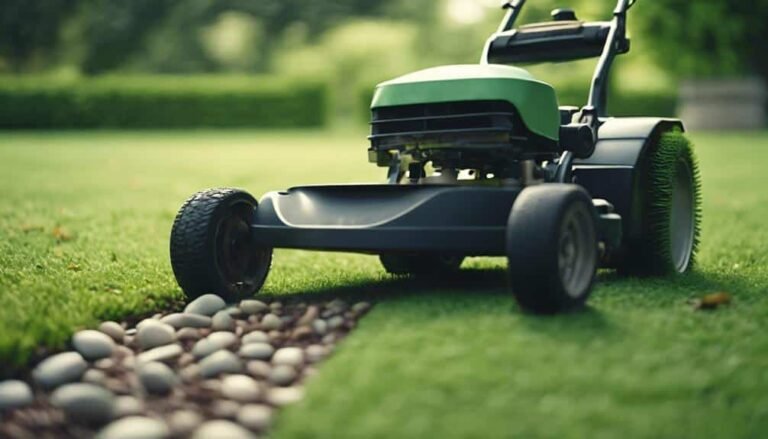
The cutting reel is the round cylinder at the front or center of the mower. It has several curved blades fixed to spiral supports. These are called helical blades because they wrap around the cylinder like threads on a screw.
As the reel spins, each blade moves past the bedknife. The blade does not need to touch the bedknife with heavy force. It needs a close, even gap. This small gap lets the two edges act like the blades of a pair of scissors.
Most reel mowers have between four and ten blades, depending on the model and its intended use. More blades can provide more cutting contact as the reel turns. This often suits short, fine grass. Fewer blades may handle slightly taller grass better, but the mower still has limits.
The bedknife
The bedknife is a straight, fixed blade beneath the reel. It forms the lower half of the cutting system. Grass stands between the moving reel and the stationary bedknife, then gets sliced as the reel passes over it.
The bedknife must stay straight and sharp. If one end sits too far from the reel, the mower may cut on only one side. If the reel touches it too tightly, the mower may drag, squeal, or wear quickly.
The wheels and gears
The wheels provide the power. On many manual reel mowers, pushing the wheels turns small gears. Those gears make the reel spin faster than the wheels.
This is why a reel mower can cut grass without a motor. The mower uses your forward motion as its energy source. The gear system transfers that motion to the cutting reel.
Wheel size also matters. Larger wheels can roll more smoothly over small bumps. Small wheels may make a compact mower easier to store, but they can catch on rough soil or deep thatch.
The cutting-height system
The cutting-height system changes the space between the bedknife and the ground. Some models use a lever. Others use axle positions, clips, or wheel adjustments.
A reel mower often works best when grass stays within its recommended height range. Cutting too low can stress turfgrass during drought or heat. Cutting too high can overload a small reel and leave uncut strips.
Always check the mower manual for the actual cutting range. Two reel mowers may look alike but have different settings.
The handle and frame
The handle gives you control and helps transfer your push into forward motion. A strong frame keeps the reel aligned with the bedknife.
A folding handle can help renters and people with small garages. A padded grip may matter to older users or anyone who mows for a long time. Check the folded size before buying if storage space is limited.
The grass catcher
A grass catcher collects clippings behind the reel. Some models include one, while others sell it as an accessory.
A catcher can keep a walkway clean and help when the lawn has grown slightly too tall. It also adds weight and may need frequent emptying. If you prefer to return fine clippings to the soil, you may choose to mow without it.
The table below shows how each main part supports the cut.
| Part | Main job | Common problem |
|---|---|---|
| Cutting reel | Spins helical blades through the grass | Dull or bent blades |
| Bedknife | Provides the fixed cutting edge | Uneven gap or worn edge |
| Wheels and gears | Turn the reel as you push | Slipping, broken, or clogged gears |
| Height adjuster | Sets mowing height | Uneven height or loose hardware |
| Grass catcher | Collects clippings | Added weight or poor fit |
The key point is simple: the reel and bedknife make the cut, but the wheels create the motion. A problem in any part can reduce performance.
The cutting mechanism step by step
The best way to picture a reel mower is to imagine a pair of scissors moving across a lawn. The reel blade is one scissor edge, and the bedknife is the other.
Step 1: You push the mower
Your forward push turns the mower wheels. Unlike a powered walk-behind mower, a manual reel mower has no engine, spark plug, fuel tank, battery, or electric motor.
Your speed affects reel speed. A steady walking pace usually gives the reel enough motion to cut cleanly. If you move too slowly, the reel may not turn fast enough. If you push too quickly through tall grass, the reel may pass over stems without slicing them.
Step 2: Wheel gears increase reel speed
The wheel axle connects to a gear system. The gears make the cutting reel spin faster than the wheels.
This gearing is important. If the reel turned at the same speed as the wheels, it would not make enough cutting contact. The gear ratio gives the blades several chances to meet the grass during one short section of travel.
Step 3: Grass enters the cutting zone
As the mower moves, grass blades slide into the space between the reel and bedknife. The reel’s spiral shape helps guide grass toward the cutting edge.
A healthy, upright grass blade enters this area more easily than a wet or flattened blade. Tall grass may bend away from the cutting zone. This is one reason reel mowers struggle with overgrown lawns.
Step 4: The reel blade passes the bedknife
The moving reel blade sweeps across the fixed bedknife. The edges should meet with a close, even relationship.
This is not a crushing action. It is a shearing action. The moving blade presses the grass against the fixed blade and slices it.
A clean shear leaves a smooth cut end. A dull reel may tear the tissue. Torn ends can look brown or ragged and may make the lawn appear less even.
Step 5: The cut grass falls or enters the catcher
After cutting, clippings fall behind the mower or move into the grass catcher. Fine clippings can break down on the lawn when the grass is mowed regularly and the layer is not too heavy.
Long clippings can mat together. If you mow a very tall lawn with a reel mower, you may need to rake or collect the material.
Step 6: The mower repeats the action
Each reel blade passes the bedknife again and again as you move forward. The number of blades, wheel size, gear ratio, walking speed, and grass height all affect how often the mower makes contact.
That is why mowing frequency matters. A reel mower is designed for regular trimming, not rescue work after weeks of growth.
Reel mower versus rotary mower
The main difference between a reel mower and a rotary mower is how each tool cuts grass. A reel mower slices grass between two edges. A rotary mower uses a flat blade that spins horizontally at high speed.
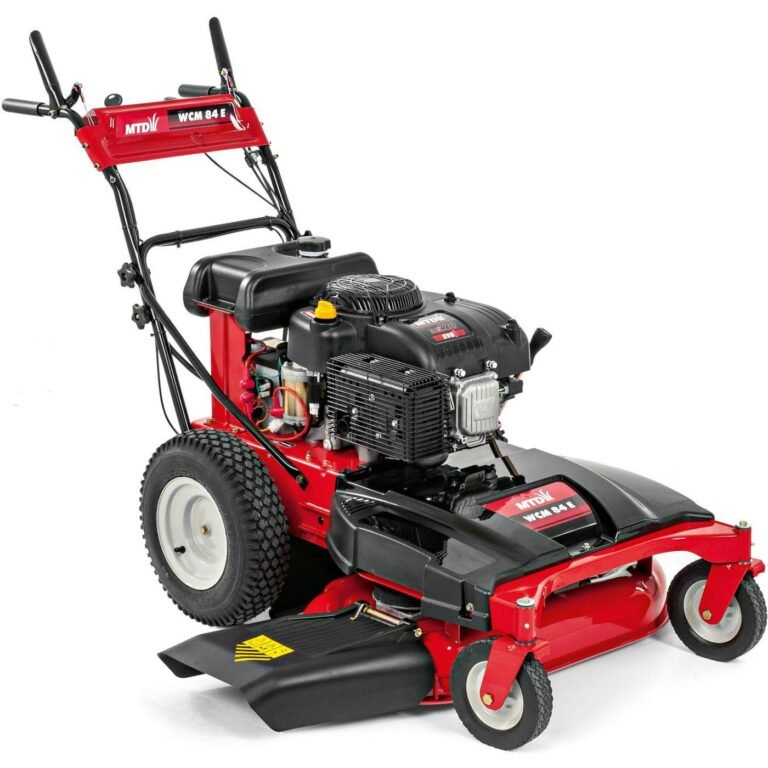
A rotary mower is more flexible for many homeowners. It can often handle taller grass, light weeds, and less-perfect mowing schedules. It may be powered by gas, a cord, or a battery.
A reel mower is more limited, but it can offer a quiet and direct cutting action. It also has fewer power-system parts to maintain.
| Feature | Reel mower | Rotary mower |
|---|---|---|
| Cutting action | Scissor-like shear | High-speed horizontal chopping |
| Power source | Human push on manual models | Gas, battery, or corded electric |
| Best lawn type | Short, maintained turf | Mixed or taller residential grass |
| Noise | Very low | Low to high, depending on power |
| Rough-ground ability | Limited | Usually better |
| Maintenance | Reel and bedknife adjustment | Blade, motor, battery, or engine care |
A reel mower suits a flat, maintained lawn and a user who does not mind frequent mowing. A rotary mower suits mixed grass, uneven lots, and owners who want more cutting power.
What kind of grass works with a reel mower?
Grass type affects reel mower performance because different turfgrasses grow at different heights and textures. Fine, upright grass usually gives the cleanest result.
Cool-season turf
Fine fescue, perennial ryegrass, and some Kentucky bluegrass lawns may work well with a reel mower when maintained at a suitable height. The result depends on the cultivar, lawn condition, and mower design.
Cool-season grass can grow quickly in spring and fall. That means you may need to mow more often during strong growth.
Warm-season turf
Some warm-season grasses, such as bermudagrass and certain hybrid turf types, are often managed at low heights with reel mowers. However, low mowing can require more skill and more frequent care.
St. Augustinegrass and coarse zoysia may be harder for a small manual reel mower, especially when growth is thick or uneven. Check local turf guidance and the mower manual before choosing.
Weeds and rough growth
A reel mower is not a brush cutter. Thick weeds can bend under the reel or jam the cutting area. Small sticks may damage the bedknife or reel.
If your lawn contains many weeds, a rotary mower may be a better primary tool. You can still use a reel mower later for short, maintained sections.
Weather and moisture
Wet grass sticks together and lies flat. This makes it harder for the reel to catch and shear each blade. Mud can also collect around the wheels and cutting parts.
Drought-stressed grass may be brittle and thin. Raise the mowing height if your turf specialist or local extension service recommends it. Avoid removing too much leaf tissue at once.
| Lawn condition | Reel mower response | Better approach |
|---|---|---|
| Short and dry | Usually favorable | Mow at a steady pace |
| Tall and dry | May bend or clog | Reduce height in stages or use a rotary mower |
| Wet and matted | Poor cutting and possible clogging | Wait until the lawn dries |
| Weedy and rough | May miss or jam | Use a rotary mower and repair the turf |
| Flat fine turf | Often a strong match | Maintain a regular schedule |
| Steep or bumpy | More effort and uneven results | Consider a powered mower designed for the terrain |
No mower should be used on wet slopes. The risk of slipping rises, and the mower may not track well.
The benefits and limits of reel mowers
A reel mower can be an excellent tool for the right yard. It can also become frustrating when used outside its design range.
Benefits
- Quiet operation
- No gasoline or engine exhaust
- No battery charging
- Low routine power-system maintenance
- Light weight on many models
- Simple controls
- Narrow cutting widths for tight spaces
- Useful exercise for some users
- Little storage space compared with riding mowers
- Possible lawn striping from the roller or wheel pattern
The quiet sound can help in neighborhoods with close homes. It may also suit early evening mowing, subject to local rules and neighbor courtesy.
limits
– Requires human effort
- Not ideal for steep hills
- Struggles with tall or wet grass
- Needs a sharp, well-set reel
- May leave strips if the mower is misaligned
- Can be difficult in thick thatch
- Often needs more frequent mowing than a rotary mower
- Does not remove the need for edging or trimming
Thatch is a dense layer of dead stems, roots, and runners between the soil and green grass. A thick thatch layer can make the wheels bounce and prevent the reel from reaching the grass evenly.
| Advantages | Drawbacks |
|---|---|
| Very quiet | Needs regular mowing |
| No fuel or charging | Limited power for tall grass |
| Simple mechanical design | Reel adjustment takes care |
| Light and easy to store | Not ideal on steep slopes |
| Low operating cost | Can struggle with wet turf |
A reel mower is worth the money when its limits match your yard. It is not a good value if you need to clear tall growth or mow a large, hilly property.
Reel mower types and who should choose them
Not all reel mowers serve the same user. Width, blade count, roller design, catcher options, and adjustment range matter more than appearance.
Standard manual reel mowers
These are the common push models for small residential lawns. They often have a cutting width near 14 to 20 inches, though exact sizes vary.
They suit first-time homeowners, renters, and gift buyers with a small, flat lawn. They may not suit a person with limited strength if the grass grows quickly or the ground is uneven.
Narrow reel mowers
A narrow mower can fit through small gates and between garden beds. It also stores easily in a shed or apartment garage.
The trade-off is more passes across the lawn. A 14-inch mower takes more time than an 18-inch model on the same area.
Wide reel mowers
A wider model can reduce mowing time. It may also weigh more and require greater effort to push through thick grass.
Measure your gate and storage door before buying. A mower that cannot pass through the gate will not help, no matter how well its reel cuts.
Reel mowers with grass catchers
A catcher helps collect clippings from paths and formal lawns. It may suit homeowners who want a tidy finish.
The catcher adds weight and can reduce ease of movement. Check whether the catcher is included or sold separately.
Powered reel mowers
Powered reel mowers are used for some sports fields, golf turf, and specialty lawns. They may use gasoline or batteries and require more setup and maintenance.
They are rarely the first choice for a small residential lawn. A homeowner should compare the cost, parts, storage needs, and service support with a standard rotary mower.
| Reel mower type | Best suited user and yard | Main limitation |
|---|---|---|
| Narrow manual model | Renter or owner with a small, flat yard | More passes |
| Standard manual model | Homeowner with maintained turf | Needs regular mowing |
| Wide manual model | Larger flat lawn and physically able user | More weight |
| Catcher-equipped model | Tidy lawn near paths or patios | Added weight and emptying |
| Powered reel model | Specialty turf or large maintained area | Higher cost and complexity |
For seniors, look beyond weight alone. Wheel grip, handle height, storage, mowing frequency, and slope matter. A light reel mower may still be tiring on thick grass or an incline.
How to get a clean cut
A clean cut starts before the mower reaches the lawn. Turf height, blade condition, wheel setting, and mowing direction all matter.
Mow often enough
A reel mower works best when it removes a small amount of leaf tissue. A common lawn-care rule is to avoid removing more than about one-third of the grass blade at one mowing, though the right height depends on the grass type.
If the lawn is too tall, raise the mower or use another mower first. Cutting a large amount at once can clog the reel and leave an uneven finish.
Keep the grass dry
Wait for dew and rain to clear. Dry grass stands more upright and moves through the cutting gap more easily.
Do not mow wet grass on slopes. Even on flat ground, wet clippings can stick to the reel and make the mower harder to push.
Overlap each pass
The wheels can press grass down. A small overlap helps the next pass reach blades that may have been bent by the previous wheel.
Avoid sharp turns that scrape turf. Lift or guide the mower gently at the end of each row.
Change direction
Mowing in the same direction every time can press grass to one side. Alternating directions can help the turf stand more evenly. Some reel mowers with a roller can create visible lawn striping.
Striping is a light-and-dark pattern caused by bent grass blades. It is a visual effect, not a sign of better lawn health.
Set the right height
The lowest setting is not always the best setting. Short mowing can increase stress during heat, drought, or cold weather.
Use your grass type and local extension guidance as a starting point. Make small adjustments, then inspect the lawn after mowing.
Reel adjustment and sharpening
A reel mower must have the right relationship between the reel blades and bedknife. This adjustment is often called reel-to-bedknife contact or clearance.
The paper test
Many manuals suggest using a thin strip of paper to check the cutting action. Place the paper in several points along the reel, then turn the reel by hand as directed by the manufacturer.
A properly adjusted mower should cut the paper at several points. If it only cuts on one side, the bedknife may be uneven or the reel may need alignment.
Follow the manual. Do not place fingers near the cutting edges.
Light contact versus heavy contact
The reel and bedknife need a close setting. Heavy contact creates drag and wears the edges. Too much space lets grass pass through without a clean cut.
A light, even sound may be normal on some models. A harsh scrape, locked reel, or strong resistance means you should stop and inspect the adjustment.
Backlapping
Backlapping uses a fine abrasive compound and reverse rotation to refresh the cutting edges. Some reel mowers support this method.
It is not the same as replacing a damaged blade. Backlapping cannot fix a badly bent reel or a deeply worn bedknife. Use the correct compound and follow the manual.
Professional grinding
A repair shop or mower service center can grind a reel and bedknife when edges are badly worn. This is common for high-end reel equipment.
For a basic home mower, professional grinding may cost enough that replacement parts make more sense. Ask for a parts estimate before approving work.
Signs the reel needs service
- Grass bends instead of cutting
- Uncut strips remain
- Cut ends look ragged
- The reel drags or squeals
- One side cuts better than the other
- The mower becomes hard to push
- The bedknife has visible nicks
- The reel has damaged or uneven blades
⚠️ Safety Warning: Clear the lawn first, wear safety glasses and closed-toe shoes, and keep children and pets away. Before servicing, follow the manual and secure the mower so the reel cannot move unexpectedly. For powered models, remove the battery or disconnect the spark plug before service.
Reel mower maintenance and storage
Reel mowers need less maintenance than gas mowers, but they are not maintenance-free. Cleaning and inspection protect the cutting edges.
After each use
Brush grass from the reel, bedknife, wheels, and frame. Do not leave wet clippings packed around the cutting parts.
Check for sticks, wire, stones, and other debris. A small object can nick a blade or bend the bedknife.
Wipe metal parts dry. Follow the manual before applying any lubricant. Too much oil near the cutting edges can collect dust and grass.
Monthly checks
Inspect:
- Wheel fasteners
- Handle bolts
- Height adjusters
- Reel movement
- Bedknife condition
- Gear covers
- Grass catcher clips
- Rust or cracks
The actual schedule depends on use and the manufacturer’s instructions. A mower used every week needs more attention than one used twice a month.
Winter storage
Clean the mower before storage. Keep it in a dry shed or garage, away from rain and ground moisture.
Do not hang a heavy mower by a weak handle. Store it in a stable position where children cannot reach the reel.
If the mower has a lithium-ion battery or powered drive, follow the manufacturer’s charging and temperature rules. Recycle old lithium-ion batteries at a designated drop-off, not in household trash.
| Task | Suggested timing | Why it matters |
|---|---|---|
| Brush off clippings | After each use | Reduces rust and buildup |
| Inspect reel and bedknife | Every few uses | Finds damage early |
| Check bolts and height parts | Monthly during use | Helps prevent loose settings |
| Clean and dry before storage | End of season | Protects metal parts |
| Sharpen or grind as needed | When cut quality drops | Restores clean shearing |
A dry, covered storage spot can extend the life of the frame and cutting parts. Do not store any mower where fuel, oil, or batteries can be exposed to unsafe heat.
Common reel mower problems and fixes
Most reel mower problems come from grass conditions, poor adjustment, debris, or worn cutting edges. Start with simple checks before buying parts.
| Problem | Likely cause | What to check |
|---|---|---|
| Grass is missed | Reel gap is too wide | Adjust reel and bedknife |
| Mower is hard to push | Heavy blade contact or debris | Clean and reset the reel |
| Ragged cut ends | Dull reel or bedknife | Sharpen or replace worn parts |
| One side cuts poorly | Uneven bedknife alignment | Check frame and adjustment |
| Reel does not spin | Gear or wheel problem | Inspect wheels and drive parts |
| Mower clogs | Wet or tall grass | Wait for dry conditions and mow more often |
The quickest fix is often a cleaning and adjustment. If the reel has a bent blade or the frame is damaged, stop using it until the part is repaired.
Reel mower compared with other mower choices
A reel mower is only one option in the lawn-care tool set. Your yard size, slope, grass height, storage, budget, and physical ability should guide the choice.
Push rotary mowers
A push rotary mower can be gas, battery-powered, or corded. It suits many small and medium yards and usually handles taller grass better than a manual reel mower.
A battery model avoids fuel and may be quieter than gas. Check voltage, amp-hours, charger type, battery compatibility, runtime claims, and replacement battery cost on the product page.
Self-propelled mowers
A self-propelled mower drives its wheels and reduces pushing effort. It can help on larger yards or gentle slopes.
It costs more and has more parts to maintain. The drive system, belts, cables, battery, or transmission can wear out. It may be a better choice for a senior with a larger yard, but the controls should be simple and comfortable.
Gas mowers
Gas mowers offer strong cutting power and can handle many grass conditions. They also create noise and exhaust and need spark plugs, air filters, engine oil, fuel care, and sometimes fuel stabilizer.
Cold starts can be difficult in cool weather or after long storage. Never refuel a hot engine. Local rules may restrict gas equipment or fuel storage.
Corded electric mowers
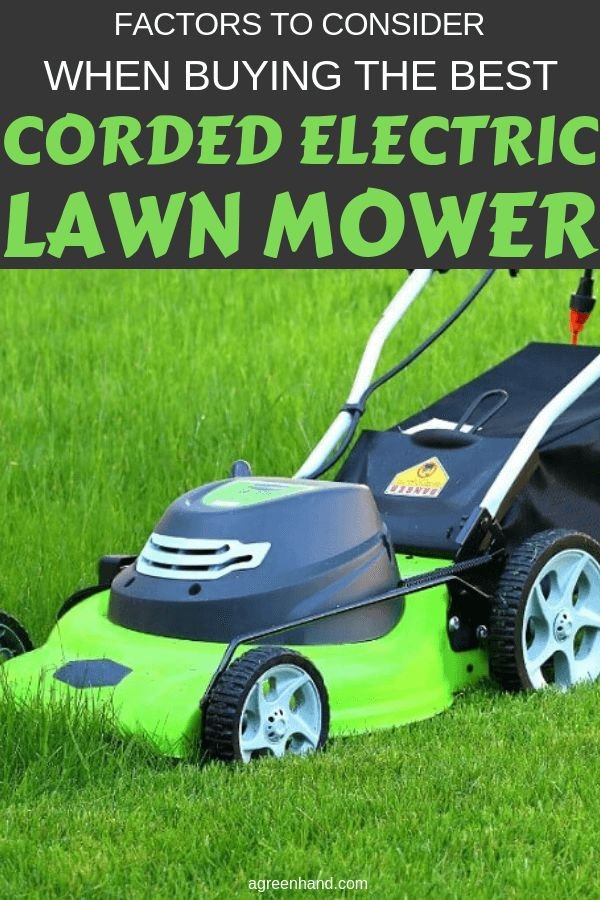
Corded mowers avoid engine fuel and battery charging, but the cord limits movement. They suit small yards with safe outdoor outlets and few obstacles.
Keep the cord away from the cutting path. For many renters, cord storage and outlet access matter as much as cutting width.
Riding and zero-turn mowers
Riding mowers suit larger properties. Zero-turn mowers turn sharply and can reduce mowing time on open ground, but they cost more and need more storage.
They are excessive for most small yards. They also require safe operation on slopes and around people, pets, ponds, and garden edges.
Robotic mowers
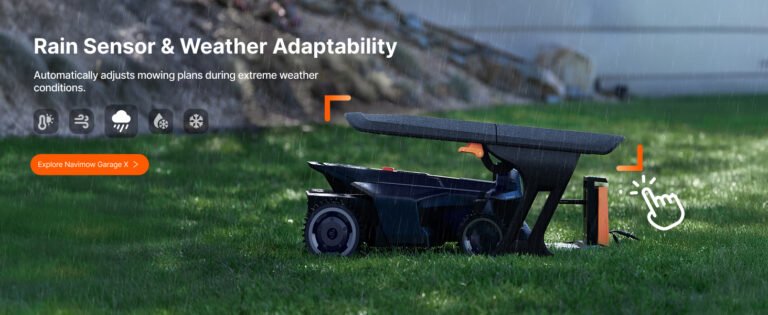
Robotic mowers trim on a schedule and can suit some contained lawns. They need setup, boundary planning, charging space, and app or control compatibility.
They do not replace every lawn tool. You may still need a string trimmer, edger, or leaf blower around borders and hard surfaces.
Is a reel mower worth it?
A reel mower is worth considering when you have a small, flat lawn and enjoy regular hands-on care. It can reduce fuel use, charging needs, and motor noise.
The purchase may be less satisfying if you travel often, let grass grow tall, or have a sloped lot. A basic battery push mower may be easier for a mixed lawn. A self-propelled model may be more practical for a larger or gently hilly yard.
For a gift, first confirm the recipient’s lawn size, gate width, grass type, storage space, and physical comfort. A reel mower is not automatically a thoughtful gift if the person has a steep yard or cannot push it easily.
Before buying, confirm:
- Cutting width
- Cutting-height range
- Number and type of reel blades
- Bedknife replacement part
- Grass catcher availability
- Handle folding design
- Warranty and local service
- Gate and shed measurements
- Slope and lawn condition
- Return policy
💡 Pro Tip: Measure the narrowest gate and storage door, not just the open lawn. A mower with a 20-inch cutting width may have a wider frame or catcher bracket.
Reel mower safety and local rules
Manual reel mowers have no engine or fuel, but their blades can still cut skin. Treat the reel and bedknife as sharp tools.
Follow these basic steps:
- Clear stones, wire, toys, branches, and pet waste before mowing.
- Wear eye protection, closed-toe shoes, and work gloves when handling the mower.
- Keep children and pets away from the mowing area.
- Never mow wet grass on a slope.
- Keep both hands on the handle while moving.
- Stop before crossing gravel, pavement, or a garden edge.
- Disconnect the spark plug or remove the battery on powered equipment before servicing.
- Never place hands near the reel while it can move.
- Read the owner’s manual before adjusting the bedknife.
- Store the mower where children cannot reach it.
Noise rules still matter, even though a manual reel mower is quiet. HOA rules may also govern mowing hours, storage, or visible equipment. Check city rules, HOA policies, and local gas-equipment restrictions before buying powered alternatives.
📜 Check Local Rules: Confirm mowing hours, HOA limits, gas equipment rules, and fuel storage laws with your city or homeowners association. Rules can vary by neighborhood.
Frequently asked questions
Q: Does a reel mower cut better than a rotary mower?
A: It can produce a very clean cut on short, dry, well-maintained turf when the reel and bedknife are sharp and properly adjusted. A rotary mower is usually more forgiving with tall, rough, or mixed grass.
Q: Can a reel mower cut tall grass?
A: It can cut some moderately tall grass, but performance drops as grass bends, thickens, or becomes wet. For badly overgrown turf, use a rotary mower first or reduce the height in stages.
Q: How often should I use a reel mower?
A: Use it whenever the lawn needs a light trim. During fast spring growth, that may mean once or twice each week. The right schedule depends on grass type, weather, mowing height, and local lawn-care guidance.
Q: Can a reel mower handle hills?
A: It can handle only gentle slopes that you can safely walk across. Manual reel mowers become harder to control as slope, moisture, and grass height increase. Do not mow wet slopes.
Q: Are reel mowers good for seniors?
A: They can suit a senior with a small, level lawn, regular mowing habits, and enough strength to push steadily. A self-propelled battery mower may be better for a larger or sloped yard.
Q: Why does my reel mower leave strips of grass?
A: The reel may be misaligned, dull, clogged, or set too far from the bedknife. The mower may also be too narrow for your overlap pattern, or the wheels may be bending grass before the reel reaches it.
Q: How do I know if the reel mower is sharp?
A: Follow the manual’s paper test or another approved test. The reel should shear paper at several points when turned safely by hand. Do not test sharpness with your fingers.
Q: Do reel mowers need oil?
A: Some models need light lubrication on gears, bearings, or moving points. Others use sealed parts. Apply only the lubricant and amount listed in the owner’s manual.
Q: Can I use a reel mower on wet grass?
A: It is better to wait. Wet grass lies flat, sticks to the reel, and may cause an uneven cut. Wet slopes also create a serious slipping hazard.
Q: How long does a reel mower last?
A: Service life depends on frame quality, storage, use, debris, and maintenance. The frame may last many years, while the reel, bedknife, wheels, gears, or catcher may need service or replacement sooner.
Q: What wears out first on a reel mower?
A: Cutting edges, wheel parts, height adjusters, and gears often need attention before the frame. Debris, rust, heavy contact, and poor storage can speed up wear.
Q: Is a reel mower good for a small yard?
A: Yes, when the yard is fairly flat, the grass is maintained, and the user can push the mower. Measure the lot, gate, and storage area before selecting the cutting width.
Q: Can a reel mower mulch grass?
A: It leaves clippings on the lawn, but it is not the same as a rotary mower with a mulching kit. Fine clippings can break down when mowing is frequent. Heavy clippings should be collected or spread evenly.
Q: Do reel mowers need gas or batteries?
A: Manual models do not. They use your push to turn the wheels and reel. Powered reel mowers are different, so check the exact product design and parts before buying.
Q: What should I use for edges after mowing?
A: A string trimmer or edger can clean grass along walls, fences, beds, and paths. A leaf blower or broom can clear clippings from hard surfaces.
Final thoughts
A reel mower works through a simple but precise system. Your push turns the wheels, the gears spin the helical reel, and the reel shears grass against the fixed bedknife. When the blades are sharp and the turf is short and dry, this design can give a neat cut with very little noise.
It is best for a small, flat, regularly maintained lawn and a user who accepts frequent mowing. It is not the right tool for every yard. Compare it with a battery push mower, self-propelled mower, gas mower, or riding mower if you have slopes, tall grass, thick thatch, or limited pushing strength.
Measure your lawn, gates, and storage space. Check the grass type and local rules. Then confirm the mower’s blade type, cutting width, height range, replacement parts, and manual before ordering.
Affiliate disclosure: This article may contain affiliate links. If you buy through a link, we may earn a commission at no extra cost to you. Product details, compatibility, availability, and prices can change, so confirm current information on the manufacturer’s product page and in the owner’s manual.

One Comment