


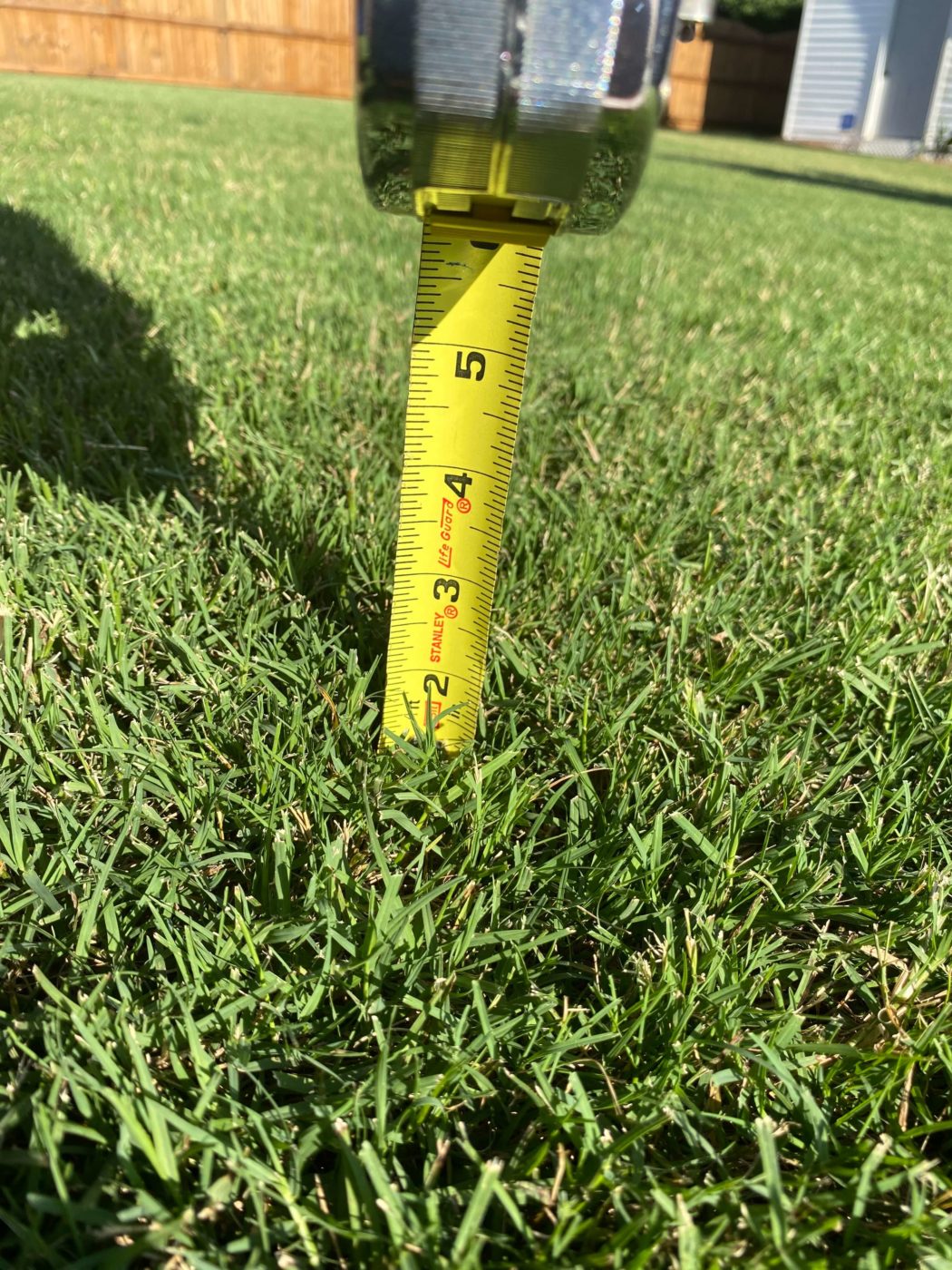
The best height to cut grass in summer is usually 3 to 4 inches, depending on your grass type.
Choosing the best height to cut grass in summer can protect your lawn from heat, drought, weeds, and heavy foot traffic. The right mowing height helps grass grow deeper roots and keep more moisture, while cutting too short can leave it weak and brown. This guide explains the best summer mowing height, how often to mow, and the mistakes that can damage your lawn.

What Is the Best Height to Cut Grass in Summer?
For most home lawns, the best height to cut grass in summer is about 3 to 4 inches. This range gives the grass enough leaf surface to make food and shade the soil.
Taller grass also helps slow water loss. Its blades act like a small umbrella over the soil. They reduce heat at the surface and help stop weed seeds from getting the sunlight they need.
The best height to cut grass in summer depends on the turf species. Cool-season grass often performs well at 3 to 4 inches, while warm-season grass may prefer a shorter range.
| Grass type | Good summer mowing height |
|---|---|
| Kentucky bluegrass | 2.5 to 3.5 inches |
| Tall fescue | 3 to 4 inches |
| Perennial ryegrass | 2.5 to 3.5 inches |
| Fine fescue | 2.5 to 3.5 inches |
| Bermudagrass | 1 to 2 inches |
| Zoysiagrass | 1.5 to 2.5 inches |
| St. Augustinegrass | 2.5 to 4 inches |
| Centipedegrass | 1.5 to 2.5 inches |
These ranges are general guides. Your local climate, soil, shade, mowing method, and lawn condition also matter.

Why Summer Grass Needs a Higher Mowing Height
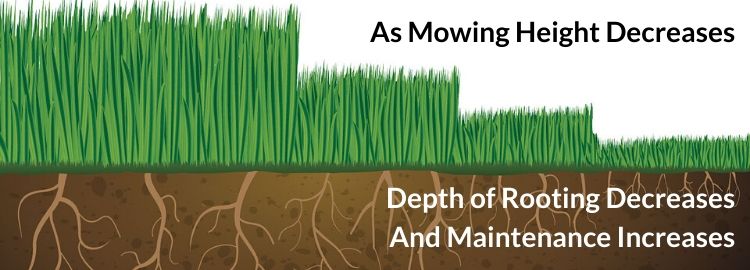
The best height to cut grass in summer is higher because heat puts stress on the plant. A taller blade can produce more energy through photosynthesis. It also gives the plant more tissue to recover after mowing.
Short grass may look neat for a few days, but it often struggles during hot weather. Removing too much leaf tissue forces the plant to use stored energy. This can slow root growth and make the lawn more sensitive to drought.
A higher mowing height can offer several benefits:
• It shades the soil and reduces evaporation.
• It supports deeper and stronger roots.
• It helps the lawn compete with weeds.
• It protects the crown of the grass plant from heat.
• It gives the lawn a fuller, greener appearance.
• It reduces stress during dry periods.
Think of grass like a solar panel. The blades collect sunlight and turn it into energy. If you remove too much of the panel, the plant has less power to repair itself.
The One-Third Rule for Summer Mowing
The one-third rule is one of the most useful mowing tips for any season. Never remove more than one-third of the grass blade in a single mowing session.
For example, if your target height is 3 inches, mow when the grass reaches about 4.5 inches. Cutting it down from 4.5 inches to 3 inches removes one-third of the blade.
The best height to cut grass in summer becomes less helpful if you wait too long between cuts. Removing half or more of the blade can shock the plant, expose the soil, and leave heavy clumps of clippings.
Use this simple method:
- Choose your target mowing height.
- Let the grass grow about 50 percent taller than that height.
- Mow with a sharp blade.
- Avoid cutting wet or heat-stressed grass.
- Mow again when the lawn reaches the upper limit.
Regular mowing is safer than occasional heavy mowing. It is like trimming hair a little at a time instead of cutting off a large section all at once.
How to Choose the Best Height to Cut Grass in Summer
The best height to cut grass in summer is not the same for every lawn. Start by identifying your grass type. You can check old seed bags, ask a local garden center, or compare your lawn with pictures from a university turf program.
Next, look at the growing conditions. A sunny lawn may handle a slightly shorter cut than a shaded lawn. Grass under trees usually needs more leaf area because it receives less light.
Use these factors when choosing a height:
Grass species
Tall fescue and St. Augustinegrass usually benefit from a taller cut. Bermudagrass and centipedegrass often perform well at shorter heights.
Sun and shade
Raise the mower setting in shaded areas. Taller blades help capture the limited light that reaches the lawn.
Drought and heat
During a hot, dry spell, raise the mowing height slightly. This leaves more leaf tissue and helps protect the soil.
Soil quality
Poor soil cannot hold water well. A higher cut may help, but the lawn may also need compost, aeration, or better irrigation.
Lawn use
A lawn used by children, pets, or frequent guests may need a strong, moderately tall height. Avoid cutting it too short just to make it look formal.
:max_bytes(150000):strip_icc()/how-high-should-grass-be-cut-2132358_02-5ce8c079b9324a378ae98b3ec4ef82b0.jpg)
What Happens When You Cut Grass Too Short?
Cutting grass too short in summer is often called scalping. It removes too much of the leaf and may expose the crown or soil.
Scalping can cause:
• Brown or yellow patches.
• Faster moisture loss.
• More heat damage.
• Shallow root growth.
• Increased weed pressure.
• Greater risk of lawn disease.
• Slow recovery after mowing.
A short lawn may also require more water. This surprises many homeowners. They cut the grass low to reduce mowing, but the exposed soil dries faster, so the lawn needs water sooner.
One common lawn care mistake is lowering the mower before a vacation. This does not safely extend the time between cuts. It can cause severe stress instead. A better plan is to mow at the normal height shortly before leaving and ask someone to mow again if needed.

How Often Should You Mow in Summer?
Most lawns need mowing every five to seven days during active growth. Fast growth, regular rain, and fertilizer can shorten that schedule. Hot, dry weather may slow growth, but the grass can still need occasional mowing.
The best height to cut grass in summer works best when you adjust the schedule to the lawn’s growth. Do not mow by the calendar alone. Walk across the lawn and check the blade height.
Follow these practical guidelines:
• Mow when the grass is about one-third taller than your target height.
• Avoid removing more than one-third of the blade.
• Slow down when the lawn is growing quickly.
• Raise the mower if the lawn shows heat stress.
• Let dry grass recover before mowing again.
• Keep mower blades sharp for a clean cut.
A dull blade tears the grass instead of slicing it. Torn tips may look gray or brown and can lose water more quickly. Check the blade several times each season, especially if you mow often or hit rocks and roots.
:max_bytes(150000):strip_icc()/how-high-should-grass-be-cut-2132358_02-5ce8c079b9324a378ae98b3ec4ef82b0.jpg)
Should You Mow Grass in Extreme Heat?
Avoid mowing during the hottest part of the day. Early morning and early evening are usually better, as long as the grass is dry.
Mowing in strong midday heat adds stress to both the grass and the person using the mower. Wet morning grass can also clog the mower deck and create an uneven cut. Wait until the blades are dry, but do not wait until the lawn is exposed to extreme afternoon heat.
Do not mow a severely wilted lawn unless needed. Signs of heat stress include:
• Footprints that remain visible.
• Folded or curled grass blades.
• A gray-green or dull color.
• Dry, brittle leaves.
• Cracks in the soil.
If you must mow during a hot period, raise the deck slightly and use a sharp blade. Avoid aggressive turns and never remove a large amount of leaf tissue.

How Watering and Mowing Work Together
Mowing height and watering are closely linked. The best height to cut grass in summer can reduce water loss, but it cannot replace proper irrigation.
Most established lawns do better with deep, less frequent watering than with light daily watering. Many turf specialists suggest aiming for about 1 inch of water per week from rain and irrigation, though the exact amount depends on soil, weather, grass type, and local restrictions.
Water early in the morning when possible. This gives the grass time to absorb water before the heat rises. Avoid frequent evening watering because long periods of wet leaves may encourage disease.
To check irrigation, place straight-sided containers around the lawn. Run the sprinkler and measure the water collected. This is more accurate than guessing by time because sprinkler output can vary widely.
During drought restrictions, follow local rules first. Letting a lawn go partly dormant may be safer than watering illegally or applying small amounts of water every day.
Should You Leave Grass Clippings on the Lawn?
Yes, you can usually leave small grass clippings on the lawn. This practice is called grasscycling. Short clippings break down quickly and return nutrients, including nitrogen, to the soil.
Leave clippings only when they are light and spread evenly. Remove or spread heavy clumps after mowing tall grass. Thick piles can block sunlight and air and may create dead spots.
Grass clippings do not cause thatch by themselves. Thatch is made mostly of slowly decomposing stems, roots, and crowns. Overwatering, excess fertilizer, compacted soil, and poor mowing habits can contribute to thatch problems.
Never leave clippings on sidewalks or driveways. Sweep them back onto the lawn or place them in a compost area. Clippings can wash into storm drains and add unwanted nutrients to local waterways.
Summer Mowing Mistakes to Avoid
The best height to cut grass in summer is only one part of good lawn care. Mowing technique matters just as much.
Avoid these common mistakes:
• Cutting more than one-third of the blade.
• Using a dull mower blade.
• Mowing wet grass.
• Cutting at the same height in sun and shade.
• Mowing during the hottest part of the day.
• Removing clippings after every cut without a reason.
• Lowering the mower to avoid frequent mowing.
• Turning sharply and tearing the turf.
• Mowing with clogged or poorly maintained equipment.
Change your mowing direction from time to time. If you always mow in the same pattern, the grass may lean, develop ruts, or suffer soil compaction. Alternating directions also helps create a more even appearance.
Before each mowing session, remove sticks, toys, stones, and pet items from the lawn. Wear eye protection and keep children and pets away from the mower.
A Simple Summer Mowing Routine
Use this routine to protect your lawn through the warm months:
- Check the forecast and avoid mowing during extreme heat.
- Walk the lawn and look for dry, wet, or damaged areas.
- Set the mower to the correct height for your grass.
- Make sure the blade is sharp and the deck is clean.
- Mow only when the grass is dry.
- Remove no more than one-third of the blade.
- Leave fine clippings on the lawn.
- Change mowing direction every few cuts.
- Water deeply when the lawn needs it.
- Raise the mowing height during drought or heat stress.
This routine takes only a few extra minutes, but it can prevent weeks of lawn recovery. A healthy lawn is built through small, steady choices rather than one dramatic treatment.
Adjusting Mowing Height for Different Lawn Problems
Sometimes the best height to cut grass in summer must change because the lawn is already under stress. A fixed mower setting is not always the best choice.
During drought
Raise the mower by about half an inch if your grass type allows it. Taller grass can shade the soil and protect the crown.
In heavy shade
Use a higher setting and reduce foot traffic. Shaded grass grows more slowly and may not recover quickly from a low cut.
After heavy rain
Wait until the lawn is firm and the blades are dry. Mowing soft soil can create ruts and compact the root zone.
After fertilizing
Do not mow immediately if the fertilizer needs time to water in. Follow the product label and avoid adding more fertilizer simply because the lawn looks pale.
After a pest or disease problem
Raise the height slightly and improve air movement. Avoid assuming that mowing lower will fix the problem. Many lawn issues need correct identification first.
Frequently Asked Questions About the Best Height to Cut Grass in Summer
Is 3 inches too high for summer grass?
No, 3 inches is a good summer height for many cool-season lawns. Tall fescue, Kentucky bluegrass, and perennial ryegrass often stay healthier at about 2.5 to 4 inches.
Can I cut my grass shorter before a heat wave?
It is better not to cut grass short before a heat wave. Maintain the normal height or raise it slightly so the lawn has more leaf area and soil shade.
What is the best height to cut Bermuda grass in summer?
Bermudagrass is commonly mowed between 1 and 2 inches in home lawns. Some finely maintained lawns are cut lower, but that requires frequent mowing, excellent leveling, and careful maintenance.
How often should I sharpen my mower blade?
Sharpen the blade about once each mowing season or after roughly 20 to 25 hours of use. Sharpen it sooner if the blade hits rocks, roots, or other hard objects.
Should I mow a brown lawn?
If the grass is dormant and brittle, avoid mowing unless growth has resumed. If mowing is necessary, use a sharp blade, remove very little, and avoid cutting during extreme heat.
Does taller grass prevent weeds?
Taller grass can reduce weed pressure by shading the soil and forming a denser canopy. It will not remove established weeds on its own, but it supports a stronger lawn that competes more effectively.
Is it better to mow in the morning or evening?
Late morning or early evening can work well if the grass is dry and temperatures are moderate. Avoid mowing wet grass and avoid the hottest part of the afternoon.
Conclusion
The best height to cut grass in summer is usually 3 to 4 inches for many cool-season lawns, while warm-season grasses often need a shorter setting. Always identify your grass type, follow the one-third rule, keep the mower blade sharp, and raise the height during drought or extreme heat.
A taller, well-maintained lawn is better prepared for summer stress. Set your mower correctly before the next cut, watch how the grass responds, and adjust with the weather. Explore more lawn care guides or share your summer mowing results in the comments.
