
Riding Lawn Mower Not Starting: Quick Fixes That Work
A riding lawn mower that will not start can turn a simple mowing job into a long afternoon. The good news is that many no-start problems have simple causes. A dead battery, loose safety switch, clogged fuel filter, bad spark plug, or stale gas can stop the engine even when the mower looks fine.
Start with the basics before buying parts. Check the fuel, battery, blade controls, parking brake, and seat switch. Then move to the engine if the starter turns but the mower does not run. This guide explains how to find the cause, what you can safely fix at home, and when a repair shop is the better choice.

Affiliate disclosure: This article may contain affiliate links. If you buy through one, we may earn a commission at no extra cost to you. Always confirm fit, voltage, deck size, and part numbers in your owner’s manual and on the seller’s current product page.
Why a riding lawn mower will not start
A riding mower usually fails to start for one of three reasons: it has no electrical power, it cannot deliver fuel and air to the engine, or a safety system is blocking ignition. The sound you hear when you turn the key gives the first clue.

A mower that makes no sound often has a battery, fuse, ignition switch, or safety-switch problem. A single click can point to a weak battery or starter solenoid. A steady cranking sound means the starter is turning the engine, so the fault may involve fuel, spark, air, or compression.
Modern riding mowers also use interlock systems. These systems can stop the engine from starting if the parking brake is not set, the cutting blades are engaged, the operator is not seated, or the transmission is not in neutral. These features protect you, but they can also confuse a new owner.
What the starting sound tells you
Listen closely while turning the key. Do not hold the key in the start position for more than about 10 seconds at a time. Let the starter cool for a short period between attempts.
| What you hear | Likely problem | First check |
|---|---|---|
| Nothing at all | Dead battery, fuse, switch, or safety interlock | Battery terminals and parking brake |
| One click | Weak battery or starter solenoid | Battery voltage and cable connections |
| Rapid clicking | Low battery charge | Charge or replace the battery |
| Engine cranks but does not run | Fuel, spark, air, or stale gas | Fuel level, spark plug, and air filter |
| Engine starts, then stops | Seat switch, fuel flow, or carburetor | Safety switches and fuel system |
The main difference between a “no crank” mower and a “cranks but will not run” mower is where you begin. No-crank problems usually start with electrical checks. Crank-but-no-start problems usually need fuel, spark, and air checks.
Quick answer: check these five items first
The best way to troubleshoot a riding lawn mower that will not start is to confirm fresh fuel, a charged battery, a set parking brake, disengaged blades, and a clean connection at the battery terminals. If the engine cranks but does not start, inspect the spark plug, air filter, fuel filter, and carburetor. Disconnect the spark plug wire or battery before servicing, and follow the manual.
Work through the checks in this order:
- Set the parking brake.
- Move the gear selector to neutral or park.
- Turn off the mower blades.
- Check the fuel level and fuel age.
- Inspect the battery terminals.
- Listen for cranking.
- Test fuel, spark, and air if the starter turns the engine.
Do not guess by replacing several parts at once. A clear process saves money and helps you learn the mower’s systems.
🔧 Quick Fix: Many riding mowers will not start because the blade engagement lever is still on. Move the lever to the “off” position, press the brake pedal fully, and try again.
Symptoms and what they mean
The symptom often points to the correct repair area. A mower that starts only with a jump, for example, may have a weak battery or poor charging system. A mower that runs for a few minutes and then dies may have a blocked fuel cap vent or a dirty carburetor.
Use the table below as a starting point. It does not replace the owner’s manual, but it can help you avoid random part changes.
| Symptom | Most likely cause | What to do |
|---|---|---|
| No dash lights or sound | Dead battery, blown fuse, bad cable | Charge the battery and inspect the fuse |
| Dash lights work, but no crank | Safety switch or starter circuit | Check brake, seat, blade, and neutral controls |
| Starter turns slowly | Weak battery or corroded cables | Clean terminals and test battery voltage |
| Engine cranks normally | Fuel or ignition issue | Check spark, fuel flow, and air filter |
| Starts with spray but dies | Fuel delivery problem | Inspect filter, carburetor, and fuel line |
| Backfires while starting | Incorrect fuel, spark issue, or valve problem | Stop and inspect before more attempts |
| Runs only with choke | Lean fuel mixture or dirty carburetor | Clean the carburetor and check for air leaks |
No sound when you turn the key
No sound usually means electricity is not reaching the starter. First, make sure the battery cables are tight. The positive cable is often red, and the negative cable is often black, but confirm the markings on your mower.
Next, check the fuse. A blown fuse can result from a shorted wire, failed starter, or damaged accessory. Replace it only with the same type and rating listed in the manual. A larger fuse can create a fire risk.
A click but no engine movement
One click often comes from the starter solenoid. The solenoid is an electrically controlled switch that sends battery power to the starter motor. A weak battery can also cause one loud click.
Use a battery charger made for the mower’s battery type. Many riding mowers use a 12-volt lead-acid battery, but check before connecting a charger. If the battery charges but quickly loses power, it may need replacement.
The engine cranks but will not run
A cranking engine needs fuel, air, and an ignition spark. Begin with the easiest checks. Confirm that the tank has fuel and that the fuel shutoff valve, if fitted, is open.
Then inspect the spark plug wire. It should fit firmly over the plug. A loose wire can stop ignition. Remove the plug only after disconnecting the wire and following the manual’s service instructions.

Common causes of a no-start riding mower
Most starting faults come from a short list of worn, dirty, loose, or neglected parts. Fuel problems are common after winter storage. Battery problems are common when a mower sits for weeks without a charger.

The table below separates the main causes by system. It also shows how climate and storage can change the problem.
| System | Common fault | Why it happens |
|---|---|---|
| Battery | Low charge or failed cell | Long storage, cold weather, or an aging battery |
| Terminals | Corrosion or loose cables | Moisture and vibration |
| Safety circuit | Bad seat, brake, blade, or neutral switch | Wear, dirt, or a control left in the wrong position |
| Fuel system | Stale gas, clogged filter, dirty carburetor | Old fuel forms gum and varnish |
| Ignition | Fouled spark plug or damaged wire | Carbon, oil, moisture, or normal wear |
| Air intake | Dirty air filter | Dust, dry grass, and poor service |
| Starter | Worn motor or solenoid | Heat, age, or repeated long cranking |
| Charging system | Failed alternator or regulator | Battery does not recharge while running |
Weak battery or corroded terminals
A riding mower battery can lose charge even when the mower is not used. Cold weather reduces battery performance. A battery stored in a damp shed may also develop corrosion at the terminals.
Turn off the ignition before inspecting the battery. Wear work gloves and eye protection. Clean light corrosion with a battery-terminal brush. Make sure the cable ends sit tight on the posts.
A multimeter can help. A fully charged 12-volt battery often measures near 12.6 volts at rest, but the exact reading depends on battery type and condition. Use the manual or battery label for guidance.
Stale fuel and water in the tank
Gasoline changes during storage. It can lose volatility and leave deposits in the carburetor. Water can enter through condensation or an unsealed fuel container.
If the fuel is old, drain it only as directed by the manual and local rules. Never pour gasoline onto soil, into a drain, or into household trash. Take old fuel to a local hazardous-waste collection site.
Use fresh fuel from a clean, approved container. Fuel stabilizer can help during storage, but it does not restore badly degraded fuel. Stabilizer works best when added to fresh gas before storage.
Dirty carburetor or fuel filter
The carburetor mixes fuel and air. A dirty carburetor may restrict fuel flow or make the mixture too lean. “Lean” means too much air and too little fuel.
A clogged fuel filter can create similar symptoms. Some filters have an arrow that shows the fuel-flow direction. Install the replacement in the same direction and use the correct part number.
Fouled spark plug
A spark plug can become wet with fuel, coated with carbon, or worn at the electrode. The electrode is the small metal part that creates the spark inside the engine.
Do not assume every plug fits every engine. Confirm the plug type, gap, and torque in the manual. A plug that looks close may have the wrong heat range or thread length.
Blocked air filter
A dirty air filter reduces air flow. The engine may run poorly, smoke, or fail to start. Foam filters may need washing and oiling. Paper filters usually need replacement, not washing.
Keep the air-filter housing closed and clean. Grass dust can enter through a loose cover and damage the engine over time.
Safe tests and fixes you can do at home
Simple checks are suitable for many first-time owners. Stop if you see melted wiring, fuel leaks, a damaged flywheel, or signs of engine seizure. A small-engine repair shop can test those faults more safely.
Before any service, park on a flat surface. Remove the key, set the parking brake, and turn off the blades. Disconnect the spark plug wire or remove the battery cable as directed by the manual.
⚠️ Safety Warning: Wear safety glasses, hearing protection, work gloves, and closed-toe shoes. Clear sticks, stones, and toys before testing or mowing. Keep children and pets away. Never refuel a hot engine, and never mow wet grass on a slope.
Step 1: Confirm the starting controls
Sit fully in the seat. Push the brake pedal down. Place the transmission in neutral or park. Turn the blades off.
Some models require the operator to sit in a particular position for the seat switch to engage. Do not bypass a safety switch. A bypass can allow the blades or mower to move without the operator in the correct position.
Step 2: Inspect the battery
Look for loose cables, white or green corrosion, cracks, swelling, or a leaking case. A swollen or leaking battery needs replacement. Do not charge it.
If the battery looks sound, charge it with the correct charger. A smart charger can reduce overcharging risk, but it must match the battery’s voltage and chemistry. Confirm compatibility before use.
Step 3: Check the fuse and wiring
Find the fuse location in the manual. It may be near the battery, under the hood, or beside the wiring harness. Replace a failed fuse with the exact rating.
Look for chewed wires, frayed insulation, and connectors pulled loose by vibration. Rodents can damage mowers stored in garages or sheds. Repair damaged wiring before starting the engine.
Step 4: Check fuel quality
Open the fuel cap and confirm the tank is not empty. Smell the fuel only from a distance. Strong varnish-like odors can signal old gasoline.
Inspect the fuel line for cracks or wet spots. Fuel leaks create a fire risk. Do not start the mower until the leak is repaired and spilled fuel has evaporated.
Step 5: Inspect the spark plug
Disconnect the spark plug wire. Remove the plug with the correct socket. Look for a wet tip, heavy carbon, cracked ceramic, or a worn electrode.
A new spark plug is often inexpensive, but the correct gap matters. Install the plug listed for your engine. Do not overtighten it, because damaged cylinder-head threads can be costly to repair.
Step 6: Inspect the air filter
Remove the filter cover. Keep dirt from falling into the intake. Replace a damaged paper element. Clean a reusable foam element only as the manual allows.
An air filter is one of the normal wear parts on a gas mower. It may need more frequent service if you mow dry turf, dusty soil, or areas with heavy thatch. Thatch is a layer of living and dead plant matter near the soil surface.
Step 7: Try a controlled restart
After the basic checks, reconnect the spark plug wire and make sure all covers are secure. Sit in the seat, set the brake, disengage the blades, and start the mower.
Do not use starting fluid unless the engine maker specifically allows it. Sprays can damage some engines and create a fire hazard. If the mower only runs with spray, the fuel system needs attention.
When the starter turns but the engine will not run
A starter that turns the engine has already passed the first electrical test. The next task is to confirm spark and fuel without creating a hazard.

A basic spark tester can show whether the ignition system produces a spark. Use the tester as directed by its maker. Keep fuel vapors away from sparks, flames, cigarettes, and hot surfaces.
If spark is present, focus on fuel delivery. If fuel and spark are present but the engine still will not run, low compression or valve timing may be involved. These repairs often need specialist tools.
Fuel delivery checks
Check whether fuel reaches the carburetor, but do not disconnect lines unless the manual explains how. Gas can spill quickly and ignite. Use a proper container and work outdoors in a well-ventilated area.
A blocked fuel-cap vent can also stop fuel flow. If the mower starts and then dies, briefly loosening the cap may help identify a vent problem. Do not mow with the cap loose. Replace a faulty cap.
Compression and valve problems
Compression allows the engine to burn the fuel-air mix. Low compression can result from worn piston rings, damaged valves, or head-gasket failure. A compression test needs the correct gauge and procedure.
Hard starting, unusual tapping, smoke, or a sudden loss of power can point to internal damage. Stop repeated attempts. Continued cranking can drain the battery and add stress to the starter.
Gas, electric, and battery riding mower differences
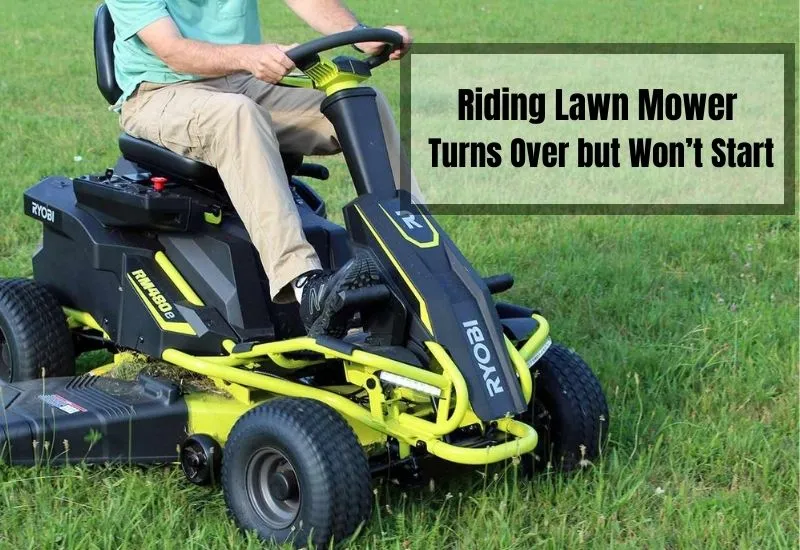
Most riding mower starting advice applies to gas models. Battery-powered riding mowers use different checks. They may have no spark plug, fuel filter, or carburetor.

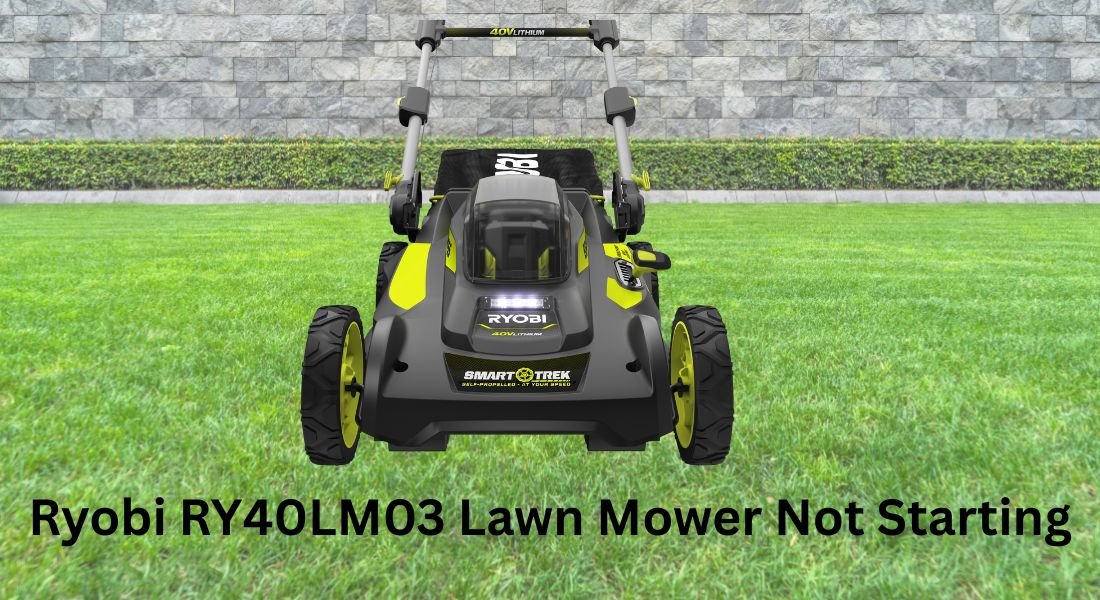
A battery riding mower may refuse to start because the main battery is empty, the charger is faulty, the battery is too cold or hot, or the electronic control system sees an error. Check the display, charging cable, battery latch, and manual.
Do not use a gas-mower charger on a lithium-ion battery. Lithium-ion batteries should be charged with the approved charger in a dry space with airflow. Keep them away from heat and metal objects that can short the contacts.
| Mower type | Main no-start checks | Common service items |
|---|---|---|
| Gas riding mower | Battery, fuel, spark, air, safety switches | Spark plug, air filter, fuel filter, belts |
| Battery riding mower | Charge level, battery connection, charger, control display | Battery pack, charger, blade, drive belt |
| Electric corded mower | Outlet, extension cord, switch, safety bar | Cord, switch, blade, motor controls |
The right repair path depends on the power system. A gift buyer should know whether the recipient wants gas maintenance or battery charging. A senior with limited lifting strength may prefer a model with a removable battery, but the battery weight and charging setup still matter.
Prevention and a practical maintenance schedule
Regular care prevents many starting problems. Keep fuel fresh, charge the battery, clean grass from the deck, and follow the engine maker’s service intervals.
Your yard affects maintenance. Dry, dusty lawns load air filters. Wet grass packs under the deck. Hilly lawns place extra demand on belts, tires, brakes, and the engine. Small yards may not use enough fuel to keep gas fresh, so battery equipment may suit some owners better.
| Service item | When to check | Why it matters |
|---|---|---|
| Fuel level and condition | Before each mowing session | Old or contaminated fuel can block starting |
| Battery and terminals | Monthly during use | Low charge and corrosion reduce cranking power |
| Engine oil | Before use and at manual intervals | Low or dirty oil can damage the engine |
| Air filter | Each month in dusty use | Restricted air can cause poor starting |
| Spark plug | At the manual interval | Wear and carbon reduce ignition |
| Blades and deck | Before mowing | Dull blades and packed grass strain the mower |
| Belts and pulleys | Several times per season | Cracks and looseness can stop drive or blades |
Use the correct engine oil grade for your climate. Cold temperatures can make thick oil harder to pump at startup. Hot weather and heavy mowing can increase oil stress.
Storage before winter
Clean the deck and remove grass clumps before storage. Follow the manual for fuel treatment or draining. Some engines call for stabilized fuel, while others may specify draining the carburetor.
Store the mower in a dry, ventilated garage or shed. Keep fuel in an approved container and follow local fuel-storage rules. Do not store gasoline beside a furnace, water heater, or other ignition source.
Remove the battery if the manual recommends it. Keep it charged with an approved maintainer. Never leave a lithium-ion battery charging on a wet porch or near flammable materials.
🌿 Eco or Disposal Note: Recycle lithium-ion batteries through a designated battery drop-off. Take old gasoline and oil to a hazardous-waste site. Donate or recycle a usable mower instead of placing it in ordinary trash.
Parts that commonly wear out first
Mower owners often ask how long a riding mower lasts. Service, storage, terrain, and use matter more than a single age number. Blades, belts, batteries, spark plugs, and filters usually wear before the engine block.
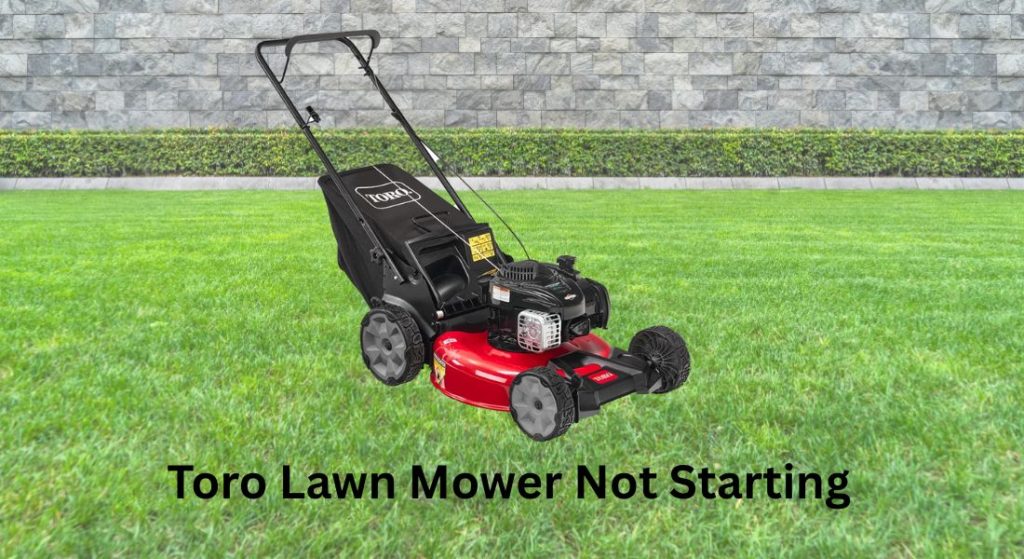
A mower used weekly on a flat quarter-acre lawn may face less strain than one used on rough, hilly ground. Wet grass, towing, overgrown turf, and poor cleaning can shorten the life of belts and pulleys.
| Part | Signs of wear | Replace or repair? |
|---|---|---|
| Battery | Slow crank, swelling, poor charge retention | Replace with the correct size and terminal layout |
| Spark plug | Fouling, worn electrode, cracked ceramic | Replace with the specified plug |
| Air filter | Dirt, tears, restricted airflow | Clean or replace as directed |
| Mower blade | Bent edge, cracks, vibration, poor cut | Sharpen if sound; replace if damaged |
| Drive belt | Cracks, slipping, squeal, weak movement | Replace with the correct belt |
| Fuel filter | Restricted flow or visible contamination | Replace with the specified filter |
A dull blade can make the mower seem weak even when the engine starts. Sharp, balanced blades support cleaner cutting and can reduce stress on turfgrass. Always remove the battery or disconnect the spark plug before touching a blade.
When to call a repair shop
Call a qualified repair shop when the mower has a fuel leak, damaged wiring, internal engine noise, low compression, or a safety switch that does not work. Shops can also diagnose charging systems and electronic controls.
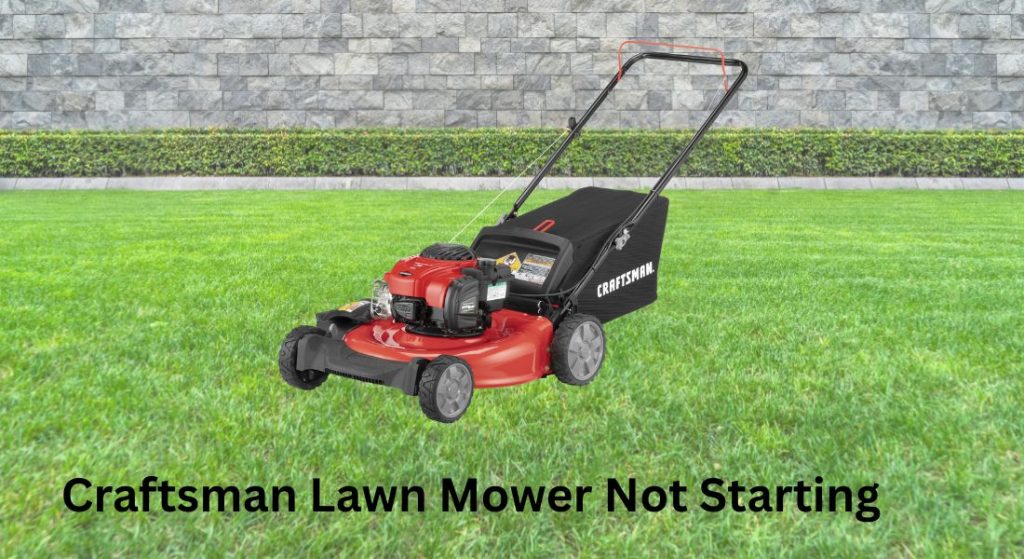
A repair may be worthwhile when the deck, frame, transmission, and engine are in good condition. Replacement may make more sense when several major parts fail at once. Compare the repair estimate with the price of a suitable push mower, self-propelled mower, or replacement riding mower.
A riding mower is designed for larger lawns and longer mowing sessions. A push mower may be a better fit for a small, flat yard. A self-propelled mower can suit a medium yard with mild slopes. A zero-turn mower may save time on a broad, open lawn, but it needs careful slope evaluation and more storage space.
Situations that need extra care
Do not work alone if you have trouble lifting the seat, battery, deck, or hood. Ask for help rather than risking a back injury. Gift buyers should consider access, strength, hearing, vision, and comfort before choosing a riding mower for a senior.
Check gate width, shed doors, turning room, and storage space before buying. Confirm local HOA rules, noise ordinances, and any gas-equipment restrictions. Some communities limit gas equipment or mowing hours.
📜 Check Local Rules: Confirm HOA policies, city noise limits, fuel-storage laws, and gas-equipment rules before buying or operating a mower. Rules vary by location and can change.
Choosing an alternative if the mower is not worth fixing
The best alternative depends on yard size, slope, grass type, budget, and storage. A small, flat yard may not justify a riding mower. A steep lawn may need a different mowing plan rather than a larger machine.
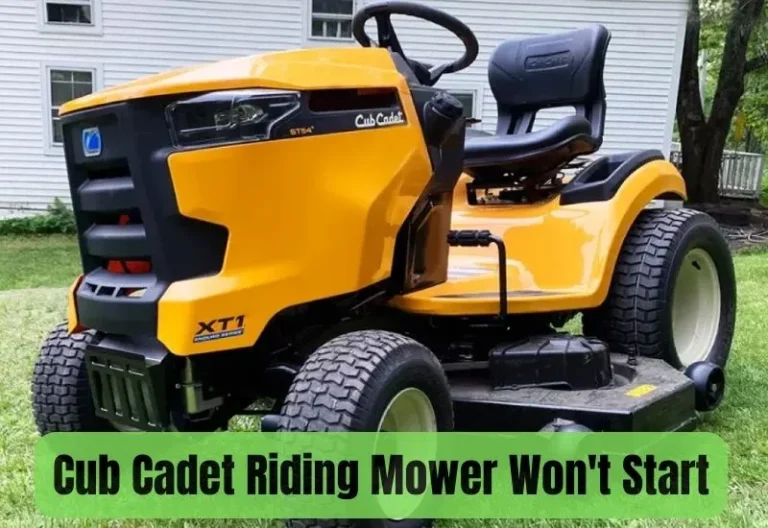
Reel mowers suit very small, flat lawns with frequently cut fine turf. Battery push mowers suit owners who want less fuel handling and lower routine engine service. Robotic mowers can suit enclosed lawns with compatible layouts, but setup, boundary wires, theft protection, and local rules need review.
String trimmers, edgers, and leaf blowers can finish lawn edges and cleanup, but they cannot replace a mower. Mulching kits return finely cut grass to the lawn. Side discharge spreads clippings away from the deck, while a grass catcher collects them for removal.
| Yard or user | Mower type to consider | Main limitation |
|---|---|---|
| Small, flat yard | Push, battery, or reel mower | More walking or narrower cutting width |
| Medium yard with mild slopes | Self-propelled mower | Still requires walking and storage |
| Large, open yard | Riding or zero-turn mower | Higher cost and larger storage needs |
| Senior or user with limited strength | Easy-entry riding or battery model | Controls, battery weight, and slope still need review |
| Irregular yard with many beds | Compact riding or push mower | Wide decks may be hard to maneuver |
| Enclosed lawn with regular shape | Robotic mower | Setup and boundary planning take time |
Measure the lawn instead of choosing by marketing language. Also measure gates and storage openings. A 42-inch deck may not fit where a 36-inch deck does, and a wider deck may be difficult around trees or garden beds.
Common mistakes that make starting problems worse
Repeatedly turning the key can overheat the starter and drain the battery. Pumping the throttle may flood some engines. Using the wrong fuel, oil, plug, fuse, or battery can cause further damage.
Avoid these errors:
- Do not bypass the seat, brake, or blade safety switch.
- Do not jump-start the mower without following the manual.
- Do not mix battery voltages or charger systems.
- Do not spray fuel or starting fluid near hot engine parts.
- Do not wash electrical areas with a pressure washer.
- Do not sharpen or remove blades while the battery or spark plug is connected.
- Do not store old gas in an unapproved container.
- Do not keep trying after loud knocking or grinding begins.
A common DIY mistake is replacing the carburetor before checking the battery and safety controls. Start with the simple, visible checks. Then test one system at a time.
Frequently asked questions
Q: Why will my riding lawn mower not start after sitting all winter?
A: The most common causes are a weak battery, stale gasoline, a clogged carburetor, or a fouled spark plug. Charge or test the battery, inspect the fuel, and service the spark plug and air filter as the manual directs. Do not use old fuel if it smells sour or varnish-like.
Q: Why does my riding mower click but not start?
A: A click often means the battery lacks enough power to turn the starter, or the starter solenoid is faulty. Clean and tighten the battery terminals, charge the battery with the correct charger, and test it. If the battery is strong but the mower still clicks, a repair shop may need to test the solenoid and starter.
Q: Why does my riding mower crank but not start?
A: The engine may lack fuel, spark, or clean air. Check the fuel level and condition, spark plug wire, spark plug, and air filter. If these checks do not help, the carburetor, fuel filter, ignition coil, or compression may need testing.
Q: Can a bad seat switch stop a riding mower from starting?
A: Yes. The seat switch is part of the safety interlock system. Dirt, damage, or a loose connector can prevent starting or stop the engine when you leave the seat. Never bypass the switch. Replace it with the correct part if it fails.
Q: How do I know if the mower battery is bad?
A: A slow starter, repeated clicking, or a battery that loses charge soon after charging can point to failure. Swelling, cracks, or leaks also mean the battery should be replaced. Confirm the voltage, physical size, terminal position, and starting rating before buying a replacement.
Q: Should I use premium gasoline in my riding mower?
A: Use the fuel grade and ethanol limit listed in the engine manual. Premium fuel is not automatically better for every mower. Fresh fuel from a clean container matters more than choosing a higher octane than required.
Q: Can cold weather stop a riding mower from starting?
A: Yes. Cold reduces battery output and makes engine oil thicker. It can also make stale fuel harder to ignite. Store the battery as directed, use the correct oil grade, and follow the cold-start procedure in the manual.
Q: Why does my mower start and then die?
A: A blocked fuel-cap vent, dirty fuel filter, restricted carburetor, or faulty seat switch can cause this symptom. It may also happen when the air filter is badly blocked. Check one cause at a time and stop if you find a fuel leak.
Q: Is it worth repairing an old riding mower?
A: Repair can be worthwhile when the deck, frame, transmission, and engine are sound. Compare the total estimate with a suitable replacement. A small yard may be better served by a push or battery mower, while a large open yard may justify repairing a riding model.
Q: How often should I change the spark plug?
A: Follow the engine manufacturer’s service interval. Inspect the plug sooner if the mower is hard to start, runs rough, or uses more fuel. Use the exact plug type and gap listed for the engine.
Q: Can I jump-start a riding lawn mower from a car?
A: Only if the mower manual allows it and you follow the correct procedure. A car engine should normally be off, and the voltage must match. Incorrect connections can damage electronics, the battery, or the charging system. A proper mower battery charger is often the safer choice.
Q: Why will my battery riding mower not start even when charged?
A: Check that the battery is fully seated, the charger has completed its cycle, the safety controls are engaged, and the display shows no error. Inspect the blade switch, brake pedal, and directional control. If the battery or control unit shows damage, contact the manufacturer or an authorized repair center.
Q: What should I do with old mower gas and oil?
A: Take both to a local household hazardous-waste site or another approved collection point. Never pour them on the ground or into a drain. Use approved containers during transport and follow local handling rules.
Final thoughts
A riding lawn mower that will not start is often telling you where to look. No sound points toward the battery, fuse, wiring, or safety circuit. A click suggests low battery power or a starter problem. Normal cranking shifts attention to fuel, spark, air, and compression.
Use a calm, step-by-step process. Keep safety switches in place, service the mower on level ground, and disconnect the spark plug wire or battery before working near moving parts. With fresh fuel, clean connections, regular maintenance, and proper storage, many starting problems can be prevented before mowing day.

One Comment