How To Store Lawn Mower For Winter: Easy Guide
Clean, dry, service, and protect your mower before storing it in a cool, dry, safe place for winter.
Learning how to store lawn mower for winter helps prevent rust, stale fuel, dead batteries, and costly spring repairs. This guide explains the process for gas, battery, and electric mowers, with simple steps based on manufacturer safety guidance and common repair-shop practice.
:max_bytes(150000):strip_icc()/lawn-mower-storage-ideas-7228646-01-13dc4f23d0c34bfba9314c72ae35b9ff.jpg)
Why Proper Winter Storage Matters
A lawn mower may sit for three to six months without running. During that time, old fuel can form gummy deposits, moisture can cause rust, and grass left under the deck can trap water.
The right storage routine protects the engine, blade, battery, tires, and cutting deck. It also makes spring startup faster and safer.
When deciding how to store lawn mower for winter, think of the job as putting the machine to sleep. You want to clean it, remove risks, and leave it ready for its next season.

What to Do Before You Start
Set aside about 30 to 60 minutes. Gather these supplies:
• Fresh engine oil that matches the mower manual
• Fuel stabilizer for gasoline models
• A clean fuel container
• A socket wrench or spark plug wrench
• A stiff brush or plastic scraper
• Work gloves and safety glasses
• A battery charger or maintainer
• Clean rags
• Silicone spray or light machine oil
• A breathable mower cover
Always read the owner’s manual first. Some mower engines need fuel drained, while others work best with stabilized fuel left in the tank. The manual takes priority because engine designs differ.
Move the mower to a flat, well-ventilated area. Let the engine cool fully before you handle fuel, oil, the spark plug, or the blade.

How to Store a Gas Lawn Mower for Winter
Gas mowers need the most preparation. Follow these steps in order.
1. Run the mower briefly
If the grass is still dry, run the mower for a few minutes. This can help use some fuel and warm the engine before an oil change.
Never run a mower inside a garage, shed, basement, or other enclosed space. Gas engines create carbon monoxide, which can build up quickly and cause serious injury or death.
2. Add fuel stabilizer if needed
If you plan to leave gasoline in the tank, add the correct amount of fuel stabilizer. Measure it according to the product label, then run the mower for about five to ten minutes so the treated fuel reaches the carburetor and fuel lines.
Do not assume stabilizer can rescue very old gasoline. If the fuel already smells sour or looks cloudy, drain it safely and use fresh fuel next season.
3. Drain fuel when the manual recommends it
Some small engines are best stored with an empty fuel tank and dry carburetor. Turn off the fuel valve if your mower has one, then drain the tank into an approved fuel container.
Never pour gasoline onto soil, down a drain, or into household trash. Store it only in an approved container and follow local disposal rules.
4. Change the engine oil
Warm oil drains more easily, but it should not be hot. Place the mower on a level surface, remove the drain plug or use an approved oil removal method, and collect the old oil in a sealed container.
Refill with the oil grade listed in the manual. Too much or too little oil can harm the engine. Recycle used oil at an approved collection point.
5. Service the air filter
A dirty air filter can make spring starting difficult. Foam filters can often be washed, dried, and lightly oiled if the manual allows it. Paper filters usually need replacement rather than washing.
Do not reinstall a wet filter. Moisture can restrict airflow and damage the filter material.
6. Check the spark plug
Remove the spark plug and inspect it for heavy carbon, cracks, or a worn electrode. Replace it if it looks damaged or if the manual lists replacement as part of seasonal service.
A small amount of engine oil in the cylinder may help protect it during long storage, but only do this if the manufacturer recommends it. Keep the spark plug wire disconnected while working near the blade or engine.
This step is central to how to store lawn mower for winter because a clean fuel system and sound ignition parts reduce spring-start problems.

Clean the Deck, Blade, and Wheels
Grass clippings hold moisture like a wet towel. If they remain under the deck all winter, they can encourage rust and create a hard buildup that affects airflow.
Disconnect the spark plug wire on a gas mower. For a battery mower, remove the battery. For a corded electric mower, unplug it completely.
Tip the mower only as the manual directs. Many gas mowers should be tilted with the air filter and carburetor facing upward. Scrape away packed grass with a plastic tool, then brush off loose dirt.
Inspect the blade for cracks, bends, and deep damage. A dull blade can tear grass instead of cutting it cleanly. If you remove the blade, wear gloves and mark its position so you reinstall it correctly.
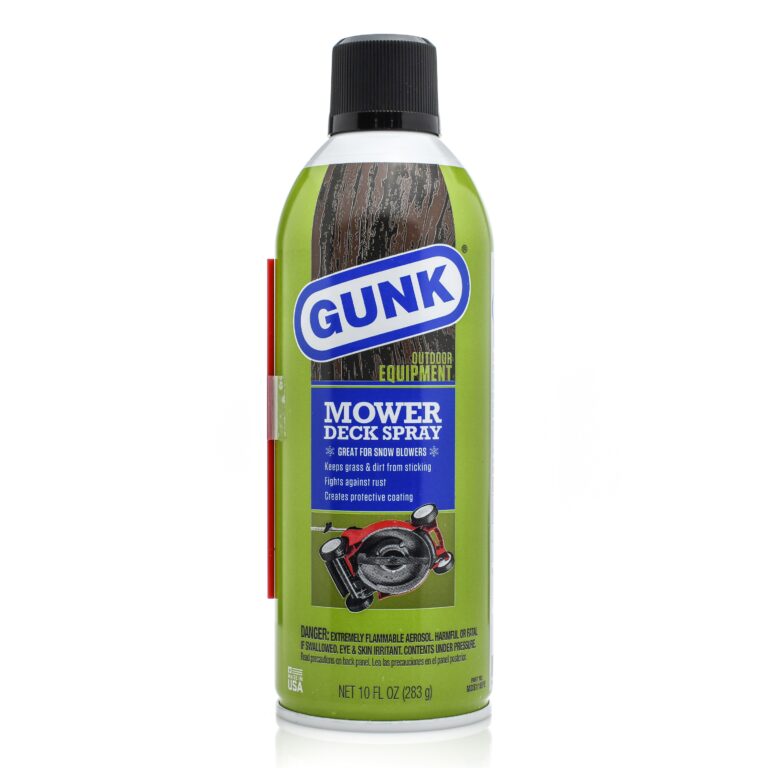
Wipe the deck dry. Apply a light protective spray to clean metal areas if the product is safe for mower use. Do not spray belts, pulleys, brake parts, or other areas where added oil could cause slipping.
Also check:
• Wheel movement
• Height adjustment levers
• Cables and control bars
• Loose bolts and nuts
• Cracked tires
• Damaged guards
Repair serious damage before storage rather than waiting for spring.

How to Store the Mower Battery
Battery care depends on the battery type and mower design.
Removable lithium-ion batteries
Remove the battery from the mower and store it indoors in a cool, dry place. Avoid direct sunlight, heaters, hot attics, and damp basements.
Do not store a lithium-ion battery if it is swollen, cracked, leaking, unusually hot, or damaged. Place it on a stable surface away from metal objects and flammable materials.
Charge it to the level recommended in the manual. Many manufacturers advise partial charge for long-term storage rather than leaving the battery completely empty.
Lead-acid batteries
A riding mower may use a lead-acid battery. Clean corrosion from the terminals, charge the battery fully, and disconnect the negative cable if the manual permits it.
A battery maintainer can help prevent discharge. Use a charger designed for that battery type, and never charge a damaged or frozen battery.
Corded electric mowers
Corded mowers do not have a traction battery, but the power cord still needs care. Inspect it for cuts, exposed wires, crushed areas, or damaged plugs.
Coil the cord loosely. Store it indoors where it will stay dry and safe from rodents.
Knowing how to store lawn mower for winter also means protecting the power source. A clean mower with a dead or damaged battery still will not be ready in spring.

Choose the Right Storage Location
The best storage area is dry, covered, cool, and protected from freezing moisture. A garage, shed, or dedicated utility space often works well.
Keep the mower away from:
• Water heaters and open flames
• Furnaces and space heaters
• Sparks and welding equipment
• Children and pets
• Lawn chemicals and fertilizers
• Areas that flood or collect condensation
Gasoline vapors can travel along the floor and reach an ignition source. For that reason, never store a fuel-filled mower beside a furnace, boiler, pilot light, or other heat source.
Keep the mower level unless the manufacturer gives different instructions. A level position reduces the chance of oil or fuel moving into the wrong parts of the engine.
Use a breathable cover instead of wrapping the mower tightly in plastic. Plastic can trap condensation against metal surfaces. Leave enough airflow to reduce moisture buildup, but protect the mower from dust.
Rodents may nest in air filters, mufflers, and wiring. Check the storage area for droppings and nesting material. You can use approved pest-control methods, but do not place loose poison near children or pets.

How to Store a Riding Lawn Mower for Winter
Riding mowers need a few extra steps because they have larger batteries, belts, tires, and fuel systems.
Park the mower on a level surface. Lower the cutting deck, remove the key, and disconnect the battery according to the manual.
Clean the deck and remove grass from around the belts and pulleys. Check the belts for cracks, fraying, or loose sections. Inflate the tires to the pressure printed on the tire sidewall or listed in the manual.
If possible, keep the tires on a clean, dry surface. Long storage can create flat spots, especially when tires are underinflated.
For the battery, use a suitable maintainer or remove it and store it as directed. Do not leave a charger connected unless it is designed for long-term maintenance.
When learning how to store lawn mower for winter, remember that a riding mower is closer to a small vehicle than a hand tool. It needs attention to fuel, fluids, tires, belts, and electrical parts.

Common Winter Storage Mistakes
Avoiding a few common errors can save time and money.
Leaving untreated fuel in the tank
Untreated gasoline can degrade and cause starting issues. Use fresh fuel with stabilizer or drain the system as the manual advises.
Skipping the oil change
Old oil may contain moisture and combustion byproducts. Changing it before storage gives the engine clean lubricant during its long rest.
Washing the mower and covering it while wet
Water trapped under a cover can cause rust. Dry every surface before covering the mower.
Storing a battery outdoors
Freezing temperatures and moisture can shorten battery life. Store removable batteries indoors unless the manufacturer gives different instructions.
Using a sealed plastic cover
A sealed cover may trap condensation. Choose a breathable cover made for outdoor power equipment.
Forgetting the blade
A blade with cracks or severe wear is a safety risk. Inspect it now so you do not discover the problem while rushing to mow in spring.
Starting the mower indoors
This is one of the most dangerous mistakes. Carbon monoxide has no reliable warning smell, so run gas equipment only outdoors.
In my experience, the most preventable spring problems come from two small oversights: leaving old fuel in the carburetor and storing the mower while it is damp. A few extra minutes at the end of the season can prevent hours of troubleshooting later.

A Simple Winter Storage Checklist
Use this list before putting the mower away:
- Read the owner’s manual.
- Let the engine cool completely.
- Clean grass and dirt from the deck.
- Inspect the blade and guards.
- Change the oil if the mower uses an engine.
- Add fuel stabilizer or drain the fuel as directed.
- Run stabilized fuel through the system when appropriate.
- Clean or replace the air filter.
- Inspect the spark plug.
- Remove and safely store the battery.
- Check tires, cables, belts, and fasteners.
- Dry the mower fully.
- Store it level in a dry, ventilated area.
- Cover it with a breathable cover.
- Keep fuel and the mower away from ignition sources.
Take a photo of the mower before storage if you remove parts. This simple habit can help you remember where each washer, wire, and cover belongs.
How to Prepare the Mower in Spring
Good winter storage makes spring preparation simple, but do not start mowing without an inspection.
First, remove the cover and look for rust, nests, leaks, or chewed wires. Reinstall the battery, check the oil level, and inspect the fuel before starting a gas mower.
If you drained the fuel system, add fresh gasoline. If the fuel sat all winter, replace it if it smells stale or looks cloudy. Never mix questionable fuel with fresh fuel and assume the problem is solved.
Check the blade and tire pressure. Make sure all guards are in place. Start the mower outdoors and let it run briefly while you watch for leaks, unusual vibration, smoke, or strange sounds.
For a battery mower, inspect the battery housing and charger before use. Stop using any battery that is swollen, cracked, leaking, or unusually hot.
The best answer to how to store lawn mower for winter includes a careful spring check. Storage protects the mower, but a safe inspection brings it back to work.
Frequently Asked Questions About How to Store Lawn Mower for Winter
Should I drain the gas from my lawn mower before winter?
Follow the mower manufacturer’s instructions. Some engines should be stored with stabilized fuel, while others should have the tank and carburetor drained.
Is it better to store a lawn mower with a full tank or an empty tank?
A full tank with properly treated fuel can reduce air space and moisture, but only when the fuel is fresh and stabilized. If you cannot use stabilizer correctly, draining the fuel may be safer.
Can I store my lawn mower outside during winter?
Outdoor storage is not ideal because snow, rain, freezing temperatures, and condensation can damage the mower. If outside storage is your only option, use a waterproof shelter, keep the mower raised from wet ground, and use a breathable cover.
Should I remove the battery from a cordless lawn mower?
Yes, removable batteries are usually best stored indoors in a cool, dry place. Follow the battery maker’s instructions for charge level and temperature limits.
Do I need to change the oil before storing a lawn mower?
Changing the oil before long-term storage is recommended for many gas mowers. Fresh oil helps protect engine parts and removes used oil that may contain moisture and contaminants.
Can I cover my lawn mower with a plastic tarp?
A loose tarp may protect against dust, but sealed plastic can trap moisture. A breathable equipment cover is usually a better choice for winter storage.
How often should I check a stored lawn mower?
Check it once or twice during winter for moisture, leaks, pests, or battery issues. Do not start a gas mower indoors, even for a short test.
Conclusion
Proper winter storage keeps your mower cleaner, safer, and easier to start when warm weather returns. Clean the deck, service the engine, manage fuel carefully, protect the battery, and store the machine in a dry place away from heat and moisture.
Use the checklist before the first freeze, then inspect the mower again in spring. Take care of your equipment now, and it will be ready to take care of your lawn later. For more practical lawn equipment tips, explore related maintenance guides and share your own storage lessons in the comments.