


The Cub Cadet Rzt 50 is a popular riding mower, but like any machine, it can develop problems over time. Common issues include engine starting difficulties, poor cutting performance, and electrical glitches. Understanding these Cub Cadet Rzt 50 problems and their solutions can save you time, money, and frustration. This guide walks you through the most frequent malfunctions, explains their causes, and provides step-by-step fixes to get your Rzt 50 back to peak performance.
Key Takeaways
- Engine Won’t Start: Check the battery, spark plug, fuel system, and safety switches. A weak battery or faulty spark plug is often the culprit.
- Poor Cutting Performance: Dull blades, incorrect deck height, clogged grass clippings, or a faulty drive belt can all lead to an uneven cut.
- Electrical Issues: Faulty wiring, a bad solenoid, or a failing ignition switch can cause intermittent power loss or no power at all.
- Vibration Problems: Loose blades, unbalanced decks, or worn bearings are common causes of excessive vibration that can damage your mower.
- Overheating: A clogged air filter, dirty cooling fins, or low oil levels can cause the engine to overheat and shut down.
- Steering Difficulty: Worn steering components, low tire pressure, or a faulty steering wheel can make the Rzt 50 hard to maneuver.
- Preventive Maintenance: Regular cleaning, oil changes, and blade sharpening are key to avoiding many of these common Cub Cadet Rzt 50 problems.
📑 Table of Contents
Introduction: Your Rzt 50 is More Than a Mower, It’s a Workhorse
Let’s be honest, your Cub Cadet Rzt 50 isn’t just a piece of landscaping equipment; it’s a dedicated member of your family, faithfully cutting your lawn for years. It’s the reliable partner that turns a daunting chore into a manageable task. But what happens when it starts to falter? When the engine coughs instead of roaring to life, or the cutting deck leaves behind a trail of brown, uneven patches? This is when you’re faced with Cub Cadet Rzt 50 problems. It’s a moment of frustration, a feeling of helplessness. You bought a premium machine, so why is it giving you a hard time?
Don’t worry, you’re not alone. Even the most robust mowers can develop issues. The good news is that the vast majority of these problems are not signs of a catastrophic failure. They are, in fact, common Cub Cadet Rzt 50 problems with common solutions. This comprehensive guide is your roadmap to understanding, diagnosing, and fixing these issues. We’ll dive deep into the most frequent complaints, from the engine refusing to start to a deck that just won’t cut properly. Our goal isn’t to scare you, but to empower you. By the end of this article, you’ll have the knowledge to tackle these issues yourself, saving you a trip to the repair shop and the cost of labor. So, let’s roll up our sleeves and get our hands dirty, because a little troubleshooting is a small price to pay for keeping your Rzt 50 running like a champ.
Common Cub Cadet Rzt 50 Problems & How to Fix Them
The Cub Cadet Rzt 50 is a powerful and versatile mower, but it’s not immune to the occasional hiccup. Understanding the common issues can save you time and money. Let’s break down the most frequent problems and their solutions.
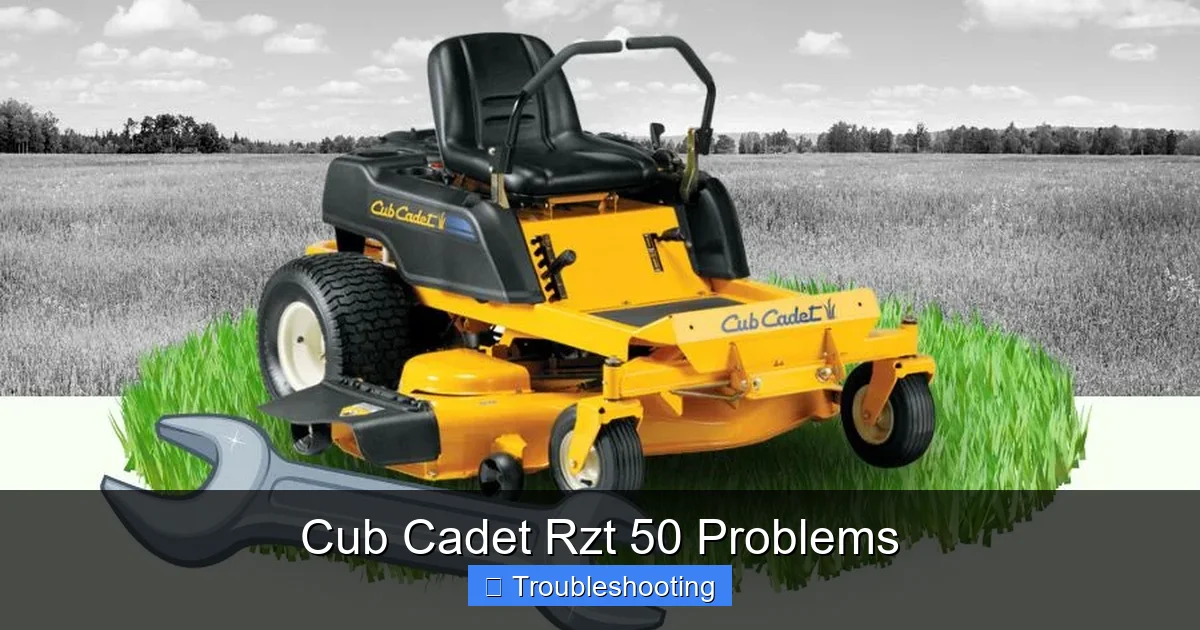
Visual guide about Cub Cadet Rzt 50 Problems
Image source: mowing.expert
1. Engine Won’t Start or Has a Hard Start
This is arguably the most common Cub Cadet Rzt 50 problem and the one that causes the most frustration. If your mower is refusing to start, there are several potential causes, ranging from the simplest to the more complex.
Diagnosing a No-Start Condition
The first step is a systematic check. Begin by listening for any signs of life. Do you hear the starter motor cranking? Is there a clicking sound? Or is it completely silent? The sound you hear can point you in the right direction.
- Cranking but No Spark: This indicates a fuel or spark issue.
- No Crank at All: This is almost always an electrical problem, related to the battery or the safety switches.
- Cranks and Runs, Then Dies: This often points to a fuel delivery problem or a faulty safety switch.
Common Fixes for a No-Start Engine
Let’s walk through the most likely culprits and how to fix them.
- The Battery: A weak or dead battery is the number one cause of no-crank situations. Check the battery voltage with a multimeter. It should read around 12.6 volts when the battery is fully charged. If it’s below 12 volts, it’s likely the problem. Clean the battery terminals to ensure a good connection. If the battery is old (typically over 3-5 years), it may need to be replaced.
- The Spark Plug: A faulty spark plug is a common cause of no-spark conditions. Remove the spark plug and inspect it. A healthy plug will have a clean, light tan insulator. If it’s black and sooty, it’s fouled and needs cleaning or replacement. If it’s white or blistered, it’s overheated and should be replaced. Replace the plug with a new one of the correct type (typically a Champion RC12YC or equivalent).
- The Fuel System: Old or contaminated fuel is a frequent offender. If your mower has been sitting for a while, the fuel in the tank may have degraded. Drain the old fuel and replace it with fresh gasoline. Also, check the fuel filter and the carburetor for clogs. A clogged fuel filter can restrict fuel flow, while a clogged carburetor can cause a rich or lean mixture.
- Safety Switches: The Rzt 50 is equipped with several safety switches designed to prevent accidental starts. These include the seat switch, the blade control switch, and the parking brake switch. A faulty switch can break the circuit and prevent the engine from cranking. If one of these switches is defective, the engine will not start. You can test a switch with a multimeter by checking for continuity.
2. Poor Cutting Performance and Uneven Mowing
Nothing is more disappointing than pushing your Rzt 50 across a beautiful lawn only to find it’s leaving behind a patchy, uneven finish. This is a common Cub Cadet Rzt 50 problem that can have several causes.
Identifying the Cause of a Poor Cut
Start by examining the cut. Is it uneven, scalped, or clumping? This visual inspection will guide your troubleshooting.
- Scalped Lawn: This usually indicates the deck is set too low or the blades are dull and dragging through the grass.
- Clumping: A clogged deck is the most common cause of grass clumping. The clippings can’t be discharged properly, so they build up on the underside of the deck.
- Uneven Cut: This can be caused by an unbalanced deck, a bent blade, or a faulty deck lift mechanism.
Steps to Improve Cutting Performance
Here’s how to address these issues:
- Check and Clean the Deck: This is the most important step. Turn off the engine, disconnect the spark plug, and tilt the mower deck to access it. Use a pressure washer or hose to blast away all the built-up grass clippings from the underside of the deck, the chute, and the discharge area. A clogged deck is a primary cause of poor cutting performance.
- Inspect and Sharpen the Blades: Dull blades tear the grass instead of cutting it cleanly, leading to a ragged appearance. Remove the blade(s) and check for nicks or excessive wear. A blade should be sharpened or replaced if it’s not sharp. When sharpening, make sure to maintain the original 30-degree angle on both sides of the blade. An unbalanced blade can cause severe vibration, so it’s best to have a professional balance them.
- Adjust the Deck Height: The cutting height is a critical factor. Setting the deck too low will scalp the lawn, while setting it too high will result in a poor cut. Consult your owner’s manual for the recommended cutting height for your specific grass type. For most lawns, a height between 2.5 and 4 inches is ideal.
- Check the Drive Belt: A worn or loose drive belt can slip, causing the blades to rotate at a reduced speed, which leads to a poor cut. Inspect the belt for cracks, fraying, or glazing. If it’s damaged, replace it with a new one. Also, ensure the belt is properly seated on all pulleys.
3. Electrical Issues and Intermittent Power Loss
If your Rzt 50 is experiencing intermittent power loss, strange electrical glitches, or won’t start at all, you’re likely dealing with an electrical issue. These problems can be tricky but are often fixable.
Common Electrical Glitches
- No Power to Accessories: The battery might be dead, the charging system could be faulty, or the solenoid may be bad.
- Engine Cranks but Won’t Start: This is often a spark or fuel delivery problem, but a faulty ignition switch can also be the cause.
- Intermittent Operation: Loose or corroded wiring connections are a common cause of intermittent electrical problems. Vibration from the engine can cause these connections to loosen over time.
Troubleshooting Electrical Problems
Here’s a methodical approach:
- Inspect the Battery and Charging System: Start with the battery. Check the voltage and clean the terminals. Next, test the charging system. With the engine running, use a multimeter to check the voltage at the battery. It should be around 13.5 to 14.5 volts. If it’s significantly lower, your alternator or charging system is not functioning correctly.
- Check the Solenoid: The solenoid is responsible for engaging the starter motor. If it’s faulty, the engine won’t crank. You can test the solenoid by tapping it with a hammer while someone tries to start the engine. If the engine starts, the solenoid is likely the problem and needs to be replaced.
- Examine the Wiring Harness: Look for any signs of damage, such as frayed wires, melted insulation, or loose connections. Pay special attention to the main harness that runs from the battery to the starter and the harness that connects to the ignition switch and solenoid.
- Test the Ignition Switch: A faulty ignition switch can prevent the engine from starting or cause it to die. You can test this switch with a multimeter by checking for power at the starter solenoid when the key is turned to the “start” position.
4. Excessive Vibration and Noise
Unusual vibrations or loud noises coming from your Rzt 50 are not normal and should be addressed immediately. They are often warning signs of a more serious problem that could lead to component failure.
Causes of Vibration
- Loose or Damaged Blades: A loose blade or a blade with a crack or severe wear will cause significant vibration. The blade can also become unbalanced if the cutting edge is unevenly sharpened.
- Unbalanced Deck: If the mower deck itself is not level or is warped, it can create vibration as the blades spin.
- Worn Bearings: Bearings in the spindle assembly can wear out over time, leading to play and vibration.
How to Fix Vibration
Follow these steps to diagnose and fix the problem:
- Inspect the Blades: Remove the blade(s) and check for any damage, such as cracks, bends, or excessive wear. Also, check if the blade bolts are tight. Replace any damaged blades and ensure they are properly balanced.
- Level the Deck: Use a deck leveling tool or a piece of straight wood to check if the deck is level from side to side and front to back. Adjust the deck lift links to ensure it’s level.
- Check Spindle Bearings: With the deck removed, inspect the spindle bearings for play or roughness. If you can feel any movement or hear a grinding noise when you spin the spindle by hand, the bearings need to be replaced.
- Inspect Other Components: Check all mounting bolts and hardware to ensure they are tight. A loose component anywhere on the mower can become a vibration source.
5. Engine Overheating
An overheating engine is a serious problem that can lead to permanent damage if not addressed. The Cub Cadet Rzt 50 is designed to operate safely within a specific temperature range, and anything outside of that range is a cause for concern.
Symptoms of an Overheating Engine
- The engine temperature gauge is in the red zone.
- The engine is running rough or misfiring.
- The engine loses power or shuts off completely.
Common Causes and Solutions
- Clogged Air Filter: A dirty air filter restricts airflow to the engine, causing it to run rich and overheat. Check the air filter and replace it if it’s dirty. Use a pre-cleaner on reusable filters before washing.
- Dirty Cooling Fins: The engine block and cylinder head have cooling fins. If these are clogged with grass clippings, dirt, or oil, they cannot dissipate heat effectively. Carefully clean the cooling fins with compressed air or a soft brush.
- Low Engine Oil Level: Oil is essential for lubrication and cooling. If the oil level is too low, the engine will overheat. Check the oil level with the dipstick and add oil if necessary. Also, check for any signs of oil leaks.
- Fuel Issues: Using stale or low-quality fuel can cause the engine to run hot. Always use fresh, high-octane gasoline and consider adding a fuel stabilizer if the mower will be stored for an extended period.
6. Steering and Maneuverability Issues
If your Rzt 50 feels heavy, difficult to turn, or has a stiff steering wheel, you’re experiencing steering and maneuverability issues. This can make mowing a frustrating and inefficient task.
Common Steering Problems
- Stiff Steering Wheel: This is often due to low tire pressure or worn steering components.
- Difficulty Turning: This can be caused by a faulty steering wheel or issues with the front wheels.
- Uneven Wear on Tires: This can indicate a problem with the alignment or suspension.
How to Improve Steering
Here’s how to address these issues:
- Check Tire Pressure: The most common cause of stiff steering is under-inflated tires. Check the tire pressure and inflate them to the recommended PSI, which is typically listed on a sticker on the frame. Proper tire pressure will make the mower much easier to maneuver.
- Inspect the Steering Wheel: The steering wheel on an Rzt 50 has a locking mechanism. If it’s locked, you won’t be able to turn. Check if the steering wheel is locked and unlock it if necessary.
- Check for Worn Components: Inspect the steering linkage, tie rods, and king pins for wear or damage. Worn components will make steering feel loose or difficult.
- Look for Obstructions: Sometimes, a piece of debris or a clogged area can make the mower feel like it’s stuck. Check the front wheels for any obstructions.
Conclusion: Keep Your Rzt 50 Running Strong
You’ve made it through the guide, and hopefully, you now have a much clearer understanding of the common Cub Cadet Rzt 50 problems that can arise. Remember, these issues are rarely signs of a major, irreversible failure. They are often the result of simple wear and tear, lack of maintenance, or a minor component that just needs a little attention. The key to keeping your Rzt 50 in top shape is a proactive approach. Don’t wait until a problem becomes a crisis.
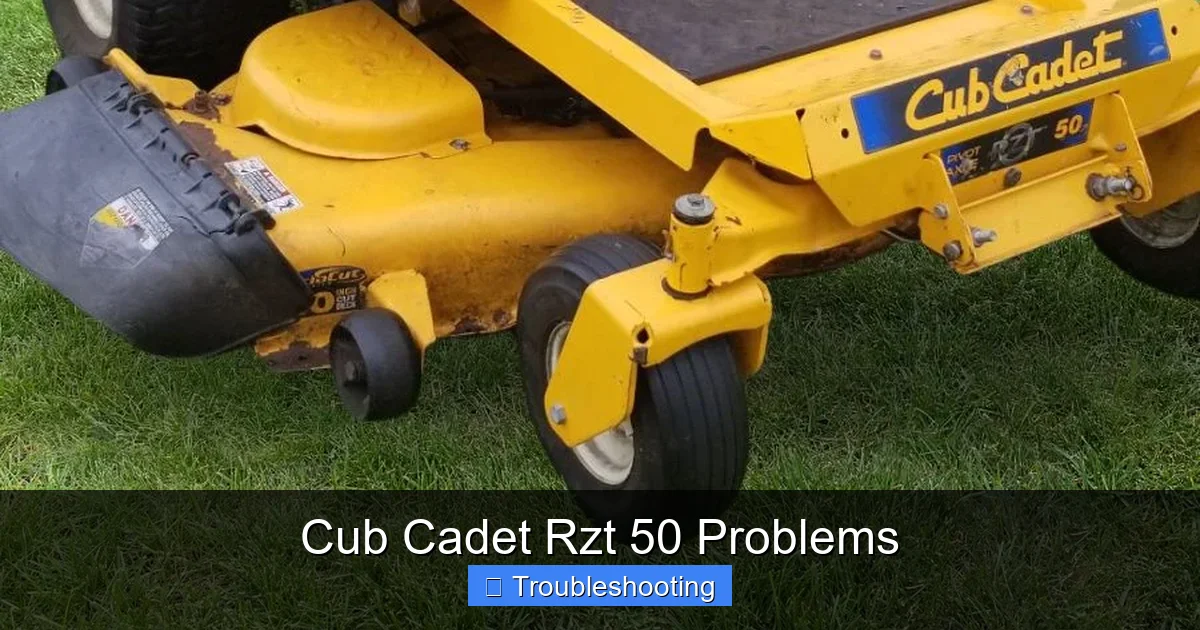
Visual guide about Cub Cadet Rzt 50 Problems
Image source: mowing.expert
By performing regular maintenance—such as cleaning the deck after every use, checking oil levels, and inspecting the blades—you can prevent the vast majority of these problems from even occurring. When a problem does appear, don’t panic. Use the diagnostic steps outlined here to identify the root cause. Most fixes are straightforward and can be done with basic tools and a little bit of know-how. The satisfaction of tackling a Cub Cadet Rzt 50 problem yourself and getting your mower back to work is a great feeling.
Your Rzt 50 is more than just a piece of equipment; it’s a tool that helps you maintain your property and enjoy your outdoor space. By understanding these common issues and how to fix them, you’re not just a user, you’re a steward of your investment. You’re ensuring that your mower continues to provide reliable service for many seasons to come. So, arm yourself with this knowledge, get out there, and keep that lawn looking its best!
Frequently Asked Questions
What is the most common Cub Cadet Rzt 50 problem?
The most common issue is the engine not starting or having a hard start. This is usually caused by a weak battery, a faulty spark plug, old fuel, or a problem with the safety switches. These are all relatively easy and inexpensive fixes.
Why is my Cub Cadet Rzt 50 cutting unevenly?
Uneven cutting is often due to a clogged mower deck. Grass clippings build up on the underside, preventing the blades from spinning freely and cutting properly. Other causes include dull blades, an incorrect deck height setting, or a worn drive belt.
How do I fix electrical issues on my Cub Cadet Rzt 50?
Electrical problems are typically caused by a bad battery, a faulty solenoid, or loose wiring connections. Start by checking the battery voltage and cleaning the terminals. Then, inspect the wiring harness for damage or loose connections.
Why does my Cub Cadet Rzt 50 vibrate excessively?
Excessive vibration is usually a sign of a mechanical problem. The most common cause is a loose or damaged blade. Check the blade bolts and the blade itself for any cracks or bends. Also, ensure the mower deck is level.
What should I do if my Cub Cadet Rzt 50 engine is overheating?
Engine overheating is a serious issue that can cause damage. Check the air filter and clean or replace it if it’s dirty. Also, clean the cooling fins on the engine block and check the oil level. Using stale fuel can also contribute to overheating.
How can I make my Cub Cadet Rzt 50 easier to steer?
The most common reason for stiff steering is low tire pressure. Check the tire pressure and inflate them to the recommended PSI. Also, make sure the steering wheel is not locked. If the problem persists, inspect the steering linkage for wear.
