Lawn Mower Not Turning Over: Easy Fixes That Work
A lawn mower that is not turning over can stop a simple yard task in its tracks. You turn the key or press the start button, and nothing happens. Sometimes you hear a click. Other times, the engine cranks but never starts. These signs point to different faults, so the right first step is to notice what the mower does when you try to start it.
Most no-start problems come from a weak battery, a bad safety switch, stale fuel, a dirty air filter, a fouled spark plug, or a blocked mower deck. The fix may take five minutes, or it may need a repair shop. This guide explains how to find the cause safely on push mowers, self-propelled mowers, riding mowers, zero-turn mowers, electric mowers, and gas models.
Why a Lawn Mower Stops Turning Over
A mower does not turn over when the engine fails to spin, or when it spins but does not begin combustion. These are two different problems. A dead battery or starter motor can keep the engine from cranking, while bad fuel or a weak spark can let it crank without starting.
Small-engine systems work in a chain. The mower needs power, fuel, air, compression, and ignition. It also needs each safety switch to sit in the correct position. If one link fails, the mower may remain silent or only make a click.
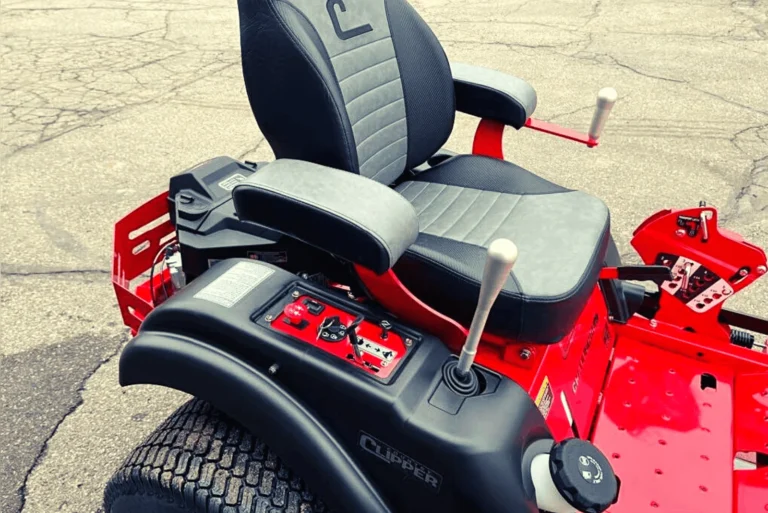
A gas mower uses a recoil starter or an electric starter. A battery mower uses a motor and battery pack rather than fuel and a spark plug. A riding mower has more safety interlocks than a walk-behind mower, including seat, brake, blade, and direction controls.
“Turning over” versus “starting”
When an engine turns over, the crankshaft spins. You may hear a steady “rr-rr-rr” sound. The engine has not started yet, but the starter is doing its job.
When the engine does not turn over, you may hear only a click, a buzz, or silence. The starter may lack power, or a switch may block the starting circuit. If the engine turns over but will not start, inspect fuel, air, spark, and compression instead.
The main difference matters because many people replace spark plugs when the real issue is a dead battery. Start with the sound and movement before buying parts.
Common mower types and their likely faults
The mower type changes the likely cause. A corded electric mower may have a damaged extension cord or a tripped outlet. A battery mower may have a cold, empty, or poorly seated battery. A gas mower often has old fuel, a dirty carburetor, or a fouled spark plug.
The table below gives a quick starting point. It does not replace the owner’s manual, since wire colors, fuse locations, and safety systems vary by brand.
| Mower type | Common no-start cause | First check |
|---|---|---|
| Gas push mower | Stale fuel or fouled spark plug | Fuel age and spark plug |
| Electric push mower | Battery not charged or not latched | Battery charge and fit |
| Corded mower | Bad cord or outlet | Cord, outlet, and breaker |
| Riding mower | Weak battery or seat switch | Battery voltage and controls |
| Zero-turn mower | Brake, lap-bar, or seat interlock | Start position and safety switches |
| Robotic mower | Dock, boundary, or battery fault | Display code and charging contacts |
Small yards often suit push, electric, or reel mowers. Larger yards, steep sections, or users with limited strength may need a self-propelled or riding mower. The starting fault and the best replacement choice are not always the same.
Quick Answer: What to Check First
The best way to fix a lawn mower that is not turning over is to check the safety controls, battery, fuel, blade area, and spark plug in that order. Set the parking brake, engage the start controls, charge or test the battery, inspect for a jam, and then check fuel and spark. Disconnect the spark plug wire or remove the battery before touching the blade or deck.
If you hear a click but the engine does not spin, suspect a weak battery, loose cable, blown fuse, starter motor, or safety switch. If the engine spins but will not start, suspect stale fuel, a dirty air filter, a wet spark plug, or a carburetor problem.
Do not keep trying the starter for long periods. Repeated attempts can drain the battery, flood the engine, or overheat the starter.
Read the Symptoms Before Replacing Parts
The sound, smell, and movement give useful clues. Spend one minute observing the mower. That small check can prevent an unnecessary trip to the hardware store.
| What you notice | Likely problem | Best first action |
|---|---|---|
| Nothing happens | Battery, fuse, switch, or cable | Check battery and controls |
| One click | Weak battery or starter relay | Charge and test battery |
| Rapid clicking | Low battery voltage | Charge or replace battery |
| Engine cranks slowly | Weak battery or thick oil | Charge battery and check oil |
| Engine cranks normally | Fuel, air, or spark issue | Inspect fuel and plug |
| Starts, then stops | Fuel flow or safety switch | Check fuel cap and controls |
| Grinding sound | Starter gear or flywheel issue | Stop and seek service |
| Blade will not move | Deck jam or clutch problem | Shut down and clear safely |
A grinding sound is different from a normal start sound. Stop at once if you hear metal scraping, smell burning plastic, or see smoke. These signs can point to a damaged starter, wiring fault, seized blade, or electrical short.
A silent mower
Silence usually means the starting circuit is open. On a riding mower, the brake may not be fully pressed, the blades may still be engaged, or the operator may not sit correctly in the seat. On a battery mower, the battery may not be fully inserted.
Check the key, start button, parking brake, blade control, lap bars, and transmission setting. Move each control to the position shown in the manual. Do not bypass a safety switch. These switches help stop the blade when the operator leaves the seat or loses control.
A single click
One click often means the starter relay receives a signal but the motor does not have enough power. A weak battery is common after winter storage. Corroded battery terminals and loose ground cables can cause the same symptom.
Clean visible corrosion with the method listed in the manual. Tighten loose connections. If you use a multimeter, compare the battery reading with the mower maker’s specifications. A battery may show voltage at rest but still fail under starter load.
A slow crank
A slow crank can come from a low battery, thick oil, a dirty connection, or engine resistance. Cold weather makes oil thicker. Old oil can also make the engine harder to spin.
Check the oil level and type. Never overfill the crankcase. If the engine remains hard to turn after a full battery charge, stop forcing it. A locked blade, internal engine problem, or starter fault may be present.
Normal cranking without ignition
If the engine spins at a normal speed but does not start, move away from the battery first. Check the fuel, air filter, spark plug, and fuel shutoff. A mower that sat with ethanol fuel for months may have a blocked carburetor.
Fuel can absorb moisture and form gum as it ages. Heat, humidity, and poor storage speed up this process. A fuel stabilizer can help when used with fresh fuel, but it cannot restore badly degraded gasoline.
A Safe Diagnostic Process
Work in an open, well-lit place. Park the mower on a level surface and let the engine cool before you inspect it. Wear safety glasses, hearing protection when the engine runs, closed-toe shoes, and work gloves.
Clear sticks, stones, toys, and wire from the deck. Keep children and pets away. Never work under a raised riding mower unless it has proper support and the owner’s manual allows that procedure.
⚠️ Safety Warning: Remove the battery or disconnect the spark plug wire before touching the blade, belt, pulley, or underside of the deck. Never refuel a hot engine. Follow the owner’s manual even when a repair seems simple.
Step 1: Confirm the starting position
Place a riding mower in neutral or park. Set the parking brake. Disengage the mower blades. Sit fully in the seat and hold the brake or clutch as the manual directs.
For a push mower, confirm that the operator-presence bar is held against the handle. Some models need a separate primer, choke, or start button. Do not guess if the controls are unfamiliar. Find the starting diagram in the manual.
Step 2: Inspect the battery
Look for a loose cable, white or green corrosion, a cracked case, or a battery that has swollen. A swollen lithium-ion battery should not be charged or used. Place it in a safe area away from heat and arrange proper recycling.
For a removable battery mower, remove and reinstall the pack. Make sure the charger shows the correct status. If the pack is cold from outdoor storage, allow it to reach the temperature range listed by the manufacturer before charging.
For a riding mower, check that the battery cables connect to the correct terminals. Do not short the terminals with a tool. A battery tester or multimeter can help, but the manual’s test values should guide the result.
Step 3: Look for a blocked blade or deck
Grass clumps, wet leaves, twine, and wire can jam the blade. Wet grass is especially likely to pack under the deck. A jam can stop the engine from turning or overload the electric motor.
Remove the battery or spark plug wire first. Tip a walk-behind mower only as the manual instructs, usually with the air filter and carburetor side kept upward. Never place hands under the deck while the blade can move.
A riding mower needs extra care. Use the correct jack and approved jack stands if the manual permits lifting. If you lack the tools or a stable surface, use a repair shop.
Step 4: Check fuel and the fuel shutoff
Use clean fuel of the grade and ethanol limit listed by the manufacturer. Do not use gasoline that smells sour, looks cloudy, or has visible water. Check that the fuel valve is open and the fuel cap vent is not blocked.
Do not pour fuel into a hot engine. Work outside or in a well-ventilated area away from sparks. Store only the amount allowed by local fuel-storage rules and your building or fire code.
Step 5: Inspect the spark plug
A spark plug can become wet with fuel, covered in carbon, or worn at the electrode. Remove the plug only after disconnecting its wire. Compare the plug number and gap with the owner’s manual.
A dry, clean plug does not prove that the ignition system works. A spark test tool can provide a safer check than holding the plug against the engine. If you see no spark, the coil, switch, wire, or flywheel key may need professional diagnosis.
Step 6: Check the air filter
The air filter keeps dust from entering the engine. A blocked filter reduces airflow and can cause hard starting, smoke, or stalling. Foam and paper filters need different care.
Wash a reusable foam filter only as directed. Do not wash a paper filter unless the manual says it is washable. Replace a torn, oil-soaked, or very dirty filter with the correct part.
Step 7: Test the start again
After each simple check, try one short starting attempt. This helps you learn which action changed the symptom. Do not spray starting fluid into a mower unless the manufacturer and a trained technician specifically approve it.
If the mower starts, let it run in a safe open area. Watch for vibration, smoke, fuel leaks, and unusual noise. Shut it down if anything seems wrong.
Common Causes and Practical Fixes
Most lawn mower no-start repairs fall into a small group of causes. The table below matches each cause with a sensible fix and a warning about when to stop.
| Cause | What to do | When to stop |
|---|---|---|
| Dead battery | Charge with the correct charger | Battery is swollen or cracked |
| Corroded terminal | Clean and tighten connections | Cable or case is damaged |
| Blown fuse | Replace with the exact rating | New fuse blows again |
| Bad safety switch | Test according to the manual | Never bypass the switch |
| Stale fuel | Drain and use fresh approved fuel | Fuel system needs cleaning |
| Fouled spark plug | Replace with the listed plug | No spark after replacement |
| Dirty air filter | Clean or replace correctly | Engine still will not start |
| Blocked deck | Disconnect power and clear it | Blade or spindle is damaged |
| Broken recoil cord | Replace cord or starter assembly | Starter housing is damaged |
| Faulty starter motor | Test current draw and wiring | Starter grinds or smokes |
A replacement part must match the mower. Confirm the model number, engine family, voltage, battery platform, blade type, and part number on the product page and in the manual.
Fixing a weak or dead battery
A battery charger should match the battery chemistry and voltage. Lead-acid riding mower batteries and lithium-ion mower packs do not use the same charger. Using the wrong charger can damage the battery or create a fire risk.
Charge the battery in the conditions listed by the maker. If the battery repeatedly loses charge, it may have reached the end of its useful life. A new battery can be worth the cost when the mower deck, motor, and controls remain in good shape.
For a senior user or gift recipient, a mower with a simple battery gauge and easy battery removal may be more practical than a gas model. The lightest mower is not always the easiest if the battery is difficult to release or the handle does not adjust.
Cleaning a mower deck
A clean deck helps grass move toward the side discharge opening, grass catcher, or mulching chamber. Mulching means the mower cuts grass into small pieces and returns them to the turf. A packed deck can block the blade and make the motor work harder.
Remove all power before cleaning. Use a plastic scraper or stiff brush. Avoid spraying water into electric controls, bearings, battery slots, or the engine air intake.
Do not sharpen a blade while it is attached to the mower. A dull or bent blade can cause poor cut quality, vibration, and extra load. Replace a blade that is cracked or badly bent.
Replacing old fuel
Drain old fuel into an approved container. Never pour it on soil, into a storm drain, or into household trash. Take gasoline to a local hazardous-waste collection site or fuel recycling program.
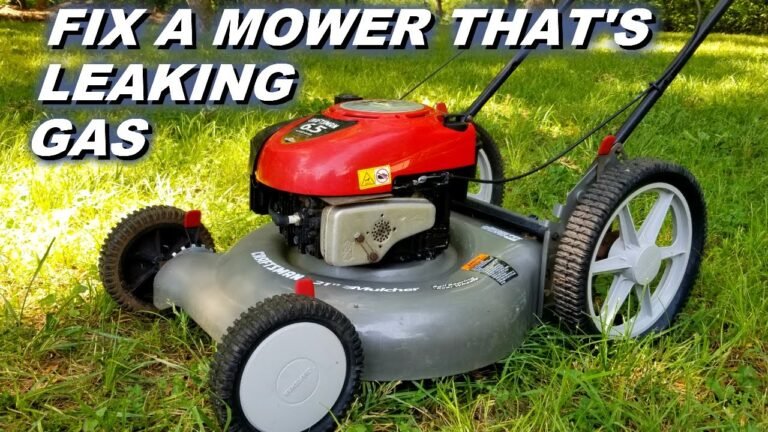
Add fresh fuel only after the system is ready. Some carburetors need cleaning by a technician. If the mower starts briefly and dies, the main jet or fuel passage may be restricted.
A fuel stabilizer works best when mixed with fresh fuel before storage. It does not fix varnish in a carburetor or remove water from a fuel tank.
Dealing with a bad spark plug
A spark plug is a wear part. Replace it at the interval in the manual or sooner if the electrode is worn, the insulator is cracked, or the plug is heavily fouled. Use the correct heat range and thread size.
Do not overtighten the plug. Cross-threading the cylinder head can turn a low-cost repair into a major one. Route the plug wire away from hot surfaces and moving parts.
Checking the starter motor and relay
A riding mower may have a starter relay, solenoid, fuse, and starter motor. A fault in any part can cause a click without engine movement. Testing these parts requires care because high current can create sparks.
If you do not know how to use a multimeter or wiring diagram, call a repair shop. A professional can test voltage drop and starter current without guessing. This is often cheaper than replacing several good parts.
Electric, Battery, and Corded Mower Problems
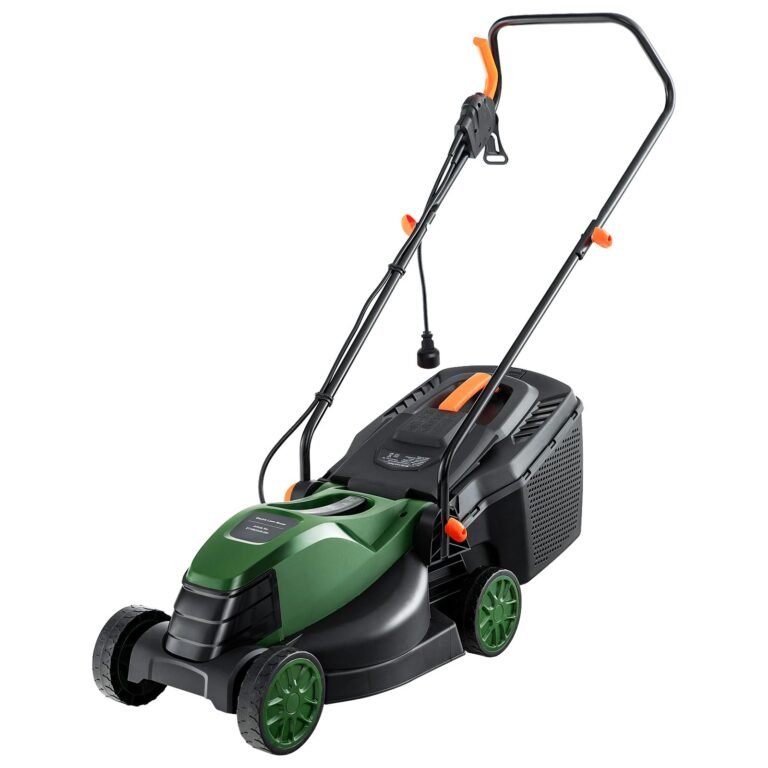
Electric mowers avoid gasoline, spark plugs, and carburetors, but they still have starting faults. Battery packs age, contacts get dirty, and electronic controls can lock out the motor.
Check the battery charge level, storage temperature, and latch. Inspect the contacts for dirt or moisture. Do not scrape contacts with metal tools or use a damaged pack.
A corded mower needs the right extension cord size and length. A long, thin cord can cause voltage drop and motor heat. Follow the mower manual for cord gauge and outdoor rating.
Why a battery mower may seem dead
Some battery mowers require a key, safety button, or handle position before the motor starts. The battery may show a charge but still shut down under load. A second compatible battery can help identify whether the pack or mower is at fault.
Battery capacity is measured in amp-hours, or Ah. It describes stored electrical capacity, not a guaranteed mowing time. Grass height, moisture, slope, blade sharpness, and mowing width all affect energy use.
A battery mower can suit a small, flat yard and neighborhoods with noise concerns. It may be less suitable for a large, rough, or steep lawn if the user cannot keep spare charged packs ready.
Riding Mower and Zero-Turn Troubleshooting
Riding mowers have more systems than push mowers. The seat switch, brake switch, blade engagement switch, transmission control, battery, fuse, and starter circuit must work together.
Zero-turn mowers use lap bars instead of a steering wheel. The bars usually need to be in the correct start position. The parking brake may also need to be set, depending on the model.
Do not bypass an interlock to make the mower start. A bypass can allow the blade to run when the operator is off the seat. That creates a serious injury risk.
Safety switches to inspect
Look for loose wires or damaged connectors near the seat, brake pedal, blade control, and lap bars. Do not pull on wires. A connector that looks connected may still have corrosion inside.
Test switches only with the procedure in the service manual. A technician can confirm whether a switch is open or closed at the right time. Replace the switch with the exact type, not a similar-looking part.
When the riding mower clicks but will not crank
Start with the battery terminals and ground cable. Then check the fuse and relay. If a jump-start is allowed by the manual, use the correct method and polarity.
Never jump a mower with a running vehicle unless the mower maker specifically allows it. Vehicle charging systems can send damaging voltage spikes. A dedicated battery booster made for the mower’s system may be safer when approved.
Weather, Storage, and Lawn Conditions
Cold weather can make a mower harder to start. Oil thickens, batteries lose available power, and fuel may not vaporize as well. Store equipment dry and protect it from extreme temperature swings.
Hot weather creates other problems. Vapor lock, fuel expansion, dry belts, and overheated electric controls can lead to stalls or no-start symptoms. Let a hot engine cool before inspection or refueling.
Wet grass increases deck clogging and wheel slip. Never mow wet grass on slopes. Besides creating a starting problem, wet mowing can damage turfgrass, leave ruts, and raise the risk of a slip.
Storage checklist
The right storage plan reduces spring starting trouble. Clean the deck, sharpen or replace the blade, inspect cables, and follow the manual for fuel treatment or draining.
| Storage task | Gas mower | Battery mower |
|---|---|---|
| Clean deck | Yes, with power removed | Yes, with battery removed |
| Check blade | Sharpen or replace | Sharpen or replace |
| Fuel care | Stabilize or drain as directed | Not needed |
| Battery care | Charge lead-acid battery | Store at maker’s charge level |
| Air filter | Inspect or replace | Usually not used |
| Storage place | Dry and ventilated | Dry, cool, and protected |
The main takeaway is simple: gas fuel needs seasonal care, while lithium-ion batteries need correct temperature and charge storage. Never store a battery pack beside a heater, furnace, or direct sun.
Prevention and a Simple Maintenance Schedule
Routine care prevents many no-start problems. A mower does not need constant attention, but it does need the right attention at the right time.
| Interval | Checks and tasks |
|---|---|
| Before each use | Clear debris, check oil, inspect controls, check battery fit |
| Every few uses | Clean the deck, inspect the blade, check tire pressure |
| Monthly in season | Inspect cables, air filter, belts, and battery terminals |
| Every season | Change oil if required, replace the spark plug if due |
| Before storage | Clean, stabilize or drain fuel, charge battery as directed |
Sharp mower blades help the engine or motor work with less strain. Set the mowing height for your grass type and season. Cutting too low can stress turfgrass during drought or heat.
Keep string trimmers, edgers, and leaf blowers away from the mower’s controls and battery charger. Shared storage space often causes cord damage, blocked vents, and accidental battery drops.
Parts that wear out first
Mower blades, spark plugs, air filters, belts, recoil cords, tires, and batteries usually wear before the engine or deck. Belts on riding and zero-turn mowers can crack from heat, dust, and age.
A mower can last many years when stored well and serviced on time, but life varies with yard size, hours, terrain, climate, and build quality. A small flat yard is easier on equipment than a large hilly lawn with wet grass and long mowing periods.
Is a repair worth the money?
Repair is often sensible when the deck is sound, the motor has good compression, and replacement parts are available. Replacement may make more sense when the frame is rusted, the battery platform is obsolete, or several major systems fail at once.
Compare the repair cost with a suitable replacement. Measure gates and storage space first. Check cutting width, battery voltage, amp-hours, grass-catcher size, mowing-height range, and the weight the user can safely handle.
Choosing an Alternative Mower After a No-Start Failure
A failed mower can reveal that the current type does not suit the yard. A push mower may be fine for a small, flat lawn, while a self-propelled mower can help on slopes or for users who tire easily.
| Yard and user | Mower type to consider | Main limitation |
|---|---|---|
| Small, flat yard | Battery push or reel mower | Limited width or battery runtime |
| Medium yard with mild slopes | Self-propelled battery or gas mower | More parts and added weight |
| Large open lawn | Riding mower | Needs storage and routine service |
| Large lawn with obstacles | Zero-turn mower | Higher cost and learning curve |
| Quiet neighborhood setting | Battery or robotic mower | Battery and boundary setup |
| Very small patch | Corded or reel mower | Cord management or physical effort |
A reel mower uses human pushing power and a cylinder of blades. It can suit a small, level yard with frequent mowing, but it may struggle with tall grass, weeds, and rough ground. A robotic mower can suit a maintained yard with a safe boundary setup, but installation and local rules matter.
Gas versus battery
Gas mowers can run for longer work periods with quick refueling, but they need fuel care, oil changes, filters, and spark plugs. Battery mowers are often quieter and easier to store, but replacement packs can cost a large share of the mower’s price.
Check local noise ordinances, HOA rules, and gas-equipment restrictions before buying. Some areas limit operating hours or restrict certain gas-powered tools. Confirm rules with your city and HOA.
Push versus self-propelled
A push mower weighs less and has fewer drive parts. It can be a good fit for a small, flat yard and a user who can comfortably control it. A self-propelled mower adds a drive system that can help on slopes, but it costs more and adds a belt or transmission that may need service.
For a senior or gift recipient, handle height, control reach, wheel size, and total weight matter as much as motor power. Let the user hold the handle and test the controls if possible. A mower that is hard to start, lift, or turn may sit unused.
🎁 Gift-Buyer Note: Before buying a replacement mower for someone else, measure the gate, storage shed, and lawn area. Ask about slopes, grass type, noise limits, and whether the recipient prefers gas, corded, or battery equipment.
When to Call a Repair Shop
Call a professional when the mower has a fuel leak, damaged wiring, a grinding starter, no spark after basic checks, or an engine that will not rotate by hand. Professional help is also wise for a riding mower that must be lifted or for a zero-turn mower with hydraulic problems.
A repair shop can test compression, ignition coils, solenoids, starter motors, carburetors, charging systems, and electronic controls. These tests can save time when the mower has more than one fault.
Do not work beyond your skill level. The goal is safe, reliable lawn care, not winning a battle with a machine in the driveway.
Signs of a serious problem
Stop troubleshooting if you notice:
- Fuel leaking from the tank or carburetor
- Oil mixed with fuel or metal in the oil
- Smoke from wiring or a battery
- A swollen lithium-ion battery
- A cracked blade or loose spindle
- A starter that grinds or sparks
- A mower that moves with the controls released
Transport the mower according to the manual. Secure riding mowers before loading them. Keep fuel containers upright and approved for gasoline.
📜 Check Local Rules: Disposal and transport rules vary. Take old gasoline and oil to a hazardous-waste site, recycle lithium-ion batteries at a designated drop-off, and donate or recycle a usable mower instead of sending it to a landfill.
Frequently Asked Questions
Q: Why is my lawn mower not turning over but the battery is charged?
A: The battery may lack enough starting power under load. Check the terminals, ground cable, fuse, safety switches, and starter relay. A battery can show a normal resting voltage and still fail when the starter draws current.
Q: Why does my mower only click?
A: A single click often points to a weak battery, poor cable connection, relay, or starter motor. Clean and tighten the battery connections, then test the battery according to the manual. Replace a fuse only with the same rating.
Q: Why does my mower crank but not start?
A: Check fresh fuel, the fuel shutoff, air filter, and spark plug. Stale fuel and a blocked carburetor are common after storage. If the mower has no spark after a correct plug replacement, seek service.
Q: Can a bad spark plug stop a mower from turning over?
A: A bad spark plug usually allows the engine to crank but prevents it from starting. It does not normally stop the starter from spinning the engine. A seized engine, jammed blade, weak battery, or starter problem is more likely when the engine does not turn.
Q: Should I jump-start a riding mower?
A: Only use a jump-start method approved in the owner’s manual. Incorrect polarity or a running vehicle can damage the mower’s electrical system. A proper mower battery charger is often the safer choice.
Q: How do I know if the mower safety switch is bad?
A: A mower may remain silent even when the battery is strong and the controls are set correctly. Inspect the switch and connector, then follow the manual’s test procedure. Never bypass a safety switch.
Q: Can wet grass keep a mower from starting?
A: Wet grass can pack under the deck and jam the blade. It can also make slopes dangerous and cause wheel slip. Disconnect the battery or spark plug wire before clearing any blockage.
Q: How long does a lawn mower battery last?
A: Battery life depends on chemistry, storage, charging habits, temperature, and use. A battery that will not hold a charge or fails under load may need replacement. Confirm the correct voltage and battery platform before buying.
Q: Is fuel stabilizer worth using?
A: Fuel stabilizer can help protect fresh gasoline during storage when used as directed. It cannot repair old fuel, clean a blocked carburetor, or remove water. Drain severely degraded fuel through an approved disposal program.
Q: What mower is easiest for a senior?
A: A lightweight battery mower with simple controls, an adjustable handle, and an easy-to-read charge gauge may suit a small, flat yard. A self-propelled mower may help on slopes, but it adds weight and drive controls. The user should test the controls before purchase.
Q: Should I repair or replace a mower that will not turn over?
A: Repair often makes sense when the deck and engine are sound and the fault is a battery, plug, fuse, or switch. Replacement may be better when the frame, deck, battery, and starter all need work. Compare costs and check part availability.
Q: Are electric mowers safer because they have no gasoline?
A: Electric mowers avoid fuel spills, exhaust, and spark plugs, but they still have blades, moving parts, and electrical risks. Keep batteries dry, use the correct charger, and remove the battery before servicing.
Final Thoughts
A lawn mower not turning over usually gives a useful clue. Silence points to controls, battery power, wiring, or a safety switch. Clicking points to battery strength or the starter circuit. Normal cranking with no start points to fuel, air, spark, or compression.
Start with safe checks before buying parts. Confirm every replacement by model number, voltage, battery compatibility, blade type, and part number. Keep the deck clear, store the mower correctly, and follow the service schedule. If the fault involves fuel leaks, damaged wiring, a seized engine, or a complex riding mower system, a qualified repair shop is the safer path.