



The best raised garden bed layout uses north-south rows, easy paths, and crops grouped by height.
Many gardeners start with a sunny yard, a few seed packets, and no clear plan. Then tall plants shade small crops, paths become hard to reach, and watering takes too much time. I have found that the best raised garden bed layout solves these problems before planting begins. The right bed shape, spacing, soil depth, and crop placement can make a small garden feel simple, neat, and productive.
Raised Bed Garden Design Guide

This garden design guide focuses on the planning work that often decides whether a raised bed succeeds. It explains how to choose a bed location, set useful paths, and build a soil mix that supports strong roots. I like that the guide treats the garden as a complete system rather than a box filled with dirt. Its advice can help new gardeners avoid common spacing and access mistakes.
The book also covers ways to arrange plants for better light and easier care. It is useful when you want a practical plan before buying lumber, metal beds, or soil. The sections on soil depth and bed construction are especially helpful for first-time growers. It does not replace local planting dates, but it gives you a strong base for creating the best raised garden bed layout in your own space.
Pros:
- Explains bed placement and garden planning in simple terms
- Offers useful advice on paths and working space
- Helps readers understand soil depth and soil quality
- Supports better plant spacing and light exposure
- Useful for beginners planning a garden from scratch
Cons:
- It is a guide rather than a physical garden bed
- Some advice still needs adjustment for local climates
- Readers looking for advanced crop science may want more detail
My Recommendation
I recommend this guide to new gardeners who feel unsure about where to begin. It is also a good choice for anyone redesigning a crowded garden and wanting a clear layout plan. Use its ideas to map beds, paths, and plant zones before spending money on materials. For the best raised garden bed layout, planning first can save time, soil, and effort later.
Best Raised Bed Book for Beginners
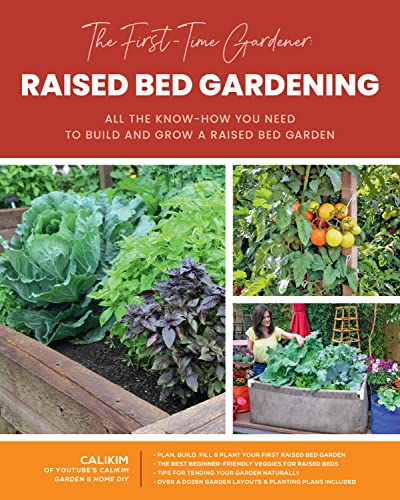
This book takes a friendly, step-by-step approach to raised bed gardening. It covers bed location, construction, soil, seeds, watering, and basic care. I find this format helpful because beginners often need the full path, not just a list of plant suggestions. The writing keeps the process from feeling like a large or costly project.
The guidance also helps readers think about the garden from a daily-use point of view. You learn why bed width matters, how to leave room for walking, and how to choose plants that fit your space. The book is a strong companion for a first vegetable or herb garden. It can guide you toward the best raised garden bed layout without making the plan too complex.
Pros:
- Uses clear instructions for first-time gardeners
- Covers the full process from planning to harvest
- Explains bed width and access in practical terms
- Includes helpful advice for vegetables and herbs
- Builds confidence without assuming much prior knowledge
Cons:
- Some experienced gardeners may find it basic
- It does not provide one universal plan for every yard
- Local weather and soil tests remain important
My Recommendation
This is best for a new gardener who wants one easy guide to follow. I would also suggest it for families and balcony gardeners who need simple, safe steps. The book helps you connect bed size with real work, such as watering, weeding, and harvesting. That practical view makes it easier to create the best raised garden bed layout for your time and space.
Rakukiri Oval Galvanized Raised Garden Bed

The Rakukiri raised bed brings a softer shape to the garden than a standard rectangle. Its oval form works well beside patios, curved paths, and small lawn areas. The galvanized metal construction is designed for outdoor use and resists rot better than untreated wood. Its height also gives roots more room than a shallow planter.
I see this bed as a useful choice for vegetables, flowers, and herbs in a compact yard. The rounded ends can improve movement around the bed, though you should still keep the total width within easy reach. Metal can warm in direct sun, so regular soil checks and steady watering matter during hot weather. Place it where it receives strong light and where a hose can reach it easily.
Pros:
- Oval shape adds visual appeal to small gardens
- Galvanized metal resists rot and many outdoor pests
- Deep form supports vegetables with larger root systems
- Suitable for herbs, flowers, and common garden crops
- Light color fits many patio and backyard designs
Cons:
- Oval walls may make square-foot spacing less exact
- Metal may heat faster in very hot, sunny areas
- It may need more soil than a shallow raised bed
My Recommendation
I recommend the Rakukiri bed for gardeners who want a durable focal point in a small outdoor area. It suits people who prefer metal over wood and want a bed that will not slowly rot. Keep taller crops near the north side and low herbs near the south side for a better layout. With that simple plan, this bed can support the best raised garden bed layout in a patio or backyard.
Best Choice Products 6 x 3 Metal Bed
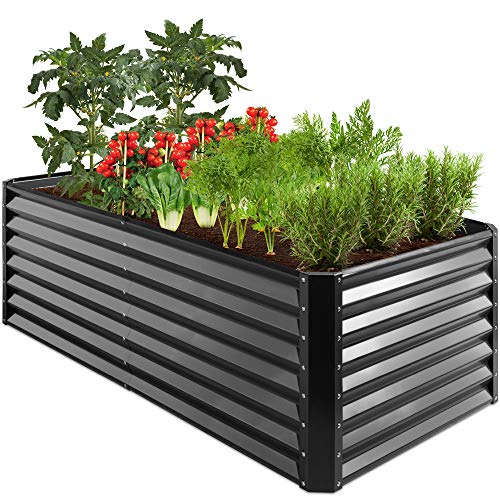
This large metal bed offers a useful balance between growing depth and garden footprint. Its six-by-three-foot size provides space for several crops without taking over a full yard. The deep design works well for tomatoes, peppers, carrots, leafy greens, and flowers. The listed capacity also gives you a clear idea of how much soil the project may require.
I like this shape for gardeners who want one main production bed. A six-foot length allows neat rows, while three feet keeps most plants within reach from both sides. Leave a walking space around the outside so you do not step on the soil. For a strong layout, place tall tomatoes or trellised crops on the north edge and shorter greens toward the south.
Pros:
- Large growing area for vegetables and flowers
- Deep design supports many root types
- Three-foot width allows easier center access
- Metal walls avoid the rot common with untreated wood
- Works well as a main backyard production bed
Cons:
- Requires a large amount of soil to fill
- Needs careful site preparation on uneven ground
- Metal edges and panels should be checked during assembly
My Recommendation
This model is best for homeowners who want one serious vegetable bed. It gives enough room for succession planting, companion planting, and a mix of crops. I would place it near a water source but away from tree roots that compete for moisture. If your yard has room, this bed makes the best raised garden bed layout easier because its straight lines simplify spacing.
Purposeful Gardener Growing Guide

The Purposeful Gardener focuses on making a small growing area work harder. It combines raised beds with vertical growing and companion planting. That mix can help gardeners use air space, ground space, and plant relationships at the same time. I find the approach useful when a yard feels too small for the harvest you want.
The vertical growing ideas are helpful for peas, cucumbers, beans, and some vining squash. The book also encourages you to group plants with similar needs, which can simplify watering and feeding. You still need to check each crop before placing it beside another plant. Used with a simple bed map, this guide can turn a plain box into a more productive garden.
Pros:
- Shows ways to grow upward in limited space
- Explains companion planting in a practical style
- Supports higher harvests from small garden areas
- Encourages thoughtful crop grouping and bed planning
- Useful for urban yards, patios, and compact plots
Cons:
- Vertical systems may require extra supports
- Companion planting results can vary by crop and climate
- Some plans need more hands-on work than a basic bed
My Recommendation
This guide suits gardeners who want more food from less ground. It is especially useful for urban growers and anyone working with two or three small beds. I would pair it with a narrow trellis on the north side so it does not block low crops. That approach adds height while protecting the best raised garden bed layout from unwanted shade.
Square Foot Gardening, Fourth Edition

Square-foot gardening gives raised bed growers a clear way to divide space. Instead of planting long rows, you create small sections and match each section to the crop. This method can reduce wasted soil and make a compact garden easier to read. The updated edition is useful for both urban and rural gardeners who want a structured plan.
I especially like this method for beds that are four feet wide or smaller. A grid can help you avoid crowding while still fitting many plants into one space. The system works best when you adjust spacing for mature plant size rather than forcing every crop into the same rule. It is a practical tool for building the best raised garden bed layout when every square foot matters.
Pros:
- Creates a clear grid for small-space planting
- Helps reduce wasted bed area
- Makes crop spacing easier for beginners
- Works with vegetables, herbs, and edible flowers
- Useful for planning succession crops throughout the season
Cons:
- Large plants still need extra room and support
- A grid can feel restrictive to informal gardeners
- Spacing rules should be checked for each variety
My Recommendation
I recommend this book for gardeners who enjoy order and clear measurements. It is also a strong choice for small yards, community plots, and raised beds near a home. Draw the grid before planting, then leave enough space for mature leaves and roots. For the best raised garden bed layout, this method acts like a simple map that keeps planting decisions calm.
INNO STAGE 6 x 3 x 2 Metal Bed

The INNO STAGE bed offers a deep, rectangular growing area for gardeners who want more root space. Its six-by-three-foot footprint is large enough for a mixed vegetable plan. The two-foot depth can benefit deep-rooted crops when you fill the bed with quality soil. Galvanized metal also gives it a clean look and helps protect the structure from outdoor moisture.
This bed works best on level ground with a firm base. Because it is deep, I would plan the soil layers before assembly and avoid placing it where water collects. You can divide the space into sections for greens, herbs, peppers, and root crops. Tall plants should stay on the north side so the depth does not become a source of shade for smaller crops.
Pros:
- Deep profile supports many root vegetables
- Large footprint allows mixed crop planning
- Galvanized metal offers good outdoor durability
- Rectangular shape works well with grids and rows
- Provides a comfortable height for some gardeners
Cons:
- Deep filling can make the initial soil cost high
- The bed may be too large for a small balcony
- Level installation is important for a neat result
My Recommendation
This bed is best for gardeners who want deep soil without building a custom frame. It suits vegetables that need room below the surface, including carrots and some varieties of tomatoes. I would use a three-foot path on each working side if space allows. That setup supports the best raised garden bed layout by keeping every plant reachable.
Best Elevated Wood Planter for Patios

This elevated wood planter is designed for patios, balconies, decks, and small backyards. Its raised working height can reduce bending, which many gardeners appreciate during planting and harvest. The divider panel lets you separate herbs, flowers, or vegetables in one container. Its long, narrow form also fits well along a wall or railing.
I would use this planter for shallow-rooted crops such as lettuce, basil, chives, radishes, and compact flowers. It is not a substitute for a deep ground bed when you want large root crops or many tomato plants. Check the drainage holes and protect the wood as directed by the manufacturer. Since it stands above the ground, it may dry faster than a bed placed directly on soil.
Pros:
- Reduces bending during planting and harvesting
- Fits patios, balconies, decks, and compact yards
- Divider supports simple crop organization
- Attractive wood look suits home outdoor spaces
- Useful for herbs and small edible plants
Cons:
- Limited depth may not suit deep-rooted crops
- Raised planters can dry out more quickly
- Wood needs proper care to extend its outdoor life
My Recommendation
I recommend this planter for apartment gardeners, older adults, and anyone who wants less bending. It is also a good option when a lawn is not available. Place taller herbs at the back and low greens at the front for a tidy, useful design. This arrangement creates the best raised garden bed layout for a small patio without demanding a full backyard setup.
How I Choose the Best Raised Garden Bed Layout
A raised bed can look attractive and still perform poorly if the layout ignores sunlight, access, or water flow. I start by watching the site at different times of day. Most vegetables need several hours of direct sun, though exact needs vary by crop. I also look for tree roots, downspouts, strong wind, and places where water stays after rain.
Next, I mark the beds with a hose or string. This simple step shows how the shape will feel before I fill it with soil. I keep most beds narrow enough to reach the center from either side. A bed that is too wide turns daily care into a stretch, and stepping into the soil can compact the root zone.
For many home gardens, a three- to four-foot bed width works well. A path of about two feet can provide basic access, while wider paths make carts and wheelbarrows easier to use. The exact size depends on mobility, tools, and the space around the garden. The best raised garden bed layout is not the one with the most boxes; it is the one you can reach and maintain.
Where to Place Raised Garden Beds
Sun is the first major factor. In the Northern Hemisphere, place tall crops on the north side when possible. This reduces the chance that tomatoes, corn, trellises, or sunflowers will shade lettuce and herbs. In the Southern Hemisphere, the same idea applies with local sun movement in mind.
Keep beds close enough to a water source. Carrying heavy watering cans across a yard becomes tiring, especially in summer. A hose with a gentle spray or a drip system can make care easier. Avoid placing beds directly beneath large trees because roots compete for water and nutrients.
Good drainage matters as much as sunlight. Do not build a bed in a low spot that holds water. If the site drains slowly, raise the bed higher, improve the soil structure, or choose another location. Extension gardening guidance commonly stresses drainage because wet roots can suffer even when the garden receives plenty of sun.
How Wide Should a Raised Garden Bed Be?
Width controls comfort. If you can reach only from one side, keep the bed close to two feet wide. If you can work from both sides, three or four feet often gives a better balance between growing room and access. Children, older gardeners, and people with limited mobility may prefer narrower beds.
Length is more flexible. A long bed can be productive, but several shorter beds may create better paths and simpler crop groups. I often prefer two or three medium beds over one huge bed. Separate beds allow you to rotate crops and isolate a pest or disease problem.
Leave enough room to kneel, stand, and turn with tools. Avoid tight corners where weeds and leaves collect. A layout should feel open, like a clear kitchen counter, not like a crowded closet. That small comfort can determine whether you enjoy gardening all season.
How to Arrange Plants in a Raised Bed
Group plants by height first. Put tall plants and trellises toward the side that receives the least direct impact on shorter crops. Place medium plants in the center and low greens or herbs near the edge. This arrangement improves light and makes harvesting easier.
Group crops by water and feeding needs as well. Lettuce and radishes may need a different schedule than drought-tolerant herbs. Keeping similar plants together helps you water with more control. It also makes it easier to notice when one group looks stressed.
Leave the mature size of every plant in mind. A small seedling can become a large plant in a few weeks. Crowding reduces airflow and may increase disease pressure in humid weather. Follow the seed packet or plant label, then adjust for your local conditions.
Use trellises with care. A trellis can save floor space, but it can also cast shade. Put it on the north edge when practical. This simple detail is one of the most useful parts of the best raised garden bed layout for peas, cucumbers, beans, and small melons.
Raised Bed Soil and Drainage Tips
Good soil is the engine of a raised bed. Start with clean, reliable material from a trusted supplier. A common approach uses a blend of topsoil, finished compost, and a light material that improves drainage, but the exact mix depends on the source materials and local conditions. Avoid using fresh manure because it can burn plants and may carry unwanted pathogens.
Compost improves organic matter, but more is not always better. Too much compost can create nutrient or salt problems. I prefer a balanced mix and a soil test when the garden will grow food for many years. Local university extension services can help interpret test results.
Do not place landscape fabric under a bed unless you have a specific reason, such as blocking aggressive grass. A raised bed should drain into the soil below when the site allows it. If you must place a bed on concrete, use a container-safe design with proper drainage holes and a suitable soil mix.
Metal beds can warm in strong sun, especially in dry weather. Wood beds may hold heat less quickly but can eventually decay. Elevated planters often lose water faster because air moves under the container. Match your watering plan to the material, depth, and local summer weather.
Raised Garden Bed Layout Ideas for Small Spaces
For a narrow yard, use two long beds with a central path. This gives access from the inside and outside edges. For a square yard, try four small beds around a central stepping area. The center can hold a pot of herbs or a water container, as long as it does not block movement.
For a balcony, choose one elevated planter or several light containers rather than a deep metal bed. Confirm the balcony weight limit before adding wet soil. Place containers where they will not block exits or create a trip hazard. A simple line of planters along the sunniest rail can be more useful than a crowded design.
For a patio, combine one deep bed for tomatoes and peppers with a shallow planter for herbs. Keep a clear space for a hose and harvest basket. For a family garden, make one bed for quick crops and another for plants that need trellises. This makes the garden easier to teach and easier to maintain.
Best Features to Compare Before Buying
| Best for | Why |
|---|---|
| Small patios and balconies | An elevated wood planter offers easy access and a compact footprint. |
| Large vegetable harvests | A deep 6 x 3 metal bed provides room for mixed crops and roots. |
| Organized small-space planting | Square-foot gardening helps divide a bed into clear planting zones. |
Common Raised Bed Layout Mistakes
The first mistake is building a bed before checking the sun. A beautiful bed in deep shade will disappoint. Watch the site first, then place the structure where your crops can grow.
The second mistake is making the bed too wide. If you cannot reach the middle, you may step on the soil or neglect the plants. Keep working areas close enough for comfortable care.
The third mistake is forgetting mature plant size. Seedlings leave plenty of space at first, but squash, tomatoes, and herbs can fill a bed quickly. Read labels and plan for the full season.
The fourth mistake is ignoring water access. A garden that needs a long walk for every drink will test your patience. Place the beds near a hose or install a simple irrigation line.
The fifth mistake is filling a large bed without calculating soil volume. Deep metal beds can hold a surprising amount of soil. Measure the bed before ordering materials, and plan how you will move the soil to the site.
FAQs Of best raised garden bed layout
What is the best raised garden bed layout for beginners?
A simple rectangle with a three- to four-foot width and clear paths is a strong starting point. Place tall plants on the north side and low crops near the front edge.
How much space should I leave between raised beds?
Leave about two feet for basic walking access. Use wider paths if you need a wheelbarrow, garden cart, or extra room to kneel and work.
Should raised garden beds face north and south?
North-south rows can provide useful light movement during the day. The key rule is to place tall crops where they will not shade shorter plants.
Are metal raised garden beds safe for vegetables?
Choose products made for garden use and follow the manufacturer’s material information. Use quality soil, good drainage, and mulch to help manage heat and moisture.
How deep should a raised garden bed be?
Many shallow crops can grow in a bed about eight to twelve inches deep. Deep-rooted crops may need more space, and the best depth depends on the plant and the soil beneath the bed.
Final Verdict: Which Should You Buy?
The Best Choice Products 6 x 3 metal bed is my top pick for most backyard growers. It offers useful depth, good access, and enough room for a mixed crop plan.
For the best raised garden bed layout, pair it with clear paths, north-side trellises, and crops grouped by height. Choose an elevated planter for patios or a guidebook when planning is your main need.
