


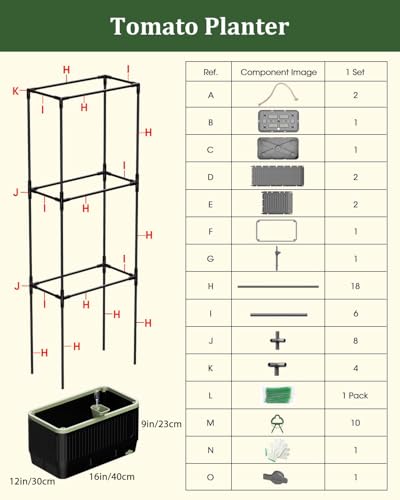
The best self watering planters for tomatoes combine deep roots, steady moisture, strong trellises, and easy water checks.
Have you ever watered a tomato plant in the morning, only to find its leaves drooping by afternoon? Patio heat, travel, and busy work days can make steady care hard. A self-watering planter stores water below the soil and sends moisture upward when the roots need it. That can reduce stress, limit missed watering, and make container growing far less tiring. I reviewed these tomato planters for reservoir design, trellis support, size, ease of use, and value.
2PCS Self-Watering Tomato Planter With Trellis
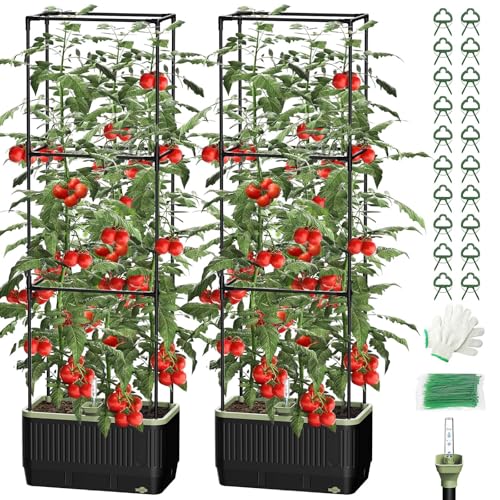
This two-pack gives gardeners a simple way to grow two tomato plants in separate containers. Each planter includes a trellis, so young vines have a clear path upward as they grow. The self-watering design can help keep root moisture more even than a basic pot with one small drainage hole. That matters because tomatoes dislike sharp swings between very dry soil and soaked soil.
I see this set as a useful choice for patios, balconies, decks, and small backyards. Two containers also make it easy to grow different tomato varieties or place plants where they receive the best sun. The trellis should still be checked as plants gain weight, especially with large slicer tomatoes. Use a quality potting mix rather than heavy garden soil to protect drainage and root health.
Pros:
- Two planters support a small tomato collection
- Built-in trellises guide climbing stems
- Self-watering design helps reduce missed watering
- Separate pots make moving plants easier
- Works well for patios and compact growing spaces
- Useful for growing two varieties side by side
Cons:
- Large plants may need extra stem ties
- Two filled planters can be heavy to move
- Container size may not suit very large indeterminate varieties
My Recommendation
I recommend this set for new growers, couples, and patio gardeners who want two tomato plants without building a raised bed. It offers a practical mix of support and water management at a useful entry point. For gardeners searching for the best self watering planters for tomatoes on a smaller budget, this two-pack is a strong place to start. Choose compact or determinate tomatoes if your growing area has limited height.
Tall Tomato Planter With Water Indicator

This tall planter combines a raised container, a climbing trellis, and a water indicator. Its 56.5-inch height gives tomato vines room to rise without taking up much floor space. The large reservoir can reduce the need for daily watering, though hot weather will still increase water use. A visible indicator also makes it easier to build a simple watering routine.
The raised layout keeps the growing area off the ground and may feel easier on the back than a low pot. It can suit a porch, sunroom, greenhouse, or outdoor patio when placed in bright light. I would use strong ties and prune crowded growth so the trellis does not carry more weight than it can handle. Remember that a tall container needs a stable, level surface in windy areas.
Pros:
- Tall trellis supports upward tomato growth
- Water indicator helps show reservoir status
- Raised height makes plant care more comfortable
- Large reservoir can extend time between refills
- Uses vertical space well on patios
- Suitable for tomatoes and other climbing plants
Cons:
- This listing is for one planter, not two
- Tall designs can catch wind if not placed securely
- Large vines may need added support during fruiting
My Recommendation
This planter is best for gardeners who want a tall focal point and a simple visual water check. It is also a good match for anyone who prefers raised gardening over kneeling beside a low pot. Among the best self watering planters for tomatoes, it stands out for vertical use and its indicator feature. I would pick it for one main tomato plant, especially a patio variety or a carefully trained indeterminate type.
Vego Garden 15-Inch Planter With Trellis

This Vego Garden planter has a 15-inch height and a trellis for flowers, herbs, and climbing plants. Its cream-white finish can blend with modern patios, balconies, and indoor spaces with strong natural light. The self-watering feature is useful for gardeners who want a little more time between checks. Its broad planter format may also provide a stable base for a compact tomato plant.
For tomatoes, I would match this planter with a determinate variety, cherry tomato, or dwarf cultivar unless the growing area has generous room. A 15-inch planter is easier to place than a very tall tower, but it still needs full sun for a productive crop. Keep the reservoir from staying constantly full if the potting mix remains wet. Good airflow around leaves is just as important as steady moisture.
Pros:
- Clean cream-white look suits home decor
- 15-inch height is easy to access
- Trellis supports smaller climbing plants
- Self-watering feature helps simplify care
- Useful indoors near a bright window or outdoors
- Good fit for compact tomato varieties
Cons:
- Shorter trellis may limit vigorous vines
- Light color can show soil splashes
- May need added support for heavy fruit clusters
My Recommendation
I recommend this option for style-focused gardeners, apartment growers, and anyone planting compact tomatoes. It is not my first pick for a huge indeterminate plant, but it can be a neat home for cherry tomatoes and dwarf types. For shoppers comparing the best self watering planters for tomatoes, this model makes sense when appearance and easy access matter. It offers the most natural fit for a small, tidy container garden.
MQHUAYU 51-Inch Planter Box With Trellis
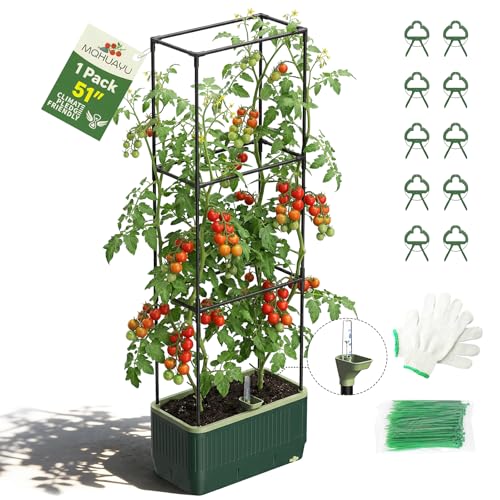
The MQHUAYU planter uses a tall box shape with a 51-inch tomato trellis and a visual water indicator. This format gives a tomato plant room to grow upward while keeping the container footprint fairly focused. The raised bed style can work well beside a wall, fence, or sunny railing. Its reservoir design may help maintain a steadier supply of moisture during warm days.
I like the indicator because it removes some guesswork from container care. Still, a water gauge should support—not replace—a quick soil check with your finger. Tall tomatoes need regular tying, removal of weak side shoots, and enough sun to make strong stems. Place the planter where air can move freely, since crowded leaves can hold moisture and invite disease.
Pros:
- 51-inch trellis provides useful vertical space
- Visual indicator makes water checks faster
- Raised box design is easy to reach
- Works for tomatoes and other climbing crops
- Fits patios, porches, and small garden areas
- Vertical growth can save floor space
Cons:
- One planter may not meet the needs of several plants
- Needs a stable location in exposed areas
- Vigorous tomatoes require frequent training
My Recommendation
This is a good choice for gardeners who want a raised tomato planter with a clear water indicator. It suits people who dislike bending and those who want to use a narrow patio area well. In my comparison of the best self watering planters for tomatoes, it offers a balanced blend of height, support, and monitoring. I would use it for one strong tomato plant, herbs at the base, or a compact climbing crop.
Vego Garden 55-Inch Planter With Steel Trellis

This tall Vego Garden planter pairs a self-watering pot with a 55-inch steel trellis. The sage green finish gives it a softer garden look than plain black or gray containers. Its height is designed for flowers and plants that climb, making it a natural match for trained tomato vines. A steel support can also give peace of mind as fruit clusters become heavier.
For best results, I would fill it with a light, well-draining container mix and leave room around the stem. Tall trellises work best when the planter stands on firm ground and the plant receives at least six hours of direct sun. Indeterminate tomatoes may still grow beyond the support, so plan to add ties or an upper extension if needed. The green finish may appeal to gardeners who want function without a harsh industrial look.
Pros:
- 55-inch trellis supports tall climbing growth
- Steel support is suited to training tomato vines
- Sage green finish blends with outdoor spaces
- Self-watering feature can reduce daily care
- Raised design keeps the plant easy to reach
- Useful for flowers, vegetables, and decorative plants
Cons:
- Tall plants may need extra ties above the trellis
- One container may be costly for a larger tomato garden
- Its height calls for a sheltered, stable position
My Recommendation
I would choose this planter for gardeners who value a strong-looking trellis and a decorative finish. It is especially suitable for a patio focal point, a sunny entry area, or a balcony with enough weight capacity. As one of the best self watering planters for tomatoes, it has a useful height for trained vines without becoming an extra-large garden bed. It is a strong pick when appearance and vertical support carry equal weight.
SYITCUN Two-Pack Tomato Planters With Trellis

This SYITCUN set includes two gray tomato planters with 57-inch metal supports. A two-pack lets you grow two plants while keeping each root system in its own container. The tall frame gives vines a clear route upward and can help keep fruit off the patio surface. A self-watering setup also offers a buffer when you cannot check plants several times each day.
The gray finish is easy to pair with deck furniture and common outdoor pots. I would use one planter for an early tomato and the other for a later variety, which can spread the harvest. Keep both units level, and inspect the frame after strong wind or heavy fruit growth. Since container tomatoes are hungry plants, refresh nutrients with a tomato fertilizer according to its label.
Pros:
- Two separate planters provide planting flexibility
- 57-inch metal trellises offer generous height
- Self-watering design supports a steadier routine
- Gray color fits many patio settings
- Useful for staggered planting and longer harvests
- Supports tomatoes and other climbing plants
Cons:
- Two filled units need careful placement
- Metal parts may require checks after wet weather
- Large indeterminate vines can outgrow the frames
My Recommendation
This two-pack is best for gardeners who want a matched pair of tomato containers. It gives couples, families, and small-space growers more planting room without the work of a full raised bed. I consider it one of the best self watering planters for tomatoes for anyone who wants two tall supports at once. It offers especially good value when you plan to grow two varieties or extend the harvest.
71-Inch Raised Tomato Planter With Trellis

This raised garden bed planter reaches 71 inches and is built for climbing vegetables and plants. That extra height can help support tomato vines that would quickly outgrow a short cage. The elevated design may also make planting, pruning, and harvesting easier for gardeners who prefer less bending. Its self-watering feature can help protect plants from short gaps between waterings.
A tall tomato support is helpful, but it does not remove the need for pruning and tying. I would reserve this model for a location with strong shelter from wind and enough overhead space. It is better suited to a vigorous vine than a small dwarf plant, although plant choice still depends on the container’s growing area. Use a sturdy mix, avoid blocking drainage, and guide stems early before they become difficult to move.
Pros:
- 71-inch height gives vines substantial room
- Raised bed shape makes care easier to reach
- Self-watering design helps buffer dry periods
- Good match for climbing vegetables
- Vertical support keeps foliage more organized
- Useful for gardeners who dislike low containers
Cons:
- Requires a secure, level placement area
- May be too tall for low-ceiling spaces
- Vigorous vines still need pruning and tying
My Recommendation
I recommend this planter for experienced tomato growers and anyone who wants the tallest support in this group. It can suit a greenhouse, large patio, or protected backyard corner. For shoppers seeking the best self watering planters for tomatoes for tall vines, the 71-inch frame is its main advantage. Choose it when vertical growing space matters more than easy movement or a small footprint.
MQFORU Four-Pack Planter Boxes With Trellis

The MQFORU set includes four 57-inch planter boxes with trellises. This is the largest set here, so it can help a gardener build a small container garden with matching units. Each planter provides a dedicated space for a tomato, pepper, cucumber, flower, or other patio crop. The self-watering design may also make a group of containers easier to manage than four ordinary pots.
A four-pack is useful when you want variety, but it also increases the need for planning. Leave enough space between units for sunlight, airflow, watering, and harvest access. I would label each planter and track its watering needs, because different plants may empty their reservoirs at different speeds. The matching design can create a neat garden wall or productive line along a sunny deck.
Pros:
- Four planters support a larger container garden
- Matching 57-inch trellises create a neat layout
- Self-watering design can simplify group care
- Separate boxes allow many crop combinations
- Useful for families and serious patio growers
- Vertical frames help organize climbing plants
Cons:
- Needs more space than a single planter
- Four filled units can be difficult to reposition
- Different crops may need different water schedules
My Recommendation
This set is best for gardeners who want a full patio crop plan instead of one tomato plant. It gives you room to grow several tomato varieties or mix tomatoes with cucumbers, beans, and flowers. Among the best self watering planters for tomatoes, it offers the greatest quantity and the most room for a coordinated garden. Buy it when you have strong sunlight, enough floor space, and a clear plan for plant spacing.
How I Compare Self-Watering Tomato Planters
When I assess self-watering containers, I start with the root zone. Tomatoes need steady moisture, but their roots also need air. A reservoir helps only when the potting mix can move water without staying muddy. The best planters make refilling simple, provide drainage, and give the gardener a clear way to judge water levels.
I also look closely at trellis height and stability. A tomato plant becomes much heavier after flowering and fruit set. A thin support may look fine at planting time, then bend under a crop. Tall planters should stand on level ground, and gardeners should tie stems with soft material rather than pulling hard against the frame.
Container size matters as much as the reservoir. A small pot can dry quickly and limit root growth. A large pot can hold more mix and moisture, but it may be harder to move and may need more fertilizer. As a general rule, select compact tomato types for smaller planters and reserve vigorous indeterminate types for the roomiest containers.
How to Use a Self-Watering Planter for Tomatoes
Begin with a clean container and a fresh potting mix made for containers. Do not fill the pot with dense yard soil. Garden soil can compact in a pot, slow drainage, and reduce air around roots. A light mix helps water move through the root zone while still holding enough moisture for the plant.
Plant the tomato deeply if the container design allows it. Tomatoes can form roots along buried stems, which may help create a stronger plant. Keep the lowest leaves above the soil line, and water the top layer after planting so the young roots do not dry out. Follow the planter instructions before filling the reservoir for the first time.
During the first week, check the soil by hand. A new plant may need time to grow roots into the lower moisture zone. Do not assume a full reservoir means the entire root ball has equal moisture. Once the plant settles, check the indicator and soil on a regular schedule, with extra checks during hot, dry, or windy weather.
Feed container tomatoes with a balanced fertilizer or a tomato fertilizer as directed on the label. Nutrients wash through containers faster than they do through garden soil. Too much fertilizer can harm roots and cause excess leaf growth, so more is not always better. Remove yellow leaves, tie new growth, and harvest ripe fruit often to keep the plant productive.
What Makes the Best Self Watering Planters for Tomatoes?
The best self watering planters for tomatoes need more than a water chamber. They should give roots enough room, offer dependable drainage, and keep the plant upright. A useful water indicator is a bonus because it reduces guesswork. A practical trellis is also important, since tomato vines can become top-heavy in a short time.
Sun is another key factor. Most tomatoes need at least six hours of direct sun for good growth, although local heat can change the ideal schedule. Place the planter where the plant receives light but where the container does not face constant strong wind. A sunny wall may provide warmth, while an open balcony may increase water loss.
Do not place a self-watering planter in a dark corner and expect the reservoir to solve every problem. Water cannot replace light, nutrition, pollination, or airflow. Think of the reservoir as a helpful safety net. It supports your routine, but it does not remove the need to watch the plant.
Best Features by Use
| Best for | Why |
|---|---|
| Two tomato varieties | The two-pack designs give each plant its own space and support. |
| Tall indeterminate vines | The 71-inch planter offers the most vertical trellis room. |
| A complete patio garden | The four-pack provides several matching containers for mixed crops. |
Common Mistakes to Avoid
The first mistake is treating every self-watering planter like a set-and-forget system. A reservoir can run dry, a float can stick, or a plant can use water faster during a heat wave. Check the water level often when temperatures rise. Let the plant guide your care rather than relying on a calendar alone.
The second mistake is overfilling the container with too many plants. One tomato can become a broad plant with a large root system. Crowding reduces airflow and increases competition for water and nutrients. Unless the planter is clearly designed for more, I usually recommend one tomato per container.
The third mistake is choosing a trellis that matches the pot but not the plant. A dwarf tomato may be happy with a short frame. A vigorous indeterminate plant may need a tall frame, strong ties, and regular pruning. Read the seed packet or plant tag before selecting a planter.
Finally, do not ignore drainage. Self-watering does not mean permanently wet. If water remains in the upper soil, roots can suffer from low oxygen. Use the correct mix, follow the maker’s directions, and keep overflow or drainage paths clear.
FAQs Of best self watering planters for tomatoes
Are self-watering planters good for tomatoes?
Yes. They can provide more even moisture and reduce stress caused by missed watering. Tomatoes still need sunlight, fertilizer, drainage, and regular checks.
How often should I refill a tomato planter reservoir?
It depends on the reservoir size, plant size, temperature, wind, and humidity. Check the indicator often at first. During hot weather, a mature plant may use water much faster than a young plant.
Can I grow indeterminate tomatoes in these planters?
You can, if the container has enough root space and the trellis is tall and stable. Large vines may grow beyond the frame, so use soft ties and prune when needed.
Should I put more than one tomato plant in a planter?
Usually, one plant per container is safer. One tomato needs room for roots, air, nutrients, and a strong canopy. Only plant more than one when the manufacturer gives enough capacity for it.
Do self-watering planters prevent overwatering?
No. They can help control moisture, but poor drainage or constant saturation can still harm roots. Use a suitable mix and check both the reservoir and the top soil.
Final Verdict: Which Should You Buy?
For most growers, the SYITCUN two-pack offers the best balance of price, space, and tall support. The MQFORU four-pack suits larger patio gardens, while the 71-inch model fits tall vines. Each can rank among the best self watering planters for tomatoes when matched to the right plant.
Choose by tomato size, sunlight, space, and trellis height. With good drainage and steady care, a self-watering planter can turn a small patio into a productive tomato garden.
