


Own a Ferris zero turn mower and facing issues? You’re not alone. These powerful machines are known for their speed and precision, but like any equipment, they can develop problems. From engine stalling to steering difficulties, understanding common Ferris zero turn mower problems can save you time, money, and frustration. This guide covers everything you need to know to diagnose, fix, and prevent these issues, ensuring your mower stays in top shape for a perfectly manicured lawn.
Key Takeaways
- Understanding Ferris Zero Turn Mower Problems: Provides essential knowledge
📑 Table of Contents
- Ferris Zero Turn Mower Problems: Your Guide to a Smooth-Sailing Mowing Season
- Understanding Your Ferris Zero Turn Mower: A Quick Overview
- Common Engine Problems and Solutions
- Cutting Deck and Blade Issues: Achieving a Perfect Cut
- Steering and Drive System Problems: Controlling Your Mower
- Hydraulic System Problems: The Lifeblood of Your Mower
- Electrical System Issues: Powering Your Mower
- Preventive Maintenance: Your Best Defense Against Ferris Zero Turn Mower Problems
- When to Call a Professional: Knowing Your Limits
- Conclusion: Enjoying a Trouble-Free Mowing Experience
Ferris Zero Turn Mower Problems: Your Guide to a Smooth-Sailing Mowing Season
If you’re the proud owner of a Ferris zero turn mower, you know the thrill of effortlessly gliding across your lawn, leaving behind a perfectly manicured swath. These machines are the pinnacle of efficiency and precision for serious lawn care. But even the most robust equipment can encounter hiccups. From a stubborn engine to a mower that just doesn’t feel right, Ferris zero turn mower problems can quickly turn a joy into a chore.
This comprehensive guide is your go-to resource for understanding, diagnosing, and fixing the most common issues you might encounter. We’ll break down each problem, offer practical solutions, and share expert tips to keep your Ferris zero turn mower running at its peak performance. Whether you’re a seasoned pro or a new owner, this article will empower you to tackle those mower headaches with confidence, ensuring your lawn remains the envy of the neighborhood.
Understanding Your Ferris Zero Turn Mower: A Quick Overview
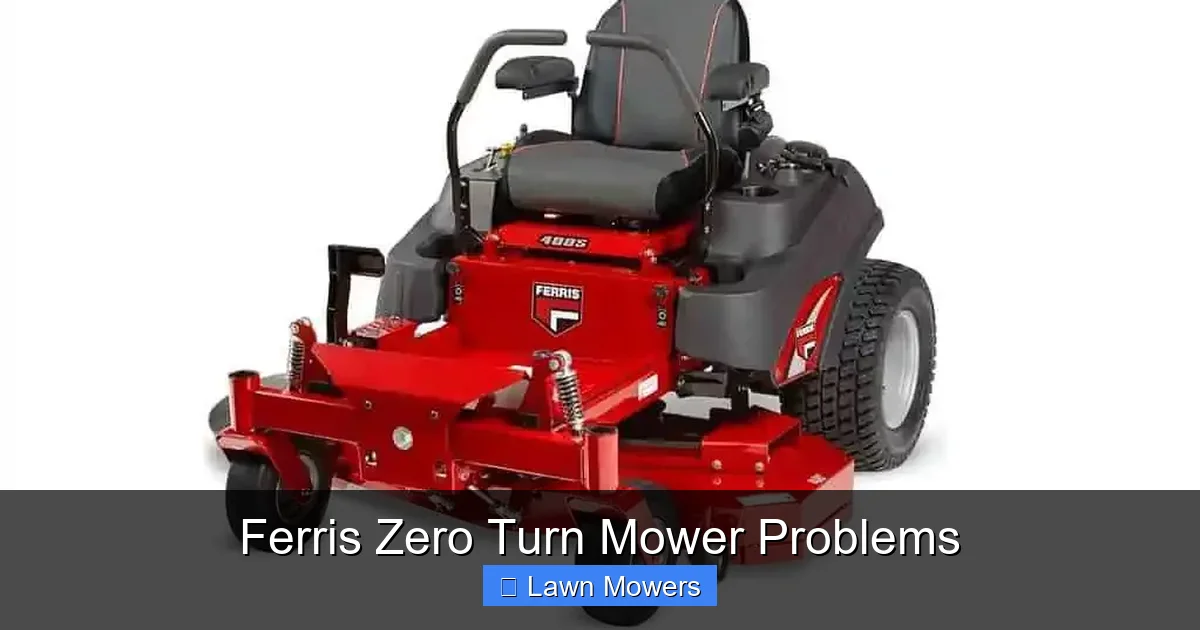
Visual guide about Ferris Zero Turn Mower Problems
Image source: homemashal.com
Before diving into specific problems, let’s briefly revisit what makes a Ferris zero turn mower special. Unlike traditional riding mowers, Ferris zero turn models utilize a unique steering system. Instead of a single steering wheel, they employ two levers (one for each wheel), allowing you to pivot the mower on the spot. This “zero turn” capability means no more awkward U-turns or back-and-forth adjustments, making it incredibly efficient for mowing around obstacles, tight corners, and large open areas. Under the hood, they typically feature powerful engines, advanced hydraulic systems, and robust cutting decks designed for heavy-duty performance.
However, this complexity also means there are more components that can potentially fail. From the engine and transmission to the cutting deck and steering mechanisms, every part plays a vital role. When one component falters, it can impact the entire mowing experience. Understanding the basic functions of these systems will help you pinpoint the source of your Ferris zero turn mower problems more effectively.
Common Engine Problems and Solutions

Visual guide about Ferris Zero Turn Mower Problems
Image source: farmsunseed.com
The heart of your Ferris zero turn mower is its engine. When the engine struggles, the entire machine grinds to a halt. Let’s explore some frequent engine-related issues and how to address them.
Engine Won’t Start: The Most Frustrating of All
Nothing is more frustrating than pulling out your mower after a long winter, turning the key, and hearing nothing. A non-starting engine is often the first sign of a Ferris zero turn mower problem.
Possible Causes and Fixes:
- Old or Contaminated Fuel: Fuel breaks down over time, losing its volatility and potentially gumming up the carburetor. If your mower has been sitting for months, this is a prime suspect. Drain the old fuel and refill with fresh gasoline. Always use a fuel stabilizer for long-term storage.
- Weak or Dead Battery: The starter motor requires a strong electrical current to turn over the engine. A weak battery, corroded terminals, or a faulty charging system can prevent ignition. Test your battery voltage (should be around 12.6V when fully charged). Clean the battery terminals and ensure they are tightly connected. If the battery is old or weak, consider replacing it.
- Faulty Spark Plug: The spark plug ignites the fuel-air mixture. A worn, fouled, or improperly gapped spark plug will fail to spark, preventing combustion. Remove the spark plug, inspect it for wear, fouling, or damage. Clean it with a wire brush or replace it if necessary. Ensure it’s properly gapped according to the manufacturer’s specifications.
- Clogged Air Filter: A dirty air filter restricts airflow to the engine, leading to a rich fuel mixture and poor combustion. Check the air filter and clean or replace it as needed. A severely clogged filter can starve the engine of oxygen, making it impossible to start.
- Fuel Filter Issues: A clogged fuel filter can restrict fuel flow to the carburetor or fuel injection system, starving the engine of fuel. Locate and inspect the fuel filter; replace it if it’s dirty or clogged.
- Fuel Pump Failure (for fuel-injected models): If your model uses fuel injection, a failing fuel pump can prevent fuel from reaching the injectors. This requires professional diagnosis and repair.
Engine Runs Rough or Stalls: Diagnosing Performance Issues
If your engine starts but then runs unevenly, sputters, or stalls, it indicates a problem with the engine’s ability to maintain a consistent fuel-air mixture.
Possible Causes and Fixes:
- Dirty Carburetor: Over time, varnish and debris can build up in the carburetor, disrupting the precise fuel-air mixture needed for smooth operation. This is a common Ferris zero turn mower problem, especially if you use ethanol-blended fuels. Cleaning or rebuilding the carburetor is often necessary. This can be done by a professional or with detailed DIY instructions.
- Clogged Air Filter (again): A dirty air filter can also cause a rich fuel mixture, leading to rough running and stalling.
- Worn Spark Plug or Ignition Coil: Beyond just failing to start, a faulty spark plug or ignition coil can cause misfires and rough running.
- Fuel Quality: Using low-quality or stale fuel can contribute to running issues. Always use fresh, high-quality gasoline.
- Throttle Linkage Issues: If the throttle linkage is loose or sticking, it can cause erratic engine speed.
Excessive Engine Vibration or Noise: Signs of Mechanical Issues
Unusual vibrations or loud noises from the engine can signal serious mechanical problems that need immediate attention.
Possible Causes and Fixes:
- Worn Engine Mounts: Over time, engine mounts can deteriorate, causing the engine to vibrate excessively. Inspect the mounts for cracks or damage and replace them if necessary.
- Internal Engine Problems: Issues like worn bearings, damaged pistons, or valve problems can cause loud noises and severe vibration. These typically require professional diagnosis and repair.
- Improper Engine Installation: If the engine was recently serviced or replaced, improper installation can lead to vibration.
Cutting Deck and Blade Issues: Achieving a Perfect Cut
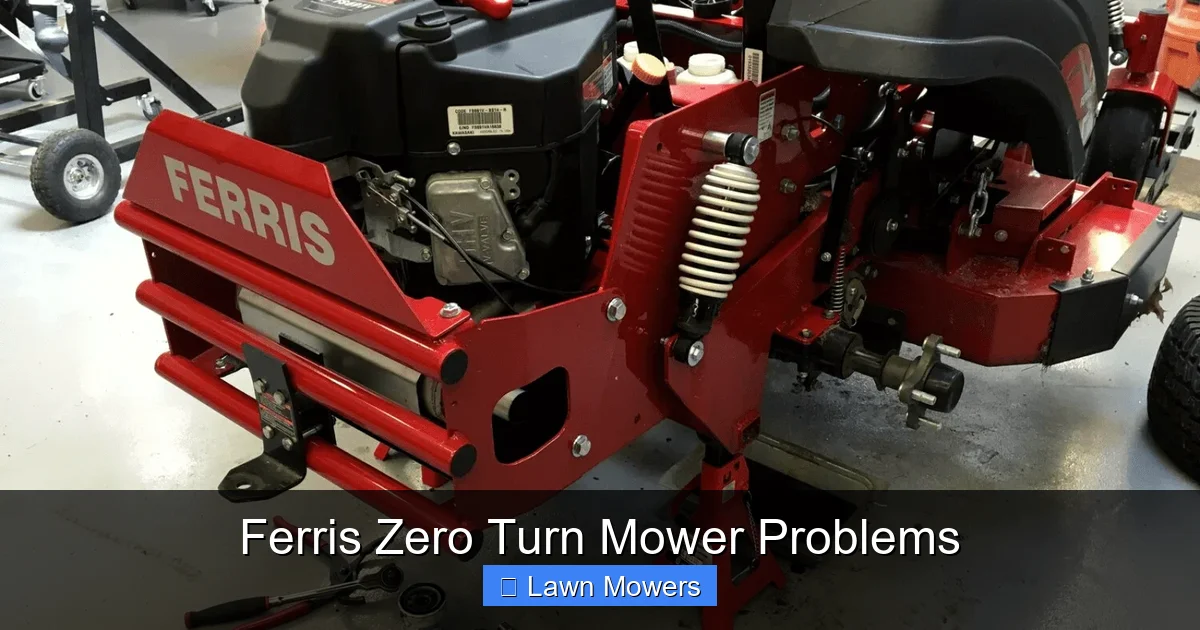
Visual guide about Ferris Zero Turn Mower Problems
Image source: positivebloom.com
The cutting deck and blades are the business end of your Ferris zero turn mower. Any problem here directly affects the quality of your lawn’s appearance.
Uneven or Poor Cutting Performance: The Bane of Every Lawn Enthusiast
A lawn that looks patchy, scalped, or uneven is a clear sign of a Ferris zero turn mower problem related to the cutting deck.
Possible Causes and Fixes:
- Dull or Damaged Blades: The most common cause of poor cutting is dull blades. Dull blades tear the grass rather than cut it cleanly, leading to a ragged appearance and stress on the grass. Inspect the blades for nicks, dents, or excessive wear. Sharpen or replace them as needed. Always balance the blades after sharpening.
- Incorrect Deck Height: If the deck is set too low, it can scalp the grass. If it’s too high, the cut will be uneven and ineffective. Adjust the deck height according to the type of grass, length, and desired appearance.
- Clogged Cutting Deck: Grass clippings, dirt, and debris can accumulate inside the deck, obstructing the blades and preventing them from rotating freely. Regularly clean the underside of the deck, especially after mowing thick grass or wet conditions.
- Worn or Damaged Anti-Scalp Wheels: Anti-scalp wheels help maintain a consistent cutting height, especially on uneven terrain. If they are worn down or misaligned, they can cause uneven cutting. Inspect and replace them as needed.
- Worn Spindles: The spindles support the blades and allow them to rotate. If they are worn or damaged, the blades may not spin freely or at the correct speed, leading to poor cutting. Inspect spindles for wear, damage, or excessive play. Replace them if necessary.
- Improper Blade Bolt Tightness: If the blade bolts are too loose, the blades won’t rotate properly, and if too tight, they can damage the spindle or blade. Ensure bolts are tightened to the manufacturer’s specifications.
- Grass Type and Conditions: Mowing wet grass or very tall grass can strain the mower and lead to uneven cuts. Adjust your mowing strategy based on grass conditions.
Grass Clippings Clogging the Deck: A Messy Problem
If your grass clippings are piling up inside the deck instead of being ejected, it’s a sign of a clog.
Possible Causes and Fixes:
- Excessive Grass Clippings: Mowing too much grass at once can overwhelm the deck’s capacity to discharge clippings. Mow in smaller passes or adjust the mowing height to reduce clippings.
- Clogged Discharge Chute: The chute through which clippings are expelled can become blocked. Clear any obstructions.
- Damaged Discharge Chute: A bent or damaged discharge chute can impede clippings flow. Inspect and replace if necessary.
- Weak Spindle Motors: If the spindle motors are failing, the blades won’t spin fast enough to effectively discharge clippings. This is a more serious issue requiring professional diagnosis.
Steering and Drive System Problems: Controlling Your Mower
The steering and drive system are what give your Ferris zero turn mower its unique maneuverability. Problems here can make mowing difficult and unsafe.
Difficulty Steering or Stiff Wheels: Navigating Obstacles Becomes a Struggle
If your Ferris zero turn mower feels sluggish to turn or the wheels are stiff, it’s a significant Ferris zero turn mower problem that needs addressing.
Possible Causes and Fixes:
- Low Hydraulic Fluid: The steering and drive systems are often hydraulically powered. Low fluid levels can cause sluggish steering and difficulty turning. Check the hydraulic fluid reservoir and top it up to the correct level with the manufacturer-recommended fluid.
- Clogged Hydraulic Filters: Hydraulic filters prevent contaminants from entering the system. A clogged filter can restrict fluid flow, leading to poor steering performance. Replace the hydraulic filters according to the maintenance schedule.
- Worn Steering Components: Over time, steering linkages, bushings, or other steering components can wear out, leading to stiffness or play. Inspect these components for wear and replace as needed.
- Low Tire Pressure: While not directly related to the hydraulic steering system, low tire pressure can affect overall handling and make the mower feel sluggish.
- Hydraulic Pump or Motor Issues: If the hydraulic pump or motor is failing, it can lead to poor steering and drive performance. This is a more complex issue requiring professional diagnosis and repair.
- Improper Hydraulic Fluid: Using the wrong type of hydraulic fluid can cause system malfunctions. Always use the fluid specified by the manufacturer.
Uneven Mowing Speed or Direction: Losing Control
If your Ferris zero turn mower is mowing at different speeds or veering in an unintended direction, it’s a serious Ferris zero turn mower problem that can lead to missed spots or lawn damage.
Possible Causes and Fixes:
- Worn or Damaged Drive Belts: Drive belts transmit power from the engine to the wheels. If they are worn, loose, or broken, it can cause uneven mowing speed. Inspect the drive belts for cracks, fraying, or looseness. Replace them if necessary.
- Worn or Damaged Wheel Motors: Each wheel is often powered by its own hydraulic motor. If a motor is failing, it can cause uneven mowing speed or direction. This requires professional diagnosis and repair.
- Hydraulic System Issues: Problems with the hydraulic system, such as low fluid, clogged filters, or failing components, can affect wheel speed and direction.
- Uneven Terrain or Obstacles: While not a mechanical problem, uneven terrain can sometimes make it feel like the mower is losing control. Be aware of your surroundings.
Hydraulic System Problems: The Lifeblood of Your Mower
The hydraulic system is crucial for the steering and drive functions of your Ferris zero turn mower. Hydraulic issues are common Ferris zero turn mower problems that can significantly impact performance.
Leaking Hydraulic Fluid: A Sign of Internal Wear
Hydraulic fluid leaks are a common Ferris zero turn mower problem that can indicate internal wear or seal failure.
Possible Causes and Fixes:
- Worn Seals or Gaskets: Over time, seals and gaskets can deteriorate, leading to leaks. Inspect for leaks around seals, gaskets, and hose connections. Replace worn seals or gaskets.
- Damaged Hydraulic Hoses: Cracks, bulges, or abrasions in hydraulic hoses can cause leaks. Inspect hoses for damage and replace them if necessary.
- Overfilled Reservoir: An overfilled hydraulic reservoir can cause pressure build-up and lead to leaks. Check the fluid level and ensure it’s within the recommended range.
- Internal Component Failure: Leaks can also originate from internal components like pumps or motors. This requires professional diagnosis and repair.
Slow or Unresponsive Steering/Drive: A Sluggish Mower
If your steering or drive feels slow and unresponsive, it’s a clear indication of a hydraulic system problem.
Possible Causes and Fixes:
- Low Hydraulic Fluid: This is the most common cause of sluggish performance. Check and top up the fluid.
- Clogged Hydraulic Filters: Restricted fluid flow due to clogged filters can slow down the system. Replace the filters.
- Air in the Hydraulic System: Air bubbles in the hydraulic fluid can cause spongy or unresponsive controls. Bleed the hydraulic system to remove air.
- Failing Hydraulic Pump or Motor: If the pump or motor is worn, it won’t generate enough pressure to operate the system effectively. Professional diagnosis and repair are needed.
- Improper Hydraulic Fluid: Using the wrong type of fluid can affect system performance. Use the manufacturer-recommended fluid.
Electrical System Issues: Powering Your Mower
The electrical system powers the lights, ignition, and various sensors in your Ferris zero turn mower. Electrical problems can manifest in various ways.
Dead Battery: The Most Common Electrical Issue
A dead battery is a frequent Ferris zero turn mower problem, especially if the mower has been stored for a long time or if the charging system is faulty.
Possible Causes and Fixes:
- Weak or Old Battery: Batteries have a limited lifespan. If your battery is old or has been deeply discharged repeatedly, it may need replacement.
- Faulty Charging System: The alternator or voltage regulator might be failing, preventing the battery from charging properly. This requires professional diagnosis.
- Corroded Battery Terminals: Corrosion on the battery terminals can prevent proper electrical contact, leading to starting issues. Clean the terminals thoroughly.
- Loose or Damaged Wiring: Loose or damaged wires can disrupt electrical flow. Inspect wiring harnesses for damage and ensure all connections are secure.
- Faulty Starter Motor: A failing starter motor can draw excessive current, draining the battery quickly.
- Blown Fuses or Relays: Fuses and relays protect electrical circuits. A blown fuse or faulty relay can prevent certain electrical components from functioning.
Faulty Lights or Gauges: Losing Information
If your lights are dim, flickering, or gauges are not working, it indicates an electrical problem.
Possible Causes and Fixes:
- Dead or Weak Battery: A weak battery can cause low voltage, affecting lights and gauges.
- Faulty Bulbs or LEDs: A burnt-out bulb or LED can cause a specific light to fail.
- Blown Fuses: Fuses protect circuits; a blown fuse can cause a specific light or gauge to stop working.
- Damaged Wiring: Faulty wiring can interrupt the electrical signal to lights or gauges.
- Faulty Switches: A faulty light or gauge switch can prevent them from turning on.
Preventive Maintenance: Your Best Defense Against Ferris Zero Turn Mower Problems
The best way to avoid Ferris zero turn mower problems is through consistent preventive maintenance. Regular care can extend the life of your mower, improve performance, and save you money on repairs.
Regular Oil and Filter Changes: Keeping the Engine Healthy
Engine oil lubricates moving parts and prevents excessive wear. Over time, oil breaks down and becomes contaminated, reducing its effectiveness.
Maintenance Tips:
- Follow the manufacturer’s recommended oil change interval (typically every 50-100 hours of operation or annually).
- Use the correct type and grade of oil specified by the manufacturer.
- Change the oil filter whenever you change the oil.
- Inspect the oil level regularly and top up as needed.
Blade Sharpening and Replacement: Ensuring a Clean Cut
Dull blades are a primary cause of poor cutting performance. Regularly sharpening or replacing blades is crucial for maintaining a healthy lawn and preventing Ferris zero turn mower problems.
Maintenance Tips:
- Inspect blades for wear, damage, or dullness after every 25-50 hours of use.
- Sharpen blades at least once a season, or more frequently if you notice poor cutting performance.
- Balance blades after sharpening to prevent vibration.
- Replace blades if they are excessively worn, bent, or damaged.
Cleaning the Cutting Deck: Preventing Clogs and Rust
A clean cutting deck is essential for optimal performance and to prevent clogs that lead to uneven cutting.
Maintenance Tips:
- Clean the underside of the cutting deck after every 10-20 hours of use, or more frequently after mowing wet grass or thick vegetation.
- Remove all grass clippings, dirt, and debris.
- Inspect the deck for rust, dents, or damage and address any issues promptly.
- Wash the deck with a pressure washer if necessary, but allow it to dry thoroughly before reassembly.
Inspecting and Replacing Belts and Hoses: Preventing Breakdowns
Drive belts and hydraulic hoses are critical components that can wear out over time, leading to Ferris zero turn mower problems.
Maintenance Tips:
- Inspect drive belts for cracks, fraying, or looseness every 50 hours of use.
- Replace drive belts if they show signs of wear.
- Inspect hydraulic hoses for cracks, bulges, or abrasions regularly.
- Replace hydraulic hoses if they are damaged.
- Check hydraulic fluid levels and replace filters as recommended.
Winterizing Your Mower: Preparing for Storage
Proper winterization is vital to protect your Ferris zero turn mower during the off-season and prevent problems when you start it up in the spring.
Winterization Tips:
- Change the oil and filter before storage.
- Drain the fuel tank or add a fuel stabilizer to prevent fuel degradation.
- Clean the entire mower, including the cutting deck and undercarriage.
- Inspect and replace any worn belts, hoses, or filters.
- Store the mower in a dry, covered area.
- Disconnect the battery to prevent drainage.
When to Call a Professional: Knowing Your Limits
While many Ferris zero turn mower problems can be tackled with DIY solutions, some issues require the expertise of a qualified technician. Don’t hesitate to seek professional help when:
- You’re dealing with complex hydraulic or electrical systems that you’re not comfortable diagnosing.
- The problem involves internal engine components that require specialized tools and knowledge.
- You’ve attempted a repair and the problem persists or worsens.
- You’re not confident in your ability to perform the repair safely and effectively.
Professional service ensures that your Ferris zero turn mower is repaired correctly, safely, and efficiently, often with a warranty on the work performed.
Conclusion: Enjoying a Trouble-Free Mowing Experience
Owning a Ferris zero turn mower is a commitment to a beautifully maintained lawn. While Ferris zero turn mower problems can arise, understanding their common causes and solutions empowers you to keep your machine in peak condition. By following the preventive maintenance tips outlined in this guide, you’ll significantly reduce the likelihood of encountering major issues. When problems do occur, approach them methodically, starting with the simplest solutions and progressing to more complex ones. Remember, a well-maintained Ferris zero turn mower is a reliable partner in achieving that perfect lawn. With a little care and attention, you can enjoy years of trouble-free mowing and the satisfaction of a job well done. Don’t let minor issues turn into major headaches; take control of your mower’s health today!
Frequently Asked Questions
Why won’t my Ferris zero turn mower start?
A Ferris zero turn mower might not start due to old fuel, a dead battery, a faulty spark plug, a clogged air filter, or a fuel filter issue. Check these components first. For instance, if your mower has been sitting for months, the fuel might be stale. Drain the old fuel and refill with fresh gasoline. Also, inspect the battery voltage and clean the terminals. A weak or dead battery is a common culprit for starting problems.
How do I fix uneven cutting with my Ferris zero turn mower?
Uneven cutting is often caused by a dull or damaged blade, incorrect deck height, a clogged cutting deck, or worn anti-scalp wheels. Start by inspecting and sharpening or replacing the blades. Ensure the deck height is set correctly for your grass type and length. Regularly clean the underside of the deck to prevent clogs. If the problem persists, check the anti-scalp wheels and spindles for wear or damage.
My Ferris zero turn mower steers stiffly, what should I do?
Stiff steering can be due to low hydraulic fluid, clogged hydraulic filters, worn steering components, or issues with the hydraulic pump or motor. First, check the hydraulic fluid level and top it up if necessary. Then, inspect the hydraulic filters and replace them if they are clogged. If the problem continues, examine the steering linkages and bushings for wear. For more complex hydraulic issues, consider consulting a professional.
Why is my Ferris zero turn mower vibrating excessively?
Excessive vibration usually points to a loose or damaged blade, a warped deck, or an unbalanced wheel. Inspect the blades for cracks or nicks and tighten any loose bolts. If the blades are damaged, replace them. Check the deck for warping or damage. Also, ensure the wheels are balanced and securely attached. Addressing these issues should reduce or eliminate the vibration.
How often should I service my Ferris zero turn mower?
Regular maintenance is key to preventing Ferris zero turn mower problems. Change the engine oil and filter every 50-100 hours of operation or annually. Sharpen or replace the blades at least once a season. Clean the cutting deck after every 10-20 hours of use. Inspect and replace drive belts and hydraulic hoses as needed. Follow the manufacturer’s recommended service schedule for optimal performance and longevity.
What should I do if my Ferris zero turn mower’s hydraulic system is leaking?
Hydraulic fluid leaks often stem from worn seals or gaskets, damaged hoses, or internal component failure. Inspect the mower for visible leaks around seals, gaskets, and hose connections. If you find a leak, identify the source. Replacing worn seals or gaskets is a common fix. If the leak is from damaged hoses, replace them. For internal leaks from pumps or motors, it’s best to consult a professional for diagnosis and repair.
