
How Big Of A Zero Turn Do I Need: Find The Right Size
For most U.S. homeowners, a 42- to 54-inch zero-turn mower is the right size. Choose a 42- or 48-inch deck for a smaller yard with gates, trees, and tight spaces. Choose a 50- to 54-inch deck for a more open yard of about 1 to 3 acres. A 60-inch or larger commercial zero-turn usually makes sense for large open properties, frequent mowing, or paid lawn work.
The best size depends on more than acreage. You also need to check:
- Yard size and layout
- Gate and storage-door width
- Number of trees, beds, and other obstacles
- Slope and ground conditions
- Mowing frequency
- Deck quality and engine power
- Transport and trailer needs
- Your comfort with the mower’s size and speed
A larger deck can cut grass faster, but it is not always better. A wide mower may struggle around trees, leave uncut strips in tight areas, or fail to fit through a gate. The right zero-turn is the largest model that fits your property safely and comfortably.

Quick Zero-Turn Mower Size Guide
Use this table as a starting point, not a strict rule. Yard shape matters as much as yard size.
| Lawn size | Common deck size | Best fit |
|---|---|---|
| Under ½ acre | 34–42 inches | Small lots, narrow gates, many obstacles |
| ½ to 1 acre | 42–48 inches | Typical suburban yards |
| 1 to 2 acres | 48–54 inches | Medium to large residential lawns |
| 2 to 4 acres | 54–60 inches | Open properties with few obstacles |
| 4 acres or more | 60–72 inches | Large open lawns or commercial work |
These ranges assume reasonably level ground and regular mowing. Thick grass, rough ground, many trees, and frequent turns reduce real-world productivity.
A 48-inch mower may be faster than a 60-inch mower on a yard with many narrow sections. The smaller machine can spend less time backing up, trimming around beds, and repositioning.
What Does Zero-Turn Mower Size Mean?
When people ask about zero-turn mower size, they usually mean the cutting deck width. A 48-inch mower has a deck that is about 48 inches wide, although the machine’s total width is greater.
The deck controls how much grass the mower cuts in one pass. A wider deck can reduce mowing time on open ground. It can also make the mower harder to maneuver in small spaces.
The mower’s overall size includes more than the deck. Check these measurements before buying:
- Overall mower width
- Overall mower length
- Height with the roll-over protection system raised
- Discharge-chute width
- Tire width
- Turning clearance
- Minimum gate opening
- Storage-door width
Manufacturers may list deck width in different ways. A “48-inch deck” does not always mean the mower will fit through a 48-inch gate. Leave extra clearance so the tires, deck edge, and discharge chute do not scrape the frame.
How Much Acreage Can a Zero-Turn Mower Handle?
A zero-turn mower can handle a wide range of properties, but acreage alone does not determine the best size. A flat, open 2-acre lawn is much easier to mow than a wooded 1-acre lawn with tight paths.
A practical estimate uses mowing width and travel speed:
Theoretical acres per hour = speed in miles per hour × deck width in feet ÷ 8.25
Real mowing speed is lower because you must turn, slow down, overlap passes, avoid obstacles, empty the fuel tank, and manage uneven ground. A useful planning estimate is often about 60% to 80% of theoretical capacity.
Example: 48-inch deck
A 48-inch deck is 4 feet wide. At a theoretical mowing speed of 6 miles per hour:
- 6 × 4 ÷ 8.25 = about 2.9 theoretical acres per hour
- At 60% to 80% efficiency, the practical rate is about 1.7 to 2.3 acres per hour
That does not mean a 2-acre lawn will always take one hour. Trees, beds, slopes, wet grass, and trimming can add substantial time.
Example: 60-inch deck
A 60-inch deck is 5 feet wide. At the same theoretical speed:
- 6 × 5 ÷ 8.25 = about 3.6 theoretical acres per hour
- At 60% to 80% efficiency, the practical rate is about 2.2 to 2.9 acres per hour
The 60-inch mower may save time on open land. The difference may shrink on a complex property.

Which Deck Size Is Best for a Small Yard?
A 34- to 42-inch zero-turn mower usually works best for a small U.S. yard with narrow access and many obstacles. A 42-inch model can provide a good balance between compact size and mowing speed.
Consider a smaller mower when:
- Your lot is under ½ acre
- Your gate is less than 5 feet wide
- You have many trees or landscape beds
- The lawn has narrow side yards
- You store the mower in a small shed
- You need to make frequent tight turns
A small zero-turn is not automatically the best choice for every small lawn. A walk-behind mower may cost less and take less storage space. A riding mower with a front steering system may also be easier to control in some yards.
A zero-turn becomes more useful when the lawn has enough open space for its turning design to save time.
Which Deck Size Is Best for 1 to 2 Acres?
For a 1- to 2-acre property, a 48- to 54-inch deck is usually a strong choice. Select the smaller end if the yard has many obstacles. Select the larger end if the lawn is open and relatively smooth.
A 48-inch mower can work well when:
- The property has trees and flower beds
- You need to pass through several gates
- The grass areas are divided into sections
- You want easier control around buildings
- Storage space is limited
A 54-inch mower may be better when:
- The main lawn is broad and open
- You mow often
- The property has few sharp turns
- You want to reduce mowing passes
- The mower has enough engine power for the deck and conditions
For many residential buyers, this is the most useful size range. It provides meaningful speed without the bulk of a commercial 60- or 72-inch mower.
Which Deck Size Is Best for 3 Acres or More?
A 54- to 60-inch mower often fits a 3- to 4-acre open property. A 60- to 72-inch commercial mower may be suitable for larger open lawns, farms, estates, sports fields, or professional mowing routes.
Choose a wider deck only when the property supports it. Check for:
- Wide access points
- Large, unobstructed mowing areas
- Firm ground
- Adequate storage
- Sufficient engine power
- A trailer that can safely carry the mower
- Enough room to turn without damaging turf
A 72-inch mower can be inefficient on a property split into small sections. The deck may not fit between trees or along narrow borders. It can also increase scalping risk on uneven ground because a wide deck reaches across more changes in elevation.
How Do I Measure My Yard Before Buying?
Measure the parts of the property that affect mower access, not just the total acreage.
1. Measure every gate
Measure the narrowest opening with the gate fully open. Include the posts, hinges, latch, fence hardware, and uneven ground.
Do not rely on a mower deck measurement alone. Compare the gate width with the mower’s full operating width, including the discharge chute.
2. Measure storage access
Check the width and height of:
- Garage doors
- Shed doors
- Trailer ramps
- Low beams
- Door tracks
- Storage shelves
A mower may fit through the door but fail to turn inside the building.
3. Map tight areas
Walk the property and note:
- Narrow passages
- Trees
- Fence corners
- Retaining walls
- Drainage ditches
- Pond edges
- Garden beds
- Utility boxes
- Low branches
A simple map can show whether a 60-inch deck will save time or create more work.
4. Check slopes and rough ground
Look for hills, ruts, soft soil, washouts, and exposed roots. A larger and heavier mower may be harder to control on uneven ground.
Read the operator’s manual before using any zero-turn on a slope. The allowed slope angle varies by model, and a mower can lose traction or overturn even when the ground appears manageable. Avoid mowing when grass is wet or the surface is unstable.

How Does Yard Layout Change the Right Mower Size?
Yard layout can matter more than acreage. An open 1-acre lawn may favor a 54-inch deck, while a complex 1-acre yard may favor a 42- or 48-inch deck.
Open lawns
A wide deck works well when the mower can travel in long, straight passes. Fewer obstacles let you maintain a steady speed and use the deck’s full width.
Tree-filled lawns
A narrower deck can reduce the number of passes needed around trunks. It also makes it easier to avoid bark damage and low branches.
Do not use the mower deck or tires to push against trees, posts, or fences. Plan a safe turning path and trim areas the deck cannot reach.
Sloped lawns
A smaller mower is not automatically safer on slopes. Weight distribution, tire grip, braking, steering, and the manufacturer’s slope limits all matter.
Most zero-turn mowers are designed primarily for level or gently sloped ground. Follow the exact instructions for your model. If the manual warns against a slope, use a different mowing method or contact a qualified lawn-care professional.
Narrow side yards
Measure the passage at its tightest point. Remember that the discharge side may add width. Some mowers allow the chute to fold or raise for transport, but never assume the mower is safe to operate with a chute altered or removed.
Is a Bigger Zero-Turn Mower Always Better?
A larger mower is better only when its extra cutting width saves more time than its added size creates.
Benefits of a larger deck
- Fewer mowing passes
- Faster work on open lawns
- Better productivity for frequent mowing
- More efficient use of time on large properties
Drawbacks of a larger deck
- May not fit through gates
- Can be harder to store
- May scalp uneven ground
- Can be less agile near trees and beds
- May require more engine power
- Often costs more to buy and maintain
- Can cause more turf damage when turned sharply on soft ground
A large commercial mower also may be excessive for a small residential lawn. Its size, speed, and controls can add cost without improving the finished cut.
How Much Engine Power Do I Need?
Engine power should match the deck width, grass height, terrain, and mowing conditions. Do not choose a deck by width alone.
A wider deck needs enough power to maintain blade speed in thick or wet grass. Tall grass, heavy weeds, hills, and damp conditions place more load on the engine.
When comparing models, review:
- Engine horsepower or gross power rating
- Deck design
- Number of blades
- Transmission type
- Fuel capacity
- Manufacturer’s intended use
- Warranty terms
- Service access
- Availability of replacement parts
Horsepower ratings are not perfectly comparable across all brands. Use the manufacturer’s specifications for the exact model. A well-matched residential mower may perform better for your needs than a larger deck with an underpowered engine.
How Many Blades Does a Zero-Turn Mower Need?
Most residential zero-turn mower decks use two or three blades, depending on deck width and design. Blade count alone does not determine cut quality.
Cut quality also depends on:
- Blade sharpness
- Deck level
- Blade overlap
- Blade tip speed
- Grass height
- Mowing speed
- Tire pressure
- Ground conditions
- Deck airflow
A wide mower with a poorly adjusted deck can leave uneven strips. Check the owner’s manual for deck-leveling instructions and blade-service intervals.
What If My Yard Has Hills?
Treat hills as a safety decision first and a size decision second. The right mower must match the slope, traction, surface, and manufacturer limits.
Before buying, consider:
- Whether the mower can travel across the slope safely
- Whether the slope is smooth or full of dips
- Whether the soil stays firm when wet
- Whether the mower has enough traction
- Whether you can reach the area with another mower
- Whether the property needs professional mowing
Zero-turn steering can feel different on a slope because each drive wheel can move at a different speed. A sudden turn or loss of traction can change the mower’s direction quickly.
Never carry passengers. Keep the discharge system and safety guards in place. Stop the engine before clearing a clogged deck, and follow the manufacturer’s parking and maintenance instructions.
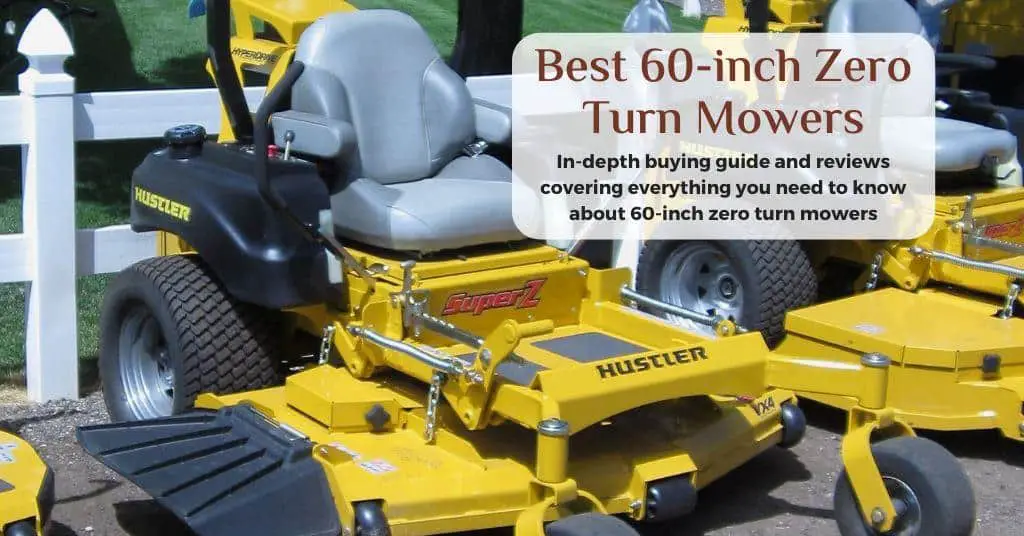
Residential or Commercial Zero-Turn: Which Do I Need?
A residential zero-turn is usually enough for a typical U.S. homeowner who mows one property each week. A commercial model may be worth considering for frequent use, large acreage, demanding conditions, or professional work.
Residential zero-turn mowers
These models often suit:
- Small and medium acreage
- Weekly or biweekly mowing
- Home storage
- Moderate annual use
- Lower purchase budgets
Commercial zero-turn mowers
These models may suit:
- Multiple properties
- Long mowing days
- Large open lawns
- Frequent transport
- Heavy annual use
- Professional landscape work
Commercial does not always mean better for a homeowner. It often means a different design target, such as longer service life under heavier use. Compare the total cost, maintenance needs, dealer support, and warranty rather than focusing only on the label.
What Size Zero-Turn Is Best for Different Yard Types?
| Yard condition | Usually suitable | Why |
|---|---|---|
| Small suburban yard with gates | 34–42 inches | Easier access and control |
| One-acre yard with trees | 42–48 inches | Better around obstacles |
| Two-acre open lawn | 48–54 inches | Good balance of speed and maneuverability |
| Three-acre open lawn | 54–60 inches | Fewer passes on broad areas |
| Large estate or field-like lawn | 60–72 inches | High productivity on open ground |
| Uneven or rough property | 42–54 inches | Easier to manage than an oversized deck |
| Frequent commercial mowing | 54–72 inches | Built for productivity and long use |
These are general planning ranges. Always verify the exact mower’s dimensions and operating limits.
Common Mistakes When Choosing a Zero-Turn Size
Buying by acreage alone
Acreage does not show the number of obstacles, gates, slopes, or narrow paths. Walk the entire property before choosing a deck.
Measuring only the deck
The mower’s total width may be several inches wider than the deck. Measure the full machine with the chute in its normal operating position.
Choosing the widest deck that fits
A mower that barely fits a gate may be difficult to use without scraping posts or damaging turf. Leave practical clearance.
Ignoring storage
A zero-turn needs room for entry, exit, maintenance, and safe parking. Measure the storage area, not only the door.
Mowing too fast
High speed can reduce cut quality and increase the chance of scalping, especially on uneven ground. Use a speed that matches the grass and terrain.
Turning sharply on soft grass
Zero-turn mowers can tear turf when one tire spins during a tight turn. Slow down, use wide turns when conditions are soft, and avoid mowing saturated ground.
Assuming a zero-turn handles every slope
A zero-turn is not a universal replacement for every mower. Follow the manual’s slope guidance and choose another method when the terrain exceeds the mower’s safe operating limits.
A Simple Way to Choose Your Mower Size
Use this five-step process:
- Measure the narrowest gate and storage door.
- List the number of trees, beds, fences, and tight areas.
- Separate open lawn from complex lawn.
- Check slopes, wet areas, and rough ground.
- Choose the widest deck that leaves useful clearance and meets the manual’s limits.
For example, imagine a 1.5-acre U.S. property with a 60-inch gate, many trees, and a sloped back lawn. A 48-inch mower may be a better fit than a 60-inch model because it provides more clearance and control. On a flat, open 1.5-acre property with a wide gate, a 54-inch deck may reduce mowing time.
The best choice is not the mower with the largest number. It is the mower that fits the property without forcing unsafe or awkward operation.
Frequently Asked Questions
Is a 42-inch zero-turn big enough for 1 acre?
A 42-inch zero-turn can mow 1 acre, especially when the lawn has trees, narrow gates, or tight sections. A 48- or 54-inch deck may finish faster on open ground, but the larger mower may be less convenient around obstacles.
Is a 54-inch zero-turn too big for a residential yard?
Not always. A 54-inch mower can work well on a large, open residential yard. It may be too large when the property has narrow gates, small lawn sections, many trees, or limited storage.
What size zero-turn mower is best for 5 acres?
For 5 acres of open, maintained lawn, a 60- to 72-inch mower may reduce mowing time. If much of the property is wooded, rough, wet, or steep, a smaller mower or a different machine may be safer and more practical.
Can I use a zero-turn mower on hills?
Some zero-turn mowers can operate on gentle slopes within the limits stated in their manuals. Do not use one on a slope simply because it feels stable. Check the exact operator’s manual, avoid wet ground, and use professional help or another mower when the terrain exceeds the stated limits.
Does a wider mower use more fuel?
A wider deck does not automatically use more fuel per acre. It may finish an open lawn sooner, but fuel use depends on engine size, mowing speed, grass load, terrain, blade condition, and operating habits. Compare the complete specifications for the exact models.
Final Recommendation
For most homeowners in the United States, start with a 48- or 54-inch zero-turn mower. Choose 42 inches when access and obstacles are the main concern. Choose 60 inches or more only when the property is open, storage is adequate, and the mower can operate safely on the terrain.
Before you buy, measure the gates, storage area, and narrow paths. Then compare the mower’s full width, deck size, engine capacity, warranty, service support, and slope instructions. A properly sized mower will save time without becoming difficult or unsafe to use.


