How Long Does A Husqvarna Automower Last: Lifespan Guide
A Husqvarna Automower typically lasts about 10 to 15 years with proper care, though the battery, charging system, sensors, and other parts may need service before the mower itself reaches the end of its useful life.
For homeowners in the United States, the most practical expectation is this:
- Mower body and drive system: about 10–15 years
- Battery: often 2–5 years, depending on use and storage
- Blades: replace or turn them regularly, often every 1–2 months during active mowing
- Charging station: may last for many years if protected from damage and water intrusion
- Boundary wire system: can last for decades if it is not cut or damaged
The exact life depends on the Automower model, lawn size, weather, mowing schedule, battery cycles, cleaning, and access to replacement parts.
Introduction
A Husqvarna Automower is built for repeated outdoor use during the mowing season. Unlike a gas mower, it works in short, frequent cycles and returns to its charging station when its battery needs power.
That design reduces the need for long, heavy mowing sessions. However, it also means that the battery and moving parts experience regular cycle wear. A well-maintained Automower may remain useful for a decade or more, while one exposed to flooding, poor drainage, lawn debris, or neglected maintenance may need major repairs much sooner.
This guide explains the expected Husqvarna Automower lifespan, the parts most likely to wear out, maintenance steps that extend service life, and the signs that repair is no longer worthwhile.

How Many Years Does a Husqvarna Automower Last?
Most Husqvarna Automower units can provide 10 to 15 years of service when they are correctly installed, maintained, and repaired when needed. This is a practical lifespan estimate, not a guarantee for every model or lawn.
Husqvarna’s own support information indicates that service life varies with factors such as operating hours, battery use, maintenance, weather, and the availability of replacement parts. A commercial model used every day on a large property may wear differently from a residential model used on a small suburban lawn.
A realistic lifespan by component
| Component | Typical service expectation | Main causes of wear |
|---|---|---|
| Main mower body | 10–15 years | Sun, moisture, impacts, plastic and seal aging |
| Drive motors | Several years to more than 10 years | Long run time, hills, dirt, worn gears |
| Cutting motor | Several years to more than 10 years | Frequent mowing, wet grass, debris |
| Lithium-ion battery | About 2–5 years | Charge cycles, heat, storage, heavy use |
| Cutting blades | Weeks to a few months | Grass, sand, sticks, stones |
| Charging station | Often many years | Weather, electrical damage, impact, corrosion |
| Boundary wire | Many years | Shovels, aerators, rodents, landscaping work |
These ranges are estimates. Husqvarna produces many Automower models, and parts differ by series and model year.
The most important point is that a worn battery does not mean the entire Automower is worn out. Battery replacement can restore useful run time if the drive motors, cutting system, electronics, and chassis remain in good condition.

Which Parts Wear Out First?
The battery and cutting blades usually need attention before the main mower body. These are normal service items, not necessarily signs of poor quality.
Battery
The battery is often the first major replacement part. Automower batteries lose capacity as they complete charge and discharge cycles. Over time, the mower may:
- Run for less time
- Return to the charging station more often
- Stop before finishing its scheduled area
- Show battery-related warnings
- Take longer to complete the lawn
Heat can speed battery aging. Leaving the mower in direct summer sun, storing it in a hot shed, or using it heavily on a large lawn can shorten battery life.
Use the exact battery type approved for your model. Some Automower batteries are designed for dealer replacement, while others may be replaceable by an owner. Check the model’s manual before opening the mower.
Blades
Small blades dull much faster than the mower’s other components. Dull blades can tear grass instead of making a clean cut. They may also increase power use and make the lawn look ragged.
Inspect the blades often during the mowing season. Replace damaged, bent, or heavily worn blades at once. Always switch the mower off before handling the cutting system, and follow the manual’s safety instructions.
Drive wheels and motors
Drive wheels collect grass, mud, and soil. Worn wheels may reduce traction, especially on slopes or damp ground. A failing drive motor can cause slow movement, unusual noise, repeated stops, or difficulty returning to the charging station.
A mower that spins in place or struggles on a slope may have more than one possible cause. Check for packed grass, worn wheels, a blocked underside, or a poor installation before assuming the motor has failed.
Charging station and electronics
The charging station is exposed to rain, lawn equipment, animals, and electrical surges. Damage to the power supply, guide wire, boundary wire, or station contacts can prevent charging even when the mower itself is healthy.
A mower that will not charge does not always need a new battery. Inspect the power connection, station indicator lights, contacts, and wire installation first.

What Factors Affect Husqvarna Automower Lifespan?
The same Automower can last very different lengths of time in different yards. The lawn and operating conditions matter as much as the model.
Lawn size and daily operating hours
A mower that works near its maximum area rating may run for many hours each day. That creates more battery cycles and more wear on the drive and cutting motors.
For longer service life, choose a model with enough capacity for the actual lawn. Do not count patios, gardens, buildings, and other areas the mower cannot reach, but do account for:
- Slopes
- Narrow passages
- Multiple lawn areas
- Frequent rain delays
- Areas with thick or fast-growing grass
A model operating close to its limit may still work correctly, but it will generally experience more use than a model with spare capacity.
Slopes and rough ground
Hills increase the load on the drive motors and battery. Uneven ground can also cause wheel slip, underbody impacts, and repeated attempts to cross difficult areas.
Follow the maximum slope rating for the specific Automower model. The limit may differ between the mower’s main lawn area and its boundary edge. Never assume that a model rated for one slope can safely handle a steeper section.
Moisture and flooding
Automower models are designed for outdoor conditions, but water resistance has limits. Heavy rain is different from standing water, flooding, or pressure washing.
To protect the mower:
- Keep the charging station on stable, well-drained ground.
- Do not leave the mower in areas that flood.
- Never use a pressure washer on the mower or station.
- Clean the underside according to the owner’s manual.
- Store the mower indoors during long periods when it will not be used.
Wet grass can also collect beneath the deck and around the wheels. This buildup adds weight and may interfere with movement.
Lawn debris
Sticks, stones, toys, wire, and thick piles of leaves can damage blades and moving parts. Before installing or using an Automower, remove objects that could enter the cutting area.
The mower is designed to cut grass, not to process branches or hard debris. A single impact may bend a blade or damage the cutting deck.
Installation quality
A poor wire layout can make the mower work harder. Sharp corners, blocked passages, weak guide-wire placement, and incorrect boundary distances may cause repeated stops or failed trips to the charging station.
Correct installation helps the mower use its battery efficiently and reduces unnecessary driving. Follow the installation instructions for the exact model rather than using a generic wire layout.

How to Make a Husqvarna Automower Last Longer
Routine care can extend the useful life of the mower and help you find small problems before they become expensive repairs.
1. Clean the mower safely
Turn the mower off before cleaning it. Remove grass from the wheels, charging contacts, and accessible areas under the deck.
Use only the cleaning method allowed by the model’s manual. Many robotic mowers should not be rinsed with a hose or sprayed with high-pressure water. Water forced past seals can damage electronics.
2. Inspect and replace blades
Check the cutting system on a regular schedule. Replace blades when they are dull, damaged, or corroded.
Use the correct screws and blade type. Loose or incorrectly fitted blades can create a safety hazard and damage the cutting deck.
3. Protect the battery
Battery life improves when the mower avoids extreme heat and unnecessary deep discharge. During long periods of non-use, follow Husqvarna’s storage instructions for charging level, temperature, and location.
For most U.S. owners, winter storage is especially important in areas with freezing temperatures, snow, and long periods without mowing. Store the mower and, when instructed by Husqvarna, the battery in a dry indoor location.
4. Keep the charging station clear
Grass, dirt, leaves, and corrosion can interfere with charging contacts. Keep the station area level and clear. Check that the power supply remains dry and that the station has not shifted.
If the mower repeatedly fails to dock, inspect the guide wire and station alignment before replacing parts.
5. Check the boundary and guide wires
A cut wire can cause loss of signal, docking problems, or an error message. Landscaping work is a common cause of wire damage.
Mark the wire location before digging, edging, aerating, or installing new plants. If the wire is cut, use a proper outdoor-rated connector approved for the system.
6. Install software updates when appropriate
Connected Automower models may receive software updates through a dealer, app, or other approved method, depending on the model. Updates can address documented functions or compatibility issues, but they cannot repair worn physical parts.
Use Husqvarna’s official instructions for the mower’s model and communication system.

How Do You Know When an Automower Needs Repair?
Repair is usually worth considering when the mower has a healthy chassis and the problem is limited to a replaceable part.
Common repairable symptoms include:
| Symptom | Possible causes | First checks |
|---|---|---|
| Short run time | Aging battery, heavy grass, steep slope | Battery age, mowing schedule, grass height |
| Will not charge | Dirty contacts, station power issue, battery fault | Power supply, contacts, station lights |
| Stops in the lawn | Boundary signal issue, blocked mower, sensor fault | Wire, wheels, underside, error message |
| Poor cut quality | Dull blades, damaged blades, wet grass | Blade condition and mowing height |
| Spins or slips | Worn wheels, mud, steep slope | Wheel tread, debris, slope |
| Loud or unusual noise | Debris, loose blade, motor or gear wear | Turn off mower and inspect safely |
| Repeated docking failure | Guide wire, station position, obstruction | Guide wire and station alignment |
A dealer or qualified service technician should inspect electrical faults, motor problems, water damage, and internal battery issues. Do not bypass safety switches, modify wiring in an unsafe way, or install unapproved electrical parts.
Repair versus replacement
Repair often makes sense when:
- The mower is less than 10 years old.
- The chassis is intact.
- Replacement parts are available.
- The fault is limited to the battery, blades, wheels, wire, or charging station.
- The repair cost is clearly lower than a comparable replacement.
Replacement may make more sense when:
- Several major systems are failing at once.
- The model no longer supports needed parts or software.
- Water or corrosion has damaged the main electronics.
- The mower cannot meet the lawn’s current size or slope requirements.
- Repair costs approach the price of a new mower with a current warranty.
Compare the repair estimate with the cost of a similar-capacity model, not simply the cheapest new Automower.

Does a Husqvarna Automower Need Winter Storage?
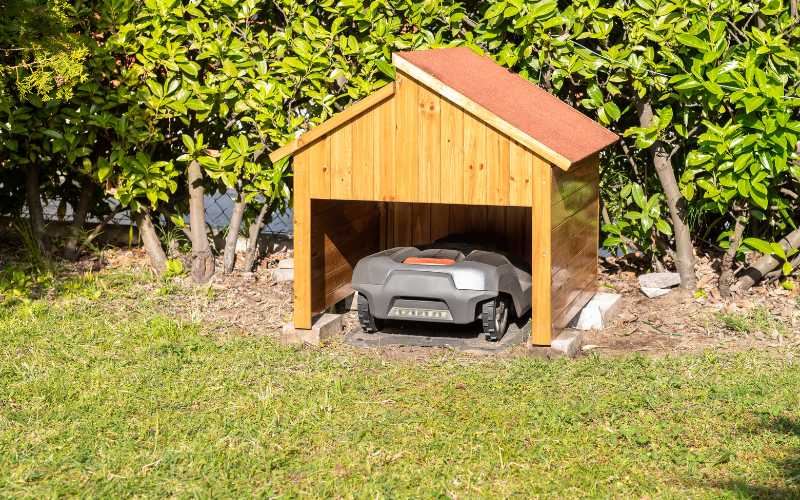
In much of the United States, yes. Winter storage is strongly recommended in regions with freezing weather, snow, and long periods when the lawn is not growing.
Before storage:
- Clean and dry the mower.
- Inspect the blades and replace them if needed.
- Charge the battery according to the model manual.
- Turn the mower off.
- Store the mower indoors in a dry, frost-free location.
- Protect the charging station and power supply as directed.
- Check the boundary installation before spring startup.
Do not leave the mower outside under snow or in standing water. Freezing temperatures, moisture, and inactive battery storage can reduce reliability.
The correct procedure depends on the model. Check the owner’s manual or Husqvarna support page for the exact storage instructions.
How Much Does It Cost to Maintain a Husqvarna Automower?
Maintenance cost varies by model and whether the owner performs basic care. Blades and occasional connectors are usually low-cost items. Batteries, drive motors, circuit boards, and charging equipment can cost much more.
A useful ownership budget should include:
- Replacement blades
- Battery replacement every few years
- Cleaning and winter storage
- Wire connectors or repair tools
- Dealer diagnosis or annual service, if used
- Possible charging station or power supply replacement
Husqvarna warranty coverage, service terms, and parts availability can vary by model, seller, and country. In the United States, check the warranty documents supplied with the mower and the current Husqvarna support information before assuming a repair is covered.

Key Takeaways
- A Husqvarna Automower commonly lasts 10 to 15 years with proper care.
- The battery usually needs replacement before the mower body.
- Blades are routine wear parts and may need frequent replacement.
- Heat, flooding, steep slopes, debris, and excessive operating hours shorten service life.
- Winter storage can protect the mower in cold U.S. climates.
- A charging or battery problem does not automatically mean the entire mower needs replacement.
- Use the exact owner’s manual for your model before servicing, storing, or opening the mower.
Frequently Asked Questions
Can a Husqvarna Automower last 20 years?
It is possible for some units to remain usable for 20 years, but that is beyond the common 10–15-year expectation. Reaching that age usually requires battery replacements, repairs, careful storage, and continued access to compatible parts.
How often should an Automower battery be replaced?
Many batteries last about 2–5 years, but heavy use, high temperatures, and frequent charging can shorten that period. Replace the battery when run time drops sharply or the mower can no longer complete its normal schedule.
Is it worth replacing the battery in an old Automower?
Usually, battery replacement is worth considering if the mower is otherwise reliable and parts remain available. Ask for a repair estimate if the mower also has motor, electronics, water, or chassis damage.
Can an Automower stay outside in winter?
It should not remain outside in snow, freezing conditions, or standing water. Follow the model’s winter-storage instructions and keep the mower in a dry, frost-free indoor space when it is not being used.
How often should Automower blades be changed?
The correct interval depends on grass growth, lawn size, soil, and debris. Inspect the blades regularly and replace them when they are dull, bent, damaged, or rusty. A clean cut matters more than following a fixed calendar date.
Where can I find the exact lifespan information for my model?
Use the model number on the mower or its documentation, then check the official Husqvarna U.S. owner’s manual and support pages. Model-specific instructions take priority over general lifespan estimates.
Conclusion
A Husqvarna Automower is a long-term lawn tool, not a disposable seasonal device. With proper installation, clean cutting parts, protected winter storage, and timely battery replacement, many units can provide around a decade or more of service.
The best way to extend its life is to treat small maintenance tasks as part of normal ownership. Keep the mower dry, remove debris, inspect the wires, protect the battery, and investigate new error messages early. When a major repair is needed, compare the repair cost, parts availability, lawn requirements, and remaining service life before deciding between repair and replacement.