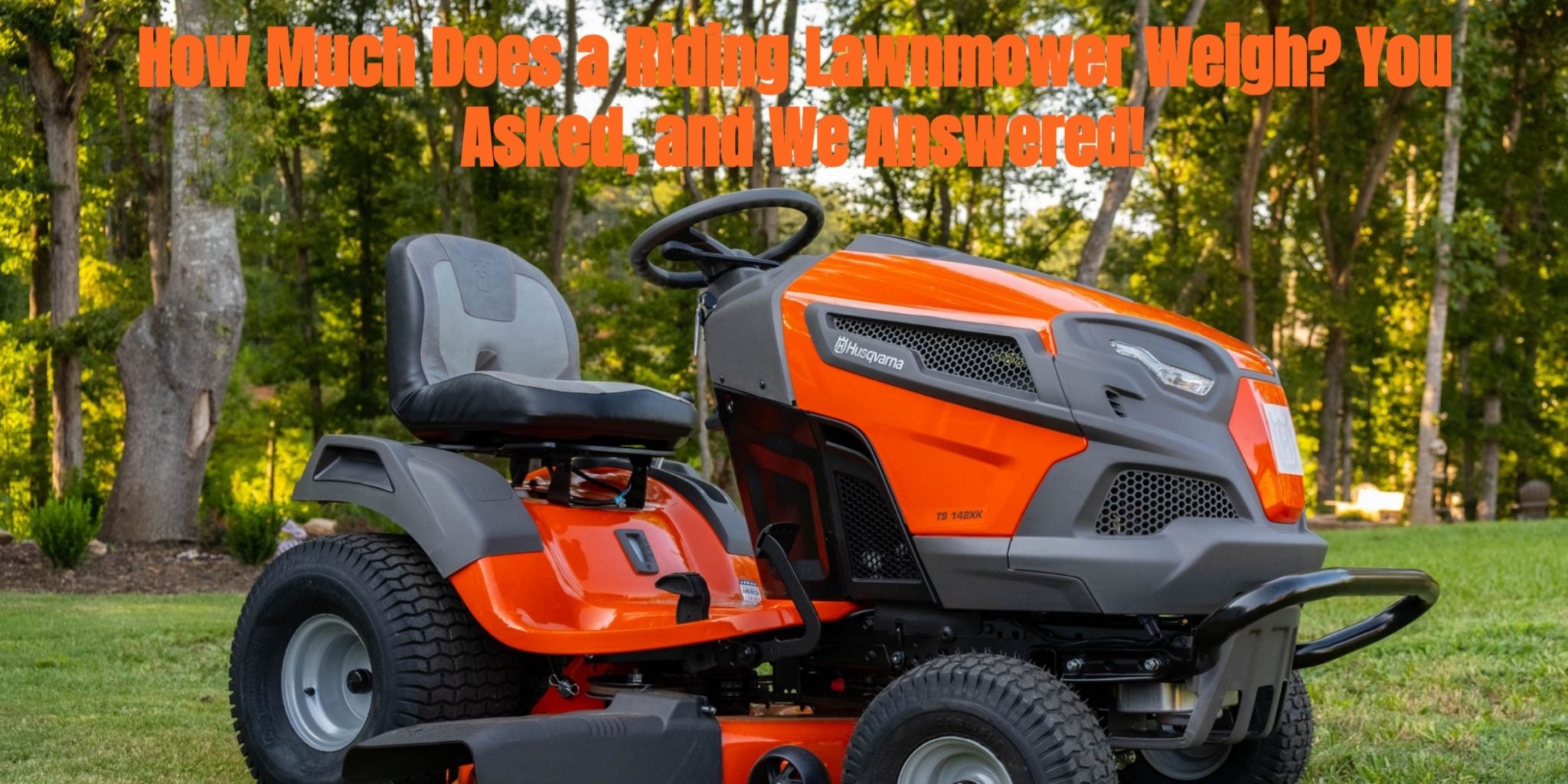
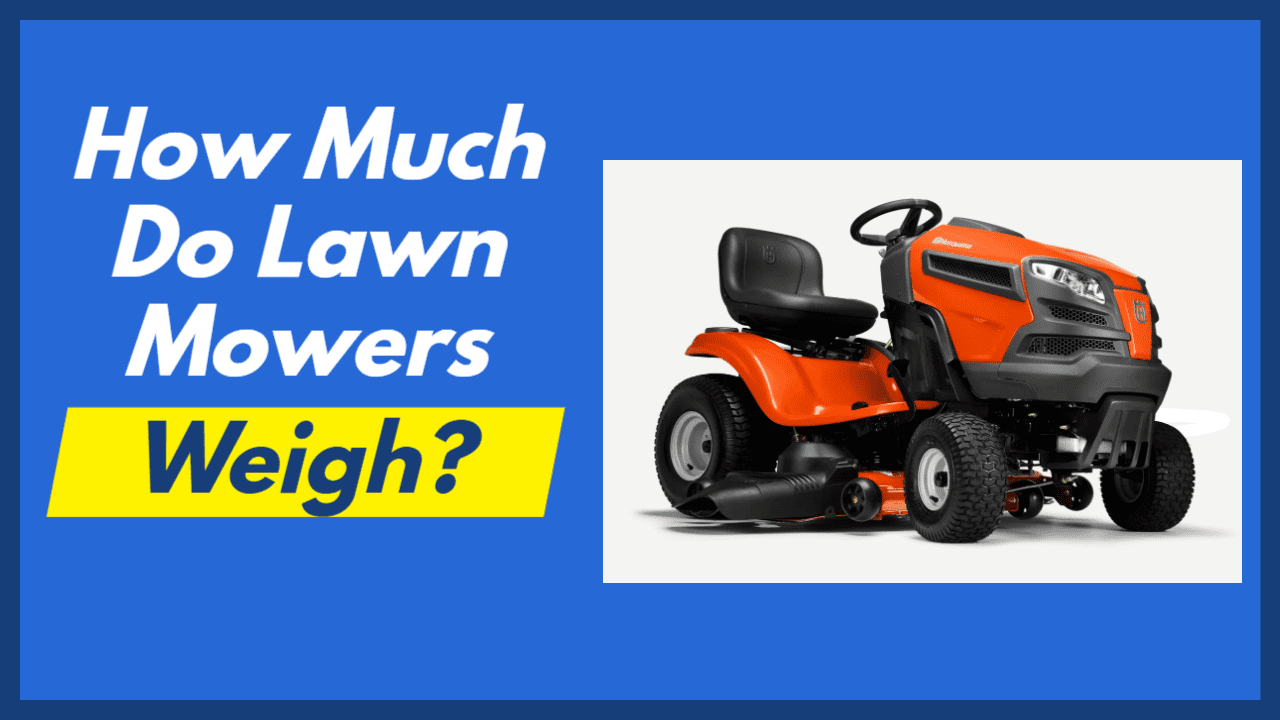
A typical riding mower weighs between 300 and 900 pounds, with most residential lawn tractors averaging about 400 to 600 pounds. Larger garden tractors and commercial zero-turn mowers can weigh 1,000 pounds or more.
In the United States, homeowners commonly use riding mowers for maintaining suburban lawns, large properties, and rural acreage. Knowing the weight of a riding mower matters when choosing a trailer, loading equipment, storage space, or determining whether a vehicle can safely transport it.
A riding mower’s weight depends on its design, engine size, cutting deck width, transmission type, fuel capacity, and whether it is built for residential or commercial use. A small lawn tractor may be manageable for a homeowner, while a heavy-duty zero-turn mower may require specialized loading equipment.
Average Weight of Different Types of Riding Mowers
Riding mower weight varies significantly by category. A compact lawn tractor designed for small residential yards will usually weigh much less than a commercial zero-turn mower designed for daily professional landscaping.
The following ranges represent common approximate weights for riding mower categories. Actual weights vary by manufacturer, model year, attachments, fuel level, and optional equipment.
Source: peakyard.com
Lawn tractors
Most residential lawn tractors weigh about 400 to 600 pounds. They are designed for homeowners who need a comfortable mower for medium and large lawns.
Garden tractors
Garden tractors often weigh 600 to 1,000 pounds because they use stronger frames and heavier components for demanding tasks.
Zero-turn mowers
Residential zero-turn mowers commonly weigh 500 to 800 pounds, while commercial models can exceed 1,000 pounds.
Rear-engine riding mowers
Compact rear-engine models may weigh around 300 to 500 pounds, making them easier to store and transport.
Typical Riding Mower Weight Chart
A weight chart helps compare mower categories before buying equipment or planning transportation.
Approximately 300 to 450 pounds. Suitable for smaller residential lawns.
Standard lawn tractor
Approximately 400 to 600 pounds. Common for suburban properties.
Heavy-duty garden tractor
Approximately 600 to 1,000 pounds. Built for larger properties and attachments.
Commercial zero-turn mower
Approximately 800 to 1,300 pounds or more. Designed for frequent professional use.
What Factors Determine a Riding Mower’s Weight?
Several design choices affect how much a riding mower weighs. Manufacturers increase weight when they add stronger components, larger engines, or features designed for durability.
Understanding these factors helps explain why two riding mowers with similar cutting widths may have very different weights.
Source: craftygardenmama.com
Engine size
Larger engines usually require heavier frames, cooling systems, and supporting components, increasing total mower weight.
Cutting deck size
A wider steel cutting deck adds weight but allows the mower to cover more lawn area with each pass.
Transmission type
Hydrostatic and heavy-duty transmissions can add weight compared with simpler mechanical systems.
Fuel and accessories
Fuel, grass collectors, snow attachments, and other accessories can significantly increase operating weight.
A heavier mower may offer a stronger frame and improved stability, but extra weight can make transportation harder and may increase soil compaction on soft lawns.
Advantage
Heavier machines often provide better durability and stability for demanding mowing conditions.
Limitation
Heavy equipment requires stronger ramps, trailers, and storage solutions.
How to Find the Exact Weight of Your Riding Mower
The most accurate way to find a mower’s weight is to check the manufacturer’s specifications for the exact model number. Product manuals, specification sheets, and official product pages usually list dry weight or shipping weight.
If the specification is unavailable, the mower’s model information can help identify the closest documented weight range.
Source: outdoorhelpr.com
Check the owner’s manual
Manufacturers often include equipment specifications, including weight, in the manual.
Look for the model number
The model number allows you to locate accurate specifications instead of estimating from appearance.
Consider operating weight
Fuel, oil, attachments, and accessories may make the mower heavier than the listed dry weight.
Dry Weight vs Operating Weight
Dry weight usually refers to the mower without fuel or optional attachments. Operating weight includes fluids, fuel, and equipment installed during normal use.
Dry weight
Useful for comparing basic mower designs.
Operating weight
More useful when planning transportation or lifting requirements.
How Riding Mower Weight Affects Transportation and Storage
A riding mower’s weight determines what type of trailer, ramp, and storage setup is appropriate. Moving a mower that weighs several hundred pounds requires planning to prevent equipment damage or injury.
Before loading a mower, confirm that ramps, trailers, and lifting equipment are rated above the mower’s actual weight.
Source: greenwashingindex.com
Trailer capacity
Choose a trailer with a weight rating higher than the mower and any additional cargo.
Ramp strength
Use ramps designed for heavy equipment and secure them properly before loading.
Storage surface
A heavy mower should be stored on a stable surface that can support its weight.
Many transportation problems happen because people estimate mower weight instead of checking specifications.
Using undersized ramps
Ramps that cannot support the mower weight can bend, fail, or create a dangerous loading situation.
Ignoring attachments
Baggers, snow blades, and other accessories add extra weight.
Safety Considerations When Moving a Heavy Riding Mower
Moving a riding mower requires attention to weight, balance, and secure handling. Avoid attempting unsafe lifting methods because even smaller riding mowers can weigh several hundred pounds.
Use appropriate equipment and follow the manufacturer’s transportation recommendations whenever possible.
Source: www.pinterest.com
Avoid manual lifting
Most riding mowers are too heavy for safe lifting by one or two people.
Secure the mower
Use proper tie-down methods when transporting the mower on a trailer.
Check terrain
Heavy mowers can be difficult to control on slopes, wet surfaces, or uneven ground.
Frequently Asked Questions
Q
How much does a small riding mower weigh?
Small riding mowers typically weigh about 300 to 450 pounds. Compact rear-engine models are usually among the lightest riding options.
Q
How much does a zero-turn mower weigh?
A residential zero-turn mower often weighs around 500 to 800 pounds, while larger commercial zero-turn models may exceed 1,000 pounds.
Q
Does fuel add much weight to a riding mower?
Yes. Gasoline weighs about 6 pounds per gallon, so a full fuel tank can add noticeable weight to the mower’s operating weight.
Q
Can a pickup truck carry a riding mower?
Some pickup trucks can carry smaller riding mowers, but the vehicle’s payload rating, ramp capacity, and secure loading method must be checked before transport.
Q
Why are commercial riding mowers heavier?
Commercial mowers are often heavier because they use reinforced frames, larger engines, stronger transmissions, and wider cutting decks designed for frequent use.
✦ Wrapping Up
Conclusion
Most riding mowers weigh between 300 and 900 pounds, but the exact weight depends on the mower category, engine, deck size, and construction. Residential lawn tractors are generally lighter, while garden tractors and commercial zero-turn mowers are much heavier.
Knowing the correct mower weight helps with buying decisions, transportation planning, storage, and safe handling. Always verify the exact model specifications before moving or loading a riding mower.
💡 Key Takeaway
Check your mower’s model number and manufacturer’s specifications before choosing a trailer, ramp, or storage solution.
If your lawn mower will start but not run, you’re not alone. It’s one of those annoying problems that can make you want to give up mowing altogether. You pull the cord, it sputters to life, and just as you think it’s ready to roll—it dies within seconds. Frustrating, right? The good news is that…
Keeping your lawn perfectly trimmed isn’t just about owning a good mower—it’s about keeping its blades sharp, balanced, and reliable. Over time, even the best lawn mower blades wear down, leaving your grass uneven and frayed. That’s when replacement becomes essential. But before you rush to buy new ones, understanding the lawn mower blade replacement…