How Much Gas Does A Lawn Mower Hold: Fuel Tank Size
A lawn mower can hold anywhere from about 0.25 to 5 gallons of gasoline, depending on its size and design. Most gas push mowers have a tank that holds 0.3 to 0.6 gallon. Self-propelled models often hold 0.3 to 0.75 gallon. Riding mowers commonly hold 1.5 to 3 gallons, while larger zero-turn mowers may hold 3 to 5 gallons or more.
Tank size is only part of the answer. Your mowing speed, blade width, grass height, hills, wet conditions, engine size, and fuel age all affect how long that fuel lasts. A small push mower may cut a typical quarter-acre lawn on one tank, while a large riding mower may cover several acres before refueling.
Quick answer: How much gas does a lawn mower hold?
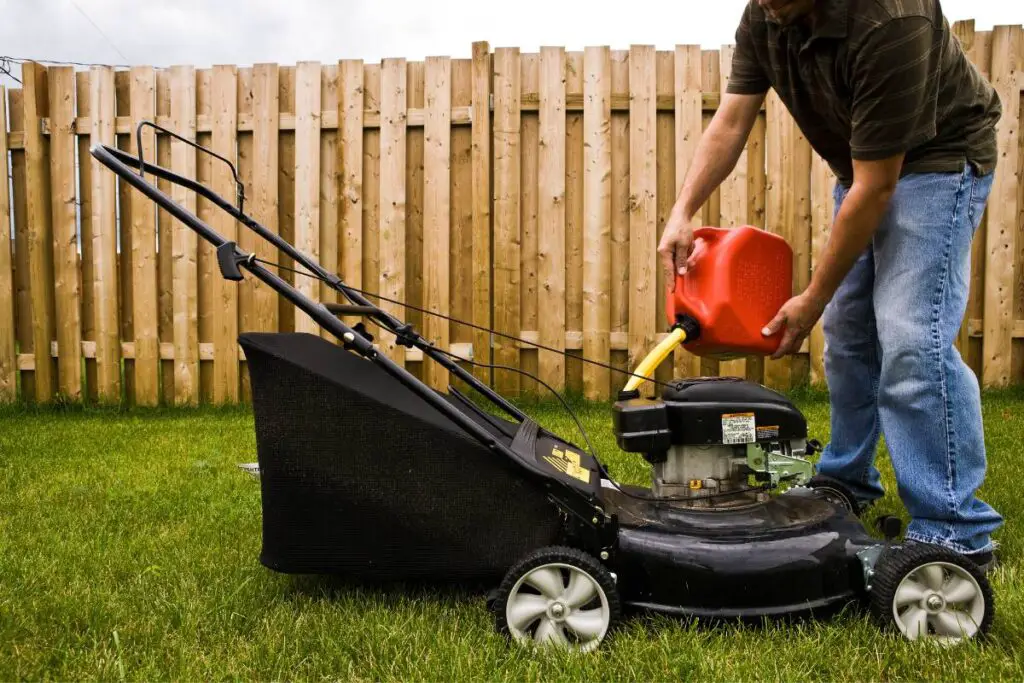
Most walk-behind gas lawn mowers hold 0.3 to 0.6 gallon of fuel. Small compact mowers may hold only 0.25 gallon, while larger self-propelled mowers may hold close to 0.75 gallon. Riding mowers usually hold 1.5 to 3 gallons, and zero-turn mowers often hold 3 to 5 gallons. Check the owner’s manual or the tank label for the exact capacity.
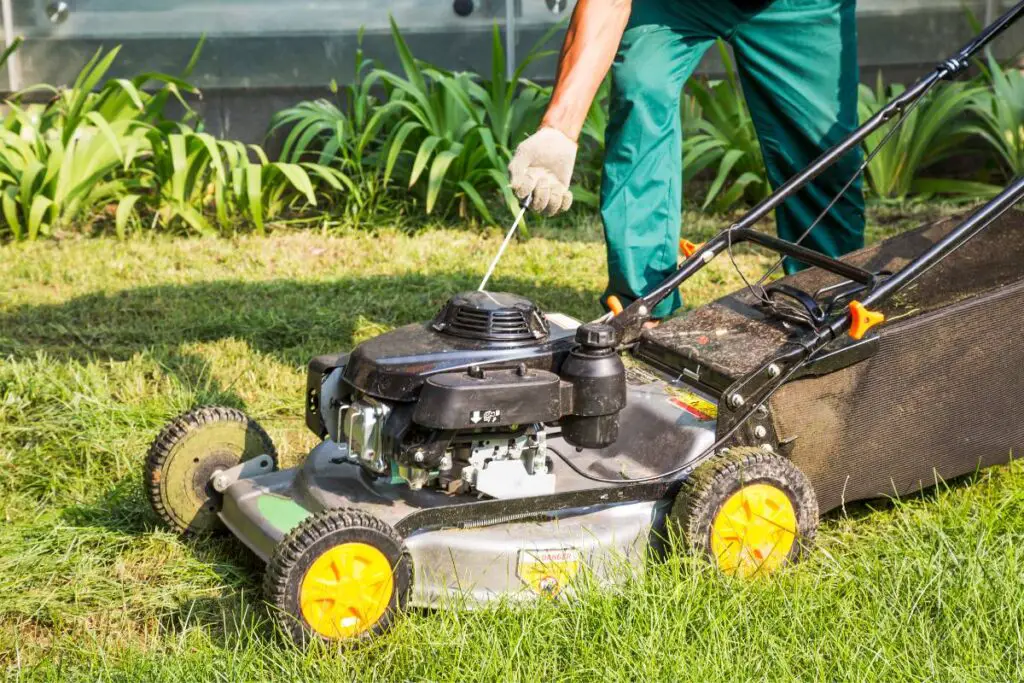
The best way to know your mower’s fuel capacity is to check the manual, model label, or manufacturer’s product page. Do not guess by filling the tank until gasoline reaches the cap. Most manuals tell you to leave space for fuel expansion.
A tank that holds 0.5 gallon does not mean the mower uses exactly 0.5 gallon per mowing job. Fuel use changes with engine size and workload. Tall damp grass, thick turfgrass, hills, a dull blade, and frequent stops can all increase fuel use.
Typical gas capacity by mower type
Mower design gives you the best first estimate of fuel capacity. A compact push mower needs a small tank because it has a small engine and is made for smaller yards. A riding mower needs more fuel because it covers more ground and carries a larger engine.
| Mower type | Typical gas capacity | Yard and user fit |
|---|---|---|
| Compact push mower | 0.25–0.4 gallon | Small, mostly flat yards; new homeowners and renters |
| Standard push mower | 0.3–0.6 gallon | Small to medium yards; DIY users on a budget |
| Self-propelled mower | 0.4–0.75 gallon | Medium yards, slopes, or users who want less pushing |
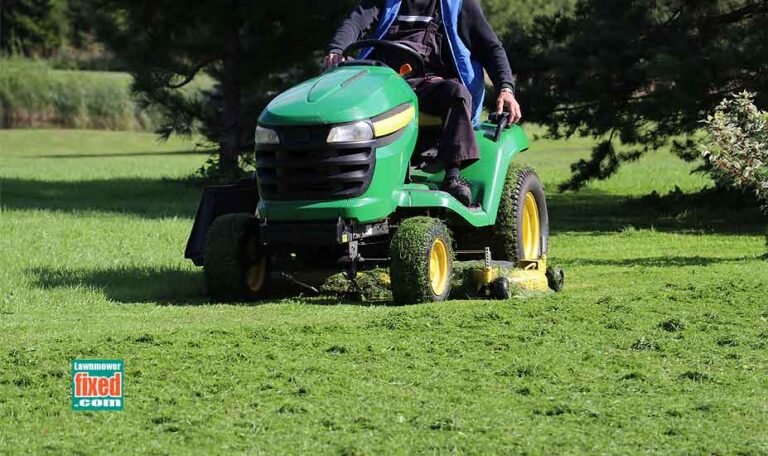
| Riding lawn mower | 1.5–3 gallons | Larger lots; users who want a seated mowing position |
| Lawn tractor | 2–4 gallons | Large lawns and light towing work |
| Zero-turn mower | 3–5 gallons or more | Large open yards and experienced operators |
| Commercial walk-behind mower | 1–2 gallons | Large properties and frequent professional use |
A compact mower with a 0.3-gallon tank suits a small yard with narrow gates and limited storage. A zero-turn mower with a 5-gallon tank suits a large, open property, but it may be too wide and powerful for a typical suburban lot.
A larger tank can reduce refueling stops. It also adds weight, fuel cost, and storage concerns. For a senior or gift recipient, a small battery mower may be easier to handle than a heavy gas mower with a full tank.
How much gas does a push mower hold?
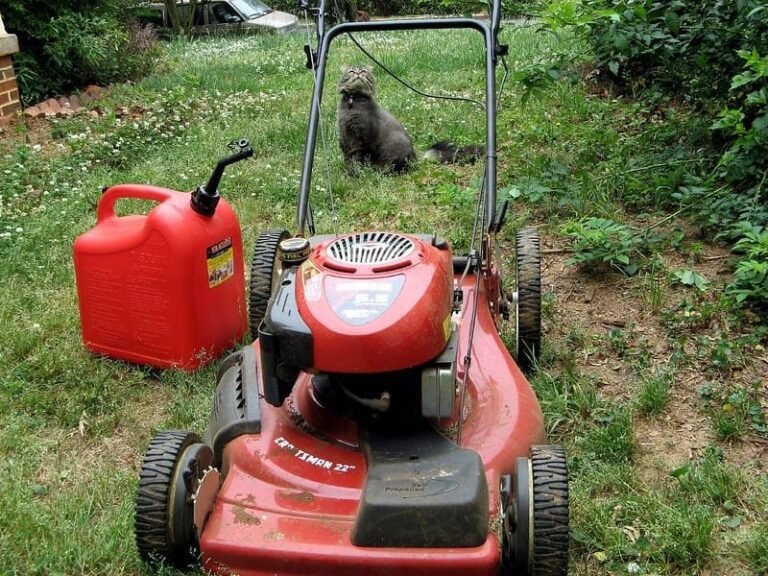
Most gas push mowers hold about 0.3 to 0.6 gallon. A very small 18- or 20-inch push mower may hold around 0.25 to 0.4 gallon. A wider 21- or 22-inch mower with a 160cc to 190cc engine may hold about 0.4 to 0.6 gallon.
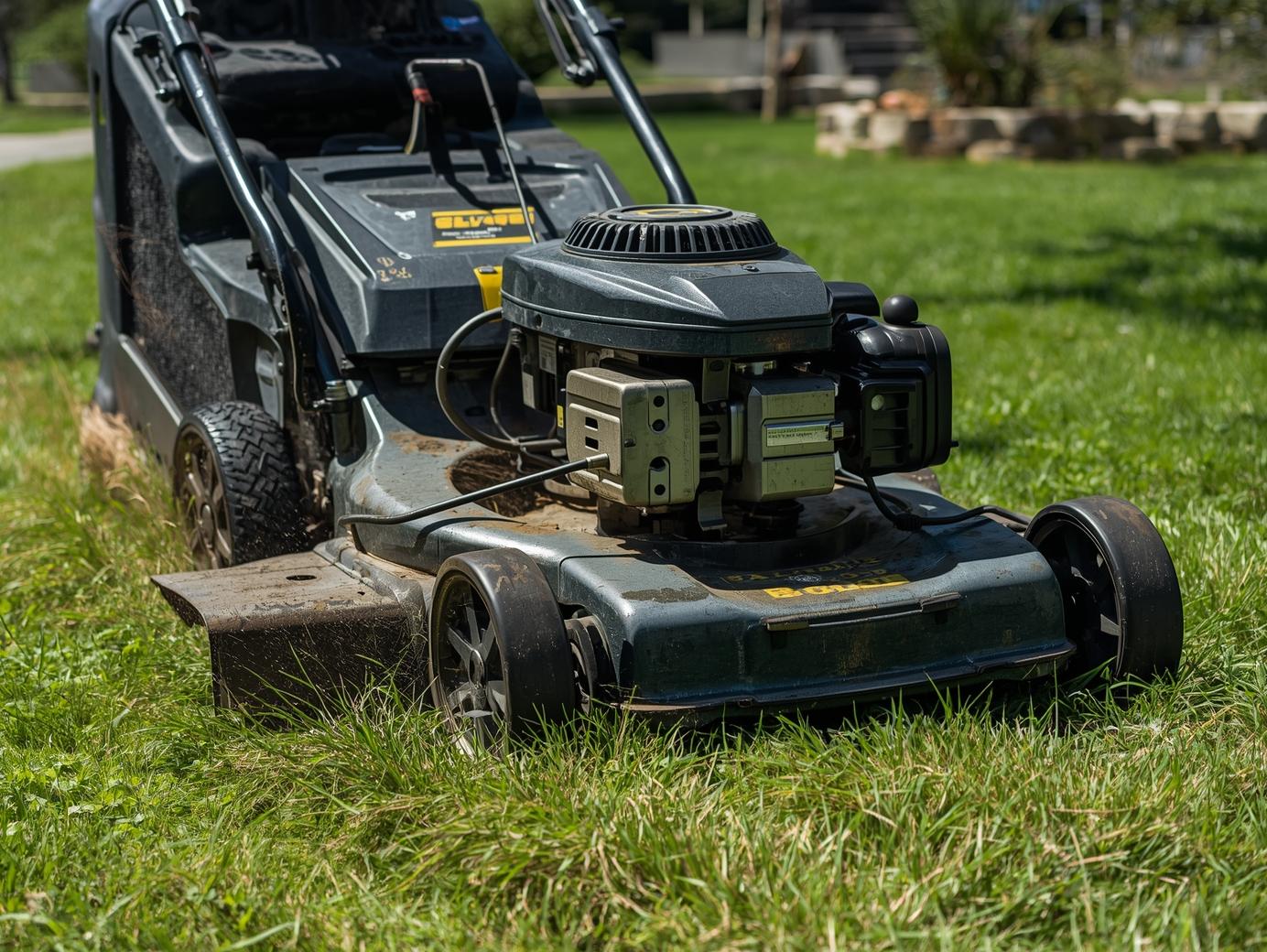
A push mower has no drive system moving the wheels. You supply the walking force. Because the engine does not power the wheels, it may use less fuel than a self-propelled mower with the same cutting width.
Still, push mowers vary. A mower with a 21-inch deck and a 190cc engine may use more fuel in thick grass than a compact 18-inch mower with a smaller engine. “Deck” means the housing over the blade. A wider deck covers more grass per pass but may require more engine power.
Push mower tank size and yard size
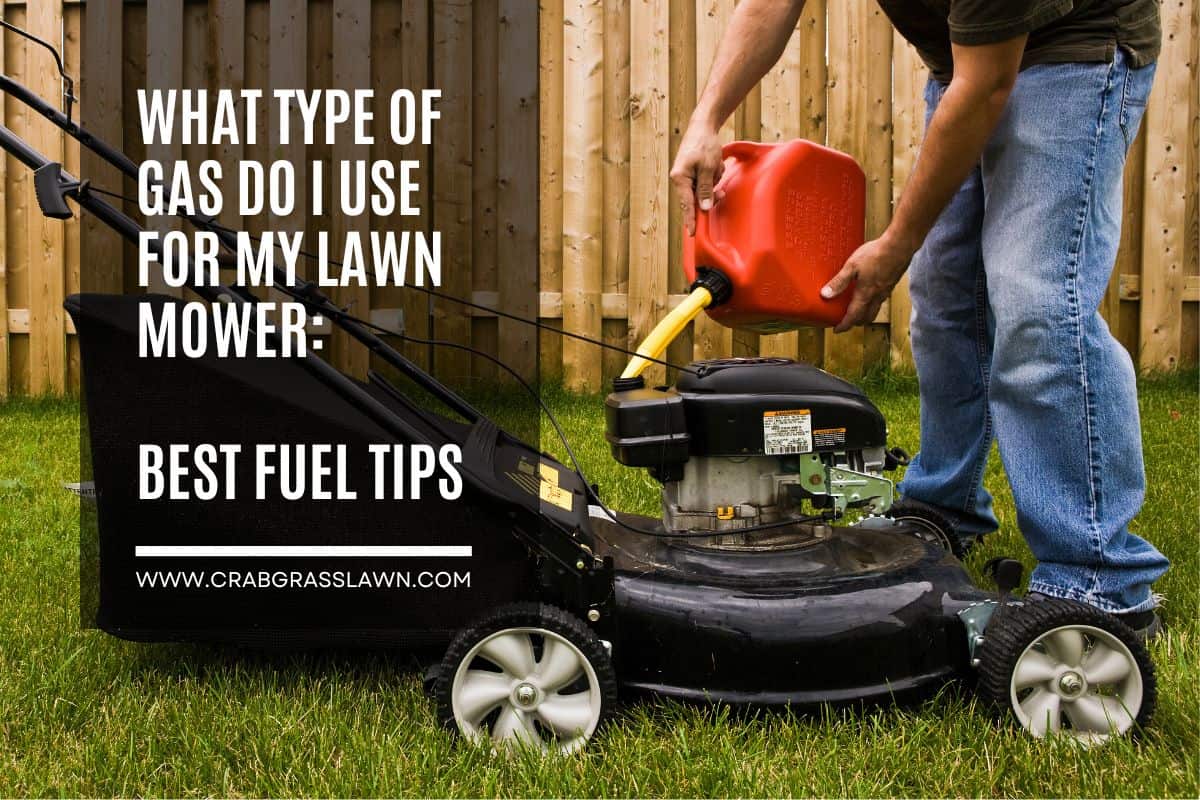
A push mower with a 0.4-gallon tank often suits a small or medium yard. The exact area depends on the number of obstacles, the mowing pattern, and the speed at which you walk.
| Yard size | Gas push mower fit | What to expect |
|---|---|---|
| Under ⅛ acre | Compact push mower | Small tank may be enough for several cuts |
| ⅛ to ¼ acre | Standard push mower | One tank often covers a mowing session |
| ¼ to ½ acre | Wide push or self-propelled mower | Refueling may be needed in thick grass |
| Over ½ acre | Self-propelled or riding mower | A riding model may save time and effort |
These are planning ranges, not promises. A fenced yard with trees and garden beds takes longer than a clear rectangle of turf. A narrow gate may also rule out a riding mower, even when the lot is large enough for one.
How much gas does a self-propelled mower hold?
A self-propelled gas mower usually holds 0.4 to 0.75 gallon. The drive system turns the wheels, so you do not need to push the mower across the yard. This can help on slopes, thick grass, and larger lawns.

The tradeoff is higher fuel use and added maintenance. A self-propelled mower has drive cables, gears, belts, or a transmission that can wear. Its engine must power both the blade and the wheels.
Self-propelled does not mean the mower climbs every hill with ease. Steep slopes still need careful handling. Never mow across a slope if the manual warns against it, and never mow wet grass on a slope.
Is a self-propelled mower worth it?
A self-propelled mower may be worth the extra cost for a medium yard, a hilly lawn, or a person who finds pushing tiring. It may not be worth it for a small, flat yard where a basic push mower is easy to move.
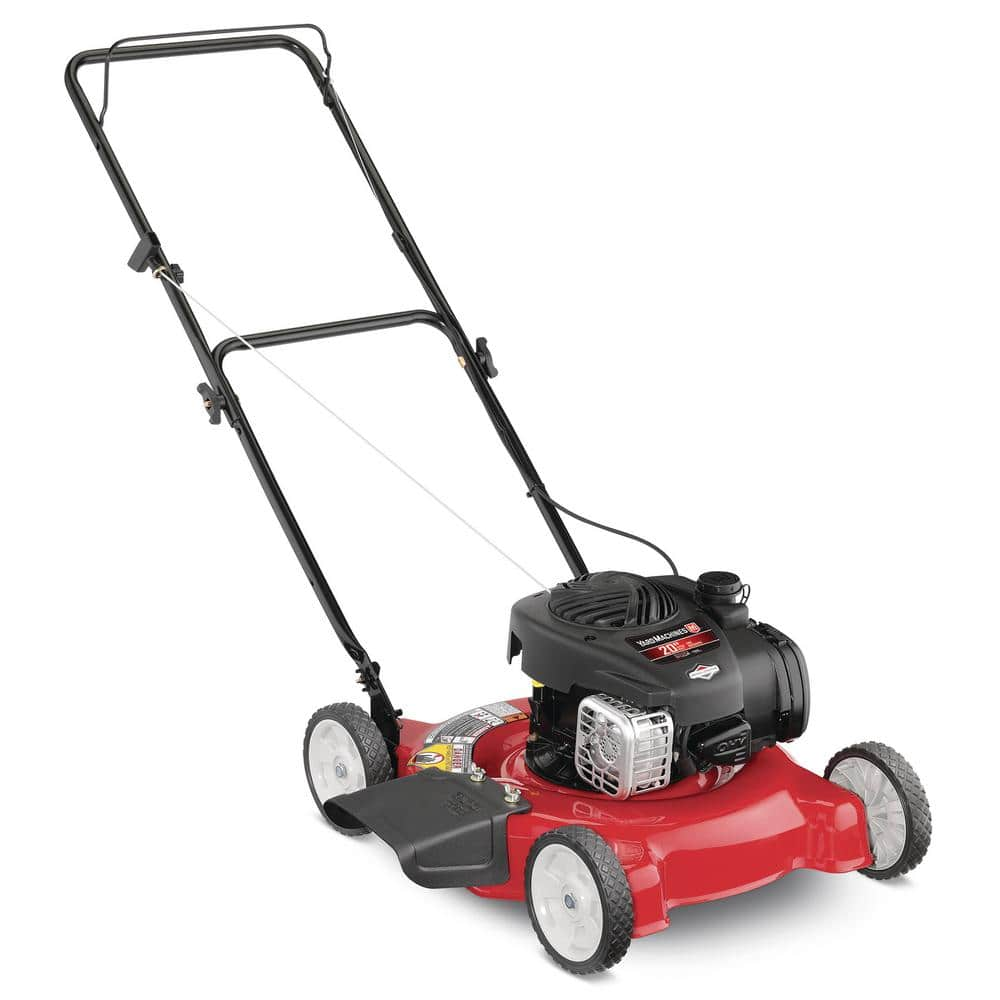
For seniors or people with limited strength, a self-propelled mower can reduce effort. However, the drive speed should match the user’s walking pace. Some models move too fast for tight spaces or small yards.
For a gift buyer, ask about the recipient’s yard before buying. A lighter battery mower may be a better gift for a small, flat yard, while a self-propelled gas mower may suit a larger yard with thick turf.
How much gas does a riding mower hold?
Most riding lawn mowers hold 1.5 to 3 gallons of gasoline. Lawn tractors with larger frames or engines may hold 2 to 4 gallons. The fuel tank may sit under the hood, beneath the seat, or near the rear fender.

Riding mower fuel capacity matters more when the property is large. A 2-gallon tank may cover a typical suburban lot several times. A 3- or 4-gallon tank is more useful for acreage, open fields, or mowing jobs that take more than an hour.
A riding mower is not always a good choice for a larger city lot. Check the mower’s cutting width, turning radius, gate width, shed door, and storage space. A 42-inch deck may not fit through a narrow gate, while a 46-inch or 54-inch deck may be excessive for a yard with many trees.
Lawn tractor versus zero-turn fuel tanks
A lawn tractor uses a steering wheel and is often easier for new operators to understand. A zero-turn mower uses two control levers and can turn within a very small space. That makes it fast around open yards but less intuitive for beginners.
| Feature | Lawn tractor | Zero-turn mower |
|---|---|---|
| Typical tank | 2–4 gallons | 3–5 gallons or more |
| Steering | Wheel | Two lap bars or levers |
| Best setting | Mixed yards with some obstacles | Large, open yards |
| Learning curve | Lower for most beginners | Higher for first-time users |
| Main drawback | Wider turning path | More complex controls and higher cost |
A lawn tractor suits a homeowner who wants a familiar driving feel and occasional towing. A zero-turn mower suits an experienced user with a large, mostly open lawn and enough storage room.
Neither type should be treated like a toy. Read the manual, practice at low speed, and learn how the mower behaves near slopes, ditches, trees, and retaining walls.
How long does a tank of gas last?
A tank of gas may last 30 minutes to several hours, depending on the mower. A small push mower may use roughly 0.2 to 0.4 gallon per hour under normal mowing conditions. Larger riding and zero-turn mowers may use 1 to 2 gallons per hour, or more under heavy load.
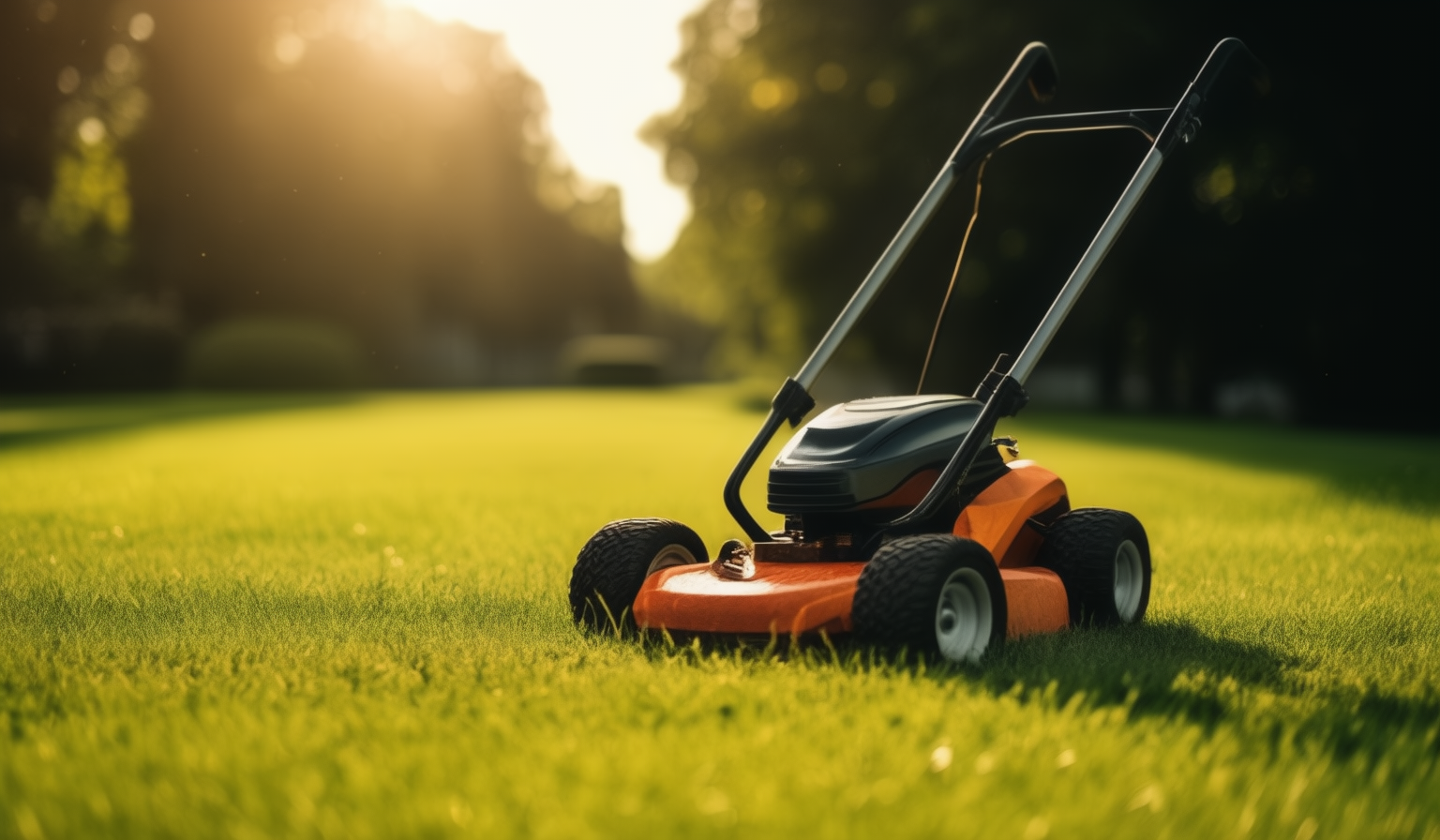
These are broad estimates. Engine displacement, or cc, describes the engine’s size. A 160cc engine generally uses less fuel than a 223cc engine, but workload matters just as much.
| Mower size | Approximate fuel use | Factors that raise use |
|---|---|---|
| Small walk-behind | 0.2–0.4 gal/hour | Tall grass, dull blade, heavy bag |
| Large walk-behind | 0.3–0.6 gal/hour | Thick turf, wet grass, high speed |
| Riding mower | 0.5–1.5 gal/hour | Large deck, hills, heavy grass |
| Zero-turn mower | 1–2+ gal/hour | High engine load, fast mowing, rough ground |
Use these figures for planning only. A manufacturer’s fuel-use information is more reliable for a specific model. If you need an exact estimate, fill the tank to the manual’s stated level, mow normally, and measure the fuel used afterward.
What affects mower fuel use?
The main fuel-use factors are:
- Grass height
- Grass moisture
- Mowing speed
- Blade sharpness
- Cutting height
- Engine size
- Deck width
- Slope and rough ground
- Bagging versus mulching
- Air filter condition
- Tire pressure on riding mowers
Bagging can increase engine load because the mower must move clippings into the grass catcher. Mulching cuts clippings into smaller pieces and returns them to the lawn. Side discharge often places less demand on the mower when grass is high, but it may leave a less tidy finish.
💡 Pro Tip: Mow often enough that you remove no more than about one-third of the grass blade at a time. This can reduce engine strain and is also kinder to the turfgrass.
How much fuel does a mower use per acre?
Fuel use per acre varies widely. A walk-behind mower may use several gallons to cover an acre because the operator overlaps passes and works around obstacles. A riding mower with a wide deck may use roughly 1 to 2 gallons per acre in open, level conditions, but the real number can be higher.

A standard acre contains 43,560 square feet. Few home yards are shaped like a clean square, so mowing time is not based on acreage alone. Trees, play sets, fences, flower beds, and slopes reduce practical mowing efficiency.
The mower’s cutting width also matters. A 21-inch mower takes more passes than a 42-inch riding mower. Yet a large mower may not save time in a small yard because it cannot fit through gates or turn around tight garden beds.
Fuel use by cutting width
Cutting width tells you how much grass the blade covers in one pass. It does not tell you the full mowing time, but it helps compare mower classes.

| Cutting width | Common mower type | Suitable setting |
|---|---|---|
| 16–21 inches | Push or self-propelled | Small yards and narrow gates |
| 30–42 inches | Rear-engine rider or lawn tractor | Medium to large residential yards |
| 42–54 inches | Lawn tractor or zero-turn | Large open yards |
| 54–72 inches | Commercial zero-turn | Large properties and paid work |
A wider deck can cut more grass per pass. It also needs more room and may struggle in tight areas. Measure gates and storage doors before buying.
How to check your lawn mower’s gas capacity
The safest method is to read the owner’s manual. Look for “fuel tank capacity,” “fuel capacity,” or “gas tank volume.” The model number on the mower frame can help you find the correct manual.

If the manual is missing, check the manufacturer’s product page or contact an authorized dealer. Do not rely only on the engine brand. The same engine may be installed on mowers with different fuel tanks.
A safe measuring method
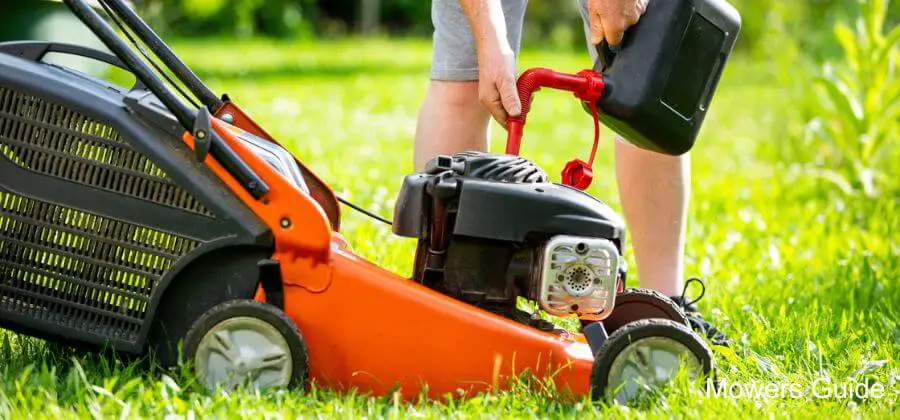
You can estimate capacity with a clean fuel container, but use care. Work outdoors, keep all flames and sparks away, and let the engine cool first.
- Park the mower on level ground.
- Turn off the engine and let it cool.
- Clean dirt from the fuel cap.
- Read the manual’s filling instructions.
- Add fresh fuel from a labeled container.
- Stop at the fill line or the level stated in the manual.
- Record the amount added.
Do not run an experiment with an unknown fuel container. Use an approved gasoline can with a secure cap. Never smoke while handling fuel.
⚠️ Safety Warning: Never refuel a hot engine. Gasoline vapor can ignite. Wear closed-toe shoes, keep children and pets away, and follow the owner’s manual.
Should you fill a mower gas tank all the way?
You should fill the tank only to the level stated in the manual. Many manufacturers say to leave room below the filler neck for expansion. Filling to the very top can cause fuel to spill when the mower warms or moves.

Do not use a fuel gauge as proof that the tank is full unless the mower has a marked gauge. On many push mowers, the safest guide is the molded fill line or the manual.
Wipe up spills at once. Gasoline can damage paint, rubber, grass, and some plastic parts. Do not start the engine until spilled fuel has evaporated.
What gas should go in a lawn mower?
Most modern four-stroke gas mowers use fresh unleaded gasoline with the octane grade listed in the manual. Many small-engine makers allow gasoline with up to 10% ethanol, often called E10. Do not use E15 or fuel with more ethanol unless the manual specifically approves it.
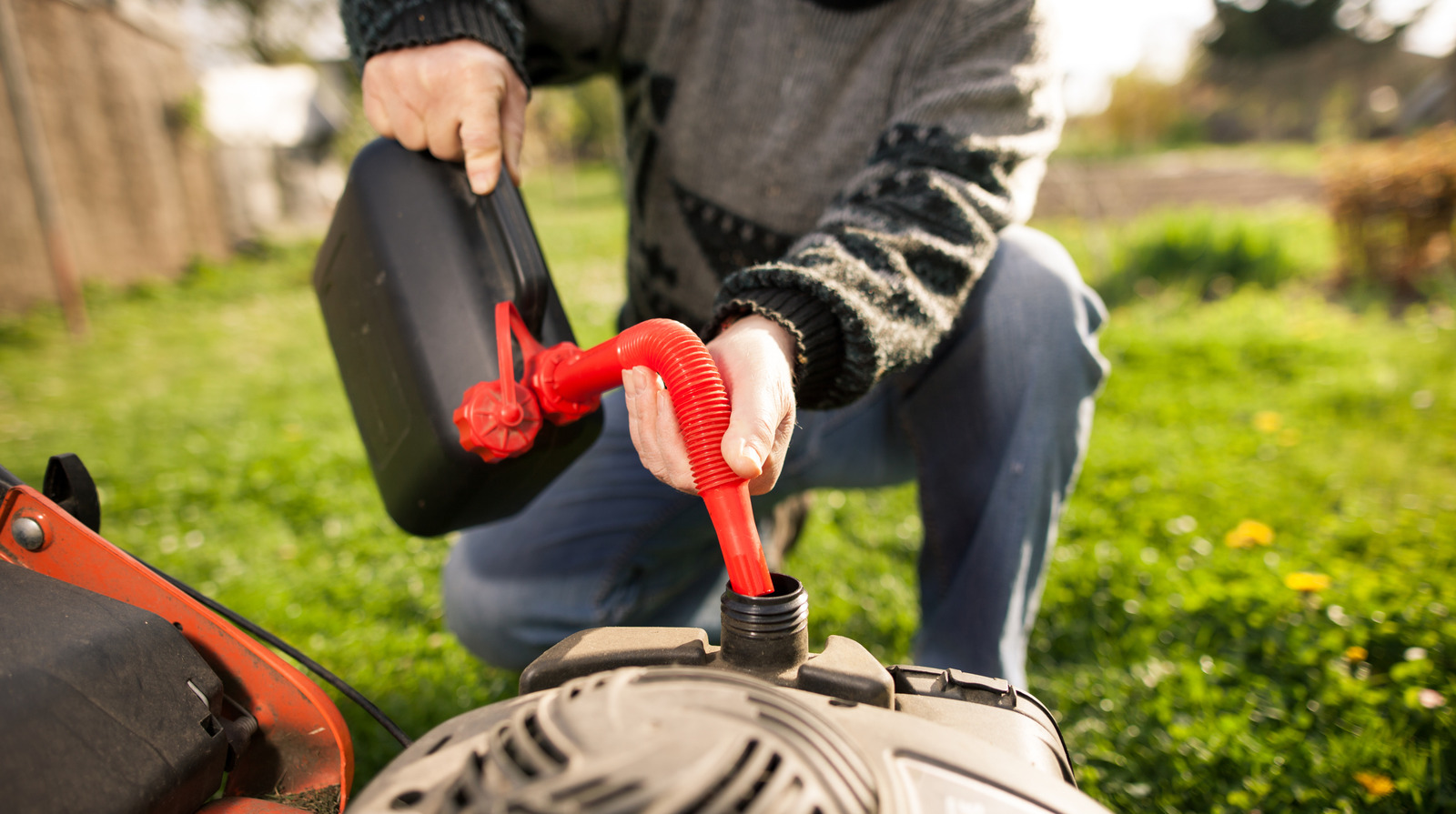
Never put diesel fuel in a gasoline mower. Do not mix oil into the fuel unless the manual says the engine is a two-stroke design. Most walk-behind and riding mowers use four-stroke engines and keep engine oil separate from gasoline.
Fuel stabilizer can help fuel remain usable during storage, but it does not repair old or contaminated gasoline. Add the correct amount of stabilizer to fresh fuel, then run the engine as directed by the product label.
🌿 Eco or Disposal Note: Take old gasoline and used engine oil to a household hazardous-waste site or approved collection point. Never pour fuel on soil, into a drain, or into a storm sewer.
Gas mower versus electric mower fuel needs
A gas mower stores chemical energy in its tank. A battery mower stores energy in a removable battery pack. Corded electric mowers use power from an outlet and do not need gasoline, but the cord limits where you can mow.
Battery capacity is often shown in amp-hours, or Ah. Amp-hours describe how much electrical charge a battery can hold, but runtime also depends on voltage, blade load, grass height, and battery age.
| Mower power type | Fuel or power storage | Best fit |
|---|---|---|
| Gas mower | 0.25–5+ gallons | Larger yards, remote areas, long sessions |
| Battery mower | Battery in watt-hours or Ah | Small to medium yards and quieter neighborhoods |
| Corded mower | Outdoor extension cord | Small yards near a suitable outlet |
| Robotic mower | Rechargeable battery | Maintained lawns with boundary setup |
Electric mowers can suit renters, small-yard owners, and people who do not want gasoline storage. They are often quieter than gas models, but the battery and charger add cost. Check voltage, battery compatibility, replacement cost, and claimed runtime on the product page.
Gas mowers can make sense for large properties or users who need long, uninterrupted work. They need oil changes, air-filter service, spark-plug checks, fuel care, and more noise control.
Is a larger gas tank better?
A larger fuel tank is useful when you mow a large property and want fewer stops. It is not automatically better for a small yard. Extra fuel adds weight and may sit unused for weeks.
A heavy tank can make a walk-behind mower harder to lift or load. For a senior, a lighter battery mower or a smaller self-propelled mower may be easier to manage. For a homeowner with a two-acre open lawn, a riding mower with a larger tank may save time.
Gas tank size and storage
A full tank can add several pounds. Gasoline weighs about 6 to 6.5 pounds per gallon. A 5-gallon tank can therefore add more than 30 pounds compared with an empty tank.
Store fuel only in an approved container. Keep it in a cool, dry, well-ventilated place away from furnaces, water heaters, pilot lights, and direct sun. Follow local fuel-storage rules and never store gasoline inside living areas.
For seasonal storage, follow the mower manual. Some engines use fuel stabilizer and a nearly full tank. Others advise draining the tank and carburetor. The correct method depends on the engine and fuel system.
📜 Check Local Rules: Some cities, states, HOAs, and apartment communities restrict gasoline equipment, fuel storage, or operating hours. Confirm local noise rules and gas-equipment restrictions before buying or using a mower.
Why mower fuel tanks vary
Fuel capacity depends on engine demand, mower frame size, expected mowing time, and available space. Manufacturers balance tank size against weight, cost, vibration, and the mower’s center of gravity.
A small engine cannot use a large tank efficiently if the mower is meant for a tiny yard. A commercial zero-turn mower may need a large tank because it works for many hours and covers large areas.
The tank’s shape matters too. A wide, low tank may fit under a seat. A narrow tank may fit near the engine. Plastic tanks resist rust and keep weight down, while metal tanks may appear on some older equipment.
Does the engine size tell you the tank size?
No. Engine size gives clues about fuel use, but it does not reveal tank capacity. Two mowers with the same 190cc engine can have different tanks because their frames and intended uses differ.
Use the complete mower model number when ordering parts or checking fuel capacity. This also matters for mower blades, air filters, spark plugs, belts, grass catchers, and mulching kits.
Mower gas capacity problems and solutions
Fuel problems often come from old gasoline, incorrect filling, or a damaged cap. The table below covers common signs without replacing a proper repair diagnosis.
| Problem | Likely cause | Safe next step |
|---|---|---|
| Engine stops after a few minutes | Low fuel, blocked vent, dirty filter | Check fuel level and manual service points |
| Gas leaks near the cap | Overfilling, damaged seal, cracked tank | Stop use and inspect when cool |
| Hard starting after storage | Stale fuel or dirty carburetor | Use fresh fuel and follow the manual |
| Fuel smells strong | Spill, loose cap, or leak | Move mower outdoors and do not start it |
| Mower lacks power | Dull blade, wet grass, clogged deck | Shut off engine and inspect safely |
| Tank seems smaller than listed | Wrong model information | Confirm the full mower model number |
Never remove the fuel cap while the engine is hot. Never tip a mower in a way that sends gasoline into the air filter, muffler, or crankcase. Check the manual for the correct position before cleaning under the deck.
🔧 Quick Fix: If the mower ran well before storage and now starts poorly, old fuel is a common suspect. Drain and dispose of it properly only if the manual allows, then use fresh fuel and the correct stabilizer.
How to make one tank of gas last longer
Good maintenance can reduce wasted fuel and engine strain. It cannot turn a small tank into a large one, but it can help the mower work closer to its design.
Use these habits:
- Keep the mower blade sharp.
- Mow dry grass when possible.
- Set the correct mowing height for your grass.
- Clean packed clippings from under the deck.
- Replace a dirty air filter.
- Check the spark plug as the manual directs.
- Keep riding-mower tires at the listed pressure.
- Avoid mowing very tall grass in one pass.
- Use fresh fuel.
- Store fuel in an approved container.
A sharp blade cuts grass cleanly and reduces repeated passes. Do not sharpen or remove a blade while the mower could start. Disconnect the spark plug wire or remove the battery before servicing, as the manual directs.
Gas use in wet and drought conditions
Wet grass is heavy and can clog the deck. It may make the engine labor and can leave clumps on the lawn. Wet slopes also create a serious slipping and traction risk.
During drought, grass may grow slowly, but dry debris can create a fire risk around a hot engine. Follow local watering and mowing rules. Raise the mowing height if appropriate for your turfgrass type, and avoid cutting stressed grass too short.
Do not mow when conditions are unsafe simply to save fuel. A shorter mowing session is not worth a slip, fire, or engine injury.
Fuel capacity, noise, and neighborhood concerns
Gas mowers produce engine noise, exhaust, and fuel vapor. Noise levels vary by model, engine load, blade speed, and distance. Electric and battery mowers are often quieter, but they still make blade noise.
Use the mower during allowed hours. Wear hearing protection even during short jobs, especially with riding and zero-turn mowers. Keep the exhaust away from windows, doors, and vents.
A corded mower can be a good low-noise choice for a small yard near an outdoor outlet. A robotic mower may suit a small, regularly shaped lawn, but it needs boundary setup and may not handle steep slopes or rough turf well.
Safety rules for gasoline lawn mowers
Fuel capacity should never be considered apart from safe use. Gasoline is flammable, and mower blades can throw stones, sticks, and other debris.
Follow these core rules:
- Clear rocks, toys, wire, and branches before mowing.
- Wear safety glasses, hearing protection, work gloves for handling parts, and closed-toe shoes.
- Keep children and pets away from the mowing area.
- Never mow wet grass on slopes.
- Never refuel a hot engine.
- Turn off the engine before crossing paths or checking the yard.
- Disconnect the spark plug or remove the battery before servicing.
- Keep hands and feet away from the blade.
- Follow the owner’s manual.
- Do not bypass safety switches.
A mower can look simple, but the spinning blade has enough force to throw debris far from the deck. Walk the area first, even if you mowed it yesterday.
⚠️ Safety Warning: Never carry a running mower, reach under the deck, or use your hand to clear a clog. Stop the engine, wait for all movement to end, and disconnect the spark plug wire or battery before inspection.
When a gas mower is the right choice
A gas mower often suits a large yard, remote property, or user who needs long work periods without waiting for a battery to charge. It can also suit people who already maintain small engines and keep fuel fresh.
A gas push mower may be a practical choice for a homeowner with a quarter-acre yard and no convenient charging area. A self-propelled model may suit a hilly yard. A riding mower or zero-turn mower may fit an owner with an acre or more of open lawn.
Gas may be a poor choice for a small yard, a noise-sensitive neighborhood, or a user who does not want to handle fuel and oil. Battery mowers are often simpler for renters, seniors, and gift recipients who value easy starting and low routine maintenance.
Who should skip a large gas tank?
Skip a large tank if:
- You mow only a small patch.
- You have little shed or garage space.
- You cannot safely store fuel.
- You dislike oil and spark-plug maintenance.
- Local rules restrict gas equipment.
- The mower is too heavy for the intended user.
- The deck will not fit through your gate.
A large machine can create more problems than it solves when the yard is small. Measure first, then shop by the whole job rather than by tank size alone.
How long does a gas lawn mower last?
Many gas lawn mowers can last 8 to 15 years with proper care, while some well-maintained machines last longer. Heavy commercial use, poor storage, dirty air filters, neglected oil, and stale fuel can shorten life.
The fuel tank itself may last for many years, but other parts often wear first. Blades need sharpening or replacement. Belts, drive cables, tires, batteries, spark plugs, air filters, and carburetor parts may need service.
| Part | What wears it | Replacement clue |
|---|---|---|
| Mower blade | Rocks, sand, normal cutting | Bent, cracked, or hard-to-sharpen edge |
| Drive belt | Heat, age, heavy use | Slipping or cracked belt |
| Spark plug | Carbon and wear | Hard starting or weak running |
| Air filter | Dust and clippings | Dirty, damaged, or restricted filter |
| Fuel cap or tank | Age and heat | Cracks, leaks, or poor venting |
Use the correct replacement part number. A blade that fits the bolt pattern may still be wrong for the mower’s length, lift, balance, or safety design.
Common questions about lawn mower gas capacity
Q: How much gas does a 21-inch lawn mower hold?
A: Many 21-inch gas mowers hold about 0.4 to 0.6 gallon, but the exact amount depends on the model and engine. Check the manual or product page. Do not use deck width alone to estimate fuel capacity.
Q: How much gas does a 22-inch self-propelled mower hold?
A: Many 22-inch self-propelled mowers hold about 0.4 to 0.75 gallon. Some hold less or more. The drive system may use extra fuel because the engine powers both the blade and wheels.
Q: How much gas does a riding lawn mower hold?
A: Most riding mowers hold 1.5 to 3 gallons. Larger lawn tractors may hold 4 gallons, while some zero-turn models hold 5 gallons or more.
Q: Can I put regular gas in a lawn mower?
A: Use the fuel grade and ethanol limit listed in the owner’s manual. Many four-stroke lawn mowers use fresh regular unleaded fuel with no more than 10% ethanol. Never use diesel, and never mix oil into the fuel unless the manual requires it.
Q: Should I leave gas in my mower over winter?
A: Follow the engine manual. Some manufacturers advise fresh fuel with stabilizer. Others advise draining the tank and carburetor. Do not store old untreated gasoline and assume it will work well next season.
Q: How much gas does a mower use per hour?
A: A small walk-behind mower may use about 0.2 to 0.6 gallon per hour. A riding or zero-turn mower may use 0.5 to 2 gallons or more per hour. Grass height, deck width, engine size, terrain, and blade condition change the result.
Q: Is it bad to overfill a lawn mower?
A: Yes. Overfilling can cause spills and leave no room for fuel expansion. Fill only to the level stated in the manual, and wipe up any gasoline before starting the engine.
Q: Can I use E15 gas in my lawn mower?
A: Only if the mower’s manual clearly approves it. Many small engines allow E10 but not E15. When in doubt, use the fuel type listed by the manufacturer or ask an authorized dealer.
Q: Does a full gas tank make a mower harder to push?
A: Yes, although the difference may be small on a compact mower. Gasoline weighs about 6 to 6.5 pounds per gallon. The added weight is more noticeable on a push mower than on a riding mower.
Q: Is a gas mower better than a battery mower?
A: A gas mower may suit large yards, long sessions, and remote properties. A battery mower may suit small or medium yards, renters, seniors, and people who want less noise and no fuel storage. Compare yard size, slope, storage, charging access, and local rules.
Q: Can I store a gas mower in a garage?
A: You can often store it in a suitable garage if local rules and the mower manual allow it. Keep fuel in approved containers, away from ignition sources, and provide proper ventilation. Never store spilled gasoline or a leaking mower indoors.
Q: What is the best mower for a small yard?
A: A compact push mower, battery mower, or corded mower often suits a small, flat yard. Choose a deck that fits through the gate and a weight the user can handle. A large gas riding mower is usually a poor fit for a small yard with tight turns.
Q: What is the best mower for hills?
A: A self-propelled mower may help on moderate slopes, but the safest choice depends on the slope, surface, grass condition, and manual. Riding mowers and zero-turn mowers can be dangerous on slopes if used incorrectly. Never mow wet slopes, and follow the manufacturer’s slope limits.
Q: How do I find the exact gas capacity?
A: Find the mower’s complete model number, then check the owner’s manual or manufacturer’s product page. Confirm the information for the mower, not just the engine. Dealers can help identify the correct specification.
Final advice
For most homeowners, the useful answer is simple: a gas push mower holds about 0.3 to 0.6 gallon, a self-propelled mower holds about 0.4 to 0.75 gallon, and a riding mower holds about 1.5 to 3 gallons. Zero-turn machines often hold 3 to 5 gallons or more.
Choose tank size only after measuring the yard, gate width, slope, and storage area. Think about who will use the mower, how often you mow, and whether gas storage fits your home and local rules. A small push mower may be the sensible choice for a compact flat yard, while a self-propelled, riding, battery, or robotic mower may better match another property.
Keep fuel fresh, never overfill, and service the blade, air filter, spark plug, and oil as directed. The right mower is not the one with the biggest tank. It is the one whose size, power, maintenance needs, and fuel system match the yard and the person using it.
Affiliate disclosure: This article may contain affiliate links. If you buy through a link, we may earn a commission at no extra cost to you. Always confirm current specifications, compatibility, fuel requirements, prices, and local rules on the manufacturer’s product page and in the owner’s manual.