How Much Gas Does A Lawn Mower Use: Fuel Guide
Gas lawn mowers use less fuel than many people expect, but the exact amount depends on mower size, engine power, grass height, terrain, and mowing speed. A typical walk-behind gas mower uses about 0.3 to 0.6 gallons of gasoline per hour. Many 21-inch push mowers can cut an average quarter-acre lawn on roughly 0.1 to 0.25 gallons, while riding mowers may use 1 to 2 gallons per hour.
Your fuel use also depends on how often you stop, whether the grass is wet, and how sharp the blade is. A dull blade and clogged air filter can make the engine work harder. Before buying or changing mowing habits, measure your yard, check the mower’s fuel tank size, and review the owner’s manual for the most useful estimate.

Quick Answer: How Much Gas Does a Lawn Mower Use?
A standard gas push mower usually uses about 0.3 to 0.6 gallons of gas per hour. A 21-inch mower may use around 0.1 to 0.25 gallons to mow a quarter-acre yard, depending on grass and terrain. Riding mowers often use 1 to 2 gallons per hour, while large zero-turn mowers can use more.

Fuel use is not the same as tank size. A mower with a 0.5-gallon tank may run for about 45 minutes to 1.5 hours, but the actual time changes with engine size and load.
A small yard may require only a few gallons of gas each mowing season. A large yard, hilly lot, or neglected lawn can use much more. Gas prices, fuel age, and local rules also matter when you compare a gas mower with a battery or electric model.
Typical Gas Use by Mower Type
The table below gives useful planning ranges. These are estimates, not promises, because brands, engine condition, blade speed, and cutting conditions vary.
| Mower type | Typical fuel use | Best fit |
|---|---|---|
| Small push mower | 0.25–0.45 gal./hour | Small, level yards |
| Standard 21-inch push mower | 0.3–0.6 gal./hour | Small to medium yards |
| Self-propelled gas mower | 0.4–0.8 gal./hour | Slopes or larger yards |
| Riding lawn mower | 1–2 gal./hour | Large open lawns |
| Zero-turn mower | 1.5–3 gal./hour | Large yards with many turns |
The main takeaway is simple: a riding mower may cover more ground per hour, but it can burn several times more gas than a walk-behind mower. A self-propelled mower also uses more fuel than a push mower because its engine powers the wheels.

What Does One Tank of Gas Cover?
Many walk-behind mowers have fuel tanks that hold about 0.25 to 0.75 gallons. A full tank may cover a small yard in one session, but you should not assume that every mower will finish the same area.
A mower’s cutting width matters. A 21-inch deck cuts a wider path than a 18-inch deck, so it may need fewer passes. However, a larger engine can use more fuel per hour. The best result comes from looking at both cutting width and fuel use.

How Lawn Mower Fuel Use Works
A gas mower burns fuel inside a small internal-combustion engine. The engine turns the crankshaft, which spins the mower blade and, on a self-propelled model, may also power the wheels.
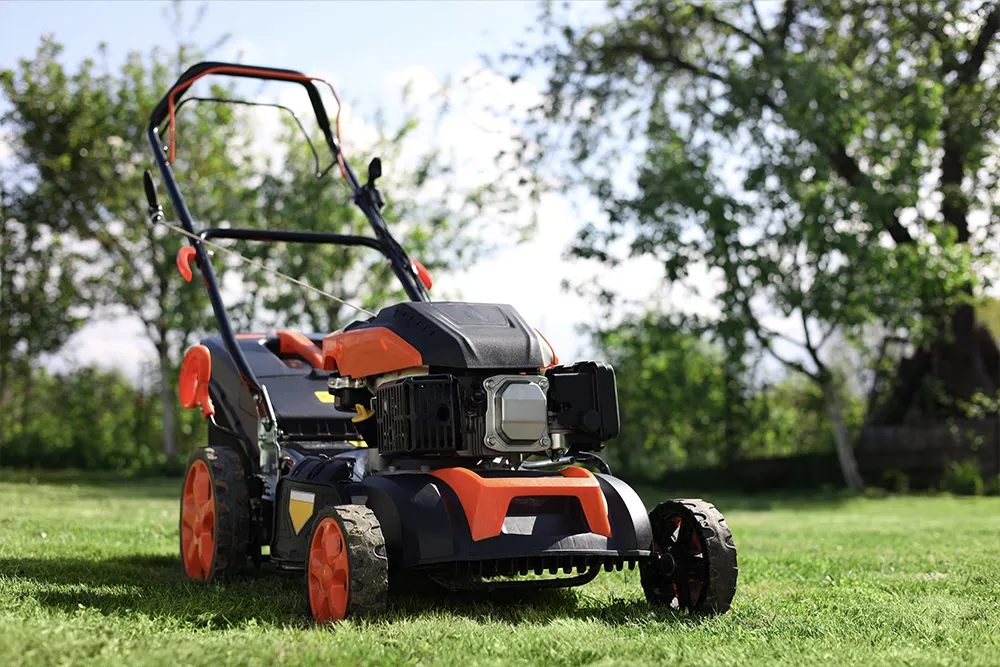
The engine’s fuel use rises when the blade meets heavy grass, weeds, wet turf, or leaves. It also rises when the mower deck is set too low or the blade is damaged.
Engine Size and CC
Engine size is often shown in cc, which means cubic centimeters. This number describes the engine’s displacement, or the total space inside the cylinders where the fuel and air mixture burns.
A mower with a 125 cc engine may use less fuel than one with a 190 cc engine under similar conditions. Yet the larger engine may handle thick grass with less strain. Fuel savings do not always come from choosing the smallest engine.
| Engine size | Common mower use | Fuel-use tendency |
|---|---|---|
| 120–140 cc | Small push mower | Often lower fuel use |
| 150–170 cc | Standard walk-behind mower | Moderate fuel use |
| 180–220 cc | Heavy-duty or self-propelled mower | Higher fuel use |
| 300 cc and up | Riding mower engine | Much higher total use |
A bigger engine can be useful for thick turf, slopes, and large yards. For a small, flat lawn, it may add weight and fuel cost without much benefit.
Push Mowers Versus Self-Propelled Mowers
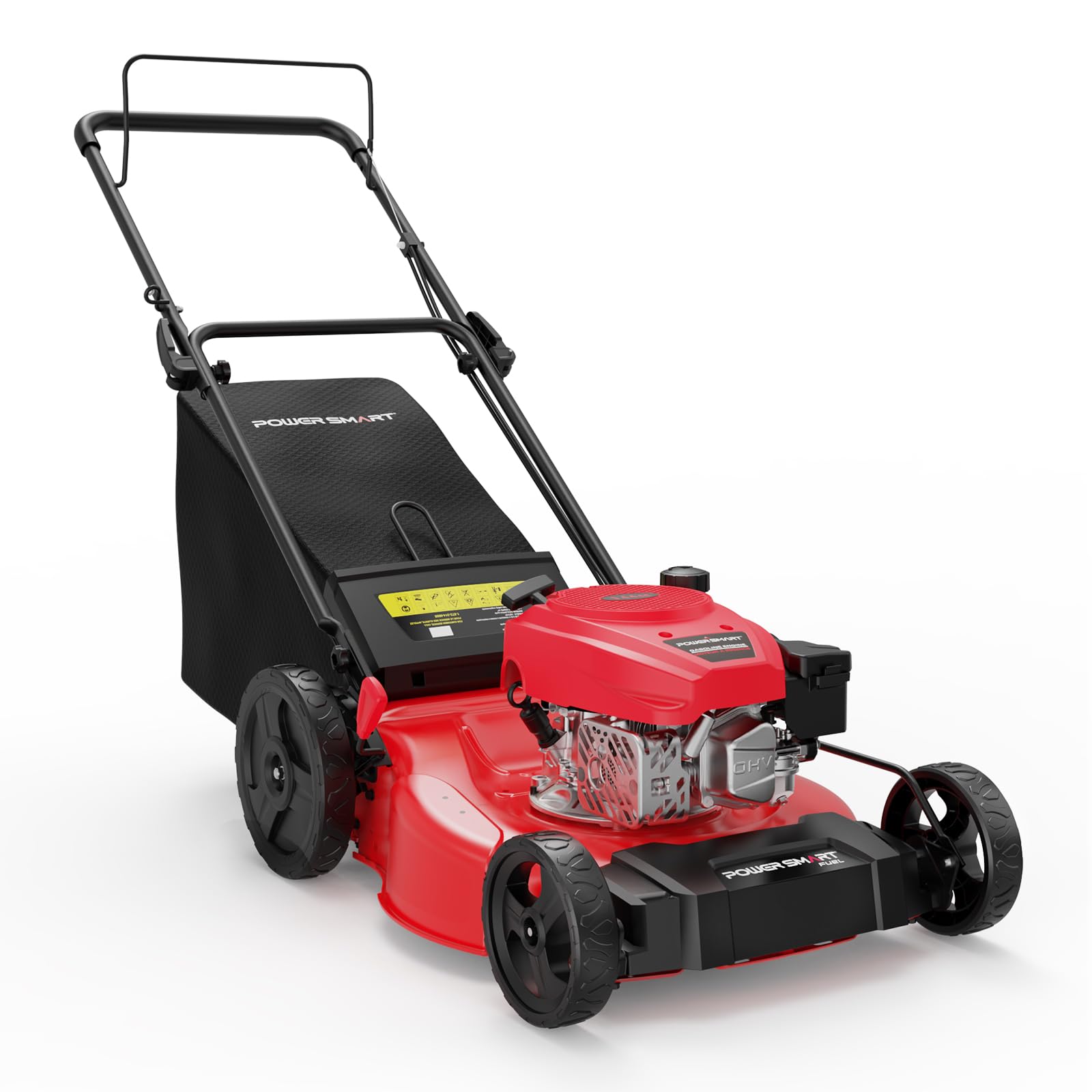
A push mower moves only when you push it. Its engine mainly turns the blade. This design often uses less fuel and weighs less.
A self-propelled mower uses engine power to turn the wheels. It can be a major help on hills, rough ground, or larger lawns, especially for seniors or anyone with limited strength. The tradeoff is more fuel use, more parts to maintain, and often a higher purchase price.
For a level yard under about a quarter acre, a push mower may be the better value for a fit user. For a sloped yard or a person who finds pushing tiring, self-propelled drive can be worth the added fuel.
Cutting Width and Mowing Time
A wide deck can reduce the number of passes. A 21-inch mower cuts a wider strip than a 18-inch mower, while a riding mower may have a 42-inch, 48-inch, or larger deck.
Fewer passes can reduce total mowing time. Still, a wide mower may be harder to fit through a narrow gate or store in a small shed. Measure the gate, shed door, and tight turns before buying.

What Changes How Much Gas a Mower Uses?
The biggest fuel factors are engine load, mowing time, blade condition, grass moisture, and operator habits. Two people can use different amounts of gas on the same lawn with the same mower.

A mower that runs smoothly on a clean, dry lawn may burn much more fuel in tall, wet grass. Climate also plays a role. Hot weather can dry grass and dust the air filter, while cold weather can make starting harder.
Grass Height and Mowing Frequency
Tall grass takes more power to cut. If you wait several weeks between mowings, the mower may work harder and use more gas.
A better rule is to remove no more than about one-third of the grass blade at one time. This helps reduce engine load and can support healthier turfgrass. It also limits the amount of clippings packed under the deck.
Wet Grass
Wet grass sticks to the deck and blade. It can clog the discharge chute and force the engine to work harder. Wet turf can also form ruts and compact the soil.
Wait until the lawn dries when possible. Never mow wet grass on a slope, because traction drops and the risk of slipping increases.
⚠️ Safety Warning: Wear eye protection, hearing protection, closed-toe shoes, and work gloves when needed. Clear sticks and stones first. Keep children and pets away, and never service a running mower.

Blade Sharpness
A sharp mower blade cuts grass with less resistance. A dull blade may tear the leaf instead of making a clean cut. It can also make the engine sound strained and increase fuel use.
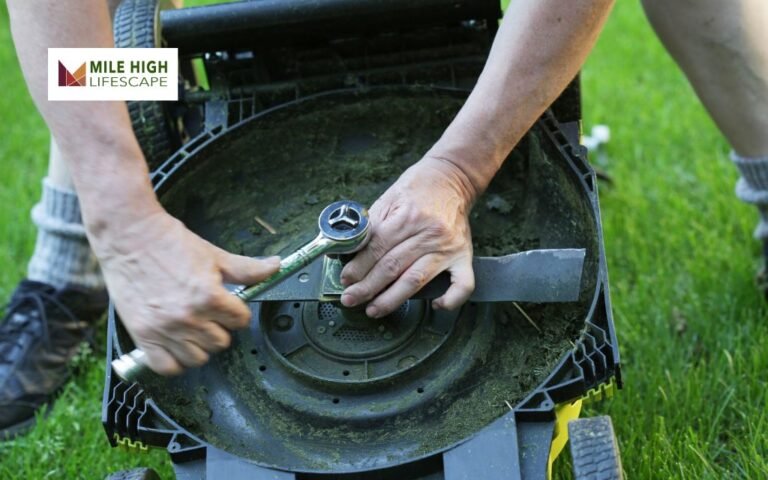
Inspect the blade at least a few times each season. Remove the spark plug wire or battery before touching the blade. Follow the manual for blade removal, torque, and replacement part numbers.
Air Filters and Spark Plugs
A dirty air filter limits the air entering the engine. The engine may run rich, which means it burns more fuel compared with the amount of air available.
A worn spark plug can cause hard starting, uneven running, or misfires. Replace the air filter and spark plug at the schedule in the owner’s manual. Part numbers differ by engine, so check the manual before shopping.
Tire Pressure and Self-Propelled Drive
Low tire pressure can make a mower harder to move. On a self-propelled model, a worn drive belt or slipping transmission can also waste power.
Check tire pressure if the mower pulls to one side or feels difficult to push. Do not guess at belt or cable adjustments. Use the service instructions for your exact model.
Estimated Gas Use by Yard Size
Yard size gives you a starting point, but mowing time is often more useful than acreage. Trees, garden beds, slopes, fences, and narrow paths slow the job.

The estimates below assume a maintained lawn and a typical walk-behind mower. A riding mower may use more fuel per hour but finish large open areas faster.
| Yard size | Approximate mowing time | Estimated gas per mow |
|---|---|---|
| 1/8 acre | 20–35 minutes | 0.1–0.3 gal. |
| 1/4 acre | 35–60 minutes | 0.2–0.6 gal. |
| 1/2 acre | 60–100 minutes | 0.4–1.0 gal. |
| 1 acre | 2–3 hours | 0.8–1.8 gal. |
These figures are planning ranges. A hilly lawn may take longer than a flat lawn of the same size. Frequent stops, trimming around trees, and tall grass also raise fuel use.
How Much Gas Does a 1/4-Acre Lawn Need?
A standard 21-inch gas mower may use about 0.2 to 0.6 gallons to mow a quarter-acre yard. A level, open lawn with short grass may need less. A thick or uneven lawn may need more.
The actual turf area is often smaller than the lot size. A quarter-acre property may include a house, driveway, patio, and flower beds. Measure the area you mow instead of relying only on the property listing.

How Much Gas Does a 1-Acre Lawn Need?
A walk-behind mower may use about 0.8 to 1.8 gallons to mow one acre. A riding mower may complete the task faster, but it can use around 1 to 2 gallons per hour, depending on engine size and conditions.
For one acre, a riding mower can reduce physical effort and mowing time. However, it needs more storage room, costs more to maintain, and may not fit through narrow gates.
Fuel Use on Hills and Uneven Ground
Hills increase fuel use because the mower works against gravity. A self-propelled mower may help the user, but its drive system draws more power from the engine.
For steep areas, review the manual’s slope limits. Some walk-behind mowers are safer than riding mowers on certain slopes. Never mow across a steep hill unless the manufacturer allows it. A string trimmer or a professional lawn service may be safer for areas that are too steep.

Gas Mower Fuel Use Compared With Other Mowers
Gas is only one part of operating cost. You should also compare purchase price, charging time, maintenance, storage, noise, and local restrictions.

Battery mowers do not burn gasoline, but they use rechargeable lithium-ion batteries. Corded electric mowers avoid fuel and battery limits, but the cord restricts movement. Reel mowers use no fuel or electricity, but they need regular walking effort and work best on short, level grass.
| Mower type | Operating energy | Good fit | Main drawback |
|---|---|---|---|
| Gas mower | Gasoline | Larger or remote yards | Noise, fumes, fuel care |
| Battery mower | Rechargeable battery | Small and medium yards | Runtime and battery cost |
| Corded mower | Household electricity | Small yards near outlets | Cord management |
| Reel mower | Human power | Small, flat lawns | Needs frequent mowing |
| Robotic mower | Battery charging | Defined lawns with setup time | High cost and installation limits |
For a small urban yard, a battery mower may be easier to store and start. For a large property with long mowing sessions, gas may still offer quick refueling. Always confirm battery voltage, amp-hours, charger type, and replacement battery cost.

Gas Versus Battery Cost
A gas mower may cost less to run than a battery mower if you already own the mower and only mow occasionally. A battery model may have lower routine maintenance because it has no spark plug, carburetor, or engine oil.
Battery capacity is often shown in Ah, or amp-hours. A higher Ah rating usually stores more energy in the same voltage system, but runtime depends on grass, blade speed, deck width, and battery age.
Do not compare a 40-volt battery directly with an 80-volt battery without considering amp-hours and watt-hours. Check the full battery system and the price of replacement packs.
Gas Versus Riding Mowers
A riding mower is useful when the lawn is large enough that walking takes too long. It may have a 30- to 54-inch deck, a larger fuel tank, and a more powerful engine.
A riding mower is not always a good choice for a small or narrow yard. It needs a dry, secure storage area and may struggle on slopes. A zero-turn mower can turn tightly and save time around obstacles, but it often costs more and requires careful slope use.
Gas Versus Robotic Mowers
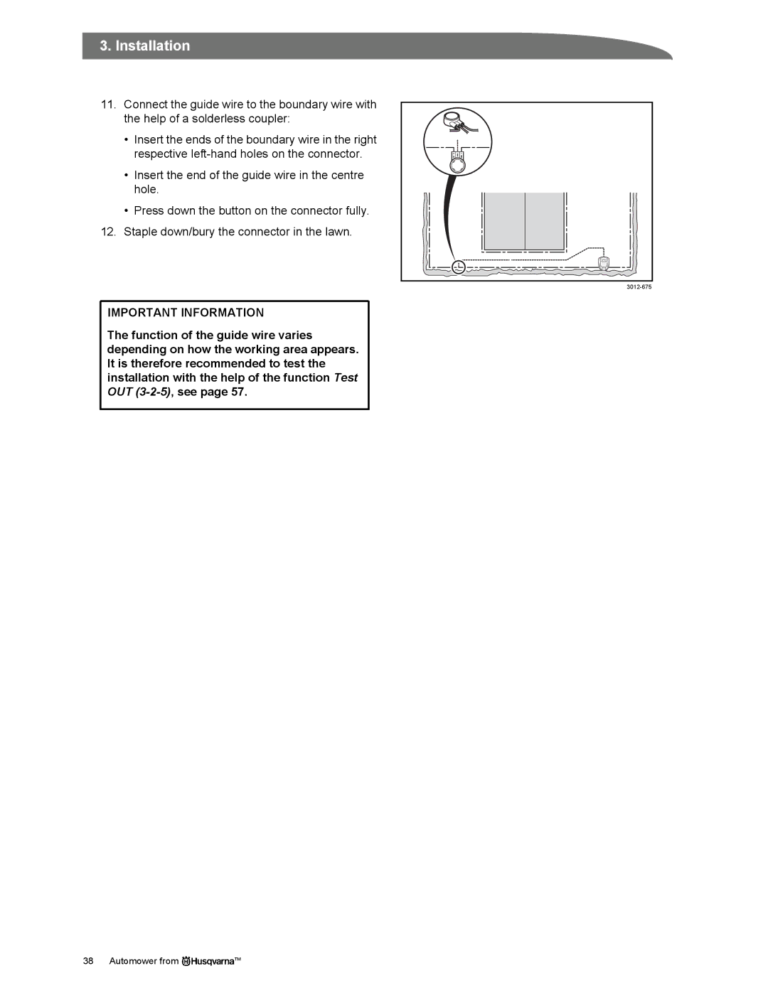
Robotic mowers use a battery and follow a boundary system or other navigation method. They make small, regular cuts instead of removing a large amount of grass at once.
They can suit a relatively open lawn with a place for the charging station. They may not suit yards with many levels, loose gravel, steep slopes, or complex borders. Installation and boundary setup can take time.
What Does It Cost to Run a Gas Lawn Mower?
Fuel cost depends on local gas prices and how many gallons you use. To estimate it, multiply gallons used by the price per gallon.
For example, if a mower uses 0.4 gallons per mow and fuel costs $3.50 per gallon, one mowing costs about $1.40 in gasoline. If you mow 30 times, seasonal fuel cost would be about $42, before oil, filters, blades, repairs, and storage.
Simple Fuel-Cost Formula
Use this formula:
Fuel cost per mowing = gallons used × price per gallon
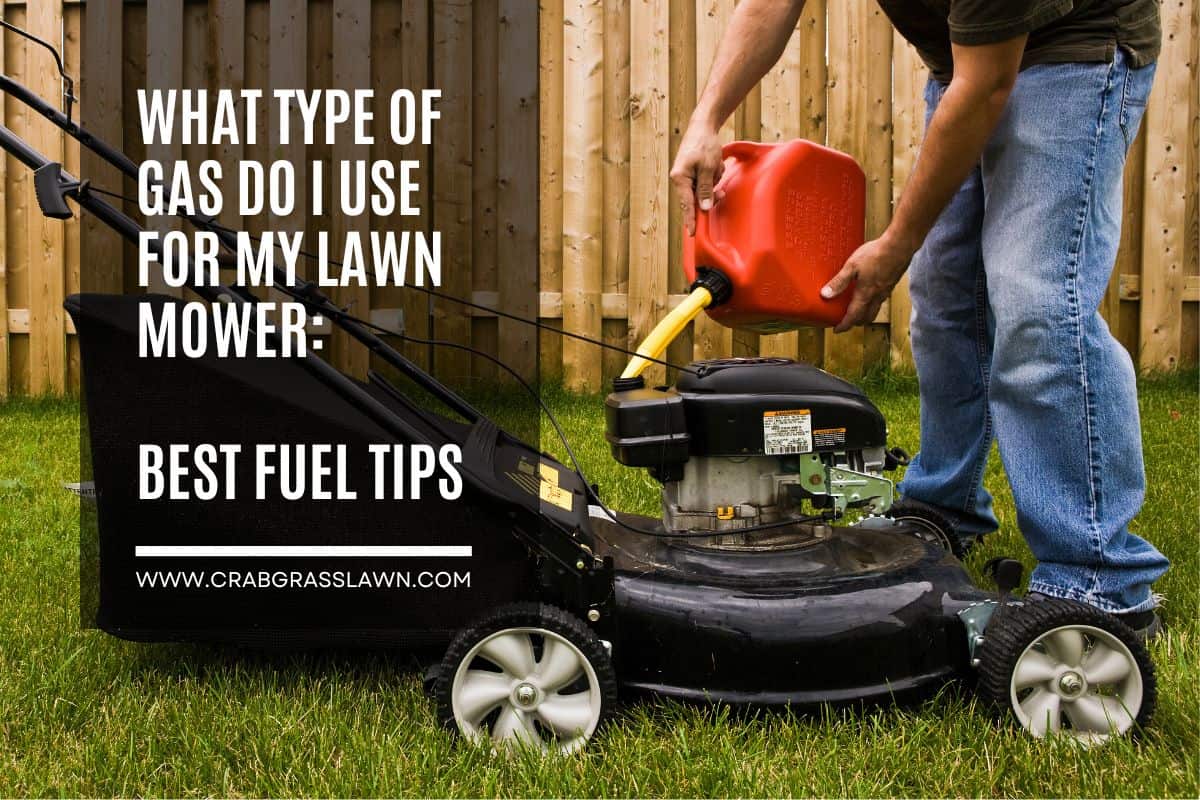
You can measure use more closely by filling the tank to the same level before and after mowing. Never overfill the tank. Keep the mower on a level surface and follow the manual’s fuel instructions.
| Example mower | Gas used per mow | Fuel price | Approximate fuel cost |
|---|---|---|---|
| Small push mower | 0.2 gal. | $3.50/gal. | $0.70 |
| Standard walk-behind | 0.4 gal. | $3.50/gal. | $1.40 |
| Self-propelled mower | 0.6 gal. | $3.50/gal. | $2.10 |
| Riding mower | 1.5 gal. | $3.50/gal. | $5.25 |
Actual prices change by location and season. Include oil, blade sharpening, spark plugs, air filters, belts, and repairs when comparing long-term costs.
Fuel, Oil, and Maintenance Costs
Most four-stroke lawn mowers use separate engine oil. Do not mix oil and gasoline unless the manual clearly calls for a two-stroke fuel mix.
Oil changes, air filters, spark plugs, blades, belts, and tires add to ownership cost. Riding mowers also have larger blades, deck belts, battery systems, and more expensive service needs.
A well-maintained mower may start more easily and run more smoothly. Maintenance does not make fuel use fixed, but it can prevent avoidable waste.
Is a Gas Mower Worth the Money?
A gas mower can be worth the money for a medium or large yard, thick grass, long mowing sessions, or places where recharging is inconvenient. It may also make sense for a household that already owns gas-powered string trimmers, edgers, and leaf blowers.
A battery mower can be a better choice for a small yard, shared wall storage, or noise-sensitive neighborhood. A reel mower can suit a small, flat lawn that is mowed often.
How to Reduce Lawn Mower Gas Use
The best way to reduce fuel use is to reduce mowing time and engine strain. Small changes can add up over a full season.
Mow at the Right Height
Set the deck to a height that fits your grass type and climate. Cutting too low can stress turfgrass and make the mower work harder in uneven soil.
Many cool-season lawns do well when kept taller during heat and drought. Warm-season grasses often have different needs. Ask a local extension office or turf specialist for guidance on your grass type.
Keep the Blade Sharp
Sharpen the blade at the start of the season and inspect it during heavy use. Replace a blade that is cracked, bent, or worn thin.
A sharp blade can reduce vibration and improve the appearance of the cut. Balance the blade after sharpening. An unbalanced blade can damage the engine shaft.
Clean Under the Deck
Grass buildup blocks airflow and can make the blade drag. Remove the spark plug wire or battery before cleaning.
Never tip a gas mower in a way that lets oil or fuel enter the air filter or muffler. Check the owner’s manual for the correct position.
Avoid Unneeded Idling
Turn the mower off when you stop for a long time. Idling burns fuel without cutting grass.
Do not leave a mower running while you move objects, open a gate, or speak with someone. Shut it down first and keep the blade stopped.
Use Fresh Fuel
Old gasoline can cause hard starts, rough running, and carburetor trouble. Buy only the amount you expect to use within the fuel’s storage period.
A fuel stabilizer can help preserve gasoline during storage when used as directed. It does not fix contaminated fuel. Never store fuel in an unapproved container.
🔧 Quick Fix: If fuel use rises suddenly, inspect the blade, air filter, tire pressure, deck buildup, and drive belt before assuming the engine needs major repair.
Gas Mower Storage and Fuel Safety
Safe storage protects your mower, home, and family. Gasoline vapors can ignite, even when the mower is not running.
Store a gas mower in a cool, dry, well-ventilated area away from flames, pilot lights, heaters, and electrical sparks. Do not store it beside a furnace or water heater.
Should You Drain the Gas?
Follow the engine maker’s storage instructions. Some manuals recommend draining the carburetor and tank. Others allow stabilized fuel to remain in the tank.
Never guess. Old fuel can gum up the carburetor, but draining fuel incorrectly can create a spill or fire risk. Run the engine only as long as the manual allows, and never run it indoors.
Can You Store Gas in a Garage?
You may be allowed to store a limited amount of gasoline in an approved container, but local fire codes can vary. Keep containers closed, upright, and away from ignition sources.
Do not store gasoline in glass jars, milk containers, or unapproved plastic bottles. Keep fuel away from children and pets.
📜 Check Local Rules: Confirm fuel-storage laws, HOA rules, local noise ordinances, and any gas-equipment restrictions with your city, fire department, landlord, or homeowners association.
Fuel Disposal
Do not pour gasoline or oil onto soil, into a drain, or into household trash. Take old gas and used oil to a household hazardous-waste site or approved collection center.
Recycle lithium-ion batteries through a designated battery drop-off. Donate or recycle a usable mower instead of sending it to a landfill when possible.
Common Gas Mower Problems That Increase Fuel Use
High fuel use often starts with a simple maintenance issue. A dirty filter or dull blade may be easier to fix than a failing engine.
| Symptom | Likely cause | Useful first check |
|---|---|---|
| Engine sounds strained | Dull blade or tall grass | Inspect blade and mowing height |
| Hard starting | Old fuel or worn plug | Check fuel age and spark plug |
| Black exhaust smoke | Dirty air filter or rich mixture | Inspect air filter |
| Mower slows in grass | Clogged deck or overload | Clean deck and reduce cut |
| Self-propelled mower drags | Drive belt or cable issue | Check manual and belt |
| Fuel leaks | Damaged tank, cap, or line | Stop use and seek repair |
Stop using the mower if you smell strong fuel, see a leak, or hear severe knocking. A small-engine repair shop can test the carburetor, fuel line, ignition system, and compression.
When to Replace a Blade
Signs it is time to replace a blade include deep nicks, cracks, a bent shape, severe rust, or a worn cutting edge that will not sharpen safely.
Use the exact blade type and length listed for your mower. A blade that is too long, too heavy, or installed backward can damage the machine and create a serious hazard.
When to Replace a Spark Plug
Replace the spark plug when the manual calls for it or when inspection shows damage, heavy carbon, a worn electrode, or a cracked insulator.
Use the correct plug number and gap. Do not change the gap unless the engine instructions allow it.
When to Call a Repair Shop
Call a qualified repair shop when the mower has a fuel leak, repeated backfire, severe vibration, engine seizure, electrical fault, or unsafe steering or braking problem.
Also seek help if you cannot safely identify a part. A repair may cost less than replacing a mower that only needs a carburetor cleaning or cable adjustment.
Choosing the Right Mower for Your Yard
Fuel use should support the larger buying decision, not control it alone. Think about yard size, slope, grass type, storage, noise, strength, and local rules.
Best Mower for a Small Yard
A push gas mower can suit a small, level yard when low fuel cost and simple mechanics matter. A battery mower may suit a renter or homeowner with limited storage because it starts with a button and produces no fuel fumes during use.
A reel mower can work for a very small lawn that is mowed often. It may struggle with tall grass, weeds, rough ground, and thick thatch. Thatch is a layer of dead stems and roots near the soil surface.
Best Mower for Seniors
A self-propelled battery mower can be easier for some seniors because it avoids gasoline handling, pull starts, and engine oil. A self-propelled gas mower may suit a hilly yard where longer runtime matters.
The right choice depends on strength, slope, gate width, mower weight, controls, and storage. A heavy mower can be hard to lift into a shed, even if it moves easily while mowing.
Best Mower for Hills
A self-propelled walk-behind mower often gives better control than a riding mower on many slopes. The manual’s slope guidance matters more than the fuel type.
Avoid mowing wet hills. Do not use a riding mower on a slope that exceeds the manufacturer’s limit. For very steep ground, use a string trimmer or hire a lawn-care professional.
Best Mower for Large Yards
A riding mower can make sense for a large, open lawn. A zero-turn mower can save time around trees and beds, but it needs a secure storage area and careful operation.
A large mower is not automatically better. If the yard has narrow gates, steep areas, soft soil, or many small sections, a walk-behind mower may be easier to control.
Benefits and Drawbacks of Gas Lawn Mowers
Gas mowers remain popular because they offer long refueling range and strong cutting power. They also have clear limits that buyers should consider.
| Benefits | Drawbacks |
|---|---|
| Quick refueling | Fuel fumes and spills |
| Long use time between refills | More engine maintenance |
| Strong performance in tall grass | Louder operation |
| No charging wait | Harder cold starts |
| Many sizes and styles | Fuel can become stale |
| Useful far from outlets | Local restrictions may apply |
Gas power may fit a large yard or thick turf. It may be a poor match for a small shared space, a noise-sensitive neighborhood, or someone who does not want fuel storage.
How Long Does a Gas Lawn Mower Last?
A well-maintained walk-behind gas mower can last for many years, but service life varies widely. Storage, mowing frequency, engine quality, corrosion, fuel care, and repair history all matter.
The first parts to wear are often blades, belts, cables, wheels, tires, spark plugs, air filters, and battery components. The deck may rust if grass stays wet underneath. A clean deck and dry storage can help slow wear.
Signs it is time to replace your mower include a cracked deck, unsafe handle, repeated engine failure, severe oil consumption, unavailable parts, or repair costs close to a replacement machine.
How to Extend Mower Life
Use fresh fuel, change oil on schedule, clean the air filter, sharpen the blade, and inspect fasteners. Store the mower under cover and keep rodents away from wiring.
Do not skip safety parts. Guards, discharge chutes, blade brakes, and control cables must work as designed. Never remove a safety shield to make maintenance easier.
Questions Homeowners Ask About Mower Gas Use
Q: How much gas does a push lawn mower use per hour?
A: Most standard gas push mowers use about 0.3 to 0.6 gallons per hour. Engine size, grass height, blade condition, and terrain can move that range lower or higher.
Q: How much gas does a riding mower use?
A: Many riding mowers use about 1 to 2 gallons per hour. Large engines, heavy grass, steep slopes, and zero-turn designs may use more. Check the engine manual or manufacturer listing for your model.
Q: How much gas does a lawn mower use to cut an acre?
A: A walk-behind mower may use about 0.8 to 1.8 gallons for an acre. A riding mower may use 1 to 2 gallons per hour but can finish sooner. The yard layout changes the result.
Q: Is a gas mower cheaper than a battery mower?
A: It can be cheaper when you already own the mower and use it often enough to justify fuel and maintenance. A battery mower may cost less to maintain but may need an expensive replacement battery later.
Q: Does self-propelled use more gas?
A: Yes, usually. The engine powers both the blade and the drive wheels. The extra fuel may be worthwhile on hills or for users who find a push mower tiring.
Q: Does a dull blade use more gas?
A: It can. A dull blade creates more resistance and may force the engine to work harder. It can also tear grass and make the lawn look uneven.
Q: Can I use premium gas in my mower?
A: Use the fuel grade and ethanol guidance in the owner’s manual. Higher octane does not automatically improve a mower designed for regular fuel. Never use diesel unless the engine specifically requires it.
Q: Should I use ethanol-free gas?
A: Ethanol-free fuel may store well and can suit some small engines, but availability and cost vary. Follow the manufacturer’s fuel instructions. Do not mix fuel types carelessly during storage.
Q: Can I leave gas in a lawn mower over winter?
A: Only if the manual allows it and the fuel is treated as directed. Some engines need the tank and carburetor drained. Others allow stabilized fuel. Store the mower in a safe, ventilated area.
Q: Why is my mower suddenly using more gas?
A: Check for a dull blade, tall grass, wet turf, clogged deck, dirty air filter, low tire pressure, slipping drive belt, or fuel leak. If the issue continues, have a repair shop inspect the engine.
Q: What mower uses the least gas?
A: A small push mower usually uses less gasoline than a self-propelled, riding, or zero-turn mower. A reel mower uses no gasoline, while a battery mower uses electricity instead. The best option depends on yard size and user ability.
Q: How much gas should I store?
A: Store only what local rules allow and what you can use safely. Keep it in an approved, labeled container away from heat and living areas. Check your city or fire department rules.
Q: Is it safe to mow wet grass?
A: It is best to wait until grass is dry. Wet grass can clog the deck, damage turf, reduce traction, and make slopes dangerous. Never mow a wet slope.
Final Advice
A typical gas push mower uses about 0.3 to 0.6 gallons per hour, while a typical riding mower uses about 1 to 2 gallons per hour. For many quarter-acre lawns, that means roughly 0.2 to 0.6 gallons per mowing with a walk-behind mower.
The right mower depends on more than fuel use. Choose a push mower for a small, level yard and a user who can comfortably move it. Consider self-propelled drive for slopes or users who need assistance. Choose a riding or zero-turn mower for a large, open property with safe storage.
Before buying, confirm the deck width, engine cc, fuel tank size, blade type, replacement part numbers, gate width, slope limits, and storage space. Follow the manual, wear eye and hearing protection, disconnect the spark plug or remove the battery before service, and never refuel a hot engine.
Affiliate disclosure: This article may contain affiliate links. If you buy through a link, we may earn a commission at no extra cost to you. Product details, prices, compatibility, and availability can change, so confirm current information on the manufacturer’s product page and in the owner’s manual.