How Do You Start A Gas Lawn Mower: Easy Guide
Starting a gas lawn mower is simple once you know the order. Most problems happen because the mower has old fuel, the safety bar is not held correctly, the choke is in the wrong position, or the engine is cold. A few checks before pulling the starter can save your arm, protect the engine, and make mowing safer.
This guide explains how to start a gas lawn mower, including push mowers and self-propelled models. It also covers cold starts, warm starts, electric-start mowers, flooded engines, hills, wet grass, fuel storage, and common starting problems. It is written for first-time homeowners, renters, DIY users, and anyone buying a mower as a gift.

Quick answer: how do you start a gas lawn mower?
The best way to start a gas lawn mower is to place it on level, dry ground, check the oil and fuel, open the fuel valve if it has one, set the throttle or choke for a cold engine, hold the safety bar against the handle, and pull the starter cord firmly. For an electric-start model, hold the safety bar and turn the key or press the start button. Always follow the owner’s manual.

A typical mower starts in this order:
- Move the mower outdoors to a clear, level area.
- Check the fuel, engine oil, blade area, and grass bag.
- Set the throttle to “choke” or “start” if the engine is cold.
- Open the fuel shutoff valve, if fitted.
- Hold the safety bar against the handle.
- Pull the recoil starter cord, or use the electric-start button.
- Let the engine warm for a short time.
- Set the choke to “run” before mowing.
The exact controls vary. Some newer gas mowers have automatic choke systems. Others use a primer bulb. A primer bulb pushes fuel into the carburetor, which mixes fuel and air for starting.
Tools and materials you may need
You need very few items to start a gas mower. However, having basic supplies nearby helps with routine checks and small problems.

| Tool or material | Why you may need it | Good practice |
|---|---|---|
| Fresh unleaded gasoline | Powers the engine | Use the fuel type listed in the manual |
| Engine oil | Lubricates the engine | Check the dipstick before each mowing session |
| Safety glasses | Protects your eyes | Wear them while mowing and clearing debris |
| Ear protection | Reduces engine noise | Use earmuffs or earplugs near loud mowers |
| Work gloves | Protects your hands | Use them when handling the mower or grass bag |
| Clean rag | Wipes the dipstick | Keep dirt out of the oil fill tube |
| Fuel stabilizer | Helps stored fuel stay usable | Follow the bottle’s mixing directions |
Fresh fuel and the correct oil matter more than most beginners expect. Do not guess the oil grade or fuel blend. Check the manual, fuel cap, and product label.
A gas mower does not need a charger, extension cord, or battery pack for normal operation. It does need safe fuel storage and regular care. Keep gasoline in an approved fuel container, away from flames, heaters, and living areas.
Safety and preparation before starting
The safest way to start a mower is to inspect it before the engine turns on. A mower blade can move fast, and a running engine can throw stones, sticks, and other debris.

Choose a safe starting area
Place the mower on firm, level ground. Avoid starting it inside a garage, shed, basement, trailer, or enclosed porch. Gas engines produce carbon monoxide, an odorless gas that can build up quickly.
Clear the starting area of rocks, wire, toys, hoses, branches, and pet waste. Look across the lawn before mowing. Hidden debris can damage the blade or become a dangerous projectile.
Keep children, pets, and other people away from the mower. A safe distance is better than asking someone to “stand over there.” Never let a child hold the handle or help pull the starter cord.
Wear the right protective gear
Wear closed-toe shoes with good grip. Sandals and loose shoes can slip near a moving mower. Safety glasses protect your eyes from grass and small debris.
Use ear protection if the engine is loud or if you mow for a long period. Work gloves are useful during inspection, but never place a gloved hand under the deck while the spark plug is connected.
⚠️ Safety Warning: Never reach under the mower deck while the spark plug wire is connected. Before servicing, disconnect the spark plug wire or remove the battery on an electric-start model, and follow the owner’s manual.
Inspect the mower
Check that the handle is locked in its mowing position. Make sure the grass catcher is attached correctly if you plan to bag clippings. Inspect the discharge chute and confirm that the blade area is free of packed grass.
Look for loose bolts, damaged wheels, cracked plastic, leaking fuel, or oil around the engine. Do not start a mower with a fuel leak. Move it away from ignition sources and have the problem repaired.
Check the engine oil on a level surface. Low oil can cause serious damage. Many small engines have a low-oil shutdown system, but you should not rely on it.
Starting a gas lawn mower step by step
The main difference between a cold start and a warm start is fuel control. A cold engine often needs more fuel and less air for the first few seconds. A warm engine usually needs little or no choke.

1. Move the mower outdoors
Take the mower to an open space with good airflow. Keep it away from buildings, dry leaves, gas cans, and other flammable items.
Set the mower on level ground. Starting on a slope makes the mower harder to control and can affect oil flow in some engines.
2. Check the fuel level
Look at the fuel tank. If it is empty, add the fuel listed in the manual. Most modern gas mowers use regular unleaded gasoline, but the exact fuel guidance can differ by engine.
Do not overfill the tank. Leave room for fuel expansion. Wipe up any spill before starting.
Never use gasoline that has been stored for a long time unless it has been treated and stored correctly. Old fuel can form gum that blocks the carburetor.
3. Check the engine oil
Remove the dipstick or oil fill cap. Wipe it clean, insert it as directed, and remove it again to read the level.
The oil should sit within the marked range. Add the correct oil in small amounts if needed. Do not pour oil directly into the fuel tank.
If the oil looks very dirty, smells strongly of fuel, or appears milky, do not keep mowing. Those signs can point to a service problem.
4. Open the fuel valve
Some gas mowers have a fuel shutoff valve near the fuel line or carburetor. Move it to the “on” position.
Many newer walk-behind mowers do not have a manual fuel valve. If you cannot find one, do not force any control. Check the manual.
5. Set the throttle or choke
Look for a control marked “choke,” “start,” “run,” or with a turtle and rabbit symbol. For a cold engine, move the control to “choke” or “start.”
A choke limits air so the engine receives a richer fuel mixture. Once the engine runs for a short time, move the control toward “run.”
Some mowers use a primer bulb instead. Press it the number of times listed in the manual. A common range is three to five presses, but the correct number depends on the engine.
Do not keep pressing the primer bulb if the engine is already flooded. Too much fuel can make starting harder.
6. Hold the safety bar
Stand behind the handle. Pull the safety bar, also called the operator-presence control, against the handle.
This bar is a safety device. On many walk-behind mowers, releasing it stops the engine and blade. You must keep it held while starting and mowing.
If the bar feels loose or does not move as designed, do not bypass it. Have the mower inspected.
7. Pull the recoil starter
Use one hand to hold the handle and safety bar. Use the other hand to pull the starter handle.
Pull up firmly and smoothly. Do not wrap the starter cord around your hand. Let the cord return slowly rather than allowing it to snap back.
A cold engine may need several pulls. If the cord feels unusually hard to pull, stop and inspect the mower. A blocked blade, damaged engine, or other mechanical issue may be present.
8. Use the electric start, if fitted
Some gas mowers have a battery-powered electric starter. The engine still burns gasoline, but a small battery turns the starter motor.
Hold the safety bar and turn the key, press the start button, or use the control shown in the manual. Release the key or button as soon as the engine starts.
Do not hold the starter continuously for a long period. Short attempts help prevent starter and battery strain. If the engine does not start after several attempts, investigate the cause instead of repeatedly cranking it.
9. Let the engine settle
Keep holding the safety bar. Allow the engine to run for a brief period before mowing.
Move the choke toward “run” as the engine warms. If the engine begins to surge, stall, or smoke, stop and check the manual.
Do not rev the engine by moving the throttle back and forth without a reason. The mower is designed to run within a set speed range for safe blade operation.
10. Begin mowing at a safe pace
Start on level ground whenever possible. Keep both hands on the handle and watch the area ahead.
Do not pull a running mower backward unless the mower is designed for it and you have checked behind you. Use extra care near walls, fences, tree roots, and garden borders.
For a self-propelled mower, engage the drive control only after the engine runs smoothly. The drive system moves the wheels, not the blade. Keep your feet clear of the deck and wheels.
Cold-start and warm-start differences
A cold engine has not run recently and usually needs a richer fuel mix. A warm engine may start with the choke off. Using full choke on a warm engine can flood the engine.

| Engine condition | Usual control setting | What to do |
|---|---|---|
| Cold after storage | Choke or start | Use the primer or choke listed in the manual |
| Warm after a short break | Run or partial choke | Try starting without full choke |
| Flooded | Choke off | Wait, then pull with the throttle in the run position |
| Very cold weather | Start or choke | Use fresh fuel and keep the mower protected from frost |
| Hot after mowing | Run | Allow a short cool-down before refueling |
Cold weather makes fuel evaporation slower and oil thicker. The mower may need more pulls in winter. Store it in a dry place, but never start it in an enclosed space.
Hot weather brings a different concern. Never refuel a hot engine. Turn it off, move away from ignition sources, and wait until the engine and muffler cool.
What to do when the mower will not start
A mower that will not start usually has a fuel, air, ignition, safety-control, or maintenance issue. Start with simple checks before removing engine parts.

Check the safety bar and controls
Make sure the safety bar is fully against the handle. If it is only partly engaged, the engine may not start.
Check the fuel valve, throttle, choke, and primer bulb. A control that is stuck, damaged, or set incorrectly can stop the starting process.
Do not tie down, tape, or remove the safety bar. That defeats a key safety feature.
Check the fuel
Old gasoline is a common cause of hard starting. Fuel can degrade during storage, especially in a hot shed or garage.
If the fuel smells stale or looks unusual, follow local rules for draining and disposal. Do not pour gasoline onto soil, down a drain, or into household trash.
Use fresh fuel from an approved container. Add fuel stabilizer when storing gasoline or the mower, following the product directions.
Check the spark plug
The spark plug creates the spark that ignites the fuel mixture. A dirty, wet, cracked, or worn plug can stop the engine.
Disconnect the spark plug wire before touching the plug. Remove and inspect it only if the manual allows and you have the correct socket.
Replace the spark plug with the exact type listed by the manufacturer. Spark plugs are not interchangeable just because they look similar.
Check the air filter
The air filter keeps dust out of the engine. A clogged filter limits airflow and can cause hard starting, black smoke, or poor running.
Some foam filters can be washed and lightly oiled. Paper filters usually need replacement. Check the manual before cleaning or replacing one.
Never run the mower without its air filter. Dirt can enter the engine and cause wear.
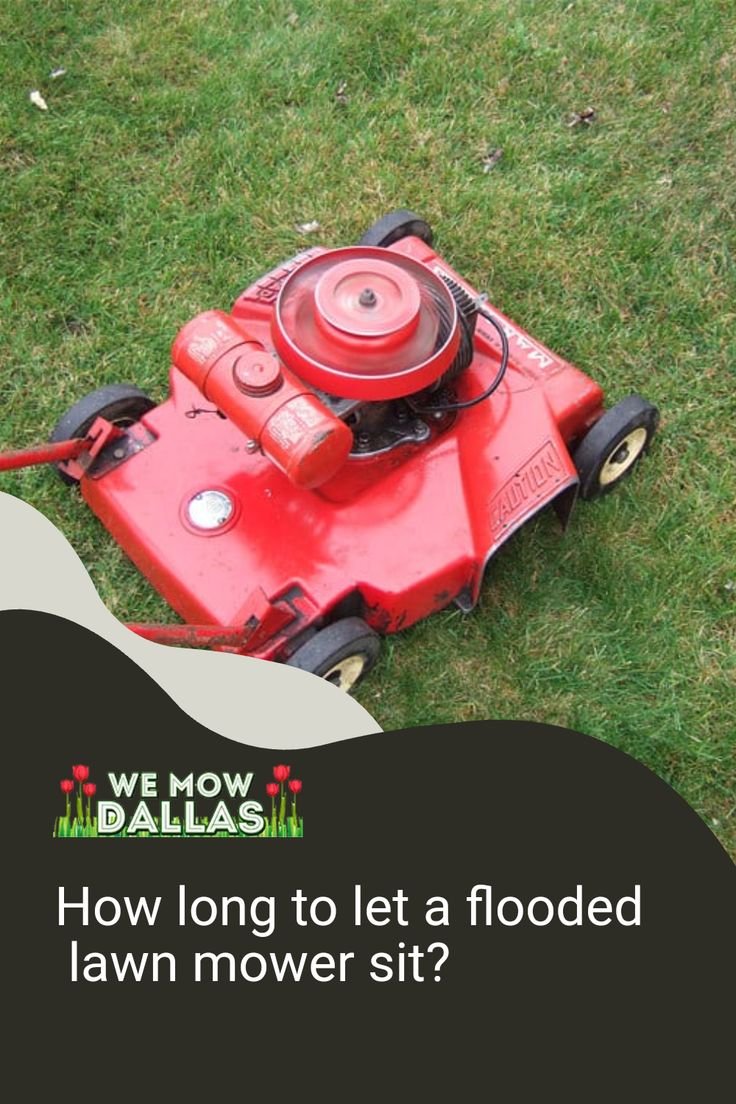
Look for a flooded engine
A flooded engine has too much fuel and not enough air. It may smell strongly of gasoline and fail to start after many pulls.
Move the choke to “run” or “off.” Do not press the primer bulb. Wait several minutes, then try again while holding the safety bar.
If fuel leaks from the carburetor or the problem keeps returning, stop and seek repair help.
Inspect the blade area
Grass can pack under the deck and restrict the blade. A bent blade or damaged deck can also create resistance.
Turn off the engine. Disconnect the spark plug wire or remove the battery. Tilt the mower only as described in the manual, because tilting the wrong way can let oil enter the air filter or exhaust.
Wear gloves when handling the blade. Do not test the blade by turning it with the spark plug connected.
Common starting problems and solutions
Use this table as a first check. It does not replace the owner’s manual or a technician’s diagnosis.
| Symptom | Likely cause | Safe first step |
|---|---|---|
| No sound when starting | Safety bar, battery, switch, or wiring issue | Check the bar, key, and battery connection |
| Engine turns but does not run | Old fuel, no spark, or wrong choke setting | Use fresh fuel and check the manual |
| Engine starts, then stops | Choke left on, clogged filter, or fuel flow issue | Move choke to run and inspect the filter |
| Starter cord is very hard to pull | Blocked blade or engine problem | Disconnect the spark plug and inspect safely |
| Strong fuel smell | Flooded engine or fuel leak | Stop, avoid flames, and let it air out |
| Black smoke | Too much fuel or restricted air | Turn off the mower and check the air filter |
| Starts only with repeated primer presses | Fuel or carburetor issue | Stop excessive priming and arrange service |
The safest repair is the one that stays within your skill level. A first-time owner can often replace a filter or spark plug with the manual. Internal carburetor work may be better for a repair shop.
How starting differs by mower type
Gas push mowers and self-propelled mowers start in much the same way. Riding mowers, zero-turn mowers, and some commercial models use extra safety switches.

Push gas mowers
A push mower relies on your effort to move across the lawn. It usually has a simple handle, safety bar, engine, deck, and blade.
Push mowers suit small, flat yards where the user can comfortably walk behind the machine. They are often easier to store and maintain than riding mowers.
A basic push mower can be a good choice for a renter or new homeowner with a small lot. It may not suit someone with a large yard, steep slope, or limited walking ability.
Self-propelled gas mowers
A self-propelled mower uses an engine-driven transmission to move the wheels. You still guide it, but you do not push its full weight across the grass.
These mowers can help on medium-size yards and gentle slopes. They suit users who want less physical effort but do not need a riding mower.
The drive control usually has a separate lever. Do not engage it until the engine is running. Drive cables and belts can wear over time, especially when used on hills or rough ground.
Riding and zero-turn mowers
Riding mowers require the operator to sit in a seat and use a key or push button. Safety switches may check the seat, brake, blade control, and transmission.
A zero-turn mower uses two drive levers to turn within a small space. It suits large, open yards with few obstacles. It is not a natural fit for a tiny lawn, narrow gate, or steep slope unless the model is rated for that terrain.
Always check the exact starting sequence. You may need to set the parking brake, place the transmission in neutral, keep the blade control off, and sit fully on the seat.
Battery and electric alternatives
Battery mowers use a rechargeable battery instead of gasoline. Corded mowers use an outdoor extension cord. Robotic mowers operate on a schedule within a boundary system.
Battery mowers can suit small and medium yards, noise-sensitive neighborhoods, and users who want less fuel handling. A corded mower may suit a very small yard near an outdoor outlet, but the cord can limit movement.
Reel mowers use a manual cutting reel. They suit small, level yards and users who do not mind walking at a steady pace. They may struggle with tall grass, weeds, rough ground, or thick turfgrass.
Matching the starting method to the yard and user
The best mower setup depends on more than engine size. Yard area, terrain, grass type, gate width, storage, and user strength all matter.

| Yard and user | Mower type that may suit | Main limitation |
|---|---|---|
| Small, flat yard and light user | Push gas, battery, or reel mower | Push models require walking effort |
| Medium yard with mild slopes | Self-propelled gas or battery mower | Drive parts and batteries need care |
| Large, open yard | Riding or zero-turn mower | Needs more storage and wider access |
| Narrow yard with many beds | Compact push mower | Turning and trimming take more time |
| Senior user with limited strength | Self-propelled or battery mower | Controls must be easy to reach |
| Noise-sensitive neighborhood | Battery or reel mower | Battery size may limit runtime |
| Tall, tough grass | Gas or high-power battery mower | Cutting height and blade care matter |
For a gift buyer, ask about storage space, yard size, slopes, gate width, and comfort with fuel. A heavy self-propelled gas mower may reduce pushing but still be difficult to lift, clean, or store.
For a new homeowner, a compact push mower may be enough for a small lot. Buying a riding mower for a small yard adds cost, storage needs, and maintenance without solving a real problem.
Mowing conditions that affect starting and cutting
Weather changes how a gas mower starts and how the lawn responds. The engine and turf both need the right conditions.

Wet grass
Wet grass can clump under the deck and make the mower work harder. It also creates a slip risk, especially on hills.
Do not mow wet grass on slopes. Wait until the surface is dry enough for stable footing and clean discharge.
Wet conditions can also spread disease across turfgrass and leave uneven clumps. If mowing cannot wait, raise the mowing height and take slower passes only when the ground is safe.
Drought and dry grass
Dry grass often breaks more easily and creates dust. A sharp blade and the correct mowing height can reduce stress.
Avoid cutting more than one-third of the grass blade at one time. The right height varies by grass type and climate, so check local turfgrass guidance.
Do not mow during extreme heat if the grass and soil are under severe stress. Timing can affect both the lawn and the operator.
Cold weather
Cold fuel and thick oil can make starting harder. Fresh fuel, the correct oil, and a clean spark plug can help.
Do not use starting fluid unless the engine maker specifically permits it. Starting fluid can damage some small engines and creates a fire risk if used carelessly.
Tall grass and thatch
Thatch is a layer of living and dead plant material between the soil and grass blades. A little thatch can be normal, but a thick layer can block water and air.
Tall grass may require several passes. Raise the deck first, then lower it in later cuts. This reduces engine strain and helps prevent grass from packing under the deck.
Features that affect ease of use
A few mower features can make starting and mowing easier, but each adds cost or maintenance.

Electric start
Electric start removes the need to pull a recoil cord. It can help seniors, users with limited hand strength, and anyone who dislikes repeated pulling.
The starter battery must stay charged. Confirm whether the mower includes the battery and charger, and check replacement cost and compatibility.
Automatic choke
An automatic choke reduces the need to choose a choke setting. It can help beginners, but it does not remove the need for fresh fuel, correct oil, and a clean air filter.
Mulching capability
Mulching cuts grass clippings into smaller pieces and returns them to the lawn. A mulching plug or kit usually blocks the side-discharge opening.
Mulching works best when the grass is dry and not excessively tall. It may not suit every lawn or mowing schedule.
Grass catcher
A grass catcher collects clippings. It helps when the lawn must look tidy or when clippings could be tracked indoors.
A full bag adds weight and requires frequent emptying. Make sure the bag fits the mower deck and is installed before starting.
Cutting height adjustment
The cutting height controls how much grass remains after mowing. A wide range gives you more control during drought, spring growth, and seasonal changes.
Adjust the height with the engine off. Keep hands away from the blade and follow the mower’s deck adjustment instructions.
Mower care after starting and mowing
A mower lasts longer when small problems are handled early. The blade, spark plug, air filter, belts, cables, and battery are common wear items.

| Part or task | Check or service | Why it matters |
|---|---|---|
| Blade | Inspect for bends and sharpen as needed | A dull blade tears grass and strains the engine |
| Spark plug | Inspect and replace by the manual schedule | Supports reliable ignition |
| Air filter | Clean or replace as specified | Protects the engine from dust |
| Engine oil | Check often and change as directed | Reduces internal wear |
| Drive belt or cable | Watch for slipping or weak drive | Maintains self-propelled operation |
| Battery | Charge and store as directed | Supports electric starting |
| Deck | Remove packed grass safely | Helps airflow and reduces corrosion |
Always disconnect the spark plug wire or remove the battery before cleaning under the deck. Never spray water directly at the engine, controls, or electrical parts.
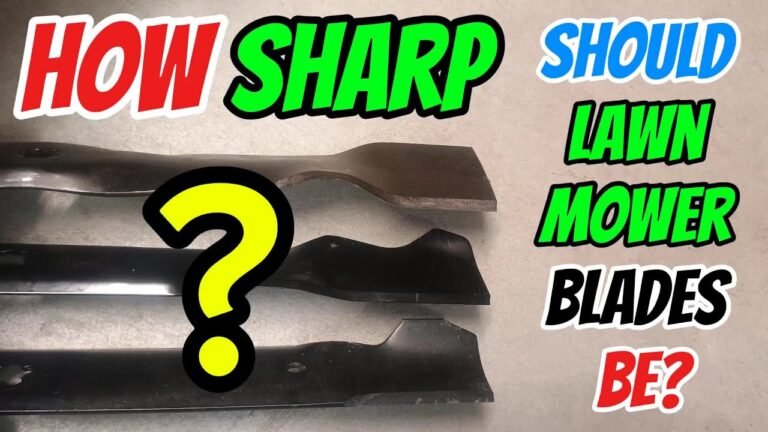
A sharp mower blade can help the grass recover from cutting. Have the blade balanced after sharpening. An unbalanced blade can cause vibration and damage.
Mistakes that make starting harder
Most starting trouble comes from a few repeat mistakes. Avoiding them is easier than repairing the result.

- Using old fuel: Gasoline can degrade and clog small fuel passages.
- Skipping the oil check: Low oil can damage the engine quickly.
- Leaving the choke on: The engine may smoke, surge, or stop.
- Overusing the primer bulb: Too much fuel can flood the engine.
- Pulling the cord weakly: A short, slow pull may not spin the engine fast enough.
- Starting indoors: Carbon monoxide can build up without warning.
- Mowing wet slopes: The user can lose footing, and the mower can slide.
- Ignoring vibration: A bent blade or loose part can become dangerous.
- Bypassing safety switches: This removes protection designed to stop the blade.
- Refueling a hot mower: Fuel can ignite on a hot engine or muffler.
💡 Pro Tip: If a mower starts and dies after a few seconds, first check whether the choke is still on. If that is not the cause, inspect the air filter and fuel age before taking apart the carburetor.
Storage and fuel advice
Good storage protects the mower between cuts and reduces cold-start problems. A dry garage or shed is useful, but the mower must still have airflow when running.

Short-term storage
For storage of a few days, remove grass from the deck and let the mower cool. Check for fuel leaks and keep the machine upright as directed.
Do not leave the mower where children can reach the controls. Store fuel in an approved container with the cap secured.
Long-term storage
For long storage, follow the engine maker’s instructions. You may need to use fuel stabilizer, run the engine briefly, drain fuel, change oil, or remove the battery.
Do not guess whether fuel should remain in the tank. Different fuel systems have different storage instructions. The owner’s manual is the correct source.
Protect electric-start batteries from extreme heat and cold. Store lithium-ion batteries in a dry place and use only the approved charger.
🌿 Eco and Disposal Note: Recycle lithium-ion batteries through a designated battery drop-off. Take old gasoline and used oil to a household hazardous-waste site. Donate or recycle a usable mower instead of sending it to a landfill.
Local rules and neighborhood concerns
Some cities restrict gas-powered lawn equipment because of noise or emissions. Some HOAs also set mowing hours or equipment rules.
📜 Check Local Rules: Confirm local noise ordinances, gas-equipment restrictions, fuel-storage laws, and HOA rules before buying or using a gas mower. Rules can differ between nearby towns.
A gas mower may not suit a small yard in a noise-sensitive neighborhood. A battery, corded, or reel mower may be a better fit if local rules allow it and the yard is suitable.
When to call a repair professional
Basic checks are reasonable for many homeowners. Stop and call a qualified repair shop when the issue involves fuel leaks, repeated flooding, internal engine noise, electrical damage, or a blade that will not stop correctly.

Professional help is wise when:
- The engine knocks, grinds, or vibrates heavily.
- Fuel leaks from the tank, line, or carburetor.
- The mower runs only with the air filter removed.
- The blade continues to spin after the safety bar is released.
- The starter cord jams or pulls back violently.
- The mower has a damaged deck or broken safety switch.
- You cannot safely identify the correct repair part.
- The mower still will not start after fresh fuel and basic checks.
Check the mower’s model number before ordering parts. Confirm the blade type, spark plug number, air-filter part number, battery voltage, and compatibility on the manufacturer’s product page or in the manual.
Frequently asked questions
Q: How many times should I pull the starter cord?
A: There is no single correct number. A healthy mower may start after one to several firm pulls. If it does not start after repeated attempts, stop and check the fuel, choke, primer, spark plug, air filter, and safety bar.
Q: Should the choke be open or closed when starting?
A: For a cold engine, use the choke or start setting listed in the manual. Once the engine runs, move the choke toward run. A warm engine often starts with the choke off or in the run position.
Q: Why does my gas mower start and then stop?
A: The choke may still be on, or the air filter may be blocked. Old fuel, a dirty carburetor, a faulty safety switch, or a low-oil shutdown can also cause the engine to stop.
Q: Can I start a gas mower on a hill?
A: Start on level ground whenever possible. Starting and mowing on a slope can reduce control and create a rollover or slip risk. Never mow wet grass on a hill, and follow the slope limits in the manual.
Q: Can I start a mower without holding the safety bar?
A: Usually no, and you should not bypass it. The safety bar is designed to stop the engine or blade when released. If it does not work correctly, have the mower repaired.
Q: Is electric start worth it on a gas mower?
A: Electric start can be worth it for seniors, users with limited hand strength, or anyone who dislikes pulling a recoil cord. It adds a battery and starter system that need charging and eventual replacement.
Q: What is the best mower for a small yard?
A: A compact push mower, battery mower, corded mower, or reel mower may suit a small, level yard. Choose based on storage space, grass height, noise limits, and how much walking effort the user wants.
Q: What is the best mower for hills?
A: A self-propelled mower may help on moderate slopes because it reduces pushing effort. It is not automatically safe on steep or wet hills. Check the manual’s slope guidance and consider professional lawn service for difficult terrain.
Q: How long does a gas lawn mower last?
A: Service life depends on build quality, mowing hours, storage, fuel care, and maintenance. A well-maintained mower can serve for many seasons, while neglected fuel, low oil, and rust can shorten its life.
Q: Can I use premium gasoline in my mower?
A: Use the fuel grade listed in the manual. Premium fuel is not automatically better for a small engine. Avoid fuel blends or ethanol levels that the manufacturer does not approve.
Q: Why is my mower hard to start when cold?
A: Cold fuel evaporates less easily, and cold oil becomes thicker. Old fuel, a dirty spark plug, a blocked air filter, or an incorrect choke setting can make the problem worse.
Q: Can I mow immediately after the engine starts?
A: Let the engine run briefly and settle. Move the choke toward run as directed. Do not rev the engine aggressively, and begin at a controlled pace in a clear area.
Q: Should I buy a gas mower or a battery mower?
A: Gas mowers can suit larger yards, tall grass, and users who want quick refueling. Battery mowers can suit small and medium yards, quieter neighborhoods, and people who prefer less fuel and engine maintenance. Compare deck width, battery voltage, amp-hours, runtime claims, weight, and replacement battery cost.
Final advice
Starting a gas lawn mower is a short routine: inspect the mower, check fuel and oil, set the cold-start controls, hold the safety bar, and pull the starter or use the electric-start control. If the mower does not start, avoid endless pulling. Check the simple causes first.
Choose the mower around the person and the yard. A compact push mower may be sensible for a small flat lawn. A self-propelled model may reduce effort on a medium yard. A riding or zero-turn mower belongs on larger properties with suitable storage and access.
Keep safety ahead of speed. Wear eye and hearing protection, use closed-toe shoes, clear debris, keep children and pets away, never refuel a hot engine, and disconnect the spark plug or remove the battery before service. When a fuel leak, damaged blade, or faulty safety control appears, stop using the mower and seek qualified help.
Affiliate disclosure: This article may contain affiliate links. If you buy a product through one of these links, we may earn a commission at no extra cost to you. Product availability, specifications, compatibility, and prices can change, so confirm current details on the manufacturer’s product page and in the owner’s manual.