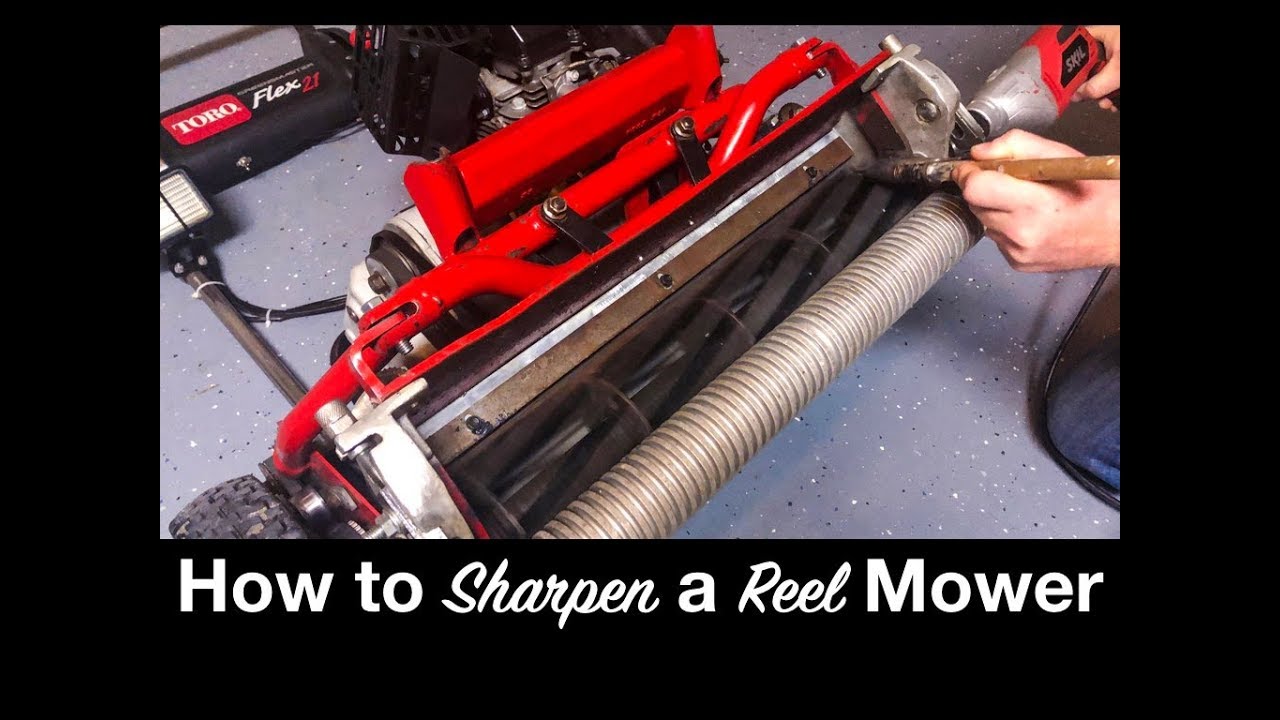
To sharpen a reel lawn mower blade, clean the mower, adjust the reel and bed knife, apply sharpening compound or use a suitable sharpening method, rotate the reel backward, and test the cutting performance before returning it to regular lawn use.
Across many U.S. lawns, homeowners use reel lawn mowers for their quiet operation, low maintenance needs, and ability to produce a precise grass cut. When a reel mower starts tearing grass instead of cutting it cleanly, dull blades are often the cause. Sharpening the reel and bed knife can restore cutting performance when the components are still in usable condition.
A reel mower blade sharpening process is different from sharpening a rotary mower blade because the cutting action depends on multiple curved reel blades working against a stationary bed knife. Proper adjustment, correct sharpening materials, and careful inspection are necessary to avoid damaging the cutting edges.
What You Need Before Sharpening a Reel Lawn Mower Blade
Before sharpening a reel mower, gather the correct tools and prepare a safe workspace. The exact equipment depends on the sharpening method, but most homeowners can perform basic maintenance with a reel mower sharpening kit and common hand tools.
Inspect the mower first because sharpening is only effective when the reel blades and bed knife are not severely damaged. Deep chips, bent blades, cracks, or uneven wear may require professional repair or replacement parts.
Source: i.ytimg.com
Required tools
A reel mower sharpening kit or grinding compound, brush or applicator, gloves, cleaning supplies, screwdriver or adjustment tools, and a way to rotate the reel backward.
Safety preparation
Wear gloves, keep hands away from the cutting edges, and place the mower on a stable surface before beginning any maintenance.
Inspection checklist
Check for rust, damaged cutting edges, loose components, and incorrect reel-to-bed-knife contact before sharpening.
How to Sharpen a Reel Lawn Mower Blade Step by Step
The most common DIY sharpening method for a reel mower is backlapping. This process uses an abrasive compound applied to the blades while the reel rotates backward, allowing the cutting surfaces to be restored gradually.
Follow the mower manufacturer’s instructions when available because reel designs and adjustment systems vary between models.
Source: i.ytimg.com
Step 1: Clean the mower
Remove grass clippings, dirt, and rust from the reel blades and bed knife. A clean surface helps you identify damage and improves sharpening results.
Step 2: Check blade contact
Adjust the reel and bed knife so they meet correctly. Excessive contact can cause unnecessary wear, while insufficient contact can prevent proper sharpening.
Step 3: Apply sharpening compound
Spread reel mower sharpening compound evenly across the cutting edges according to the product instructions.
Step 4: Rotate the reel backward
Turn the reel in the reverse direction so the abrasive compound works against the cutting edges. Continue until the blades develop a consistent contact pattern.
Step 5: Clean and test
Remove all sharpening compound, readjust the blades if needed, and test the mower by cutting a small section of grass or paper.
A correctly sharpened reel mower should slice grass cleanly instead of pulling, bending, or shredding the blades. The reel should rotate smoothly, and the cutting edges should have even contact across the width of the mower.
Clean cutting action
Grass should appear freshly cut with minimal tearing or frayed tips.
Even blade contact
The reel blades should contact the bed knife consistently without excessive resistance.
Different Ways to Sharpen Reel Mower Blades
Reel mower blades can be sharpened using several methods. The best option depends on the condition of the mower, available tools, and the level of precision required.
Source: i.ytimg.com
Backlapping
Backlapping is a common homeowner method that uses abrasive compound to restore the cutting edge without removing much metal.
Grinding
Professional grinding can correct more significant wear but requires proper equipment and knowledge to maintain the correct blade angle.
Sharpening kits
Commercial reel mower sharpening kits provide materials designed specifically for maintaining reel and bed knife contact.
Common Problems After Sharpening a Reel Mower
If the mower still performs poorly after sharpening, the issue may not be the blade sharpness alone. Reel mowers depend on correct alignment, adjustment, and blade condition.
Source: gardenprofy.com
Grass is still tearing
The reel and bed knife may not have proper contact, or the blades may have uneven wear that sharpening did not correct.
Reel is difficult to turn
Blade contact may be too tight. Reduce unnecessary friction by adjusting the reel according to the mower design.
Uneven cutting height
Check wheel adjustments, mower alignment, and bed knife positioning before sharpening again.
When You Should Not Sharpen the Blade Yourself
DIY sharpening may not be appropriate when the reel has major damage, severely worn cutting surfaces, bent blades, or structural problems. In these situations, professional servicing can prevent further damage.
Severely damaged blades
Large chips, cracks, or bent reel blades usually require repair instead of simple sharpening.
Incorrect blade geometry
Removing too much metal or changing the cutting angle can reduce mower performance.
How Often Should You Sharpen a Reel Lawn Mower Blade
The sharpening frequency depends on how often the mower is used, the size of the lawn, grass conditions, and whether the mower encounters dirt or debris. Many homeowners sharpen or touch up reel mower blades when cutting performance noticeably decreases.
Regular cleaning, proper storage, and avoiding contact with rocks or hard objects can help extend the time between sharpening sessions.
Source: gardenprofy.com
Light residential use
Occasional seasonal maintenance may be enough when mowing small, clean lawns.
Frequent mowing
More frequent inspection and sharpening may be needed for larger lawns or regular mowing schedules.
Frequently Asked Questions
Q
Can you sharpen a reel mower blade without removing it?
Yes, many reel mower sharpening methods, especially backlapping, can be performed without removing the reel assembly. However, access and adjustment depend on the mower design.
Q
How do I know if my reel mower blade needs sharpening?
Signs include grass blades that look torn or damaged, reduced cutting ability, uneven mowing results, and increased effort needed to push the mower.
Q
What sharpening compound should I use for a reel mower?
Use a sharpening compound specifically designed for reel mower maintenance. Follow the product instructions because abrasive strength and application methods vary.
Q
How long does it take to sharpen a reel mower blade?
The process time varies by mower condition and sharpening method. A basic backlapping session may take less than an hour for a properly maintained mower.
Q
Can a dull reel mower damage grass?
Yes, dull reel mower blades can crush or tear grass instead of making a clean cut, which may leave an unhealthy-looking lawn appearance.
✦ Wrapping Up
Conclusion
Learning how to sharpen a reel lawn mower blade helps homeowners maintain better cutting performance and extend the useful life of their mower. The key is maintaining proper reel and bed knife contact while using a method that matches the condition of the blades.
Regular inspection, careful cleaning, and correct sharpening techniques can keep a reel mower working efficiently. If the cutting edges are badly damaged, professional service may be the safer and more effective option.
💡 Key Takeaway
Inspect your reel mower before sharpening, use the correct sharpening method, and test the cut quality afterward to confirm the blades are working properly.
When your lawn mower clicks but doesn’t start, it feels like summer’s cruel joke. You’re ready to mow, the grass is tall, and instead of that satisfying engine hum, all you get is a frustrating “click.” That small sound means your mower wants to start—but something’s stopping it. Maybe it’s a weak battery, a bad…
When your Toro electric start lawn mower refuses to start, it’s easy to think the engine has failed or that something complex is wrong. But in most cases, the culprit is much simpler—the battery. The battery is the heart of your mower’s electric start system, and when it begins to fade, your reliable weekend mower…
When your DeWalt electric lawn mower not starting moment strikes, it often happens on the worst possible day—sunny weather, tall grass, and your schedule packed. You press the start button, expecting that familiar hum, but instead, nothing happens. No sound, no movement—just silence. Whether you’re using a DeWalt 20V, 40V cordless, or corded mower, this…
A lawn isn’t just a patch of green—it’s an expression of care, patience, and pride. When you step outside on a sunny morning and feel the cool grass under your feet, you know it’s worth every bit of effort. Taking care of your lawn properly in 2026 means understanding the changes in climate, new eco-friendly…
Learn how to use a gas lawn mower safely and correctly. This complete guide covers fueling, starting, mowing techniques, maintenance, troubleshooting, and common mistakes.