You can use a string trimmer as an edger by rotating the tool so the cutting head runs vertically, then carefully following the edge of sidewalks, driveways, and garden borders to create a clean line.
In many American homes, maintaining a neat lawn edge is part of regular yard care, especially along sidewalks, driveways, patios, and flower beds. A dedicated lawn edger is not always necessary because many string trimmers, also called weed eaters, can perform basic edging when used correctly.
Using a string trimmer as an edger requires the right technique, safe handling, and proper preparation. The goal is to control the spinning line so it removes grass growing over hard surfaces without damaging the lawn, equipment, or nearby landscaping.
What Does Using a String Trimmer as an Edger Mean?
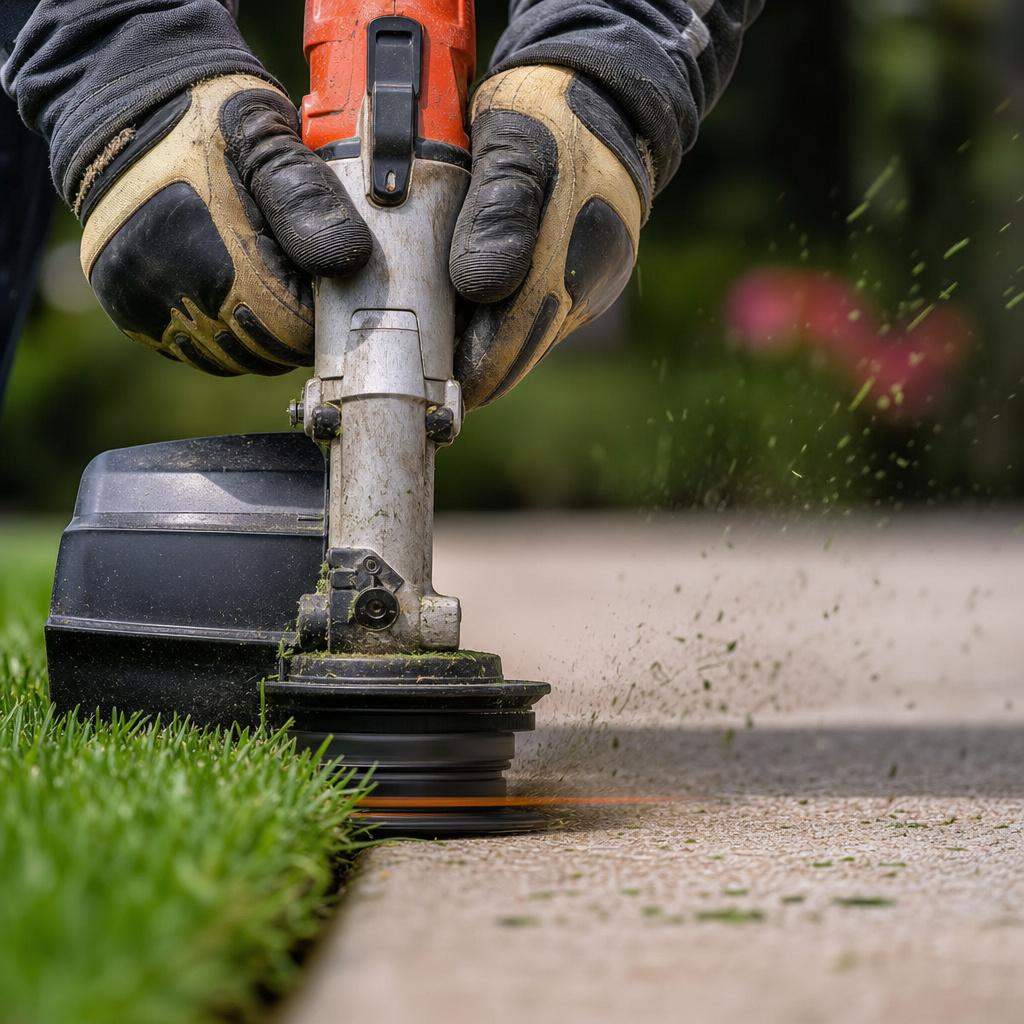
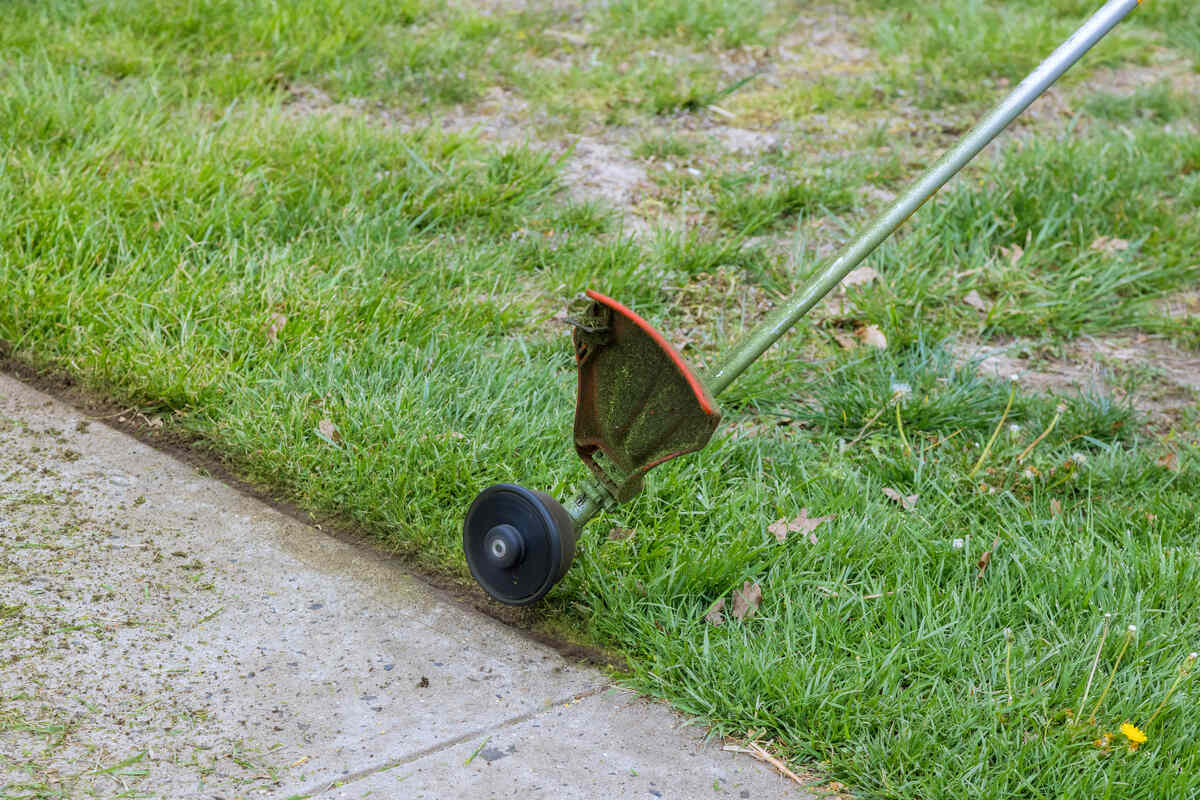
Using a string trimmer as an edger means turning the tool from its normal horizontal trimming position into a vertical cutting position. Instead of cutting grass from the top, the spinning string cuts along the side of the lawn to create a defined boundary.
Most string trimmers are designed primarily for trimming grass around obstacles, fences, and landscaping areas. However, many models can also handle light edging tasks when the user maintains control of the cutting head and follows a straight path.
Source: i.ytimg.com
String trimmer function
A string trimmer uses a rapidly rotating nylon line to cut grass and weeds in areas a mower cannot reach.
Edging function
Edging creates a visible separation between grass and hard surfaces such as sidewalks, driveways, and curbs.
What You Need Before Edging With a String Trimmer
Before starting, gather the necessary equipment and prepare the lawn area. Proper preparation improves control and reduces the chance of accidental damage.
Check the string trimmer manufacturer’s manual before changing positions or using additional features. Some models include rotating heads designed specifically for edging, while others require manual repositioning.
Source: lawnstarter.com
Safety gear
Wear safety glasses, closed-toe shoes, and hearing protection when operating a gas or electric string trimmer.
Proper string length
Use enough cutting line for effective cutting but avoid excessive line length that can reduce performance.
Clear workspace
Remove rocks, sticks, and debris that could be thrown by the spinning line.
Check the Trimmer Settings
Some string trimmers have adjustable heads, guide wheels, or edging modes. If your model includes these features, use them according to the manufacturer’s instructions instead of forcing the tool into a different position.
Battery and fuel check
Make sure cordless batteries are charged or gas-powered models have enough fuel before beginning.
How to Use a String Trimmer as an Edger Step by Step
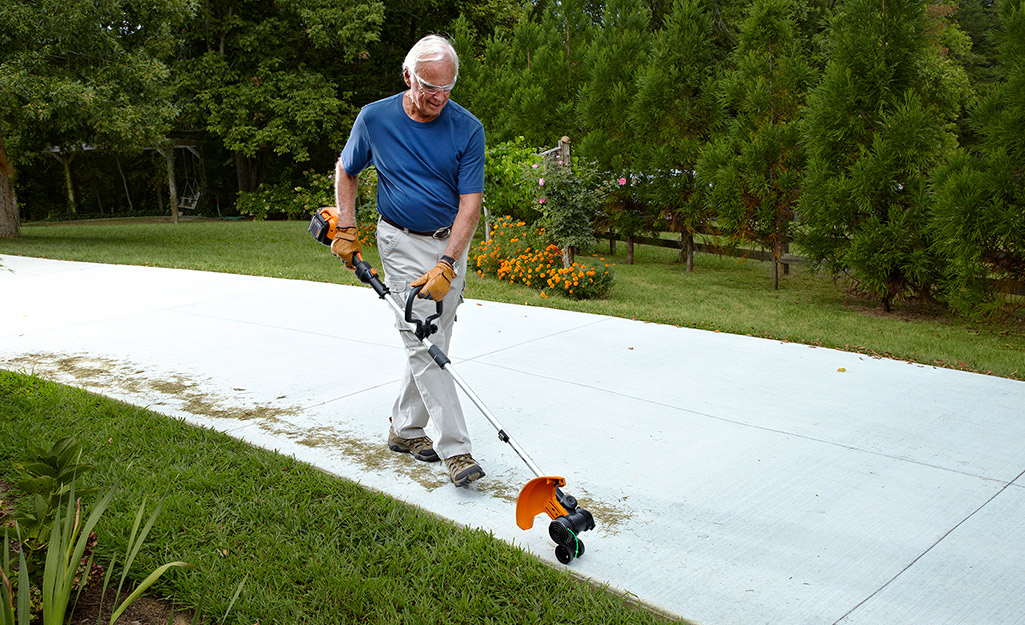
The basic process involves rotating the cutting head vertically, positioning the trimmer along the edge, and moving slowly while maintaining a consistent line.
A controlled approach produces a cleaner result than trying to remove too much grass in one pass.
Identify the border between grass and pavement or landscaping before turning on the trimmer.
Step 2: Rotate the trimmer
Turn the cutting head so the string spins vertically along the edge you want to cut.
Step 3: Position the tool
Hold the trimmer at a comfortable angle with the cutting line close to the edge without touching hard surfaces excessively.
Step 4: Move slowly
Walk forward gradually while keeping the cutting head at a consistent height and angle.
How to Know You Are Edging Correctly
A successful edge has a visible separation between grass and the surrounding surface. The line should look even, and the trimmer should not remove large sections of healthy turf.
Clean boundary
Grass should stop at a defined line instead of spreading onto sidewalks or driveways.
Controlled cutting
The trimmer should remove unwanted grass without creating deep grooves in the soil.
String Trimmer Edging Tips for Better Results
Good edging depends on technique more than speed. Small adjustments in your grip, walking pace, and cutting angle can significantly improve the final appearance.
Avoid using the string trimmer like a shovel or cutting tool for deep trenches. It is designed for surface cutting, not removing large amounts of soil.
Source: article.images.consumerreports.org
Keep a steady pace
Moving too quickly can leave uneven sections and missed grass.
Follow existing borders
Use sidewalks, driveways, or garden borders as guides for a straighter edge.
Maintain the trimmer
Replace worn line and clean debris from the cutting head to maintain performance.
Common Problems When Edging With a String Trimmer
Many edging problems happen because of incorrect positioning, worn equipment, or trying to cut more material than the tool is designed to handle.
Identifying the cause helps you correct the issue without damaging the lawn or the trimmer.
Source: i.ytimg.com
Uneven edge
This often happens when the user moves too quickly or changes the cutting height frequently.
String breaks often
Frequent contact with concrete, fences, or hard objects can wear down the cutting line faster.
Grass still hangs over pavement
Make another controlled pass rather than forcing the trimmer deeper.
A dedicated lawn edger may provide better results for homeowners who create deep, permanent borders or maintain large areas regularly. String trimmers are generally more flexible but may require more skill for perfectly straight edges.
Large properties
Frequent edging over many feet of pavement may be easier with a dedicated machine.
Safety Precautions When Using a String Trimmer as an Edger
String trimmers can throw rocks, grass clippings, and debris at high speed. Safety precautions are necessary every time the tool is operated.
Always follow the operating instructions provided with your specific trimmer because designs and safety features vary between models.
Source: contentgrid.homedepot-static.com
Protect your eyes
Safety glasses help protect against flying debris.
Avoid bystanders
Keep people and pets away from the work area while the trimmer is running.
Inspect before use
Check the cutting head, guard, and power source before operation.
Frequently Asked Questions
Q
Can any string trimmer be used as an edger?
Many string trimmers can perform basic edging, but the results depend on the model design, cutting head adjustment options, and user technique.
Q
Should the string trimmer head be vertical when edging?
Yes. For edging, the cutting head is usually positioned vertically so the string cuts along the side of the grass instead of across the top.
Q
How often should I edge my lawn?
The frequency depends on grass growth, weather, and personal preference. Many homeowners edge whenever grass begins growing over sidewalks or driveway edges.
Q
Why does my string trimmer leave a messy edge?
Common causes include moving too quickly, using an inconsistent angle, having worn cutting line, or trying to cut areas beyond the trimmer’s capability.
Q
Can edging with a string trimmer damage grass?
Yes, excessive cutting or digging too deeply can damage turf. Use light passes and avoid removing healthy grass unnecessarily.
✦ Wrapping Up
Conclusion
Using a string trimmer as an edger is a practical way to maintain clean lawn borders without owning a separate edging tool. The process works best when you prepare the area, position the trimmer correctly, and move slowly along the edge.
A string trimmer is most useful for regular lawn maintenance and smaller edging jobs. For larger projects or deep permanent borders, a dedicated edger may provide more consistent results.
💡 Key Takeaway
Start with a small section of your lawn, practice controlling the trimmer angle, and make gradual passes until you achieve a clean, even edge.
If you’ve ever gone out to mow your yard, turned the key, and your mower just sputters or refuses to start, you’re not alone. One of the most common reasons a riding lawn mower fuel filter not filling up after sitting or running is a problem in the fuel delivery system. It can be frustrating…
Losing the key to your lawn mower can feel like misplacing the remote right before your favorite show starts. Everything comes to a sudden stop. Your yard is growing, the sun is out, and your Ryobi mower stands there silent because one tiny piece of plastic and metal has gone missing. This happens more often…
When your lawn mower starts leaving behind ragged edges, uncut patches, or uneven streaks, it’s not always your mowing technique that’s to blame. In most cases, the culprit is a dull or damaged blade. For anyone using a Briggs & Stratton mower, replacing your blade is one of the simplest yet most powerful upgrades you…
When your lawn mower clicks but doesn’t start, it feels like summer’s cruel joke. You’re ready to mow, the grass is tall, and instead of that satisfying engine hum, all you get is a frustrating “click.” That small sound means your mower wants to start—but something’s stopping it. Maybe it’s a weak battery, a bad…
When you’re ready to mow and your riding lawn mower won’t start, it’s more than just a delay—it’s frustrating. You turn the key, hear a click, or maybe nothing at all, and realize the battery isn’t charging. Many homeowners face this issue every mowing season, and while it sounds complicated, it often comes down to…
When your riding lawn mower won’t start, it always seems to happen at the worst time — right when the grass is growing fast and your weekend plans depend on getting the yard done. It’s frustrating, but the good news is that most Riding Lawn Mower Not Starting issues come down to simple things like…