


Is your riding mower struggling to keep up with your lawn care routine? A slow mower can turn a quick job into a frustrating chore. The good news is, most causes are easy to spot and fix with basic maintenance.
Common culprits include a clogged air filter, dirty carburetor, or low engine oil. By checking these simple parts, you can often restore your mower’s speed and performance in under an hour. Don’t let a sluggish mower slow down your pride and joy—take action today.
Have you ever stepped on the gas, expecting your riding mower to zip across the lawn, only to be met with a sluggish, dragging pace? You’re not alone. Many homeowners notice their trusty mower losing power over time, turning what should be a quick and satisfying chore into a slow, laborious task. If your riding mower is moving slower than usual, it’s not just annoying—it could signal an underlying issue that needs attention. The good news? Most causes of a slow riding mower are fixable with a little know-how and some basic tools. In this article, we’ll walk you through the most common reasons your riding mower is running slow and how to diagnose and resolve them. Whether you’re dealing with a sputtering engine, weak acceleration, or just a general lack of speed, we’ve got you covered. Let’s get your mower back to its peak performance so you can get back to enjoying a beautifully maintained lawn.
A slow riding mower isn’t just a minor inconvenience—it can also lead to uneven cutting, grass stress, and even damage to the engine over time. When your mower doesn’t have the power it needs, it struggles to cut thick or tall grass, which can result in tearing rather than clean slicing. This not only ruins the appearance of your lawn but also encourages disease and weed growth. Additionally, an underperforming engine works harder than it should, increasing fuel consumption and wear on internal components. By identifying and addressing the root cause of your mower’s sluggishness, you’re not just restoring speed—you’re extending the life of your machine and improving your overall lawn care experience. So, let’s dive into the most likely culprits behind your slow riding mower.
Key Takeaways
- Air Filter Clogs: A dirty air filter restricts airflow to the engine, reducing power and causing your riding mower to run slowly. Replacing it every season can prevent this issue.
- Fuel System Problems: Old or contaminated fuel, or a clogged carburetor, can starve the engine of proper combustion, leading to sluggish performance. Clean or rebuild the carburetor to restore power.
- Oil Quality and Level: Using the wrong oil type or running on low oil creates extra friction, slowing down your engine. Always use manufacturer-recommended oil and check levels regularly.
- Spark Plug Issues: A fouled or worn spark plug fails to ignite fuel efficiently, causing misfires and reduced speed. Inspect and replace the plug annually for best results.
- Belt and Transmission Wear: Over time, drive belts stretch or transmission fluid degrades, reducing power transfer to the wheels. Inspect belts and top up fluid as needed.
- Engine Load and Blade Condition: Dull blades or tall grass force the engine to work harder, making the mower feel slow. Keep blades sharp and avoid mowing wet grass.
- Spark Arrestor and Muffler Blockage: Carbon buildup in the exhaust system restricts engine breathing, lowering performance. Clean these components every 25 hours of use.
📑 Table of Contents
Common Causes of a Slow Riding Mower
There are several reasons your riding mower might be running slow, ranging from simple maintenance oversights to more complex mechanical issues. Understanding these causes can help you pinpoint the problem quickly and get back to mowing efficiently. Let’s explore the most frequent issues that lead to reduced mower performance.
Engine Power Loss
One of the primary reasons your riding mower is slow is engine power loss. The engine is the heart of your mower, and any disruption in its ability to generate power will directly affect speed and performance. Power loss can stem from a variety of sources, including fuel delivery problems, air intake restrictions, or internal engine wear. When the engine can’t breathe properly or burn fuel efficiently, it simply can’t produce the same level of output. This is why regular maintenance is so important—keeping the engine clean, well-lubricated, and free of blockages ensures it operates at peak capacity.
Fuel System Issues
The fuel system is responsible for delivering the right mixture of air and fuel to the engine for combustion. If this system isn’t functioning correctly, the engine won’t run smoothly or with full power. Common fuel system problems include clogged fuel filters, dirty carburetors, or old, contaminated fuel. For example, if you’ve been storing your mower without using the fuel stabilizer, the gas may have turned into a thick, varnish-like substance that clogs fuel lines and blocks the carburetor. This prevents proper fuel flow and leads to a sluggish engine. Regularly changing the fuel filter and using fresh fuel can prevent these issues.
Belt and Transmission Problems
The belts and transmission system are responsible for transferring engine power to the wheels. Over time, drive belts can stretch, wear out, or become loose, reducing the efficiency of power transfer. Similarly, the transmission fluid can degrade or leak, causing the mower to move slowly or not respond to throttle input. If your mower has a hydrostatic transmission, low fluid levels or contamination can cause sluggish movement and difficulty in steering. Inspecting the belts for cracks, fraying, or looseness and checking fluid levels regularly can help maintain smooth operation.
Air and Exhaust Restrictions
Just like a human can’t breathe properly with a stuffy nose, your mower’s engine needs clear air intake and exhaust pathways to function efficiently. A clogged air filter or a blocked spark arrestor and muffler can severely restrict airflow, leading to poor combustion and reduced power. For instance, if the air filter hasn’t been replaced in over a year, it can become caked with dirt and debris, starving the engine of oxygen. Similarly, carbon buildup in the exhaust system can create backpressure, making the engine work harder and run slower. Regular cleaning and replacement of these components are essential for optimal performance.
Engine Load and Blade Condition
Sometimes, the issue isn’t with the engine itself but with the load it’s under. Dull or damaged blades require the engine to work harder to cut grass, which can make the mower feel sluggish. Additionally, mowing wet grass or tall, overgrown areas increases the resistance, forcing the engine to struggle. If your blades are worn or unbalanced, they can also cause vibration and uneven cutting, further straining the engine. Keeping your blades sharp and well-maintained ensures the engine doesn’t have to compensate for poor cutting efficiency.
How to Diagnose a Slow Riding Mower
Visual guide about Why Is My Riding Mower So Slow
Image source: i0.wp.com
Diagnosing a slow riding mower starts with a systematic approach. Begin by checking the most common and easily fixable issues before moving on to more complex repairs. Here’s a step-by-step guide to help you identify the root cause.
Check the Air Filter
A clogged air filter is one of the most frequent causes of engine slowdown. The air filter prevents dirt and debris from entering the engine, but over time, it can become clogged with particles, restricting airflow. Start by locating the air filter housing—usually on the side of the engine. Remove the cover and inspect the filter. If it’s dirty or looks caked with debris, replace it with a new one. A clean air filter ensures the engine gets the oxygen it needs for efficient combustion.
Inspect the Fuel System
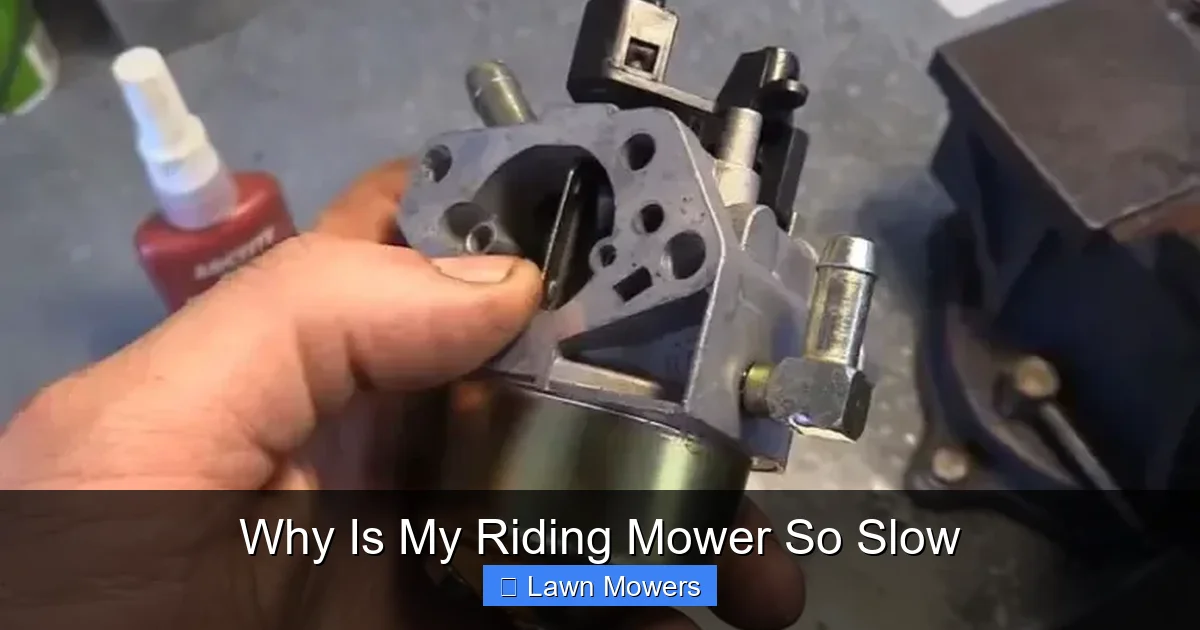
Next, examine the fuel system. Check the fuel filter for clogs and replace it if necessary. Also, inspect the fuel lines for cracks or blockages. If your mower has been sitting for a while, drain the old fuel and refill with fresh gasoline. Adding a fuel stabilizer before storage can prevent future buildup. If the carburetor is accessible, clean it using a carburetor cleaner spray. This removes varnish and debris that can impede fuel flow.
Examine the Spark Plug
A faulty spark plug can cause misfires and reduce engine power. Remove the spark plug and inspect it for signs of wear, fouling, or carbon buildup. If the electrode is blackened or corroded, replace the plug. Ensure the gap is set to the manufacturer’s specifications. A properly functioning spark plug ensures consistent ignition, which is crucial for engine performance.
Check Engine Oil
Low or dirty engine oil increases friction and strain on the engine, leading to slower operation. Check the oil level using the dipstick and top it off if necessary. Also, inspect the oil’s color and consistency. If it’s dark, gritty, or smells burnt, it’s time for an oil change. Always use the oil type recommended by the manufacturer.
Inspect Belts and Transmission
For belt-driven mowers, check the drive belt for signs of wear, cracks, or looseness. A loose belt may slip, reducing power transfer. Tighten or replace it as needed. If your mower has a hydrostatic transmission, check the fluid level and condition. Low or contaminated fluid can cause sluggish movement. Refer to the owner’s manual for the correct fluid type and capacity.
Clean the Exhaust System
A blocked spark arrestor or muffler can restrict exhaust flow, reducing engine efficiency. Remove the spark arrestor (usually located near the muffler) and clean it with a wire brush or replace it if damaged. Also, check for carbon buildup in the muffler and remove any obstructions.
Step-by-Step Fixes for a Slow Riding Mower
Visual guide about Why Is My Riding Mower So Slow
Image source: journeymanhq.com
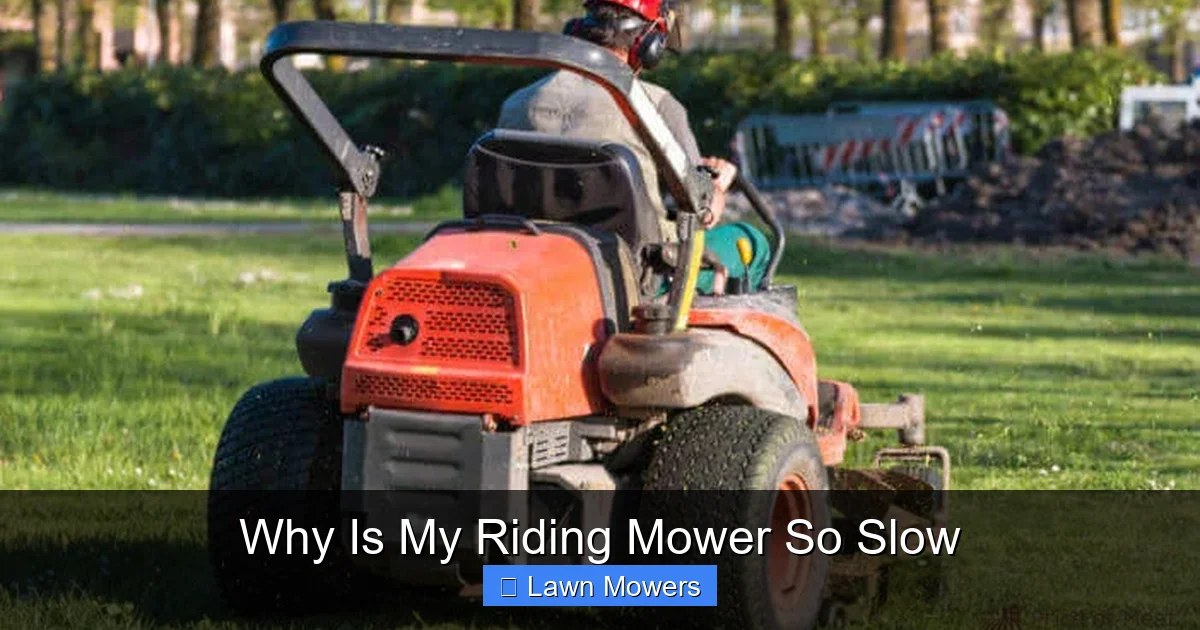
Once you’ve identified the issue, it’s time to take action. Here’s how to fix the most common causes of a slow riding mower.
Replace the Air Filter
1. Turn off the mower and disconnect the spark plug wire for safety.
2. Locate the air filter housing and remove the cover.
3. Take out the old filter and inspect it.
4. Install a new filter, ensuring it fits snugly.
5. Reattach the cover and reconnect the spark plug wire.
Clean or Replace the Carburetor
1. Remove the carburetor from the engine.
2. Disassemble it carefully and spray each part with carburetor cleaner.
3. Use compressed air to blow out any remaining debris.
4. Reassemble and reinstall the carburetor.
5. Start the mower and test performance.
Change the Engine Oil
1. Warm up the engine for a few minutes.
2. Drain the old oil into a container.
3. Replace the oil filter if applicable.
4. Fill with the recommended oil type and quantity.
5. Start the engine and check for leaks.
Sharpen or Replace Blades
1. Disconnect the spark plug wire.
2. Lift the mower and secure it safely.
3. Remove the blades using a wrench.
4. Sharpen the blades with a file or take them to a professional.
5. Reinstall the blades and reconnect the spark plug wire.
Check and Replace the Spark Plug
1. Remove the spark plug using a socket wrench.
2. Inspect the plug for damage or fouling.
3. Replace it with a new plug of the correct specification.
4. Reinstall and reconnect the wire.
Top Up Transmission Fluid
1. Locate the transmission fluid dipstick.
2. Check the level and condition.
3. Top up with the recommended fluid if low.
4. Start the mower and check for smooth operation.
Preventive Maintenance Tips
Visual guide about Why Is My Riding Mower So Slow
Image source: i.ytimg.com
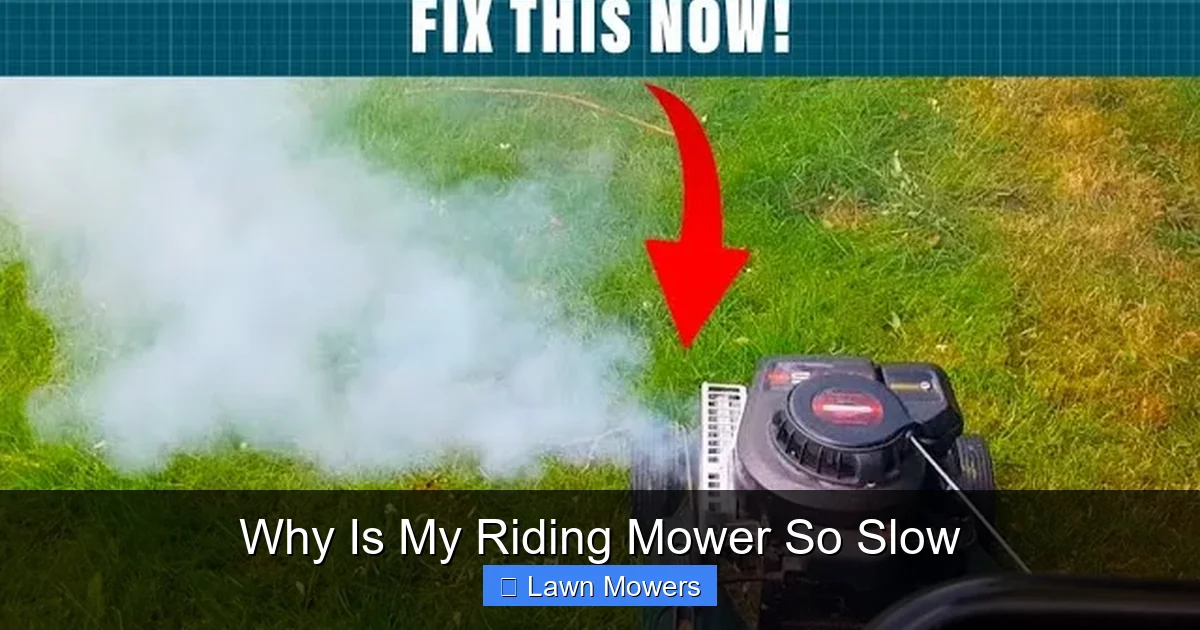
Preventing a slow riding mower starts with regular maintenance. Here are some tips to keep your mower running at full speed.
Follow the Maintenance Schedule
Refer to your owner’s manual for the recommended maintenance schedule. This typically includes changing the oil, replacing the air filter, and inspecting belts every season. Sticking to this schedule can prevent many common issues.
Use Fresh Fuel
Always use fresh gasoline and add a fuel stabilizer if storing the mower for extended periods. Old fuel can gum up the fuel system and cause slow performance.
Store Properly
Store your mower in a dry, covered area to protect it from moisture and debris. This helps prevent rust and keeps components clean.
Clean After Each Use
After mowing, remove grass clippings and debris from the deck and around the engine. This prevents blockages and keeps the mower running smoothly.
Inspect Before Use
Before each mowing session, do a quick inspection of the blades, belts, and fluid levels. Catching small issues early can prevent bigger problems later.
When to Call a Professional
While many slow mower issues can be fixed at home, some problems require professional attention. If you’ve tried the above steps and your mower still isn’t performing well, it’s time to call a technician. Signs that you need professional help include persistent loss of power, unusual noises, or fluid leaks. A certified technician can diagnose complex issues like internal engine damage or transmission failure and provide the necessary repairs.
Conclusion
A slow riding mower can be frustrating, but with the right knowledge and tools, most issues are fixable. By regularly checking the air filter, fuel system, spark plug, and engine oil, you can keep your mower running at peak performance. Simple tasks like cleaning the carburetor, sharpening blades, and maintaining proper fluid levels go a long way in preventing slowdowns. Remember, preventive maintenance is key—don’t wait until your mower is completely sluggish to take action. With a little care and attention, you’ll enjoy faster, more efficient mowing sessions and a healthier, more beautiful lawn. So roll up your sleeves, tackle those common causes, and get your riding mower back to its full speed in no time.
Frequently Asked Questions
Why is my riding mower not going fast even with the gas pedal pressed?
This is often due to a clogged air filter, dirty carburetor, or low engine oil. These issues restrict airflow, fuel flow, or increase engine friction, reducing speed. Check and clean or replace these components to restore performance.
Can old fuel cause my riding mower to run slow?
Yes, old fuel can gum up the fuel system and clog the carburetor. Always use fresh gasoline and add a fuel stabilizer when storing your mower for long periods to prevent this issue.
How often should I change the air filter on my riding mower?
It’s recommended to replace the air filter once per season or every 25 hours of use. A dirty filter restricts airflow and reduces engine power.
What should I do if my riding mower is slow after mowing tall grass?
Ensure your blades are sharp and not damaged. Dull blades force the engine to work harder, making the mower feel slow. Replace or sharpen the blades as needed.
Can low transmission fluid cause a slow riding mower?
Yes, low or contaminated transmission fluid can reduce the efficiency of power transfer, causing sluggish movement. Check the fluid level and condition, and top up with the recommended type if necessary.
Is it safe to mow with a slow riding mower?
While it’s safe to use a slow mower, it’s not ideal. A slow mower may struggle with thick grass, leading to uneven cuts and potential engine strain. Address the issue promptly to maintain performance and lawn health.
