


Kubota zero turn mowers are powerful, reliable machines, but like any equipment, they can develop issues over time. From engine stalling to steering problems, understanding common Kubota zero turn mower problems helps you troubleshoot quickly and avoid costly repairs. With proper care and timely fixes, your mower will deliver consistent performance season after season.
Key Takeaways
- Understanding Kubota Zero Turn Mower Problems: Provides essential knowledge
📑 Table of Contents
- Introduction: Why Kubota Zero Turn Mowers Are Worth the Investment
- 1. Engine Problems: When Your Mower Won’t Start or Runs Rough
- 2. Steering and Control Issues: When the Mower Feels “Off”
- 3. Hydrostatic Transmission Problems: Sluggish or No Movement
- 4. Cutting Deck Malfunctions: Uneven Cuts and Poor Performance
- 5. Electrical and Battery Issues: Starting Problems and Dashboard Errors
- 6. Overheating and Cooling System Failures
- 7. Preventative Maintenance: The Best Defense Against Problems
- Conclusion: Stay Ahead of the Curve
Introduction: Why Kubota Zero Turn Mowers Are Worth the Investment
If you’re serious about lawn care, you’ve probably heard of Kubota zero turn mowers. These machines are known for their speed, precision, and powerful performance—ideal for large lawns, golf courses, and commercial properties. But even the best equipment isn’t immune to problems. Over time, Kubota zero turn mower problems can arise, ranging from minor annoyances to serious mechanical issues.
Understanding what these issues are and how to address them can save you time, money, and frustration. This guide dives deep into the most common problems riders face, why they happen, and—most importantly—how to fix them. Whether you’re a homeowner or a professional landscaper, knowing your mower inside and out means a healthier lawn and fewer breakdowns.
In this article, we’ll explore engine troubles, steering and control challenges, hydrostatic transmission issues, deck malfunctions, electrical problems, overheating concerns, and how routine maintenance can prevent many of these headaches. By the end, you’ll feel confident tackling most Kubota zero turn mower problems on your own.
1. Engine Problems: When Your Mower Won’t Start or Runs Rough

Visual guide about Kubota Zero Turn Mower Problems
Image source: farmsunseed.com
One of the most frustrating issues you might encounter is when your Kubota zero turn mower won’t start or runs unevenly. Engine problems are often the first sign that something’s not right. Fortunately, many of these issues have simple solutions.
Fuel System Issues
Old or contaminated fuel is a leading cause of engine failure. Gasoline can degrade over time, especially if the mower sits unused for weeks. This creates gum and varnish deposits that clog fuel lines and carburetors.
Example: You fire up your mower after a long winter, but it sputters and dies. A quick inspection reveals stale fuel in the tank—common in mowers stored without fuel stabilizers.
Tip: Always use fresh fuel and consider adding a stabilizer before storing your mower. Drain and replace old fuel if you notice poor performance.
Air Filter Clogs
A dirty air filter restricts airflow to the engine, reducing performance and fuel efficiency. Over time, grass clippings, dust, and debris accumulate, starving the engine of oxygen.
Example: Your mower starts but lacks power, especially at higher RPMs. A quick check reveals a heavily clogged air filter.
Tip: Inspect and replace the air filter every 50 hours of use or once per season. Use a compressed air hose to clean reusable filters gently.
Spark Plug Failure
Worn or fouled spark plugs are another common culprit. If the plug isn’t creating a strong spark, the engine won’t ignite properly.
Example: The mower cranks but won’t start. After checking fuel and air, you replace the spark plug—and it fires right up.
Tip: Replace spark plugs annually or every 100 hours. Use the correct heat range and gap setting for your model.
Oil and Lubrication Problems
Low or degraded oil can cause engine damage quickly. Kubota mowers require regular oil changes to keep internal components running smoothly.
Example: After noticing a burning smell, you check the oil and find it’s dark and thick—signs of sludge buildup.
Tip: Change the oil every 50 hours or once per year. Use high-quality SAE 10W-30 oil as recommended in your owner’s manual.
2. Steering and Control Issues: When the Mower Feels “Off”

Visual guide about Kubota Zero Turn Mower Problems
Image source: lawnask.com
Kubota zero turn mowers are designed for precise control, but steering problems can make mowing difficult and uneven. These issues often stem from hydraulic or mechanical wear.
Air in the Hydraulic System
Air bubbles in the hydraulic fluid can cause spongy steering and sluggish response. This usually happens after fluid leaks or improper bleeding.
Example: You turn the steering wheel, but the mower moves slowly or hesitates. A mechanic finds air trapped in the system after a recent fluid change.
Tip: Follow the correct bleeding procedure in your manual. Turn the steering wheels fully left and right several times to purge air.
Worn Steering Components
Over time, steering arms, bushings, and pivot pins wear out. This leads to loose steering or uneven turning.
Example: The mower drifts to one side when turning, and you hear grinding noises during operation.
Tip: Inspect steering components annually. Replace worn parts and lubricate joints with high-temperature grease.
Misaligned Steering Wheels
If the front wheels aren’t aligned properly, the mower won’t track straight. This can also strain the hydraulic system.
Example: After hitting a curb, the mower pulls to the left during forward movement.
Tip: Use a tape measure or laser level to check alignment. Adjust caster wheels according to the manufacturer’s specifications.
3. Hydrostatic Transmission Problems: Sluggish or No Movement
Visual guide about Kubota Zero Turn Mower Problems
Image source: i.ytimg.com
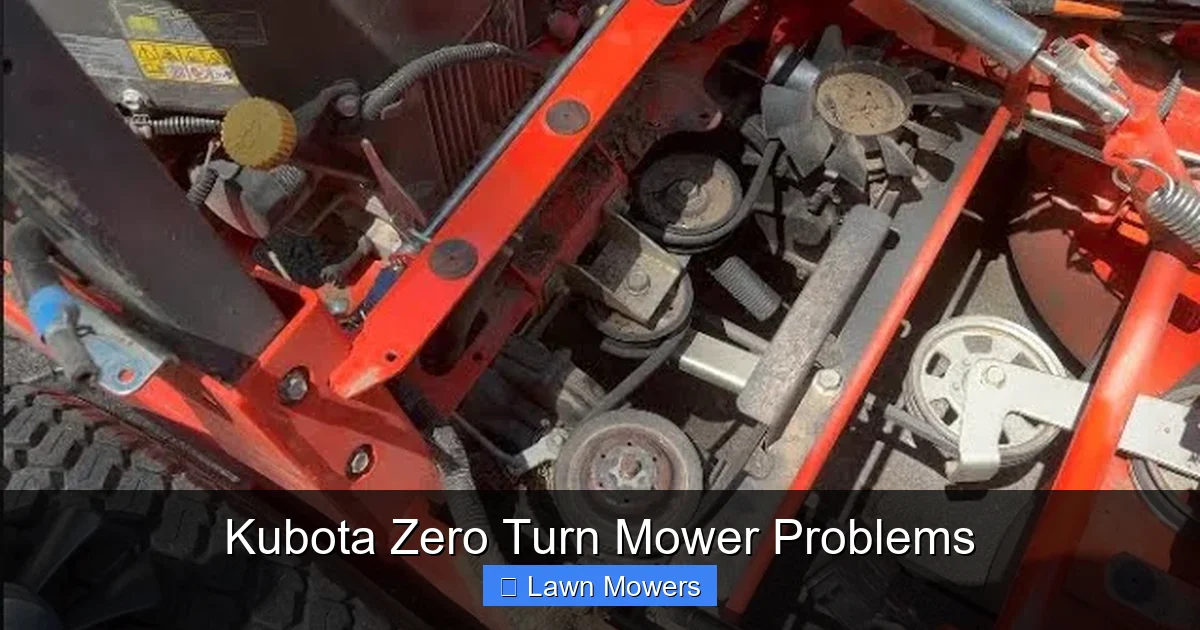
The hydrostatic transmission (HST) is the heart of your zero turn mower’s drivetrain. If it’s not working right, you’ll lose speed and control.
Low or Contaminated Hydraulic Fluid
Hydraulic fluid powers the drive system. Low levels or dirty fluid can cause poor performance or complete failure.
Example: The mower moves slowly or not at all. A fluid check reveals low levels and dark, gritty fluid.
Tip: Check fluid levels weekly and top off with the correct ISO 46 or 68 hydraulic fluid. Change the filter and fluid every 200 hours.
Worn Drive Belts
Drive belts transfer power from the engine to the transmission. Over time, they stretch, crack, or break.
Example: The mower starts but the wheels don’t turn. A visual inspection shows a frayed belt.
Tip: Inspect belts every 100 hours. Replace if cracked, glazed, or loose. Use a tension gauge for proper adjustment.
Hydraulic Leaks
Leaks in hoses or seals reduce fluid pressure and cause the mower to lose power. Common leak points include the pump, motors, and hoses.
Example: You notice oil spots under the mower and reduced performance. A pressure test reveals a leak in the left-side hydraulic line.
Tip: Tighten fittings and replace damaged hoses. Use thread seal tape and torque specs from the manual.
4. Cutting Deck Malfunctions: Uneven Cuts and Poor Performance
The cutting deck is what gives your lawn a professional finish. When it’s not working right, your grass looks patchy and uneven.
Dull or Damaged Blades
Blades lose sharpness over time, leading to tearing instead of clean cuts. Dull blades also strain the engine.
Example: Your lawn has ragged edges and brown tips after mowing. You inspect the blades and find them chipped and dull.
Tip: Sharpen or replace blades every 25 hours or once per season. Use a file or grinder and balance the blades afterward.
Belt Wear and Breakage
Deck belts connect the engine to the blades. A broken or slipping belt means no cutting power.
Example: The engine runs, but the deck doesn’t spin. A quick check reveals a snapped belt.
Tip: Inspect belts monthly for cracks and wear. Replace if more than 10% stretched or frayed.
Deck Misalignment
If the deck isn’t level or is tilted incorrectly, you’ll get uneven cutting. This often happens after deck removal or impact.
Example: One side of the lawn is shorter than the other. You measure the deck and find it’s tilted forward.
Tip: Adjust deck height and angle using the lift pedals and leveling bolts. Check alignment with a straightedge.
Clogged Underdeck
Grass clippings and debris build up under the deck, reducing airflow and causing uneven mulching.
Example: After mowing, clumps of grass stick to the underside, and the deck overheats.
Tip: Clean under the deck weekly during mowing season. Use a brush or pressure washer (low setting).
5. Electrical and Battery Issues: Starting Problems and Dashboard Errors
Modern Kubota mowers have complex electrical systems. When they fail, starting issues or error codes can appear.
Weak or Dead Battery
A weak battery is the most common electrical problem. Cold weather and long storage can drain even good batteries.
Example: The mower turns over slowly and won’t start. A voltage test shows 11.2 volts—below the 12.4V threshold.
Tip: Test the battery every season. Charge or replace if voltage drops below 12 volts.
Corroded Terminals
Corrosion on battery terminals increases resistance and prevents proper charging.
Example: The mower starts but dies after a few minutes. You find greenish crust around the terminals.
Tip: Clean terminals with a wire brush and baking soda solution. Apply dielectric grease to prevent future corrosion.
Faulty Solenoid or Starter
A bad solenoid won’t engage the starter motor. This causes clicking sounds but no cranking.
Example: You hear a rapid clicking when turning the key, but the engine doesn’t turn over.
Tip: Test the solenoid with a multimeter. Replace if it fails to close the circuit.
Dashboard Warning Lights
Error codes on the display can point to serious issues like overheating or low oil.
Example: The mower starts but the temperature light stays on. A diagnostic scan reveals a coolant sensor fault.
Tip: Refer to the service manual for error code meanings. Reset the system after fixing the issue.
6. Overheating and Cooling System Failures
Kubota mowers are built to run hard, but overheating can damage the engine and shorten its lifespan.
Blocked Air Intake
Grass, leaves, and dirt can clog the air intake grille, reducing airflow to the radiator.
Example: The mower runs hot and shuts down after 20 minutes. You find a thick layer of debris in the intake.
Tip: Clean the intake grill daily during heavy mowing. Use compressed air to clear vents.
Dirty Radiator
A clogged radiator can’t dissipate heat effectively, leading to engine overheating.
Example: The mower overheats in hot weather. A visual inspection shows the radiator packed with grass and mud.
Tip: Flush the radiator with water or compressed air every 100 hours. Avoid high-pressure washes.
Low Coolant Levels
Some Kubota models use coolant instead of just water in the cooling system. Low levels cause overheating.
Example: The temperature gauge climbs quickly, even on mild days.
Tip: Check coolant levels weekly. Use a 50/50 mix of antifreeze and distilled water.
Faulty Thermostat
A stuck thermostat can prevent proper coolant flow, causing hot spots in the engine.
Example: The mower runs hot at idle but cools when revved. A test shows the thermostat isn’t opening.
Tip: Replace the thermostat every 3 years or as recommended. Use a thermostat testing kit.
7. Preventative Maintenance: The Best Defense Against Problems
The best way to avoid Kubota zero turn mower problems is with consistent maintenance. A well-cared-for mower runs smoother, lasts longer, and saves you money.
Follow the Maintenance Schedule
Refer to your owner’s manual for oil changes, filter replacements, and fluid checks. Kubota recommends servicing every 50–100 hours.
Tip: Keep a maintenance log. Track hours, services, and repairs to spot patterns early.
Store Properly
Always drain fuel or use a stabilizer before winter storage. Store in a dry, covered area.
Tip: Use a battery maintainer to keep the battery charged during long storage.
Inspect Before Each Use
Check oil, fluid, belts, and blades before mowing. Fix small issues before they grow.
Tip: Make inspection a habit—like brushing your teeth.
Use Quality Parts
Always use OEM or high-quality aftermarket parts. Cheap alternatives wear faster and cause more problems.
Tip: Buy from authorized dealers or trusted suppliers.
Keep It Clean
Wash the mower after use, especially under the deck and around the engine. Dirt and moisture lead to rust and corrosion.
Tip: Use a garden hose with low pressure—never high-pressure washers near electrical components.
Conclusion: Stay Ahead of the Curve
Kubota zero turn mowers are powerful tools, but they’re not invincible. From engine stalling to steering issues, understanding common Kubota zero turn mower problems empowers you to act fast and prevent major damage. By staying on top of maintenance, learning to spot warning signs, and using the right parts, you’ll keep your mower running like new for years.
Remember, most issues have simple fixes—you don’t need to be a mechanic. With a little knowledge and regular care, you’ll spend less time troubleshooting and more time enjoying a perfectly cut lawn. Whether you’re mowing 5 acres or 50, your Kubota is worth the investment—and the upkeep.
Frequently Asked Questions
Why won’t my Kubota zero turn mower start?
Common causes include old fuel, a clogged air filter, a faulty spark plug, or a weak battery. Check these components first, and refer to your owner’s manual for troubleshooting steps.
How often should I change the oil in my Kubota zero turn mower?
Kubota recommends changing the oil every 50 hours of operation or once per year, whichever comes first. Use SAE 10W-30 oil for best results.
What should I do if my mower is overheating?
Check for blocked air intakes, a dirty radiator, or low coolant levels. Clean the intake grill and radiator, and inspect the cooling system for leaks or damage.
Can I use regular gas in my Kubota zero turn mower?
Yes, but use fresh, unleaded gasoline with an octane rating of 87 or higher. Avoid ethanol blends over 10% to prevent fuel system damage.
How do I fix steering that feels loose or spongy?
Spongy steering is often caused by air in the hydraulic system. Bleed the system by turning the wheels fully left and right several times. Also check for worn steering components.
Why is my mower cutting unevenly?
Uneven cutting can result from dull blades, a misaligned deck, or a broken belt. Inspect and sharpen or replace blades, check deck level, and replace worn belts.
