


Fertilizing your lawn is one of the most effective ways to promote healthy grass growth, deep roots, and vibrant color. A well-planned fertilization schedule ensures your lawn gets the right nutrients at the right time, leading to a stronger defense against weeds and pests. Whether you’re a beginner or a seasoned gardener, this Lawn Fertilization Guide will walk you through everything you need to know—from soil testing to choosing the best fertilizer—so your yard thrives all season long.
Have you ever stepped outside and marveled at that picture-perfect lawn—lush, green, and full of life? Now imagine your yard looking like that, but without the guesswork. Whether you’re aiming for a park-like yard or just want to keep your grass healthy and stress-free, lawn fertilization is one of the most powerful tools in your gardening arsenal. But here’s the thing: not all fertilizers are the same, and applying them at the wrong time or in the wrong way can do more harm than good.
This Lawn Fertilization Guide is your go-to resource for building a strong, resilient lawn that turns heads all season long. We’ll walk you through everything—from understanding your soil to choosing the best fertilizer for your grass type, and even how to avoid common mistakes. No fluff, no confusion—just practical, easy-to-follow advice that works.
Whether you’re a weekend warrior or a green-thumbed pro, this guide is designed to make lawn care simple, effective, and even enjoyable. Let’s dig in!
Key Takeaways
- Know your soil type: Testing your soil helps determine nutrient needs and pH balance, ensuring you apply the right fertilizer for optimal grass health.
- Choose the right fertilizer: Use a balanced NPK ratio (like 10-10-10) or one tailored to your grass type and season for best results.
- Time it right: Fertilize during active growth periods—typically spring and fall for cool-season grasses, summer for warm-season grasses.
- Water before and after: Light watering before fertilizing helps prevent fertilizer burn, and watering afterward helps nutrients soak into the soil.
- Maintain proper mowing height: Keep grass at the recommended height to encourage deep roots and reduce stress, making fertilization more effective.
- Watch for over-fertilization: Too much fertilizer can damage your lawn, promote weeds, or harm the environment—always follow package instructions.
- Consider slow-release options: Slow-release fertilizers provide steady nutrients over time, reducing the need for frequent applications and minimizing runoff.
📑 Table of Contents
Why Fertilization Matters for a Healthy Lawn
Grass, like any living thing, needs nutrients to grow strong and stay healthy. Just like people, lawns suffer when they don’t get what they need. Fertilization provides essential nutrients—mainly nitrogen (N), phosphorus (P), and potassium (K)—that help grass grow, develop deep roots, resist disease, and bounce back from stress like drought or heavy foot traffic.
Without proper fertilization, your lawn can become thin, yellow, or patchy. It’s more susceptible to weeds and pests, and it just doesn’t look its best. Think of fertilization as a vitamin boost for your grass. It’s not a cure-all, but it’s one of the most cost-effective ways to keep your lawn looking vibrant and full.
But here’s a secret: not all lawns need the same nutrients, and not all fertilizers work the same way. That’s why a smart fertilization strategy starts with understanding your lawn’s unique needs.
How Fertilizer Helps Grass Grow
Fertilizers work by delivering key nutrients that grass uses to perform vital functions:
- Nitrogen (N): Promotes lush, green growth. It’s the star of the show when you want your lawn to look vibrant.
- Phosphorus (P): Encourages strong root development and helps grass establish itself during the early stages.
- Potassium (K): Improves drought resistance, cold tolerance, and overall stress resilience.
For example, if your lawn is struggling with thin patches and slow growth, it might be a nitrogen deficiency. But if the grass is green but weak and prone to disease, you might need more potassium.
Understanding these nutrients helps you choose the right fertilizer blend—and that’s where soil testing comes in.
Step 1: Test Your Soil
Visual guide about Lawn Fertilization Guide
Image source: horizonlawnkc.com
Before you buy a single bag of fertilizer, take a few minutes to test your soil. It’s like getting a health check for your lawn. A soil test reveals the pH level and nutrient content, helping you understand exactly what your grass needs.
You can send a sample to a local extension office or use a home testing kit. Most kits are easy to use—just collect soil from several spots in your yard, mix it, and send it off.
What a Soil Test Tells You
A soil test gives you three key pieces of information:
- pH Level: Ideal pH for most grasses is between 6.0 and 7.0. If your soil is too acidic (below 6.0), nutrients become less available. If it’s too alkaline (above 7.0), the grass can’t absorb them efficiently.
- Nutrient Levels: The test shows how much nitrogen, phosphorus, and potassium are already in your soil—so you don’t over-fertilize.
- Organic Matter: High organic matter improves soil structure and nutrient retention. Adding compost can boost this naturally.
For instance, if your test shows low phosphorus, you might choose a fertilizer with a higher middle number (like 10-20-10). This ensures your grass gets the support it needs for strong roots.
Don’t skip this step—it’s the foundation of smart lawn care.
Step 2: Choose the Right Fertilizer
Visual guide about Lawn Fertilization Guide
Image source: biglakeslawncare.com
With so many fertilizer options out there, it can feel overwhelming. But once you know your soil needs, choosing the right product becomes much easier.
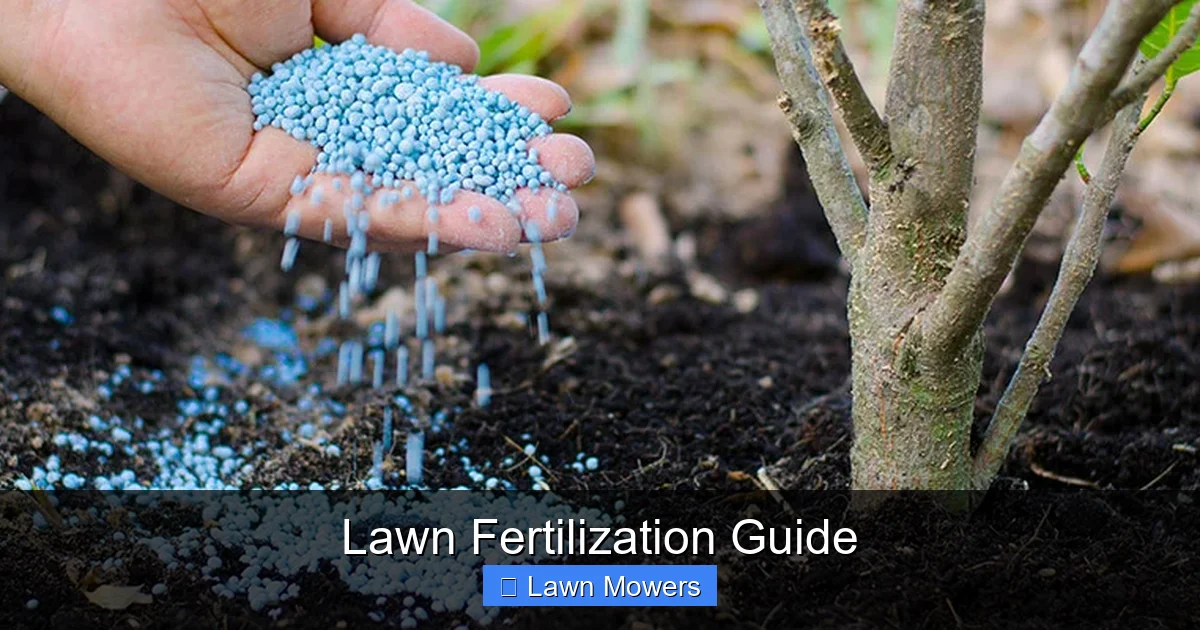
Fertilizers are labeled with three numbers—N-P-K—representing the percentage of nitrogen, phosphorus, and potassium. For example, a 10-10-10 fertilizer has equal parts of all three.
Understanding N-P-K Ratios
- Balanced fertilizers (10-10-10): Great for general maintenance and establishing new lawns.
- High-nitrogen formulas (20-5-10): Perfect for spring and summer when you want lush, green growth.
- Low-nitrogen, high-phosphorus (5-10-10): Ideal for fall or when planting new grass seed to encourage root development.
For cool-season grasses like Kentucky bluegrass or fescue, fall fertilization is crucial. The grass stores nutrients during this time, which helps it survive winter and come back strong in spring.
Warm-season grasses like Bermuda or Zoysia thrive with summer fertilization. They’re most active in hot months, so applying fertilizer then gives them the boost they need.
Organic vs. Synthetic Fertilizers
You’ll also choose between organic and synthetic fertilizers:
- Organic fertilizers (like compost or bone meal) release nutrients slowly and improve soil health over time. They’re eco-friendly and safe for pets and kids.
- Synthetic fertilizers (like urea or ammonium nitrate) work faster but can burn grass if overused. They’re great for quick fixes.
For most homeowners, a mix of both works best. Use synthetic for fast results and organic for long-term soil health.
Step 3: Timing Is Everything
Visual guide about Lawn Fertilization Guide
Image source: stewartslawn.com
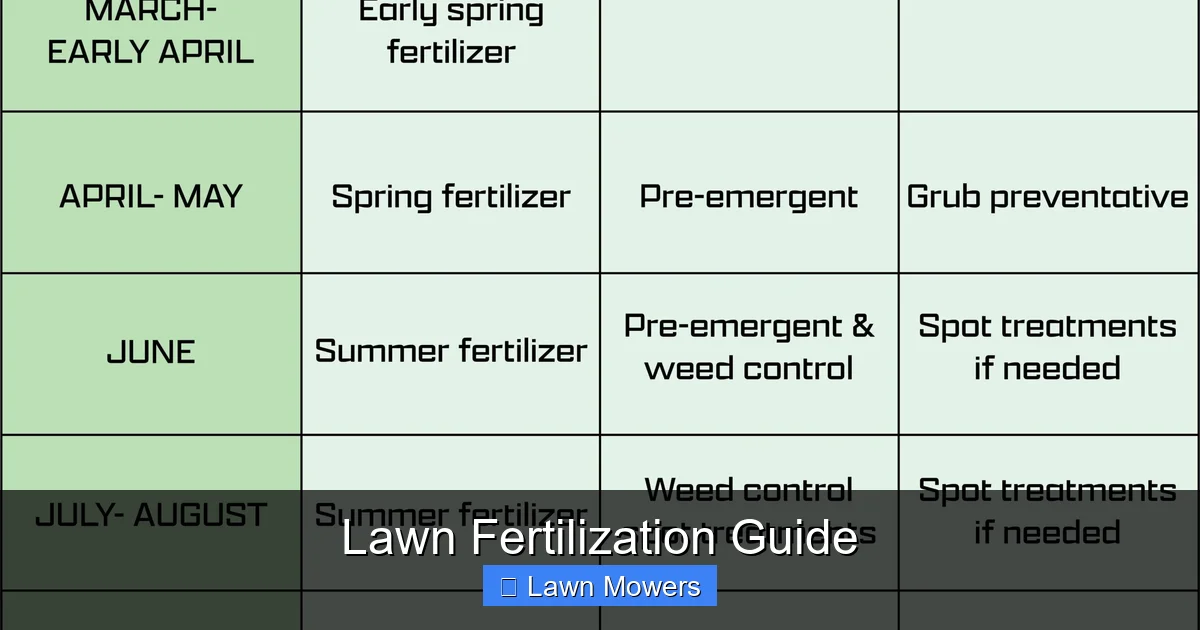
Even the best fertilizer won’t save a poorly timed application. The key to success is applying fertilizer when your grass is actively growing and ready to absorb nutrients.
Best Times to Fertilize
- Early Spring (Cool-Season Lawns): Apply a balanced fertilizer as soon as the ground thaws and grass starts growing. This kickstarts the season.
- Late Spring (Warm-Season Lawns): Fertilize Bermuda or Zoysia in late May or early June when temperatures rise.
- Early Fall (All Lawns): This is the golden window for fertilization. Cool temperatures and consistent moisture help grass absorb nutrients deeply.
- Late Summer (Warm-Season Lawns): A light application can help Bermuda or St. Augustine prepare for winter.
Avoid fertilizing during extreme heat or drought. If your lawn is brown and stressed, wait until it recovers.
How Often Should You Fertilize?
Most lawns need 2 to 4 applications per year, depending on grass type and fertilizer type:
- Slow-release fertilizers: Once every 8–12 weeks.
- Quick-release synthetics: Every 4–6 weeks during growing season.
Over-fertilizing is a common mistake. Too much nitrogen can lead to weak growth, thatch buildup, and increased fire risk.
Step 4: Apply Fertilizer Like a Pro
Now that you’ve chosen the right fertilizer and timing, it’s time to apply it. The goal is even coverage—no hot spots, no missed patches.
Using a Spreader for Even Distribution
The best tool for the job is a broadcast or drop spreader. These machines ensure consistent application, whether you’re fertilizing a small backyard or a large field.
- Broadcast spreaders: Ideal for wide areas—just walk back and forth in overlapping rows.
- Drop spreaders: Better for small lawns or edges—they drop fertilizer directly beneath the machine.
Always calibrate your spreader before use. Most manufacturers provide instructions for setting the flow rate based on your lawn size.
Watering Before and After Application
Lightly water your lawn 24 hours before fertilizing. This helps the soil absorb nutrients more easily and reduces the chance of fertilizer burn.
After applying, water again—about ¼ to ½ inch of moisture—to help nutrients penetrate the soil. But don’t overdo it. Too much water can wash nutrients away.
Step 5: Maintain Your Lawn for Long-Term Health
Fertilization isn’t a one-and-done task. To keep your lawn thriving, you need a full maintenance routine.
Mow Properly
Set your mower to the recommended height for your grass type. For example, fescue should be cut at 3 inches, while Bermuda can handle 1–2 inches.
Never remove more than 1/3 of the grass blade at once. Cutting too short stresses the grass and reduces its ability to absorb nutrients.
Water Deeply and Infrequently
Instead of daily light watering, aim for 1–1.5 inches of water per week, applied deeply once or twice. This encourages roots to grow downward, making your lawn more drought-resistant.
Control Weeds and Pests
Fertilized lawns are healthier and better able to compete with weeds. But if weeds take over, they’ll steal nutrients from your grass. Use pre-emergent herbicides in early spring and spot-treat weeds as needed.
For pests like grubs or chinch bugs, monitor your lawn regularly and treat only when necessary.
Overseed in Thin Areas
If you notice bare or thin patches, overseed in early fall. Combine with a phosphorus-rich fertilizer to help new grass establish quickly.
Common Mistakes to Avoid
Even experienced gardeners make fertilization errors. Here are the most common—and how to fix them.
Over-Fertilizing
Too much fertilizer can burn grass, promote weeds, and harm the environment. Always follow package instructions and avoid fertilizing before heavy rain.
Applying Too Often
Fertilizing every week might seem helpful, but it’s unnecessary and wasteful. Most lawns only need 2–4 applications per year.
Ignoring Soil pH
Even with the best fertilizer, grass can’t absorb nutrients if the soil pH is off. Test your soil regularly and adjust with lime (to raise pH) or sulfur (to lower it).
Fertilizing in the Wrong Season
Applying fertilizer in winter, when grass is dormant, is like feeding a sleeping person—it just sits there and does nothing.
Using the Wrong Fertilizer Type
A high-nitrogen fertilizer on a warm-season lawn in winter can encourage weak growth. Match the fertilizer to your grass type and season.
Eco-Friendly Fertilization Tips
Want a greener lawn care routine? Try these sustainable practices:
- Choose organic or slow-release fertilizers to reduce runoff.
- Use compost to enrich soil naturally.
- Leave grass clippings on the lawn—they act as a natural fertilizer.
- Water early in the morning to reduce evaporation.
- Test your soil every 2–3 years to avoid over-application.
These small changes make a big difference for the environment—and your lawn.
Frequently Asked Questions
When is the best time to fertilize my lawn?
The best time depends on your grass type. Cool-season grasses like fescue and bluegrass should be fertilized in early spring and early fall. Warm-season grasses like Bermuda and Zoysia do best in late spring and summer. Always check the growing season for your specific grass type.
How often should I fertilize my lawn?
Most lawns need 2 to 4 applications per year. Use slow-release fertilizers every 8–12 weeks during the growing season, or quick-release types every 4–6 weeks. Over-fertilizing can harm your lawn, so follow package instructions.
What’s the difference between organic and synthetic fertilizers?
Organic fertilizers (like compost or bone meal) release nutrients slowly and improve soil health over time. Synthetic fertilizers (like urea) work faster but can burn grass if overused. A mix of both is ideal for long-term lawn care.
Can I fertilize during drought?
No. Fertilizing during drought can stress your lawn and lead to fertilizer burn. Wait until the grass is actively growing and the weather is stable. Water your lawn before and after application to help nutrients absorb.
How do I know if I’m over-fertilizing?
Signs include yellow or brown patches, excessive thatch buildup, and a strong ammonia smell. Grass may also grow too fast and become weak. If you see these signs, stop fertilizing immediately and water deeply to help flush excess nutrients.
Should I mow before or after fertilizing?
It’s best to mow first, then fertilize. Mowing before ensures the fertilizer is applied to clean, even blades. After fertilizing, wait 24–48 hours before mowing again to avoid spreading fertilizer clippings.
