


Spotted lanternflies are invasive pests that can damage trees, gardens, and even your lawn mowers if they get inside. They spread quickly and harm plant life by feeding on sap. You can control them by hand-picking, using traps, and applying safe insecticides. Early detection and consistent action are key to keeping them away.
Key Takeaways
- Identify spotted lanternflies correctly: Look for grayish wings with black spots and a red underbelly. They’re about 1 inch long and have a distinctive pattern.
- Remove them by hand: Drop them into soapy water or crush them carefully. Wear gloves and avoid touching them directly.
- Use sticky traps: Place traps near infested trees like Tree of Heaven. They catch flying adults and prevent spread.
- Apply insecticidal soap or neem oil: Spray affected plants in the early morning or late evening for best results.
- Destroy egg masses: Scrape them off trees or surfaces and seal them in a bag with rubbing alcohol.
- Report sightings: Call your local agricultural extension office or use apps like EDDMapS to help track the infestation.
- Protect your lawn mowers: Keep mowers clean and stored indoors to avoid contamination from lanternfly debris.
📑 Table of Contents
- How to Get Rid of Spotted Lanternflies
- What Are Spotted Lanternflies and Why Should You Care?
- How to Identify a Spotted Lanternfly
- Hand-Picking: The Most Effective DIY Method
- Sticky Traps: Catch Them While They Fly
- Natural Insecticides: Safe and Effective Sprays
- Preventing Future Infestations
- When to Call a Professional
- Conclusion: Take Action Now
How to Get Rid of Spotted Lanternflies
Have you ever seen a small, gray insect with black spots and a bright red underbelly fluttering near your trees or parked cars? If so, you might have spotted one of the most destructive invasive species in the U.S.—the spotted lanternfly. These pests don’t just look odd; they can seriously damage your trees, crops, and even your lawn mowers if they’re not controlled.
Native to Asia, the spotted lanternfly (Lycorma delicatula) was first found in Pennsylvania in 2014. Since then, it’s spread to several states, including New York, Delaware, and parts of New Jersey. They feed on the sap of over 70 plant species—including grapes, apples, maples, and even oak trees. This weakens the plants, making them vulnerable to disease and reducing crop yields. What’s worse? They leave behind a sticky substance called honeydew, which attracts ants and promotes mold growth. And if you’ve ever had a lawn mower clogged with this goo, you know how frustrating that can be.
The good news? You can take action. Whether you’re dealing with a few bugs or a full-blown infestation, there are proven, eco-friendly ways to get rid of spotted lanternflies. In this guide, we’ll walk you through everything you need—from how to identify them to safe removal methods and prevention tips. Let’s get started.
What Are Spotted Lanternflies and Why Should You Care?
Meet the Pest: Physical Description and Behavior
Spotted lanternflies are easy to spot once you know what to look for. Adults are about 1 inch long and 1.5 inches wide when their wings are spread. Their wings are gray with black spots and black and white stripes. Below their wings, you’ll see a bright red patch with white dots. When they’re resting, they fold their wings like a tent over their bodies, showing the red and white pattern.
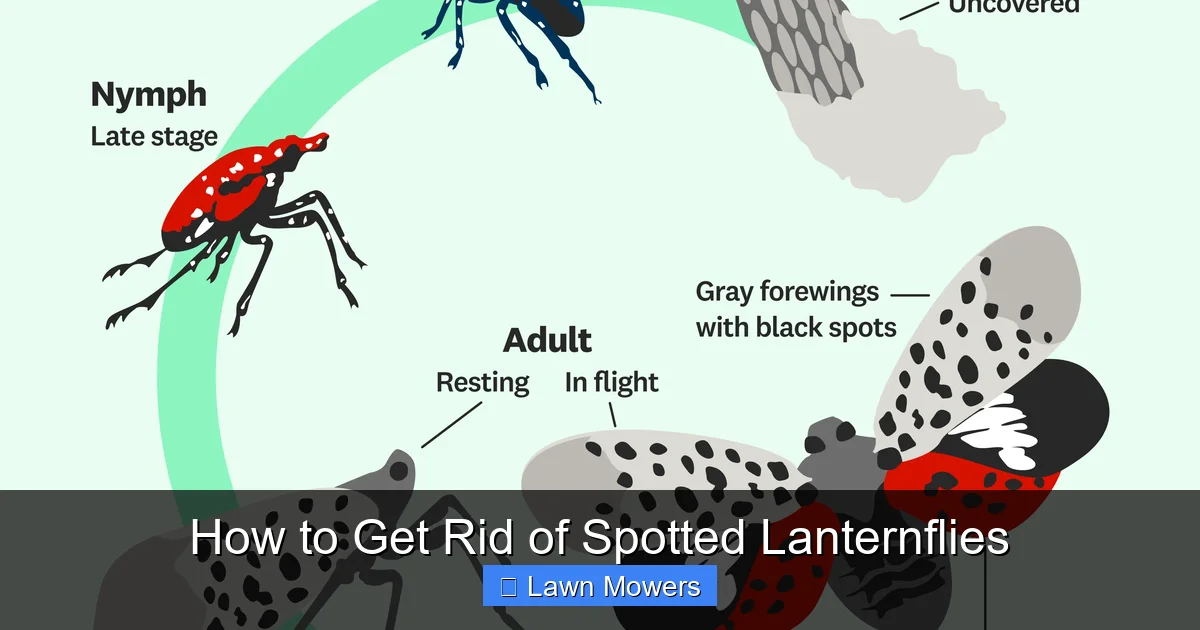
Visual guide about How to Get Rid of Spotted Lanternflies
Image source: media.angi.com
These insects are most active during the summer months, especially in warm, dry weather. They’re strong fliers and can travel long distances—sometimes hitchhiking on cars, trucks, or firewood. In the fall, they gather in large numbers on trees to mate and lay eggs. Females lay egg masses that look like mud-covered foam or grayish egg sacs. Each mass can contain 30 to 50 eggs and can survive cold winters, ready to hatch in the spring.
The Damage They Cause
Spotted lanternflies feed on the sap of plants using their needle-like mouthparts. This weakens the plant and reduces its ability to grow and produce fruit. In orchards and vineyards, this can lead to lower crop quality and yield. In forests, they can harm native trees, especially maples and oaks.
But the real nuisance comes from their honeydew. After feeding, they secrete a sticky, sugary substance. This attracts other pests like ants and bees, and it promotes the growth of sooty mold—a black fungus that covers leaves and branches, blocking sunlight. On your lawn mower, this goo can clog the engine, damage the blades, and even attract more pests.
How to Identify a Spotted Lanternfly
Knowing how to identify spotted lanternflies is the first step in getting rid of them. Here’s what to look for:
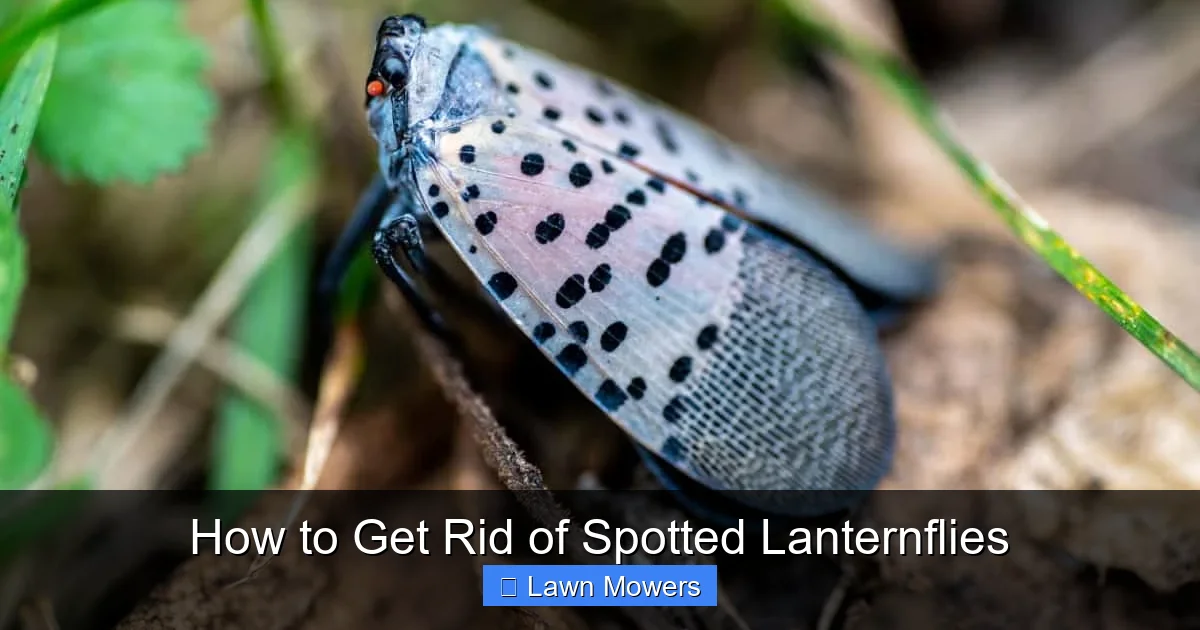
Visual guide about How to Get Rid of Spotted Lanternflies
Image source: pestsdiseases.com
- Adults: Gray wings with black spots, red underbelly, and black and white stripes. About 1 inch long.
- Nymphs (young bugs): Start black with white spots. As they grow, they turn red and black with white spots. They look like tiny ladybugs but are not.
- Egg masses: Mud-like, grayish sacs about the size of a quarter. Found on trees, outdoor furniture, and even car bumpers.
- Honeydew: Sticky, shiny residue on leaves, cars, or mowers. Often covered in mold.
Check trees like Tree of Heaven (Ailanthus altissima), grapevines, and maple trees. They love these plants. Also, inspect your lawn mower and tools after use—lanternflies can crawl onto equipment and leave behind eggs or droppings.
Hand-Picking: The Most Effective DIY Method
Why Hand-Picking Works
Hand-picking is one of the most effective and eco-friendly ways to get rid of spotted lanternflies. It’s especially useful for small infestations or when you spot a few bugs near your home. The key is to act fast—before they spread or lay eggs.
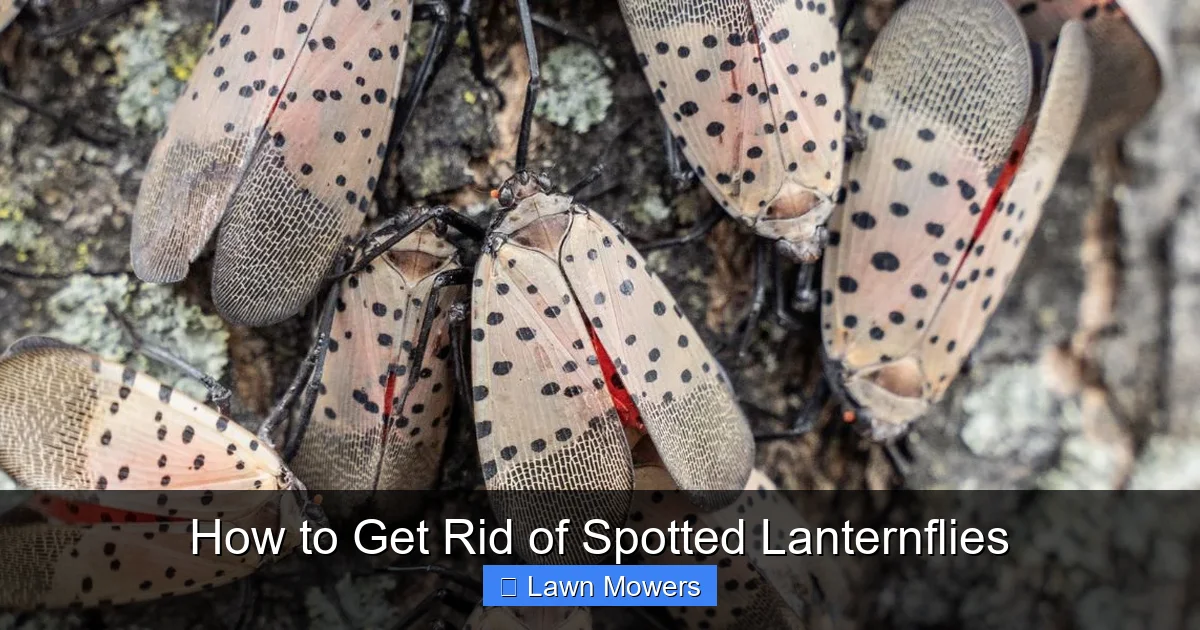
Visual guide about How to Get Rid of Spotted Lanternflies
Image source: sgwebcms.s3.us-east-2.amazonaws.com
How to Hand-Pick Safely
Here’s how to do it safely and effectively:
- Wear gloves: Use thick rubber or nitrile gloves to protect your hands.
- Drop them in soapy water: Grab the insect and drop it into a container filled with soapy water. The soap breaks the surface tension and drowns the bug.
- Crush carefully: If you don’t have a container, crush the bug between your thumb and forefinger. Do this over a trash can or outside to avoid mess.
- Destroy egg masses: Use a scraper or credit card to remove egg masses from surfaces. Place them in a bag with rubbing alcohol or hand sanitizer to kill the eggs.
For best results, do this early in the morning or late in the evening when the bugs are less active. Avoid crushing them in your yard—lanternflies can still survive and spread if not killed properly.
Sticky Traps: Catch Them While They Fly
How Sticky Traps Work
Sticky traps are a smart way to catch spotted lanternflies, especially flying adults. These traps use a non-toxic adhesive to trap insects. They’re often placed near infested trees or along tree trunks where lanternflies climb.
Setting Up Sticky Traps
Here’s how to use them effectively:
- Place near trees: Hang traps on Tree of Heaven, maple, or other host plants. Lanternflies are attracted to these trees.
- Hang at chest height: Position the trap where adults are likely to land or fly into.
- Check regularly: Empty the trap every few days. Dispose of trapped bugs in soapy water.
- Replace adhesive: Over time, the glue loses stickiness. Replace it or the whole trap.
You can buy commercial sticky traps or make your own using corrugated cardboard and non-drying glue. Just be careful—these traps can also catch beneficial insects like bees. Use them only where lanternflies are a known problem.
Natural Insecticides: Safe and Effective Sprays
Why Use Natural Insecticides?
Chemical pesticides can harm the environment and beneficial insects. Natural insecticides, like insecticidal soap or neem oil, are safer and still effective when used correctly. They break down quickly and don’t leave toxic residues.
Best Natural Sprays for Lanternflies
Here are the top options:
- Insecticidal soap: Made from potassium salts of fatty acids. Spray directly on bugs. Works best on contact and doesn’t harm plants when used as directed.
- Neem oil: A natural oil from the neem tree. It disrupts the insect’s life cycle and repels them. Mix with water and a few drops of dish soap.
- Dish soap and water: A simple mix of 1 tablespoon of mild dish soap per gallon of water. Spray on affected plants in the early morning or late evening.
Spray in dry, calm weather. Avoid spraying when bees are active. Repeat every 5–7 days for best results. Always test on a small part of the plant first to check for damage.
Preventing Future Infestations
Quarantine and Reporting
Spotted lanternflies are regulated pests. In some areas, moving firewood, vehicles, or outdoor items can spread them. Check local regulations and avoid moving wood from infested areas.
If you see lanternflies or egg masses, report them immediately. Use apps like EDDMapS or call your state’s Department of Agriculture. Early reporting helps control the spread.
Landscape Management
Remove or manage host plants like Tree of Heaven. These trees attract lanternflies. If you must keep them, monitor them closely and use traps or sprays.
Keep your yard clean. Remove debris, fallen leaves, and unused outdoor furniture where eggs can hide. Regularly inspect your lawn mower and tools for egg masses or bugs.
Protect Your Lawn Mower
Spotted lanternflies can get on lawn mowers and leave behind eggs or honeydew. After mowing, clean the deck and undercarriage with a hose and brush. Store your mower in a garage or shed to prevent contamination.
If you see bugs on your mower, wipe them down with a cloth soaked in soapy water. Check the engine area—honeydew can clog air filters and reduce performance.
When to Call a Professional
For large infestations or widespread damage, it’s time to call a pest control expert. Professionals use targeted treatments and can apply stronger insecticides safely. They can also help with monitoring and long-term prevention.
Look for companies that specialize in invasive species. Ask about eco-friendly options. Some use biological controls, like parasitic wasps, to reduce lanternfly populations naturally.
Don’t rely on DIY methods alone if the problem is big. Professionals have the tools and knowledge to handle the job effectively and safely.
Conclusion: Take Action Now
Spotted lanternflies are a serious threat, but you don’t have to face them alone. With the right tools and knowledge, you can get rid of them and protect your trees, crops, and lawn mowers. Start by identifying them, then use hand-picking, traps, or natural sprays. Stay vigilant—check your property regularly and report any sightings.
Remember, early action is key. The faster you respond, the less damage they’ll cause. And by keeping your outdoor tools and mowers clean, you’re doing your part to stop the spread. Together, we can keep spotted lanternflies from taking over our landscapes.
Frequently Asked Questions
How do I know if I have spotted lanternflies on my lawn mower?
Look for sticky residue (honeydew) or egg masses on the mower deck or engine. Lanternflies can crawl onto equipment and leave behind debris. Clean your mower regularly to prevent buildup.
Can I use vinegar to kill spotted lanternflies?
No, vinegar is not effective against spotted lanternflies. Stick to proven methods like hand-picking, soapy water, or insecticidal soap for best results.
Are spotted lanternflies dangerous to humans?
No, they are not dangerous to people. They do not bite or sting. However, their honeydew can attract other pests and promote mold growth on surfaces.
How long do spotted lanternflies live?
Adult spotted lanternflies live about 6–8 weeks in the summer. Nymphs go through four stages before becoming adults. Eggs can survive up to a year and hatch in spring.
Can I use diatomaceous earth to get rid of spotted lanternflies?
Diatomaceous earth can kill insects by drying out their exoskeletons, but it’s not the most effective method for spotted lanternflies. Use it as a supplement to other methods like traps or sprays.
What should I do with spotted lanternflies I find on my property?
Drop them into soapy water or crush them carefully. Destroy egg masses by scraping them into a sealed bag with rubbing alcohol. Report sightings to your local agricultural office.
