


When your lawn mower does not turn over, it’s more than just a small inconvenience—it’s that sinking feeling when you’re ready to tackle your yard, but your mower stays silent. You tug the starter cord or turn the key, expecting that familiar engine hum, yet all you hear is a disappointing click—or worse, nothing at all. Don’t worry—you’re not alone, and it’s often an easy fix.
In most cases, this issue is caused by something simple: a weak battery, a tripped safety switch, or stale fuel. Once you understand what’s really happening inside your mower, diagnosing the cause becomes much easier. This guide breaks down why your lawn mower does not turn over, how to pinpoint the exact cause, and how to get it running again fast. Whether you use a push mower or a riding mower, we’ll cover every angle—from basic checks to more technical fixes.
Why “Does Not Turn Over” Matters: Understanding the Problem Clearly
Before diving into solutions, it’s important to understand what “turning over” really means. When you turn the key or pull the cord, the starter motor (or recoil system) should rotate the engine crankshaft—this is called cranking or turning over.
If your lawn mower does not turn over, the engine isn’t cranking at all. That’s different from “cranks but won’t start,” where the engine spins but never fires up. Knowing this difference helps you choose the right fix.
In simple terms:
- Does not turn over: The engine won’t crank or spin.
- Cranks but doesn’t start: It spins, but won’t ignite or run.
When there’s no crank at all, the problem lies in the starting system—battery, solenoid, starter motor, wiring, or safety switches—not in the fuel or ignition system.
Understanding this saves time and helps you target what’s really wrong.
Common Reasons Why Your Lawn Mower Does Not Turn Over
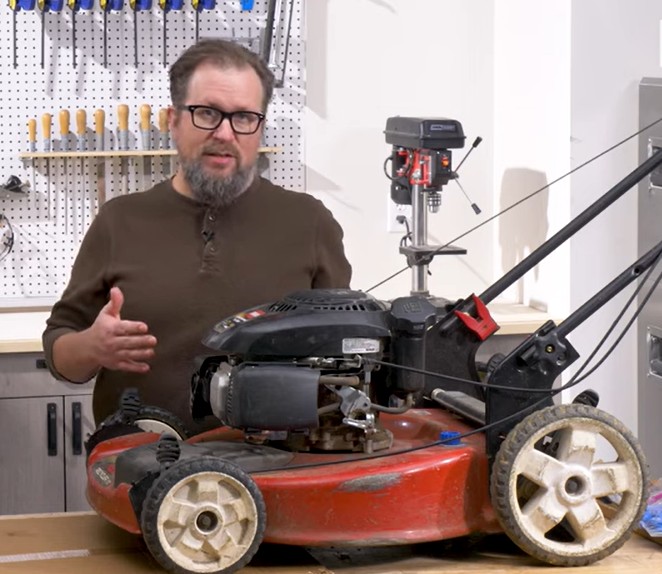
There’s no single reason for a mower refusing to turn over. Sometimes, it’s a flat battery; other times, it’s a simple safety feature doing its job. Below is a quick breakdown of common causes and how they connect to your problem.
| Common Cause | Type | What Happens | Fix Suggestion |
|---|---|---|---|
| Weak or dead battery | Electrical | Starter clicks or no sound | Recharge or replace battery |
| Faulty safety switch | Electrical | Mower won’t crank | Check seat, brake, and PTO switches |
| Bad solenoid | Electrical | Clicks but no crank | Replace solenoid |
| Loose or corroded cables | Electrical | Weak current | Clean and tighten terminals |
| Seized engine or hydro-lock | Mechanical | Engine locked solid | Remove spark plug and clear fluids |
| Stale fuel | Fuel-related | Flooded or gummed up | Drain and replace fuel |
| Broken recoil or starter motor | Mechanical | No movement | Replace starter assembly |
| Ignition switch failure | Electrical | No power to starter | Replace switch or check wiring |
Each of these issues leaves a small clue—whether it’s a click, a silent ignition, or a stiff pull cord. Once you identify the symptom, you’re halfway to the fix.
Step 1: Quick Safety and Control Checks
The easiest problems to fix are often the ones we overlook. Before you start pulling parts apart, go through a few fast checks—these take only minutes but can solve half of all no-turnover complaints.
- Check the Safety Handles and Levers:
On push mowers, make sure the blade control bar is fully squeezed against the handle. If it isn’t, the safety system blocks the starter.
On riding mowers, sit firmly in the seat, engage the parking brake, set the gear to neutral, and ensure the PTO (blade control) is off. Many riders won’t even attempt to crank unless these conditions are met. - Confirm Battery Power (for riding mowers):
Turn on the headlights or check the dashboard lights. Dim lights or clicking sounds mean the battery is weak. Recharge it or jump-start using a fully charged 12V battery.
A healthy battery should read between 12.4V and 12.8V at rest. If it drops below 10V during crank, it’s time for a replacement. - Inspect the Cables and Terminals:
Corrosion on terminals can block current flow. Disconnect the cables, scrub both ends with a wire brush, and tighten firmly.
Don’t forget the ground connection—many mowers have the negative cable bolted to the frame or engine block. Loose or painted surfaces can block grounding. - Check the Fuse:
Look near the battery or solenoid for an in-line fuse (usually 15–30 amps). A blown fuse stops power from reaching the starter circuit. Replace it and check if it blows again, which could mean a short in the wiring. - Spark Plug Boot and Air Filter (for all mowers):
A loose spark plug boot or a clogged air filter can confuse diagnostics. Reseat the plug boot and tap out debris from the filter. Replace if soaked with oil or fuel.
These steps often bring a “dead” mower back to life instantly. If your lawn mower does not turn over after trying them, it’s time to go deeper.
Step 2: Testing Battery, Solenoid, and Starter Motor
If you’ve verified all the basic controls and the mower still won’t crank, focus on the electrical start system. These parts—battery, solenoid, and starter motor—work together like a chain. If one link breaks, the whole system stops.
1. Testing the Battery
Start by checking the battery voltage using a multimeter.
- 12.6V = Fully charged
- 12.2V = Low charge
- Below 12V = Likely bad
Try a jump-start from a known good battery. If it starts, replace the weak battery. Remember, riding mower batteries usually last 3–5 years under normal use.
2. Checking the Solenoid
The starter solenoid acts as a high-current switch that sends power to the starter motor.
- If you hear a click but the engine doesn’t turn, the solenoid may have burned internal contacts.
- Use a multimeter: check for 12V at input and output when the key is turned.
- If input has power but output doesn’t, replace the solenoid.
- If there’s no click at all, check the ignition switch and safety switches upstream.
3. Testing the Starter Motor
If the solenoid works but the mower still doesn’t crank, the starter motor could be the issue.
- Test for 12V at the starter terminal when the key is turned.
- If voltage is present but the motor doesn’t spin, it’s likely burnt out or jammed.
- You can bench test it safely by applying 12V directly (with caution). If it spins freely off the mower, check for grounding issues.
4. Ground Check
Electrical problems often trace back to poor grounding. Ensure the engine block has a clean, tight ground connection. Rust or paint between the terminal and metal surface can block current.
When these three parts—battery, solenoid, starter—are all functioning properly, your mower should at least crank. If not, something else in the safety or ignition circuit is interrupting the process.
Step 3: Safety Switch and Ignition Circuit Inspection
Modern mowers include several safety interlocks that stop the engine from cranking under unsafe conditions. These switches can fail or get misaligned, causing your lawn mower not to turn over even when everything else works fine.
Common Safety Switches Include:
- Seat Switch: Detects if the operator is seated.
- Brake/Clutch Switch: Requires the brake pedal to be pressed.
- PTO/Blade Switch: Must be disengaged before starting.
- Neutral Switch: Prevents cranking in gear.
- Hood Switch (on some models): Stops cranking if the hood is open.
How to Test Them
- Visual Inspection:
Check each switch for broken plastic tabs, loose connectors, or exposed wiring. - Continuity Test:
Use a multimeter to test continuity when the switch is pressed or released. If no change is detected, replace it. - Ignition Switch Check:
Measure for 12V at the battery terminal (B) and at the starter terminal (S) when the key is turned. No power? The ignition switch might be bad. - Wiring Harness:
Look for chewed wires or loose plugs. Rodents love warm mower engines during storage.
Once a faulty safety or ignition switch is fixed, try starting the mower again. You’ll often hear the starter motor crank immediately after the faulty switch is replaced or reconnected.
Step 4: For Pull-Start Mowers — When the Rope Won’t Move
If your lawn mower does not turn over and it’s a pull-start model, your troubleshooting path is a little different. Here, “not turning over” usually means the recoil rope is jammed or locked solid.
Step-by-Step Fix
- Unplug the Spark Plug:
Always do this first to prevent accidental firing. - Check for Debris:
Turn the mower on its side with the carburetor and air filter facing up. Remove grass, sticks, or twine from the blade area. - Check Engine Movement:
Try spinning the blade by hand (with gloves). If it’s locked, remove the spark plug and pull the rope a few times. If oil or fuel sprays out, you have a hydro-lock. - Fixing Hydro-Lock:
Let the cylinder dry out completely before reinstalling the plug. Replace the air filter if it’s soaked with oil. - Check the Recoil Starter:
If the rope doesn’t retract or slips, the spring or pawls may be broken. A new recoil assembly usually fixes this easily.
Step 5: When It Cranks But Still Doesn’t Start
Sometimes, you fix the cranking issue, only to find your mower still won’t start. At this point, the problem moves from the electrical system to fuel, spark, or air.
Here’s a quick table summarizing the likely causes:
| Symptom | Probable Cause | Solution |
|---|---|---|
| Cranks but never fires | No spark | Replace spark plug or coil |
| Starts then dies | Fuel blockage | Clean or rebuild carburetor |
| Runs rough or stalls | Dirty air filter | Replace or clean filter |
| Smells like gas, won’t start | Flooded engine | Let it sit or clear cylinder |
Step 6: Dealing With Mechanical Problems When Everything Else Fails
If your lawn mower does not turn over after you’ve checked the battery, solenoid, starter, and safety switches, the issue may be mechanical. These problems are more serious, but still fixable if caught early.
1. Check the Oil Level and Quality
Low or dirty oil can cause your engine to seize partially or completely. A small engine running with insufficient lubrication overheats quickly, and metal parts begin to fuse.
- Pull the dipstick and check oil color—it should be golden or amber.
- If it’s black, metallic, or smells burnt, change it immediately.
- If there’s no oil at all, you may have permanent damage, but add oil first to see if the crankshaft frees up.
Sometimes, when a lawn mower does not turn over, it’s simply the internal components stuck due to friction. Fresh oil can loosen them if caught in time.
2. Perform a Compression Check
Engines need compression to create power. If compression is too low, the piston won’t move properly, and the crankshaft may feel stiff.
- Use a small-engine compression gauge.
- Readings below 60–70 psi suggest worn valves or rings.
- On OHV (overhead valve) engines, you can adjust valve lash to restore performance.
While this step sounds technical, most compression testers include instructions. It’s an excellent way to diagnose deeper mechanical faults.
3. Freeing a Stuck or Seized Engine
If the crankshaft won’t rotate at all, the mower may be seized.
Here’s how to check safely:
- Remove the spark plug.
- Add a teaspoon of light oil into the cylinder.
- Wait 10–15 minutes, then gently try rotating the crankshaft by hand using the blade or flywheel nut.
If it starts to move, continue slowly until it turns freely. However, if it’s locked solid even after oil treatment, internal damage like a bent rod or scored piston may be the culprit. In that case, professional repair is your best option.
How to Prevent a Lawn Mower From Failing to Turn Over Again
Once you get your mower running again, prevention becomes the key to avoiding repeat trouble.
Here’s how to ensure your lawn mower does not turn over problem doesn’t return next season.
1. Keep Your Battery Healthy
For riding mowers, battery maintenance is everything.
- Use a smart trickle charger during winter storage.
- Replace the battery every 3 to 5 years, even if it seems fine.
- Clean corrosion from terminals twice a season and apply dielectric grease for protection.
2. Use Fresh, Stabilized Fuel
Old gasoline loses volatility and clogs jets. Always use fresh fuel and add stabilizer if you won’t mow for over 30 days.
For occasional users, ethanol-free gas helps prevent moisture buildup that leads to carburetor gumming.
3. Clean and Store Properly
Store your mower on level ground. Tipping it incorrectly (carburetor or air filter side down) allows oil to flood into the cylinder or filter—causing a “no-turnover” symptom at next start.
Before winter:
- Drain fuel or run it dry.
- Clean grass clippings from the deck and blade hub.
- Lubricate moving joints and linkages.
4. Maintain Your Electrical System
A few minutes of electrical care goes a long way:
- Inspect ground wires for rust or loose bolts.
- Replace brittle insulation or exposed wiring.
- Secure connectors with zip ties or clips to avoid vibration wear.
Expert Pro Tips for Quick Fixes
Over time, small habits make the difference between a mower that starts instantly and one that sits silent. Here are a few expert secrets seasoned mechanics swear by:
- Label safety switch wires before removal. This saves guessing during reassembly.
- If a fuse keeps blowing, inspect the PTO clutch wiring—a common hidden short point.
- Measure the charging voltage while running: 13.5–14.5V is healthy. Anything below 13V means the charging system is weak.
- Keep a spare spark plug and fuel filter in your toolbox. They fix more mysterious no-starts than anything else.
- Avoid tipping the mower incorrectly. Always tilt the spark plug side up to prevent oil flow into the cylinder.
- Once a month, run the mower for a few minutes during storage season to keep fuel fresh and the carburetor lubricated.
These small steps help you avoid that dreaded “click” or silence next spring.
When to Call a Professional Technician
Sometimes, despite all your effort, your lawn mower does not turn over and the cause isn’t clear. At this point, it’s wise to involve a professional—especially when dealing with electrical or internal mechanical problems.
Call a Pro If You Notice:
- Repeated blown fuses or melted wires
- Smoke or sparks from connectors
- Starter spins but doesn’t engage (damaged flywheel gear)
- Very low compression after testing
- Internal knocking or grinding when you try to start
What to Expect:
| Service Type | Estimated Cost (USD) |
|---|---|
| Battery replacement | $35 – $90 |
| Starter solenoid | $15 – $40 |
| Starter motor | $80 – $200 |
| Carburetor cleaning | $75 – $200 |
| Full diagnostic test | $50 – $120 |
Most repair shops provide a 30–90 day warranty on parts and labor. Always ask for a written estimate and check if your mower is still under manufacturer warranty—some cover ignition or interlock components for up to two years.
Real-World Troubleshooting Scenarios
To make this more relatable, here are a few real situations homeowners face when their lawn mower does not turn over—and how they fixed it.
Case 1: Riding Mower Clicks but Doesn’t Crank
John noticed a clicking sound each time he turned the key on his Craftsman mower. The battery seemed fine, reading 12.4V. After checking connections, he discovered the ground strap was loose under the frame bolt. Tightening it instantly solved the issue.
Case 2: Pull-Start Completely Stuck
Maria’s push mower wouldn’t budge when she pulled the cord. She remembered tipping it sideways the day before to clean the deck. After removing the spark plug, she found oil shooting out—classic hydro-lock. Clearing the cylinder fixed it immediately.
Case 3: Silent Ignition on a Zero-Turn
James’s zero-turn mower didn’t respond at all—no click, no lights. He discovered a blown 20-amp fuse near the solenoid. Replacing it restored full function. Later, he found a mouse-nibbled wire causing the short.
Each case proves that even frustrating mower issues often trace back to simple, solvable causes.
Frequently Asked Questions (FAQs)
1. Why does my lawn mower not turn over but make a clicking sound?
A clicking sound usually means the battery is weak or the starter solenoid is faulty. Recharge the battery fully, clean the terminals, and if it still clicks, test or replace the solenoid.
2. What does it mean if my mower is completely silent when I turn the key?
If there’s no noise at all, check for a blown fuse, bad ignition switch, or tripped safety switch. A disconnected seat switch is a common culprit on riding mowers.
3. Why is my pull-start lawn mower’s cord stuck?
This typically happens due to debris under the blade or hydro-lock (fuel or oil in the cylinder). Remove the spark plug, pull the cord several times to clear the fluid, reinstall the plug, and it should pull smoothly again.
4. How do I know if my battery is dead or just discharged?
Use a voltmeter:
- 12.6–12.8V = Fully charged
- 12.2–12.4V = Needs charging
- Below 12.0V = Likely bad
If it drops below 10V during starting, replacement is necessary.
5. Can a bad ignition switch stop my mower from turning over?
Yes. If the S-terminal on the ignition switch doesn’t send 12V to the solenoid when turned to “Start,” the solenoid won’t engage, and the mower won’t crank.
6. How often should I service my mower to prevent no-start issues?
Perform a tune-up every year: replace the air filter, oil, and spark plug; clean the carburetor bowl; and inspect electrical connections. During winter, keep the battery charged to extend its life.
7. What’s the safest way to jump-start a lawn mower?
Use a 12V car battery, but never with the car running. Connect positive to positive, negative to frame ground, and remove immediately once the mower starts.
8. My mower cranks but still doesn’t start. What’s next?
If it cranks but won’t start, focus on fuel, spark, and air. Use fresh fuel, clean the carburetor jet, replace the spark plug, and ensure the air filter and choke are working properly.
Alternative Solutions for Persistent Problems
Sometimes, the best long-term solution isn’t another repair—it’s an upgrade or preventive investment. Here are practical alternatives:
| Solution | Advantages | Disadvantages | Best For |
|---|---|---|---|
| Battery-powered electric mower | Quiet, easy start, minimal maintenance | Limited run time, costly batteries | Small–medium yards |
| Replace carburetor | Eliminates old fuel issues | Requires correct fit | Older gas mowers |
| Annual professional tune-up | Extends mower life | Costs more | Busy owners |
| Use ethanol-free gas | Cleaner burning, prevents gumming | Harder to find | Seasonal users |
Choosing the right approach depends on how often you mow and how much maintenance you prefer to do yourself.
Final Thoughts: Get Your Mower Turning Over Again
When your lawn mower does not turn over, it can feel like the day’s chores have hit a dead end. But as this guide shows, most causes are easy to find and fix—if you go step by step.
Start with the simple things: safety levers, brake engagement, and battery voltage. Then move into the solenoid, starter, and safety switches. For pull-starts, check for hydro-lock or recoil problems. If your engine still refuses to move, inspect for mechanical issues like low oil or compression loss.
