Lawn Mower Won’t Start After Winter: Easy Fixes
A lawn mower often will not start after winter because stale fuel, a weak battery, or a dirty carburetor blocks the engine.
When a lawn mower won’t start after winter, the problem is usually simple to find and fix. Months of storage can leave old gasoline, moisture, debris, or a drained battery inside the mower. This guide explains how to troubleshoot the issue safely, starting with the easiest checks and moving to deeper repairs.
Why a Lawn Mower Won’t Start After Winter
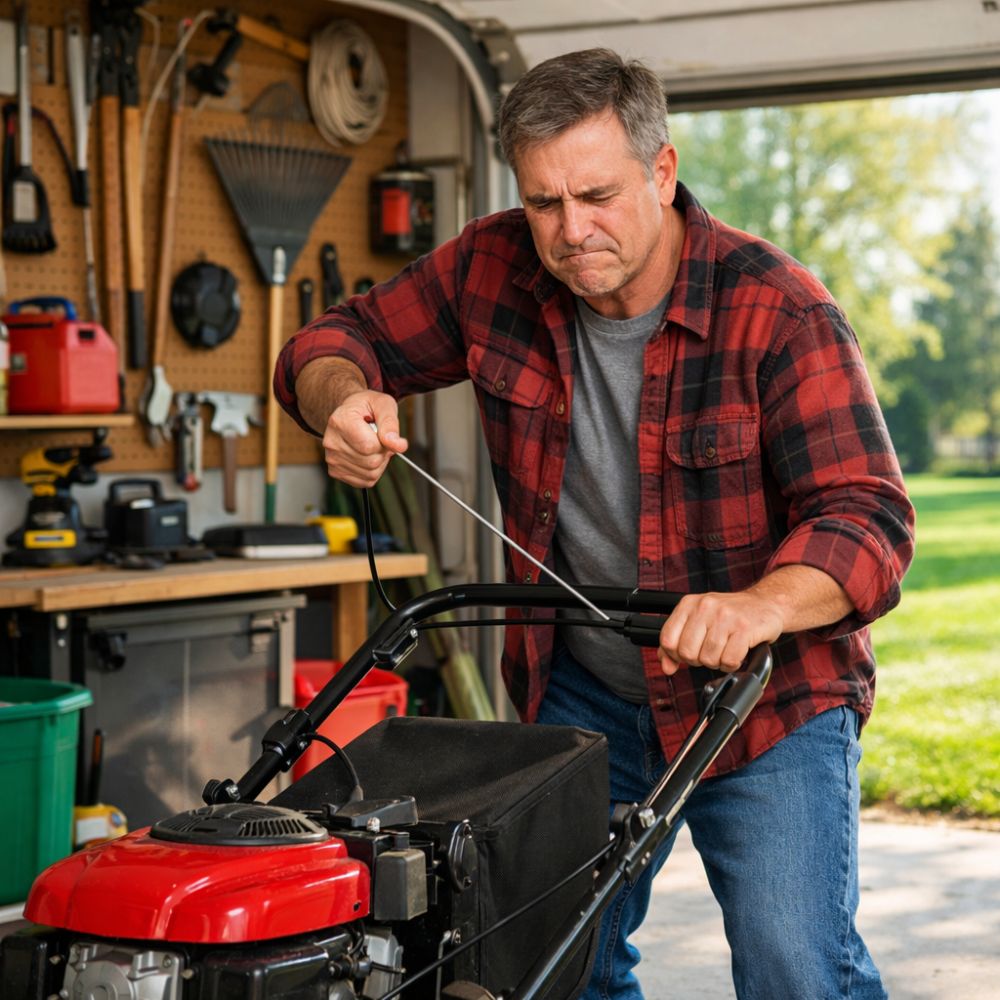
A lawn mower may run well before storage but fail after sitting for several months. Fuel can lose its ability to ignite, especially when it contains ethanol. Moisture may also collect in the fuel system and cause rust or poor engine performance.
A battery-powered or electric-start mower can have a different problem. Its battery may be fully drained, its terminals may be dirty, or its safety switch may not engage.
The most common causes are:
• Old or contaminated gasoline
• A clogged carburetor or fuel filter
• A dirty or wet spark plug
• A blocked air filter
• A weak or dead battery
• A stuck safety bar or faulty safety switch
• A blocked mower blade or deck
• Low engine oil or an oil sensor issue
• Rodent damage to wires or air filters
Think of the engine as needing three things to run: clean fuel, fresh air, and a strong spark. If one is missing, the mower may crank but never start.

Safety Checks Before Troubleshooting
Before working on a lawn mower, place it on a flat surface outdoors or in a well-ventilated area. Keep the mower away from cigarettes, heaters, pilot lights, and other ignition sources.
Remove the ignition key if the mower has one. For gas models, disconnect the spark plug wire before inspecting the blade, removing the deck, or cleaning under the mower.
Use these basic safety steps:
• Wear safety glasses and work gloves.
• Let the engine cool before opening the fuel tank.
• Do not test a spark plug near spilled gasoline.
• Never bypass a safety switch to make the mower run.
• Keep children and pets away from the work area.
• Follow the owner’s manual for oil, fuel, and battery instructions.
A mower that has sat all winter may have hidden fuel leaks, cracked wires, or a damaged battery. Take a few minutes to inspect it before pulling the starter cord again.

Step 1: Check the Fuel
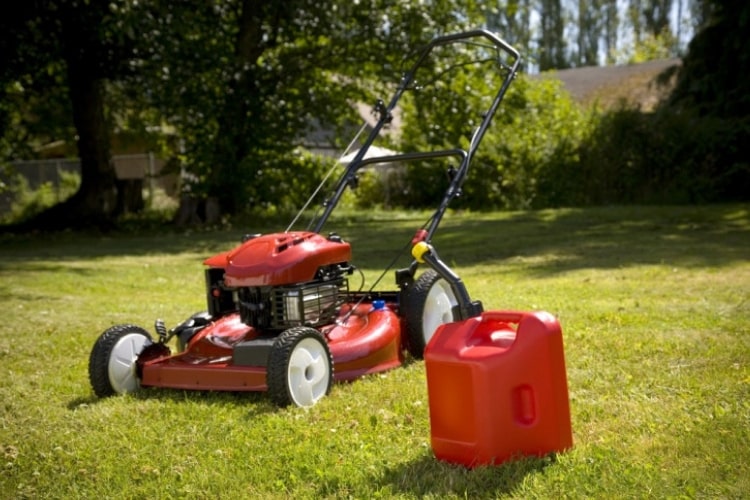
Old gasoline is the first thing to check when a lawn mower won’t start after winter. Gasoline can degrade during storage. The lighter parts evaporate, while the remaining fuel becomes less useful and may leave sticky deposits.
If the fuel smells sour, looks dark, or contains visible water, remove it. Do not pour questionable gasoline onto the ground or into a drain. Store it in an approved fuel container and take it to a local household hazardous waste center if required in your area.
How to replace old mower fuel
-
Work outdoors in a well-ventilated area.
-
Turn off the fuel valve if the mower has one.
-
Use a hand siphon or approved drain method.
-
Empty the fuel tank into a proper container.
-
Drain the carburetor bowl if the manual recommends it.
-
Add fresh gasoline that matches the manufacturer’s instructions.
Most small engines use regular unleaded gasoline, but the correct fuel can vary. Many manufacturers advise using fuel with limited ethanol content because ethanol can attract water and harm some older fuel system parts.
Do not mix fuel additives at random. A stabilizer can help preserve fresh fuel during future storage, but it cannot fully restore gasoline that is already badly degraded.

Step 2: Inspect the Spark Plug
A dirty or damaged spark plug can stop the engine from starting. Remove the plug with a spark plug socket and inspect the tip.
Look for these signs:
• A wet plug may indicate flooding or excess fuel.
• A black, sooty plug may point to poor combustion.
• A cracked insulator means the plug needs replacement.
• Heavy rust or corrosion can weaken the spark.
• A badly worn electrode may not ignite the fuel.
Clean light dirt with a small wire brush if the plug is in good condition. Check the gap against the mower manual. Spark plug gaps are not the same for every engine.
Replacement is often the best choice because spark plugs are inexpensive. Install the correct plug and tighten it to the manufacturer’s torque specification. Overtightening can damage the cylinder head, while a loose plug can leak compression.
If you test for spark, remove the plug, reconnect it to the plug wire, and hold the metal body against the engine block with insulated pliers. Pull the starter while keeping fuel away from the area. A blue or bright spark is usually a good sign. If you are unsure, let a repair shop perform this test.
Step 3: Check the Air Filter
An engine needs clean air to burn fuel. A clogged air filter can make a lawn mower won’t start after winter problem worse, especially if the mower was stored in a shed where mice or insects could reach it.
Open the air filter cover and inspect the element. Replace a paper filter if it is dirty, oily, wet, or damaged. A foam filter can often be washed with warm soapy water, dried fully, and lightly treated with the recommended filter oil.
Do not run the mower for long without its air filter. Dust can enter the engine and damage the cylinder and piston. Also, avoid soaking a paper filter because water can destroy its shape and filtering ability.
Check the air box for:
• Leaves and grass
• Mouse nests
• Insect debris
• Oil puddles
• Torn filter material
A clean filter is a small part, but it can make a large difference during spring startup.

Step 4: Clean the Carburetor
The carburetor mixes fuel and air. When old gasoline dries inside it, the small passages and jets can become blocked. This is one of the most common reasons a lawn mower won’t start after winter.
Try the simple checks first. Make sure the fuel reaches the carburetor and that the choke moves freely. If the engine starts briefly with a small amount of approved starting spray but then stops, the carburetor may not be delivering enough fuel.
Use care with starting fluid. Too much can damage the engine, and it can create a fire risk. Never spray it near an open flame or a hot muffler.
For a basic carburetor service:
-
Turn off the fuel supply.
-
Remove the air filter housing if needed.
-
Photograph the linkage and spring positions.
-
Remove the carburetor bowl.
-
Clean the bowl and visible passages with small-engine carburetor cleaner.
-
Replace damaged gaskets or seals.
-
Reassemble each part in its original position.
Do not poke jets with steel wire. It can enlarge the opening and change the fuel mixture. If the carburetor is heavily blocked, a professional cleaning or rebuild may be safer and faster.
From hands-on mower repairs, one mistake appears again and again: people keep pulling the starter after flooding the engine. If the plug is wet, stop cranking, shut off the fuel, remove and dry the plug, and let the cylinder air out before trying again.

Step 5: Test the Battery and Starter
If the mower uses electric start, listen to what happens when you turn the key or press the start button.
A single click may mean the battery is weak, the terminals are dirty, or the starter solenoid is faulty. A slow cranking sound usually points to low battery power or a poor electrical connection.
Check the following:
• Battery charge
• Corrosion on the terminals
• Loose battery cables
• Damaged ground wires
• Blown fuses
• Starter motor connections
Use a charger designed for the battery type. Do not use a car charger on a small mower battery unless the charger supports the correct voltage and charging rate.
A battery that sat discharged all winter may have suffered permanent damage. Lead-acid batteries can lose capacity when left empty, while lithium-ion batteries should be charged and stored according to the manufacturer’s instructions.
For a push mower with a recoil starter, skip the battery checks and focus on fuel, spark, air, and engine controls.
Step 6: Check the Safety Controls
Modern mowers have safety systems that prevent the engine from running in unsafe conditions. These may include a handle safety bar, seat switch, blade-control lever, parking brake switch, and neutral-start switch.
Make sure:
• The safety bar is held against the handle.
• The blade control is in the correct position.
• A riding mower is in neutral or park.
• The parking brake is set.
• The mower deck is disengaged when required.
• The ignition key is fully inserted.
Do not permanently bypass a safety switch. It may seem like a quick fix, but it can allow the blade or mower to operate when someone is in danger.
If a switch feels loose or does not click, inspect the wiring and connectors. Rodents often chew wire insulation during winter storage. Damaged wiring should be repaired with proper outdoor-rated connectors or handled by a qualified technician.
Step 7: Check Oil and Engine Movement
Many four-stroke mower engines use a low-oil safety sensor. If the oil level is too low, the engine may refuse to start or may stop soon after starting.
Place the mower on level ground and check the dipstick according to the manual. Add the correct oil slowly. Avoid overfilling because too much oil can cause smoke, poor running, or engine damage.
If the starter cord will not pull, do not force it. A locked blade, seized engine, or object under the deck may be the cause.
With the spark plug wire disconnected:
-
Tip the mower only as the manual recommends.
-
Inspect the blade and underside of the deck.
-
Remove grass, sticks, and other debris.
-
Turn the blade carefully by hand if it is safe to do so.
-
Check for a bent blade or damaged spindle.
Never place your hand near the blade edge. Even a mower that will not start can move suddenly if the blade is turned or the engine fires.
What the Mower’s Symptoms Can Tell You
The sound and behavior of the mower provide useful clues. You do not need advanced tools to make a good first diagnosis.
The engine does nothing
Check the battery, key, fuse, safety bar, brake, and wiring. On a recoil mower, make sure the plug wire is connected and the control lever is in the start position.
The engine cranks but does not start
Focus on fresh fuel, spark, the air filter, and the carburetor. This is the most common pattern when a lawn mower won’t start after winter.
The engine starts and then dies
The mower may have a blocked fuel passage, a dirty carburetor, a restricted fuel cap vent, or a choke that remains closed. Try loosening the fuel cap briefly. If it runs better, the cap vent may be blocked.
The engine backfires
A backfire can come from incorrect timing, stale fuel, a damaged flywheel key, or an incorrect valve setting. Stop testing if the engine backfires repeatedly and arrange professional service.
The starter cord is hard to pull
Look for a blocked blade, a seized engine, or hydraulic lock from excess fuel or oil in the cylinder. Disconnect the spark plug wire before investigating.
When to Call a Repair Professional
Some repairs are simple, but others need special tools and training. Contact a mower technician if the engine has no spark after a new plug, the flywheel may be damaged, or the mower has serious fuel leakage.
Professional service is also wise when:
• The engine is seized.
• The carburetor needs a full rebuild.
• The starter motor or solenoid has failed.
• The mower has damaged wiring.
• The crankshaft or blade spindle is bent.
• The engine smokes heavily after basic checks.
• You smell strong fuel but cannot find the leak.
A repair shop can perform compression, ignition, and fuel tests in a controlled setting. This can prevent unnecessary part replacement. For an older mower, ask for a written estimate and compare the repair cost with the price of a replacement mower.
How to Prevent Spring Starting Problems
Good winter storage makes spring startup much easier. Before storing a gas mower, clean the deck, sharpen or inspect the blade, change the oil when recommended, and check the air filter.
For the fuel system, follow the engine manufacturer’s storage instructions. Some engines should be stored with stabilized fuel in the tank. Others may need the fuel system drained. The right method depends on the engine and the length of storage.
A useful storage routine includes:
• Clean grass from the deck and cooling fins.
• Change dirty engine oil.
• Add fuel stabilizer to fresh fuel when appropriate.
• Run the engine long enough for treated fuel to reach the carburetor.
• Store the mower in a dry, covered place.
• Keep the battery charged with a suitable maintainer.
• Protect the air intake from rodents without blocking airflow during operation.
One lesson I learned after seeing several spring failures is that “empty tank” does not always mean “empty fuel system.” A small amount of gasoline left in the carburetor bowl can evaporate and leave gum behind. Follow the manual’s storage method instead of relying on guesswork.
PAA-Style Answers About a Lawn Mower Won’t Start After Winter
Can old gas make a lawn mower fail to start?
Yes. Old gasoline may lose volatility and leave deposits in the carburetor. Drain badly aged fuel, add fresh fuel, and clean the carburetor if the engine still will not run.
Why does my mower start with starting fluid but not gasoline?
This usually means the engine has spark and compression but is not receiving enough fuel. Check the fuel line, filter, carburetor jet, and fuel valve.
Should I replace the spark plug after winter?
Replace it if it is wet, cracked, heavily fouled, corroded, or worn. A new, correctly gapped plug is often a low-cost way to remove one common starting problem.
Frequently Asked Questions
Why won’t my lawn mower start after sitting all winter?
The most likely causes are stale fuel, a dirty carburetor, a weak battery, or a fouled spark plug. Start with fresh fuel and a visual inspection before removing major parts.
How long can gasoline sit in a lawn mower?
Gasoline quality depends on storage conditions and fuel type, but untreated fuel can become unreliable after several months. Heat, moisture, and ethanol can speed up fuel problems.
Can I start a mower with a dead battery?
A mower with electric start needs a properly charged battery. Recharge it with the correct charger, then inspect the terminals and cables for corrosion or loose connections.
Why does my mower crank but not start?
Cranking shows that the starter is turning the engine, but the engine still needs fuel, air, spark, and compression. Check the spark plug, air filter, fuel quality, and carburetor.
Is it safe to use starting fluid on a lawn mower?
Starting fluid can be hazardous and may damage an engine if overused. If it is allowed by the manufacturer, use only a very small amount outdoors and keep it away from flames and hot surfaces.
How do I know if my mower carburetor is clogged?
A clogged carburetor may prevent starting or allow the engine to run for only a few seconds. A brief response to approved starting spray is another clue that fuel is not flowing properly.
Should I change the oil before starting the mower in spring?
Change the oil if it is dirty, contaminated, or due according to the maintenance schedule. Always check the oil level before starting, because low oil can trigger a safety shutdown or damage the engine.
Conclusion
A lawn mower won’t start after winter for a reason that is usually easy to trace. Begin with safety, then check fuel, the spark plug, the air filter, the battery, safety switches, oil, and the carburetor. Work from the simplest checks to the more complex ones, and avoid forcing parts or bypassing safety controls.
Fresh fuel and proper storage can prevent many spring problems. Try these steps carefully, and if the mower still refuses to start, a qualified repair technician can test the ignition, fuel system, and compression. Share your mower model and symptoms in the comments, or explore your owner’s manual for model-specific maintenance guidance.