


A loose mower deck belt can ruin your lawn care routine. You might hear strange noises, see uneven cuts, or notice the mower deck not spinning properly. Ignoring this issue leads to belt wear, engine strain, and costly repairs. Fixing it early saves time and money while keeping your mower in top shape.
If you’ve ever struggled with a lawn mower that just doesn’t cut like it used to, chances are you’re not alone. A loose mower deck belt is one of the most common culprits behind poor mowing performance. Whether you’re a weekend warrior or a dedicated gardener, understanding the symptoms of a loose mower deck belt can save you time, frustration, and even money. This guide dives deep into everything you need to know about identifying, fixing, and preventing belt-related issues so your mower stays in peak condition all season long.
A properly functioning mower deck relies on a well-tensioned belt to transfer power from the engine to the cutting blades. When that belt becomes loose, the connection breaks down—literally and figuratively. The result? A lawn that looks more like a patchwork quilt than a smooth, even finish. But it’s not just about appearance. A loose mower deck belt can strain your engine, reduce fuel efficiency, and lead to costly repairs if left unchecked. In this article, we’ll walk you through every sign to watch for, explain what’s happening under the hood, and give you step-by-step solutions to get your mower back in action.
Key Takeaways
- Unusual noises: Squealing, slapping, or grinding sounds often indicate a loose or worn belt.
- Uneven cutting: Patchy or scalped grass is a common sign of poor blade rotation due to belt slippage.
- Engine overheating: A slipping belt forces the engine to work harder, raising operating temperatures.
- Belt visible wear: Cracks, fraying, or glazing on the belt surface mean it’s time for replacement.
- Reduced mowing performance: The deck may slow down or stop spinning altogether during use.
- Visible slack: Check for excessive belt movement between pulleys—normal tension allows minimal bounce.
- Prevention tips: Regular inspections and proper belt alignment help avoid loose mower deck belt issues.
📑 Table of Contents
What Is a Mower Deck Belt and Why Does It Matter?
Before we dive into the symptoms, let’s take a moment to understand what a mower deck belt actually does. The mower deck belt is a rubber or Kevlar-reinforced component that connects the engine pulley to the spindle pulleys on the cutting deck. Its job is to transfer rotational force from the engine to spin the blades at high speed. Without a properly tensioned belt, the blades either won’t spin or will spin too slowly—both of which lead to poor cutting performance.
Most residential lawn mowers use a single V-belt or a multi-groove serpentine belt, depending on the model. These belts are designed to handle constant friction and heat, but they’re not indestructible. Over time, they stretch, wear, or lose tension due to normal use. When that happens, the belt begins to slip, which reduces power transfer and creates the classic symptoms of a loose mower deck belt.
Common Symptoms of a Loose Mower Deck Belt
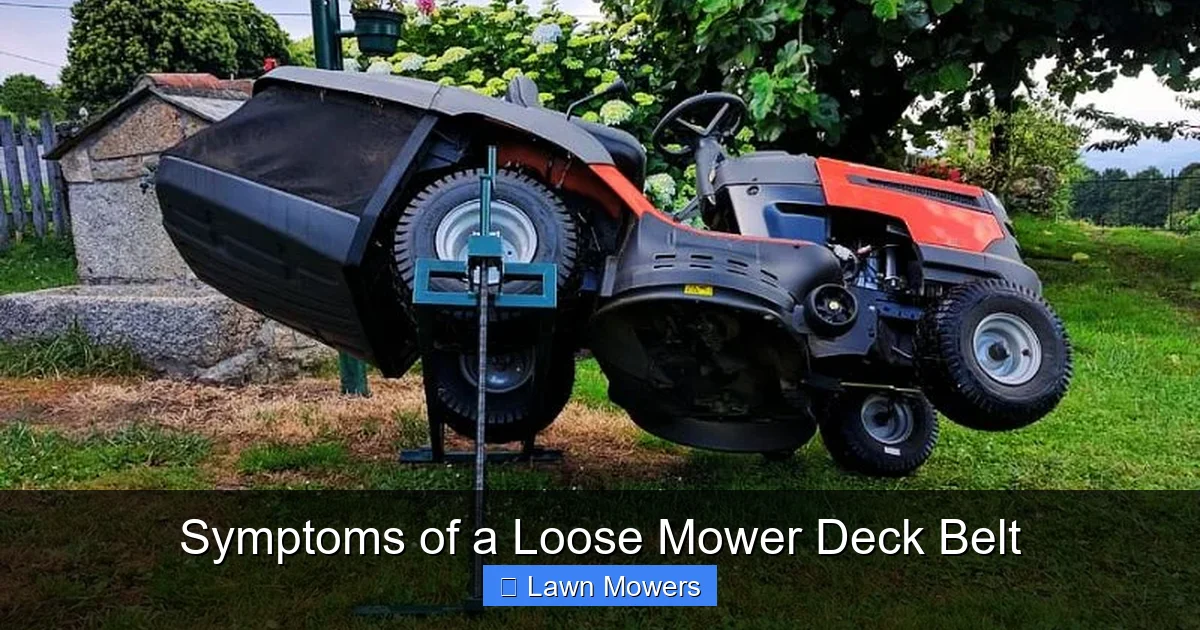
Visual guide about Symptoms of a Loose Mower Deck Belt
Image source: mowing.expert
Recognizing the signs early can prevent further damage and keep your mower running smoothly. Here are the most common symptoms to watch for:
1. Unusual Noises During Operation
One of the first things you’ll notice if your mower deck belt is loose is strange noises. A properly tensioned belt runs quietly. But when it’s loose, it starts to slap against the deck or pulley housing. This creates a loud, rhythmic *thumping* or *slapping* sound that gets louder as you mow. You might also hear a high-pitched *squealing* or *whining* noise, especially when the engine revs up.
These sounds happen because the belt isn’t gripping the pulleys tightly enough. Instead of smooth rotation, it slips and vibrates. Over time, this slippage wears down the belt and can damage the pulleys themselves. If you hear any of these noises, it’s a clear sign you’re dealing with a loose mower deck belt.
2. Uneven or Poor Lawn Cuts
Have you ever mowed and noticed that some spots are cut neatly while others are long, ragged, or scalped? That’s a telltale sign of a slipping belt. When the belt isn’t tight, the blades don’t spin at full speed. As a result, they can’t cut grass cleanly—especially on thicker or taller blades of grass.
You might also see grass clippings scattered unevenly across the lawn. Instead of a clean, even mulch, you get clumps and missed patches. This not only looks bad but can also lead to thatch buildup and lawn stress. If your mower used to cut like a dream but now leaves behind a messy finish, check the belt tension first.
3. Engine Overheating or Struggling to Maintain RPM
A loose mower deck belt forces your engine to work harder. Why? Because the slipping belt means less power is being transferred to the blades. The engine compensates by increasing RPMs, which generates more heat. Over time, this can cause your mower to overheat, especially during long mowing sessions.
You might notice the engine running hotter than usual or even shutting down due to overheating. In some cases, you’ll see smoke or a burning smell—a sign that the belt is slipping so much it’s generating excessive friction. This strain on the engine can lead to long-term damage, including blown gaskets or worn-out spark plugs.
4. Visible Belt Wear or Damage
Sometimes, the symptoms are obvious right in front of you. If you take a look under the mower deck, you might notice cracks, fraying, or a shiny, glazed surface on the belt. These are signs of wear and overheating—both of which point to a loose mower deck belt.
Glazing happens when the belt slips repeatedly, causing the rubber to melt slightly and harden. Fraying and cracking mean the belt is past its prime and needs replacement. Even if the belt looks okay, if it’s old (typically over two years of regular use), it may have stretched beyond its recommended tension range.
5. Excessive Belt Slack
One of the most direct ways to confirm a loose mower deck belt is to check for slack. With the mower off and the deck disengaged, gently lift the belt between the engine pulley and the deck pulley. A properly tensioned belt should have just a little give—maybe a quarter-inch of movement. If the belt moves more than that, it’s too loose.
You can also do the “finger test.” Use your finger to press down on the center of the belt. If it deflects more than a quarter-inch, it needs adjustment. Some mowers have a tensioner pulley that you can adjust with a wrench or a tensioner tool. Others require you to manually reposition the engine or deck.
6. Reduced Mowing Speed or Complete Blade Stoppage
If your mower deck suddenly stops spinning mid-mow, it’s a major red flag. While this could be due to a broken belt or a seized pulley, a loose belt is often the root cause. When the belt slips enough, it can’t transfer enough power to keep the blades turning. In extreme cases, the belt may even come off completely.
Even if the blades keep spinning, you might notice they’re moving slower than usual. This reduced speed affects cutting quality and can leave long, uncut grass. If you’re mowing at the same speed as before but the grass isn’t being cut, the belt is likely the issue.
How to Diagnose a Loose Mower Deck Belt

Visual guide about Symptoms of a Loose Mower Deck Belt
Image source: mowing.expert
Diagnosing a loose mower deck belt is easier than you might think. Here’s a simple step-by-step process:
Step 1: Safety First
Before you do anything, make sure the mower is off, the engine is cool, and the spark plug wire is disconnected. This prevents accidental starts and protects you from moving parts.
Step 2: Inspect the Belt
Remove the mower deck (if necessary) and visually inspect the belt. Look for cracks, fraying, or glazing. Also, check for proper alignment—the belt should run straight between pulleys without rubbing against the deck.
Step 3: Check for Slack
With the mower disengaged, press down on the belt. If it moves more than a quarter-inch, it’s too loose. Use a ruler or your finger to measure the deflection.
Step 4: Test Blade Rotation
Engage the blades (if safe) and listen for unusual sounds. If the blades spin unevenly or make noise, the belt is likely slipping.
Step 5: Use a Tension Gauge
Some mowers come with a tension gauge or have a recommended deflection measurement in the manual. Use this to confirm whether the belt is within the proper range.
By following these steps, you can quickly determine whether your mower deck belt is loose and needs adjustment or replacement.
How to Fix a Loose Mower Deck Belt

Visual guide about Symptoms of a Loose Mower Deck Belt
Image source: m.media-amazon.com
Once you’ve confirmed the belt is loose, the next step is fixing it. The solution depends on your mower model, but here are the most common methods:
Method 1: Adjust the Tensioner
Many modern mowers have an automatic tensioner pulley. To adjust it, locate the tensioner (usually near the engine) and use a wrench or socket to gently move it. This will tighten the belt. Check the deflection again to ensure it’s within the recommended range.
Method 2: Reposition the Engine
On older mowers, the engine may need to be moved slightly forward or backward to adjust belt tension. This involves loosening the engine bolts, sliding it, and retightening. Be careful not to over-tighten, as this can damage the engine or deck.
Method 3: Replace the Belt
If the belt is worn or damaged, replacement is the best option. Start by removing the old belt and noting its routing. Install the new belt, ensuring it follows the same path. Then, adjust tension according to the manufacturer’s specifications.
Always use a belt that matches your mower’s make and model. Using the wrong belt can lead to poor performance or damage.
Method 4: Lubricate Moving Parts
Sometimes, belt slippage is caused by dirty or dry pulleys. Clean the pulleys with a damp cloth and apply a light machine oil to moving parts. This reduces friction and helps the belt grip better.
Preventing Future Belt Issues
The best way to avoid loose mower deck belt problems is through regular maintenance. Here are some tips to keep your belt in top shape:
1. Inspect the Belt Monthly
Check your belt for wear, cracks, and proper tension every time you mow. Early detection prevents bigger issues.
2. Keep the Deck Clean
Clogged grass and debris under the deck can cause the belt to rub and wear faster. Clean the deck after each use.
3. Follow Manufacturer Guidelines
Always use the correct belt and follow the tension specifications in your mower’s manual.
4. Replace the Belt When Needed
Don’t wait until the belt fails. Replace it every 1–2 years or as recommended.
5. Store Properly
Store your mower in a dry place and cover it to protect the belt from UV damage and moisture.
By following these steps, you’ll extend the life of your belt and keep your mower running smoothly.
When to Call a Professional
While most belt adjustments are DIY-friendly, some situations require professional help. If you notice:
– The belt keeps coming off
– Pulleys are damaged or misaligned
– The engine is making unusual noises beyond belt-related sounds
– You’re unsure about safety procedures
It’s best to take your mower to a certified technician. They have the tools and expertise to diagnose and fix complex issues safely.
Conclusion
A loose mower deck belt might seem like a small problem, but it can quickly turn into a costly repair if ignored. The good news is that most symptoms are easy to spot and fix with basic tools and a little know-how. By staying alert to signs like unusual noises, uneven cuts, and belt wear, you can keep your mower in top shape and your lawn looking its best.
Remember, regular maintenance is your best defense. Inspect your belt, keep the deck clean, and replace it when needed. With a few simple steps, you’ll avoid downtime and enjoy a smoother, more efficient mowing experience.
Whether you’re troubleshooting a noisy mower or just doing routine upkeep, understanding the symptoms of a loose mower deck belt puts you in control. Take action early, and your lawn—and your wallet—will thank you.
Frequently Asked Questions
How do I know if my mower deck belt is too loose?
You can check for excessive slack by pressing down on the belt. If it moves more than a quarter-inch, it’s too loose. Also, listen for slapping or squealing sounds and look for uneven cuts or belt wear.
Can a loose belt damage my lawn mower?
Yes. A loose mower deck belt can strain the engine, cause overheating, and lead to premature wear on pulleys and belts. It can also result in poor cutting performance and increased fuel consumption.
How often should I replace my mower deck belt?
Most belts should be replaced every 1 to 2 years or after 50–100 hours of use, depending on the manufacturer. Inspect it annually and replace it if you see cracks, fraying, or glazing.
Can I adjust the belt tension myself?
Yes, most mowers allow you to adjust belt tension by tightening the tensioner pulley or repositioning the engine. Always consult your manual for specific instructions and safety tips.
What causes a mower deck belt to become loose?
Belt looseness can result from normal stretching, improper installation, vibration, or lack of maintenance. Over time, belts naturally lose tension and may need adjustment or replacement.
Is it safe to mow with a loose belt?
No. Mowing with a loose belt is not safe. It can lead to poor cuts, engine strain, and potential belt failure. Always fix tension issues before mowing to protect your mower and ensure safety.
