


Choosing the right Battery for Husqvarna Riding Mower ensures your machine runs smoothly and efficiently every time. With proper selection and maintenance, you can extend the life of your mower and enjoy uninterrupted mowing sessions. This guide covers everything you need to know, from identifying compatible batteries to installation tips and troubleshooting common issues.
Key Takeaways
- Compatibility is Key: Always verify your mower’s battery requirements using the model number and manual to avoid mismatched performance.
- Maintenance Matters: Regular cleaning and proper storage can significantly extend your battery’s lifespan and maintain peak performance.
- Top Brands to Consider: Opt for trusted brands like Husqvarna, Bosch, or Trojan for reliable, high-quality batteries designed for demanding mowing tasks.
- Installation Made Easy: Follow step-by-step installation guides to ensure safe and correct battery setup, minimizing risk and maximizing efficiency.
- Troubleshooting Common Issues: Learn how to diagnose and fix common battery problems like slow cranking or failure to start to keep your mower running smoothly.
- Environmental Impact: Consider eco-friendly battery options and proper disposal methods to reduce environmental harm and promote sustainability.
- Warranty & Support: Check warranty terms and manufacturer support to protect your investment and get help when needed.
📑 Table of Contents
- Introduction: Powering Your Lawn with Confidence
- Understanding Your Husqvarna Riding Mower Battery
- How to Choose the Right Battery for Your Husqvarna Riding Mower
- Top Battery Models for Husqvarna Riding Mowers
- Installing Your New Battery: A Step-by-Step Guide
- Maintaining Your Husqvarna Mower Battery for Longevity
- Troubleshooting Common Battery Issues
- Environmental Responsibility and Battery Disposal
- Conclusion: Power Your Lawn with Confidence
Introduction: Powering Your Lawn with Confidence
Imagine this: it’s a warm Saturday morning, the sun is just rising, and you’re ready to tackle that overgrown lawn. You hop into your Husqvarna riding mower, turn the key, and—nothing. No cranking, no hum, just silence. Frustrating, right? This is where a reliable Battery for Husqvarna Riding Mower comes in. Whether you’re maintaining a large estate or a modest suburban yard, a fully charged, well-maintained battery ensures your mower starts every time and runs like clockwork.
In this comprehensive guide, we’ll walk you through everything you need to know about selecting, installing, and maintaining the perfect battery for your Husqvarna riding mower. From understanding technical specs to troubleshooting common issues, we’ll equip you with the knowledge to keep your mower powered and your lawn perfectly manicured. Let’s dive in and make sure you never face that dreaded dead battery again.
Understanding Your Husqvarna Riding Mower Battery
Before you rush off to buy a new battery, it’s essential to understand what makes a battery compatible with your specific Husqvarna model. Not all batteries are created equal, and using the wrong one can lead to poor performance, damage, or even void your warranty.
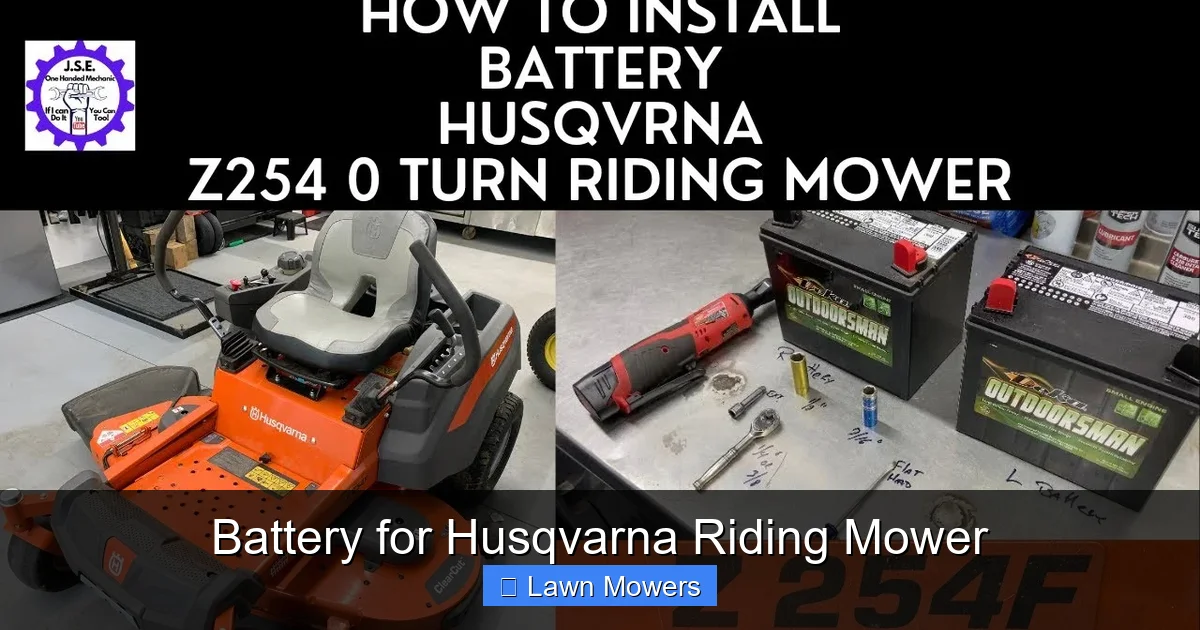
Visual guide about Battery for Husqvarna Riding Mower
Image source: i.ytimg.com
Types of Batteries Used in Husqvarna Mowers
Most modern Husqvarna riding mowers use lead-acid batteries, specifically the flooded (wet cell) or maintenance-free sealed lead-acid (SLA) types. These are reliable, widely available, and cost-effective. Some newer models may use AGM (Absorbent Glass Mat) batteries, which are more durable and spill-proof but slightly pricier.
AGM batteries are sealed, require no maintenance, and handle vibration and temperature changes better—ideal for demanding mowing conditions. Flooded batteries, on the other hand, may need periodic water top-ups but are often more affordable and easier to replace.
Voltage and Amp-Hour (Ah) Ratings
Husqvarna riding mowers typically use 12-volt batteries. The amp-hour (Ah) rating indicates how long the battery can sustain a certain load. For example, a 30Ah battery can deliver 30 amps for one hour or 15 amps for two hours.
Higher Ah ratings mean longer run times and better cold-weather performance. Most riding mowers require batteries in the 25Ah to 40Ah range. Always check your owner’s manual or the existing battery label to confirm the correct specifications.
Terminal Configuration
Battery terminals come in different shapes and sizes. Husqvarna mowers usually use side-post terminals with either top-post or side-post configurations. The positive (+) and negative (-) terminals must align correctly with your mower’s cable connections to ensure safe and efficient power delivery.
How to Choose the Right Battery for Your Husqvarna Riding Mower
Selecting the right battery isn’t just about picking the cheapest option. It’s about matching your mower’s needs for power, durability, and longevity. Here’s a step-by-step guide to help you make the best choice.
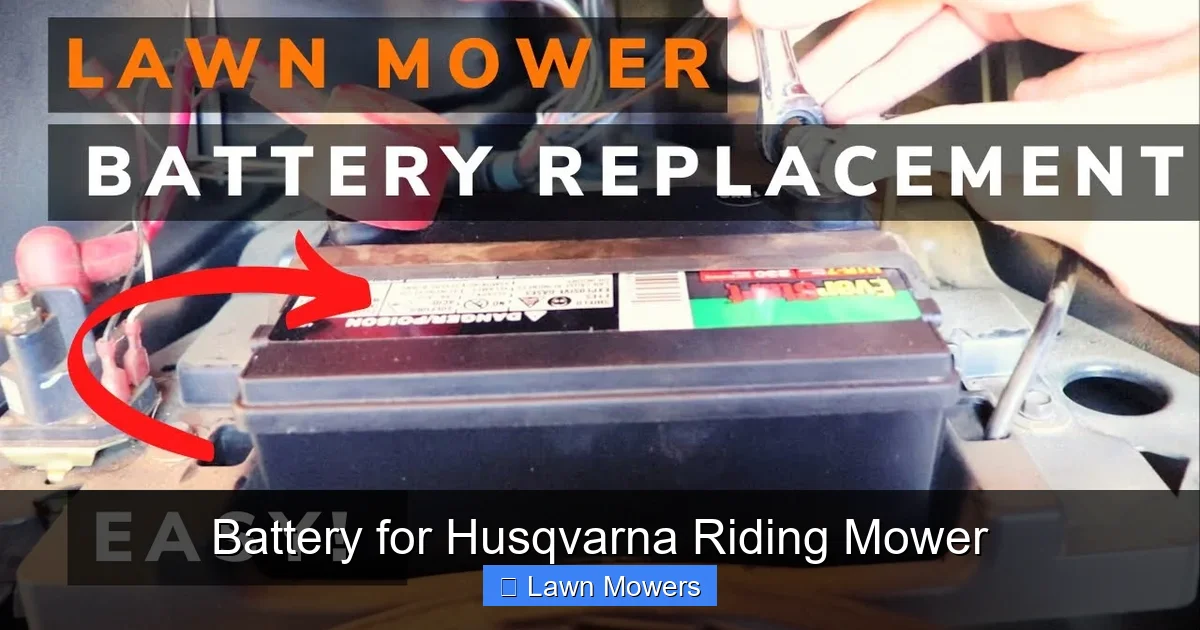
Visual guide about Battery for Husqvarna Riding Mower
Image source: i.ytimg.com
1. Check Your Mower’s Manual
Your Husqvarna owner’s manual is the most reliable source for battery specifications. It will list the exact voltage, Ah rating, terminal type, and physical dimensions required. If you don’t have the manual, visit Husqvarna’s official website and enter your model number for accurate details.
2. Match the Battery to Your Usage
Consider how often and how long you mow. If you have a large lawn or mow daily, a higher Ah battery (35Ah or above) ensures consistent performance. For light use, a 28Ah battery may suffice. Frequent mowing in cold weather also demands a battery with strong cold-cranking amps (CCA).
3. Consider Brand Compatibility
While generic batteries may seem tempting, opting for a Husqvarna-branded battery or a reputable third-party brand like Bosch, Trojan, or Exide ensures compatibility and reliability. These brands undergo rigorous testing and are designed to meet Husqvarna’s performance standards.
4. Evaluate Warranty and Return Policy
Look for batteries with at least a 1-year warranty. This protects you against premature failure and shows the manufacturer’s confidence in the product. Also, choose retailers with hassle-free return policies in case the battery doesn’t fit or perform as expected.
5. Compare Prices and Reviews
Don’t just go for the lowest price. Compare features, customer reviews, and ratings across platforms like Amazon, Home Depot, or specialized lawn equipment stores. A slightly higher investment in a quality battery often saves money in the long run by reducing replacement frequency.
Top Battery Models for Husqvarna Riding Mowers
Not all batteries are created equal. Some stand out for their reliability, performance, and customer satisfaction. Here are five top-rated batteries ideal for Husqvarna riding mowers.
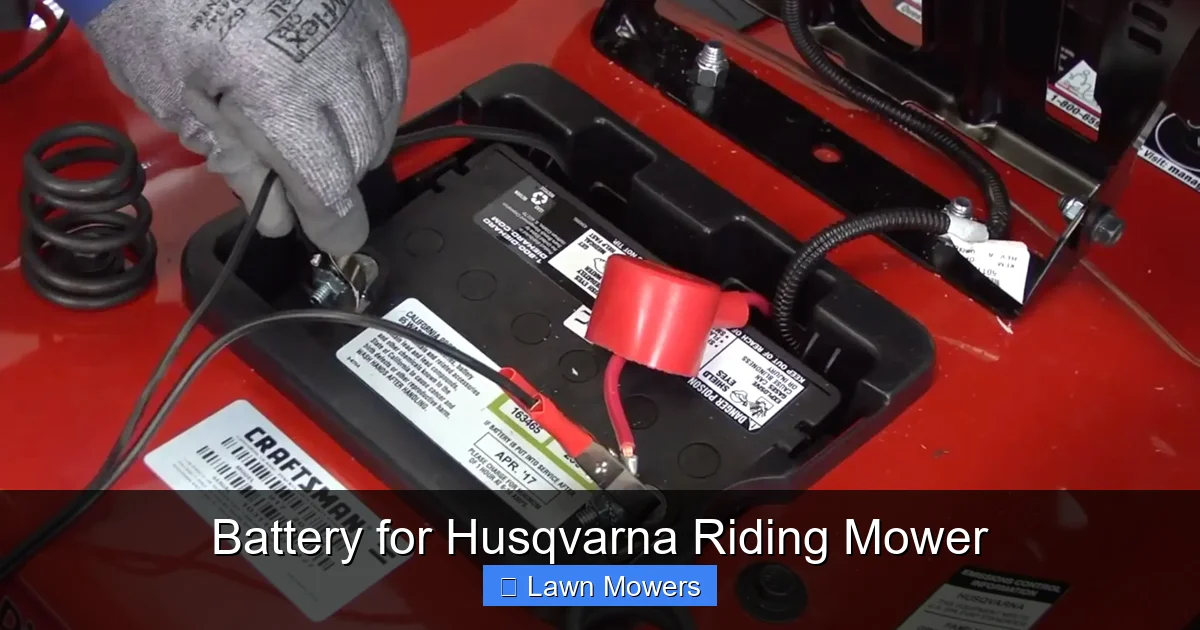
Visual guide about Battery for Husqvarna Riding Mower
Image source: i2.wp.com
1. Husqvarna OEM Battery
The original equipment manufacturer (OEM) battery is designed specifically for your Husqvarna model. It guarantees perfect fit, optimal performance, and full warranty coverage. While pricier, it’s the safest and most reliable choice for long-term use.
Example: The Husqvarna 587279501 (12V, 32Ah) is a popular model for many 300- and 400-series riding mowers. It’s maintenance-free, has top-post terminals, and comes with a 12-month warranty.
2. Bosch SLA12V32Ah
A high-quality alternative, the Bosch SLA12V32Ah offers excellent performance at a competitive price. It’s AGM technology, meaning it’s sealed, spill-proof, and maintenance-free. Ideal for users who want reliability without the OEM premium.
Tip: Bosch batteries often outperform many OEM units in cold-weather starts and deep-cycle durability.
3. Trojan T-105 Battery
For heavy-duty mowing and extended use, the Trojan T-105 is a deep-cycle lead-acid battery with 225 minutes of reserve capacity. It’s built for endurance and can handle frequent starts and long run times without losing charge.
Best for: Large properties, commercial use, or mowers with additional attachments like snow blowers or tillers.
4. Exide M12V32Ah
The Exide M12V32Ah is another excellent AGM option. It features fast recharge capability and is resistant to vibration and shock—perfect for rough terrain or bumpy mowing paths.
Pro Tip: Exide batteries often come with free installation kits and are widely available at big-box retailers.
5. Universal 12V 30Ah Compatible Battery
For budget-conscious users, a universal 12V 30Ah battery can work if it matches your terminal type and dimensions. Just ensure it’s from a reputable brand and read reviews for compatibility with Husqvarna models.
Warning: Avoid extremely cheap, no-name brands—they may not meet safety standards and can damage your mower’s electrical system.
Installing Your New Battery: A Step-by-Step Guide
Installing a new battery is straightforward, but safety and precision matter. Follow these steps to ensure a correct and safe installation.
Step 1: Safety First
Turn off the mower and remove the key. Disconnect the negative (-) terminal first to prevent short circuits. Wear gloves and safety glasses to protect against acid spills.
Step 2: Remove the Old Battery
Locate the battery tray, usually under the seat or in the rear compartment. Use a wrench to loosen the terminal clamps. Carefully lift out the old battery and set it aside for proper disposal.
Step 3: Clean the Tray and Cables
Use a wire brush and baking soda solution to clean corrosion from the tray and terminals. Rinse with water and dry thoroughly before installing the new battery.
Step 4: Install the New Battery
Place the new battery in the tray, ensuring it sits securely. Connect the positive (+) terminal first, then the negative (-). Tighten the clamps firmly but avoid over-tightening.
Step 5: Test the Mower
Reattach the key and start the mower. Listen for smooth ignition and check for any warning lights. If everything runs well, you’re good to go!
Pro Tips:
- Use dielectric grease on terminals to prevent future corrosion.
- Secure the battery with straps or brackets to prevent movement during mowing.
- Label the battery with the installation date for future reference.
Maintaining Your Husqvarna Mower Battery for Longevity
A battery is only as good as its care. Proper maintenance can double or even triple its lifespan. Here’s how to keep your Battery for Husqvarna Riding Mower in top shape.
1. Regular Cleaning
Clean the battery terminals every 3–6 months using a mixture of baking soda and water. Scrub gently with a wire brush, rinse, and dry. This prevents corrosion buildup that can hinder conductivity.
2. Check Electrolyte Levels (For Flooded Batteries)
If you have a flooded battery, check the water level every few months. Add distilled water only if the plates are exposed. Never overfill—leave space for expansion.
3. Keep It Charged
After each use, ensure the battery is fully charged. Use a compatible trickle charger if you won’t be using the mower for a week or more. Deep discharges shorten battery life.
4. Store Properly
In winter, store the battery in a cool, dry place. Disconnect it if storing the mower for months. Use a maintenance charger to keep it at optimal charge levels.
5. Avoid Extreme Temperatures
Both heat and cold affect battery performance. Park your mower in a garage or shaded area when possible. Cold reduces capacity, while heat accelerates chemical decay.
6. Monitor Performance
If your mower starts slowly or takes longer to crank, it may be time to test or replace the battery. Use a multimeter to check voltage—a healthy 12V battery should read 12.6V or higher when off.
Troubleshooting Common Battery Issues
Even with proper care, batteries can develop issues. Here’s how to diagnose and fix common problems.
Problem 1: Mower Won’t Start
Possible Causes: Dead battery, loose terminals, or faulty starter motor.
Solution: Check connections. If secure, jump-start the mower or test the battery with a multimeter. If voltage is below 12V, recharge or replace the battery.
Problem 2: Slow Cranking
Possible Causes: Weak battery, corroded terminals, or cold weather.
Solution: Clean terminals. If the issue persists, the battery may be nearing end-of-life. Consider replacement if it’s over 3–5 years old.
Problem 3: Battery Dies After Short Use
Possible Causes: Parasitic drain, faulty alternator, or overuse.
Solution: Disconnect the battery and use a multimeter to check for excessive drain. Have a technician inspect the charging system if needed.
Problem 4: Swelling or Leaking
Possible Causes: Overcharging, heat exposure, or physical damage.
Solution: Stop using the battery immediately. Swelling indicates internal damage—replace it safely and dispose of it properly.
Pro Tip:
Keep a portable jump starter or battery charger on hand for emergencies. It can save you from a dead battery in remote areas.
Environmental Responsibility and Battery Disposal
Lead-acid batteries contain hazardous materials like lead and sulfuric acid. Improper disposal harms the environment and can result in fines.
How to Dispose of Old Batteries Safely
- Take old batteries to a recycling center or auto parts store that accepts them.
- Many retailers offer free battery recycling when you buy a new one.
- Never throw batteries in the trash or incinerate them.
Eco-Friendly Alternatives
Consider switching to lithium-ion batteries in the future. They’re lighter, last longer, and are more recyclable. While initially expensive, they reduce long-term environmental impact and maintenance needs.
Support Sustainability
Choose brands that offer take-back programs or use recycled materials. Supporting eco-conscious companies encourages industry-wide sustainability.
Conclusion: Power Your Lawn with Confidence
Your Battery for Husqvarna Riding Mower is the heartbeat of your lawn care routine. By choosing the right battery, installing it correctly, and maintaining it well, you ensure reliable starts, extended mowing sessions, and a beautifully kept yard—every time.
Remember, a quality battery isn’t just a purchase—it’s an investment in convenience, performance, and peace of mind. Whether you go OEM or opt for a trusted third-party brand, prioritize compatibility, warranty, and proper care. With this guide, you’re now equipped to make informed decisions and keep your Husqvarna mower running like new for years to come.
So the next time you fire up your mower on a sunny Saturday morning, do it with confidence. Your lawn—and your back—will thank you.
Frequently Asked Questions
What type of battery does a Husqvarna riding mower use?
Most Husqvarna riding mowers use a 12-volt lead-acid battery, either flooded (wet cell) or sealed lead-acid (SLA). Some newer models may use AGM (Absorbent Glass Mat) batteries, which are maintenance-free and more durable. Always check your owner’s manual for the exact specification.
How do I know which battery fits my Husqvarna mower?
Refer to your mower’s owner’s manual or check the existing battery label for voltage (usually 12V), amp-hour (Ah) rating, terminal type (top or side post), and physical dimensions. You can also visit Husqvarna’s official website and enter your model number for compatible battery recommendations.
Can I use any 12V battery for my Husqvarna riding mower?
While many 12V batteries may fit physically, not all are compatible. Using an incompatible battery can cause poor performance, electrical damage, or void your warranty. It’s best to use a battery that matches your mower’s Ah rating, terminal configuration, and brand compatibility.
How often should I replace my riding mower battery?
Most riding mower batteries last 3 to 5 years with proper care. Replace it if you notice slow cranking, difficulty starting, or if it’s over 4 years old. Regular maintenance, like keeping it charged and clean, can extend its life.
Do I need to charge the battery after installing a new one?
Yes, it’s recommended to fully charge the new battery before first use. Some AGM and maintenance-free batteries come partially charged, so follow the manufacturer’s instructions. Use a compatible trickle charger to maintain optimal charge levels.
Where can I recycle an old riding mower battery?
You can recycle old lead-acid batteries at most auto parts stores (like AutoZone or Advance Auto), battery retailers, or local recycling centers. Many retailers offer free recycling when you buy a new battery. Never dispose of batteries in regular trash or incinerators.
