


Spotted lanternflies are invasive pests that can harm trees, gardens, and outdoor spaces. If you spot one, report it immediately and follow state guidelines for control. Early detection helps prevent widespread damage and protects your lawn mower from debris and infestations.
Key Takeaways
- Identify the pest correctly: Spotted lanternflies have gray wings with black spots and a red underbelly. They’re about 1 inch long and jump like grasshoppers.
- Report sightings immediately: Use state-specific apps or websites to report findings—many states have dedicated hotlines or online portals.
- Destroy egg masses: Scrape off egg masses on trees, vehicles, or outdoor equipment and seal them in a plastic bag with rubbing alcohol or hand sanitizer.
- Monitor your lawn and mower: Check under mower decks and near grass for lanternflies, especially in spring and summer when they’re most active.
- Use traps and barriers: Hang sticky bands around tree trunks or use homemade traps with fruit bait to catch adult lanternflies.
- Clean outdoor gear: After working in infested areas, clean your lawn mower and tools to prevent spreading eggs to new locations.
- Stay informed: Follow local agricultural extension offices for updates on treatment zones and public health alerts.
📑 Table of Contents
What to Do When You Find a Spotted Lanternfly
Have you ever been out in your yard or garden and noticed a strange, spotted insect with wings that look like gray armor? If so, you might have encountered a spotted lanternfly—an invasive pest that’s been making headlines across the eastern and mid-Atlantic United States. These insects aren’t just creepy-looking; they can cause serious damage to trees, fruit crops, and even your lawn. And if you’re someone who enjoys maintaining your yard with a trusty lawn mower, you’ll want to know how to spot and handle these pests before they spread.
The spotted lanternfly (scientific name: Lycomorpha floridia) was first discovered in the U.S. in Pennsylvania in 2014. Since then, it has rapidly expanded its range, reaching states like New York, Virginia, Delaware, and parts of Ohio and Michigan. These insects feed on the sap of over 70 plant species, including grapevines, apple trees, maple trees, and even black walnut—plants that are common in many suburban yards. Their feeding can weaken trees, stunt growth, and lead to fungal infections. In severe cases, entire trees have been killed.
But here’s the good news: early detection and proper response can stop the spread. If you find a spotted lanternfly or its egg masses, taking quick action can protect your property and help local authorities track and control the infestation. This guide will walk you through everything you need to know—from how to identify the pest to what to do with it, and how it might even affect your lawn mower.
How to Identify a Spotted Lanternfly
Adult Spotted Lanternflies
The adult spotted lanternfly is about the size of an adult fingernail, or roughly 1 inch long. Its wings are a pale gray with black spots arranged in rows, and when it’s resting, it looks like a small, dusty rock. But when it takes flight, you’ll see a shocking contrast: the underside of its wings is bright red with black spots and a black stripe running through the middle. This color change is one of the easiest ways to spot them in flight.
Visual guide about What to Do When You Find a Spotted Lanternfly
Image source: cdn05.zipify.com
They also have a distinctive pattern on their back—a black triangle with two red dots near the edges. And unlike many other insects, spotted lanternflies are strong jumpers. If you startle one, it will leap away like a grasshopper, which can be surprising if you’re used to mowing quietly in your yard.
Nymphs (Immature Stages)
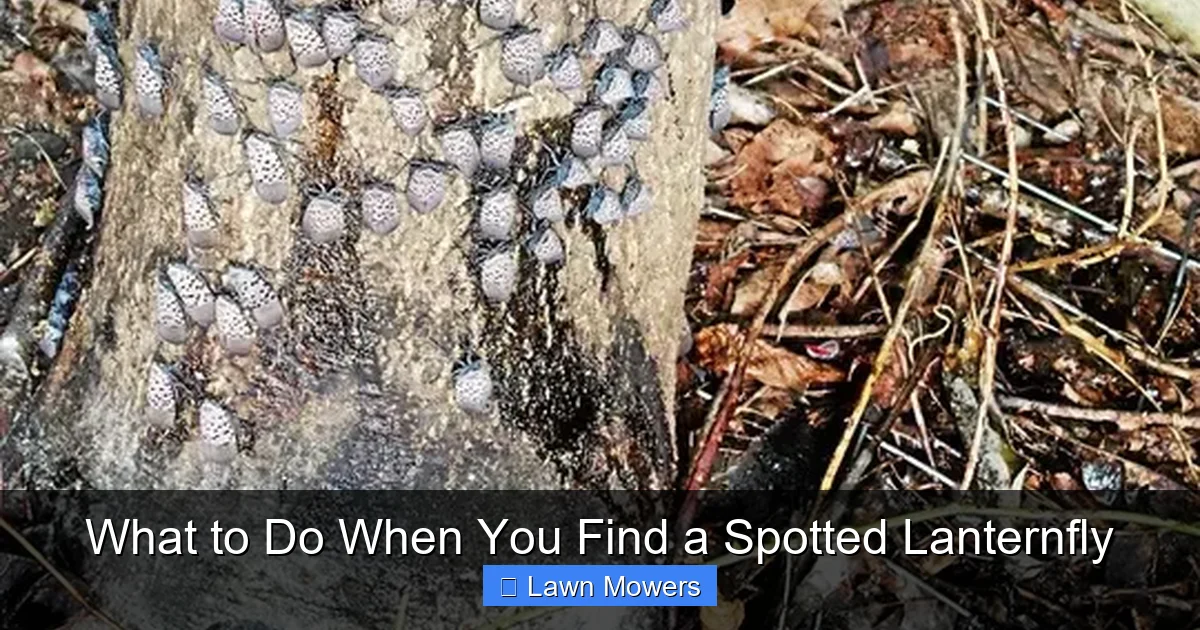
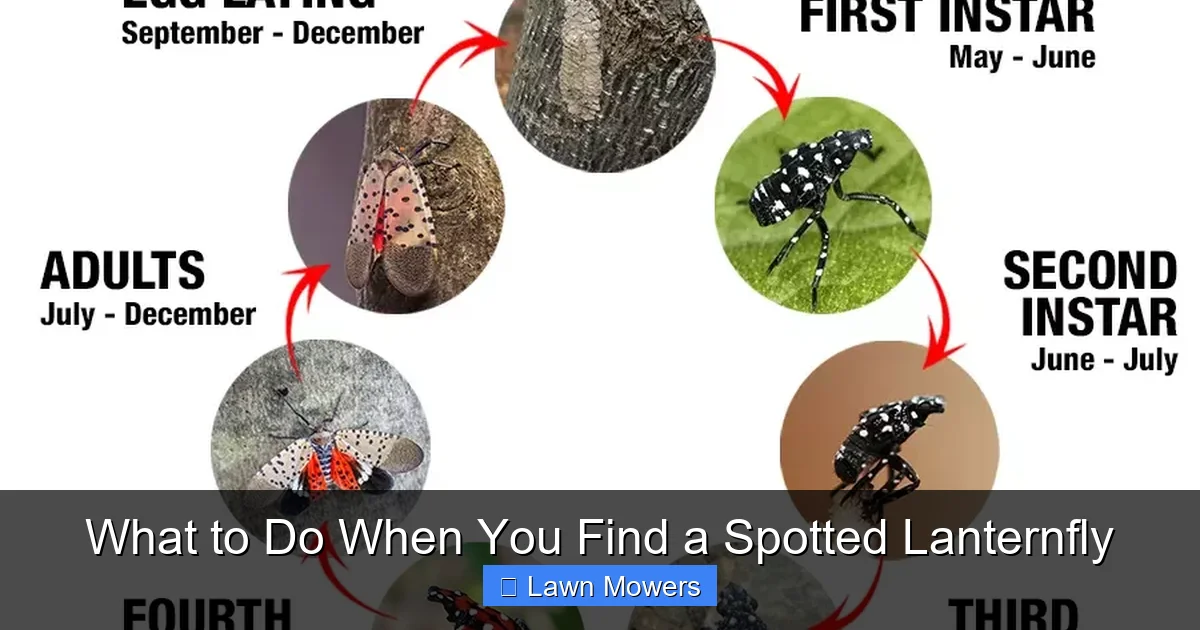
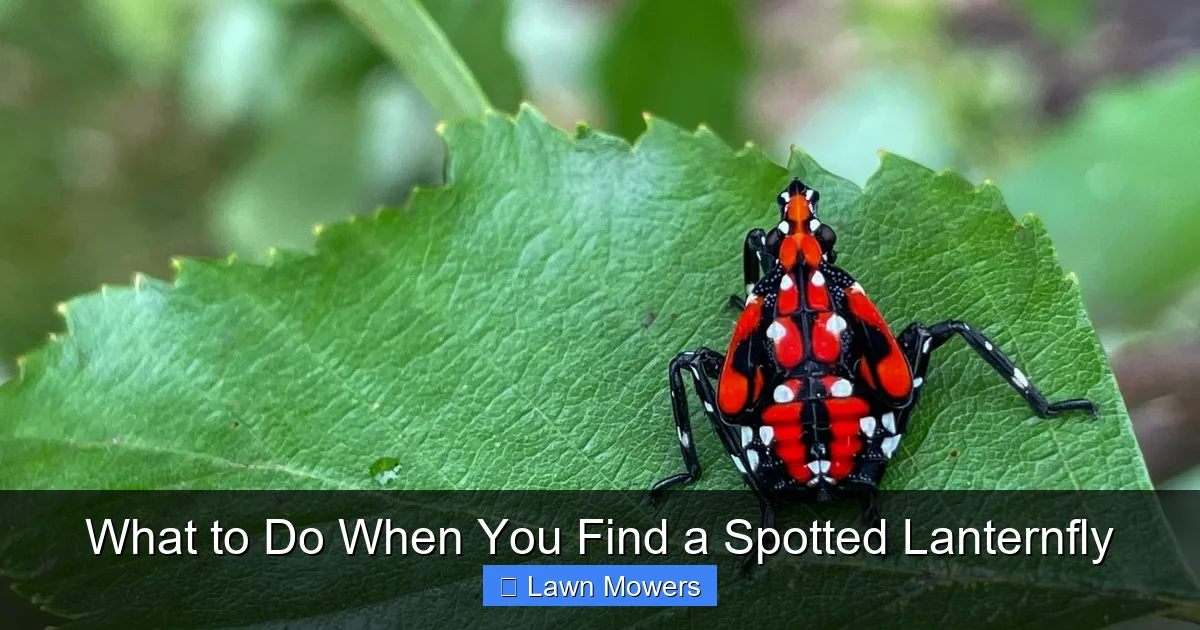
If you see younger lanternflies, they look very different from adults. In the first stage, nymphs are black with white spots and a red underside. As they grow, they molt several times, changing color with each stage. By the fourth stage, they’re mostly white with black spots and a red tail—like a tiny, striped alien.
Nymphs are often found in large groups on the trunks and branches of trees, especially in the spring and early summer. They’re most active during the day and can be seen feeding on tree sap.
Egg Masses
One of the most important signs of an infestation is the egg mass. These look like mud-colored, waxy patches—about the size of a quarter—and can be found on trees, outdoor furniture, vehicles, mailboxes, and even lawn mowers. Each mass contains up to 50 to 300 eggs, and they’re often laid in late summer or early fall. They can survive harsh winters and hatch in the spring.
Egg masses are easy to miss because they look like dried mud or tree bark. But if you see a gray, slightly bumpy patch on any outdoor surface, it could be a lanternfly egg mass. Don’t touch it—just report it and destroy it.
Why Spotted Lanternflies Are a Problem
Damage to Trees and Crops
Spotted lanternflies feed on the sap of trees using a needle-like mouthpart called a stylet. This feeding weakens the tree and can lead to branch dieback, stunted growth, and even death in severe cases. They also excrete a sticky substance called honeydew, which promotes the growth of black sooty mold. This mold blocks sunlight and can harm plants growing below.
Visual guide about What to Do When You Find a Spotted Lanternfly
Image source: cdn05.zipify.com
Fruit trees like apples, peaches, and grapes are especially vulnerable. In commercial orchards, entire rows of trees have been lost due to lanternfly infestations. Home gardeners may notice reduced fruit size, premature leaf drop, and weakened trees over time.
Impact on Lawn and Outdoor Equipment
While lanternflies don’t directly attack grass or lawns, their presence can indirectly affect your outdoor maintenance. For example, when they feed on trees near your yard, the honeydew they produce can drip onto your lawn, creating sticky patches. This can make mowing uncomfortable and may attract other pests like ants or flies.
More importantly, lawn mowers and other outdoor tools can become carriers of lanternfly eggs. If you mow under an infested tree and the eggs fall onto your mower, you could unknowingly transport them to a new area. That’s why it’s crucial to inspect and clean your equipment regularly.
Spread to New Areas
Spotted lanternflies don’t travel far on their own. But people can accidentally spread them by moving firewood, outdoor furniture, or even lawn mowers from one location to another. This is why states have strict regulations about moving firewood and outdoor items.
In fact, many infestations have been traced back to a single vehicle or piece of equipment brought into a new area. That’s why reporting sightings is so important—it helps officials track the spread and set up quarantine zones.
What to Do When You Find a Spotted Lanternfly
Stay Calm and Observe
If you see a spotted lanternfly, don’t panic. First, take a moment to confirm what you’re looking at. Use a magnifying glass or take a photo (if it’s safe to do so) to help identify it. Remember: adults have gray wings with black spots and red undersides. Nymphs are black with white spots or white with black spots and red tails. Egg masses look like mud patches.
Visual guide about What to Do When You Find a Spotted Lanternfly
Image source: lirp.cdn-website.com
Try to get a clear view of its shape, color, and behavior. Are they jumping? Are they clustered on a tree? This information will help you report the sighting accurately.
Report the Sighting
Reporting is one of the most important steps you can take. Most states have dedicated hotlines or online systems for reporting spotted lanternfly sightings. For example:
- Pennsylvania: Use the Pennsylvania Department of Agriculture website or call 1-888-480-4441.
- New York: Report via the NYS Department of Agriculture and Markets or use the iMapInvasives app.
- Virginia: Use the Virginia Department of Agriculture and Consumer Services portal.
You can also use apps like iMapInvasives or Eyes in the Field to log your sighting with GPS coordinates. The more data officials have, the better they can track and control the infestation.
Destroy Egg Masses
If you find an egg mass, do not leave it behind. Scrape it off the surface using a putty knife, credit card, or similar tool. Place the eggs in a sealed plastic bag and submerge them in rubbing alcohol or hand sanitizer (at least 70% alcohol). This kills the eggs instantly. You can also crush them, but sealing them in a bag prevents any survivors from escaping.
Be sure to wash the area where the eggs were found with soap and water to remove any residue. This helps prevent accidental spread.
Use Sticky Bands or Traps
For ongoing control, consider using physical barriers. Sticky bands can be wrapped around tree trunks to catch nymphs as they crawl up. These bands should be checked weekly and replaced when full. Be careful not to trap non-target insects like birds or squirrels.
Another option is a fruit trap. Hang a container (like a tuna can) from a tree and fill it with a mixture of fruit juice and dish soap. Lanternflies are attracted to the smell and will get trapped in the liquid. This method works best in areas with high lanternfly activity.
Clean Your Lawn Mower and Tools
After mowing near trees where lanternflies are present, inspect your lawn mower carefully. Look under the deck, around the wheels, and on the handle. Eggs can stick to any surface.
Use a stiff brush and soapy water to clean your mower. Pay special attention to areas where grass and sap might collect. If you suspect eggs are present, spray the entire mower with rubbing alcohol before storing it. This is especially important if you’ve been mowing in a newly reported infestation zone.
Prevention Tips for Lawn and Garden Owners
Inspect Trees Regularly
Walk around your property every few weeks, especially during spring and summer when lanternflies are most active. Look for:
- Clusters of nymphs on tree trunks and branches
- Adults resting on leaves or bark
- Honeydew dripping from trees or accumulating on the ground
- Egg masses on outdoor surfaces
Early detection is your best defense. The sooner you spot an infestation, the easier it is to control.
Remove Host Plants (If Possible)
While you can’t remove all host trees overnight, consider removing smaller, vulnerable plants like tree of heaven (Ailanthus altissima), which lanternflies prefer. This reduces the food source and makes trapping easier.
However, don’t remove large, healthy trees unless advised by a professional arborist. Healthy trees can sometimes recover from light to moderate feeding damage.
Use Mulch and Ground Cover
Applying a layer of mulch or ground cover around the base of trees can make it harder for nymphs to climb up. This is especially useful in areas where lanternflies are common.
Just be sure the mulch doesn’t touch the trunk—keeping a small gap (about 3 inches) helps prevent rot and pest access.
Encourage Natural Predators
Some birds, wasps, and spiders eat lanternflies, but their populations are limited. You can support local wildlife by planting native flowers that attract beneficial insects. Avoid using broad-spectrum insecticides, which can harm helpful predators.
Instead, use targeted methods like sticky bands or fruit traps to reduce lanternfly numbers without disrupting the ecosystem.
Legal and Community Responsibilities
Follow State Regulations
Many states have laws about how to handle spotted lanternflies. For example, some require you to destroy egg masses and report sightings. Others restrict the movement of firewood and outdoor items to prevent spread.
Check your state’s Department of Agriculture website for the latest rules. Ignoring these laws can result in fines and contribute to the pest’s spread.
Educate Your Neighbors
Spotted lanternfly control is a community effort. Share information with your neighbors—post flyers, attend local meetings, or start a neighborhood watch for invasive pests. The more people who know how to identify and report lanternflies, the better we can protect our shared green spaces.
Support Research and Outreach
Many universities and government agencies are studying lanternfly behavior and developing new control methods. You can support these efforts by participating in citizen science projects or attending public workshops.
Some programs even offer free traps or training materials for homeowners. Check with your local extension office for resources.
Conclusion: Take Action Now
Spotted lanternflies are a serious threat, but they’re not invincible. With early detection, proper reporting, and consistent control measures, we can slow their spread and protect our trees, gardens, and outdoor spaces. Whether you’re a homeowner, gardener, or lawn care enthusiast, your actions matter.
Next time you’re out with your lawn mower, take a few extra minutes to look around. Check the trees, inspect your equipment, and stay alert. If you see a spotted lanternfly or an egg mass, report it—then destroy it. Every sighting helps build a clearer picture of where these pests are and how to stop them.
Remember: prevention is easier than cleanup. By working together, we can keep our lawns, trees, and communities healthy and free from the damage caused by spotted lanternflies.
Frequently Asked Questions
Can spotted lanternflies jump onto my lawn mower?
Yes, adult spotted lanternflies can jump short distances and may land on equipment like lawn mowers. They’re more likely to be found on trees nearby, but it’s important to check your mower after use in infested areas.
Do spotted lanternflies bite humans?
No, spotted lanternflies do not bite humans. They feed on tree sap and are not known to sting or bite. However, their presence can be alarming due to their appearance and jumping behavior.
Can I use pesticides to kill spotted lanternflies?
Yes, but only if approved by your state’s agriculture department. Some insecticides like dinotefuran are effective, but they must be applied carefully to avoid harming beneficial insects. Always follow label instructions.
Are spotted lanternflies dangerous to pets?
No evidence suggests spotted lanternflies are harmful to pets. However, the honeydew they excrete can attract ants and flies, which may bother pets. Clean up any sticky residue on outdoor furniture or lawns.
How do I know if my tree is infested?
Signs of infestation include clusters of nymphs or adults on branches, visible egg masses in late summer, sticky honeydew on the bark or ground, and black sooty mold. Consult a local arborist if you suspect damage.
Can I move my lawn mower from an infested area?
Yes, but only after thoroughly cleaning it. Inspect the mower deck, wheels, and handle for egg masses. Wash with soap and water and spray with rubbing alcohol to kill any eggs. This prevents spreading the pest to new locations.
