Lawn Mower Smoking White Smoke: Causes And Fixes
White smoke from a lawn mower usually means spilled oil, overfilled oil, or oil entering the engine.
Seeing a lawn mower smoking white smoke can be alarming, but it is often a simple problem that you can fix at home. The key is to find out whether the smoke is caused by tipped oil, too much oil, a clogged air filter, or a deeper engine fault. This guide explains what the smoke means, how to diagnose it safely, and when professional repair is the better choice.
What Does White Smoke From a Lawn Mower Mean?
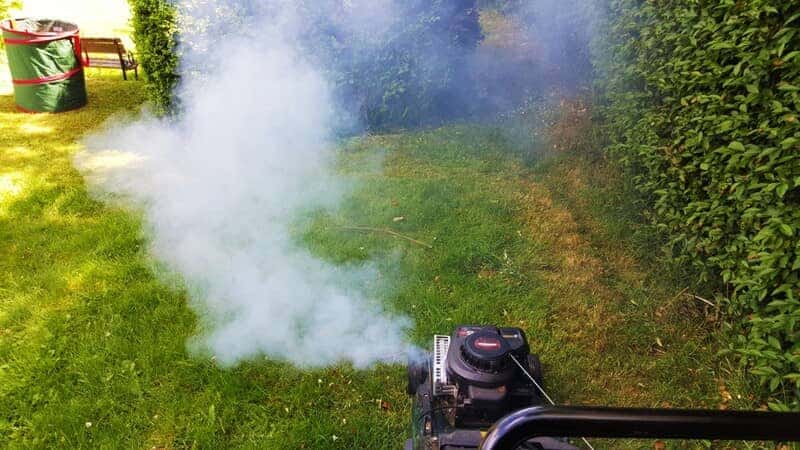
A lawn mower smoking white smoke is usually burning oil. Small amounts of oil can reach hot engine parts and create thick white or pale blue smoke. This often happens after the mower is tipped, stored at an angle, or filled with too much oil.
In many cases, the smoke stops after the leftover oil burns away. However, continued smoke may point to a worn piston ring, damaged head gasket, or breather problem.
The smoke color can offer a useful clue:
• White or light blue smoke usually means oil is burning.
• Black smoke often means the engine is getting too much fuel or too little air.
• Gray smoke can come from oil, fuel mixture problems, or general engine wear.
White smoke is not always a serious failure. Think of it like a candle burning spilled wax. If the spill is small, the smoke fades. If oil keeps entering the cylinder, the engine needs closer inspection.
Common Causes of a Lawn Mower Smoking White Smoke
Several problems can cause a lawn mower smoking white smoke. Start with the simple causes before assuming the engine is damaged.
The mower was tipped the wrong way
When a push mower is turned on its side, oil can move into the air filter, carburetor, muffler, or combustion chamber. Once the engine starts, that oil burns and produces white smoke.
Always check the owner’s manual before tipping a mower. Many four stroke mowers should be tipped with the carburetor and air filter facing upward. Tipping the mower toward the air filter side can push oil into places where it does not belong.
The engine has too much oil
An overfilled crankcase can create high pressure inside the engine. That pressure may force oil through the breather system and into the air intake.
Check the oil level on flat ground. Remove the dipstick, wipe it clean, insert it fully, and then remove it again to read the level. The oil should sit between the marked lines, not above the full mark.
Too much oil can also cause:
• Rough running
• Oil leaks
• Hard starting
• Heavy smoke
• Engine damage if the mower is used for a long time
Oil spilled on the engine
Oil can spill during an oil change or while adding oil. Even a small amount on the muffler or cylinder can smoke when the engine gets hot.
This type of smoke often starts soon after maintenance. It should slowly fade as the oil burns away. Turn the mower off, let it cool, and wipe away any visible oil before using it again.
A dirty or oil soaked air filter
The air filter controls the air entering the engine. If it becomes soaked with oil, the engine may pull oil vapor into the combustion chamber.
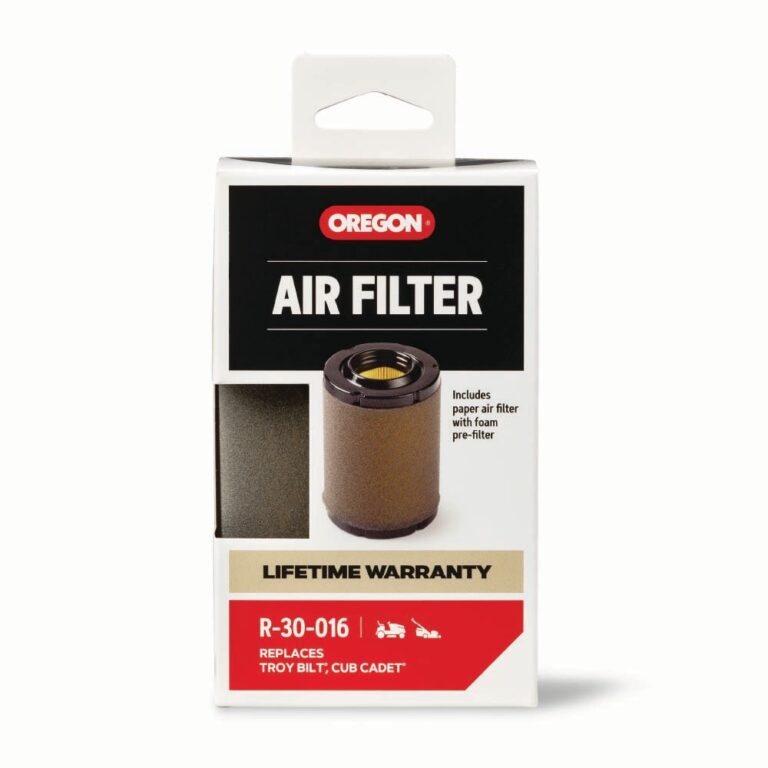
A paper filter should usually be replaced if it is wet with oil. A foam filter can often be washed with warm, soapy water, dried fully, and lightly coated with the correct filter oil if the manual allows it.
Do not run the mower without its air filter. Dirt can enter the engine and cause fast wear.
A blocked crankcase breather
The crankcase breather helps release pressure from inside the engine. If it becomes blocked with dirt or oil, pressure can push oil into the intake.
A blocked breather may cause smoke, oil leaks, and poor engine performance. Cleaning or replacing the breather is often simple, but the exact process differs by engine model.
Worn piston rings or cylinder walls
The piston rings help keep oil out of the combustion chamber. Worn rings allow oil to pass into the cylinder, where it burns with the fuel.
This cause is more likely when the mower smokes during normal use, especially under load. You may also notice high oil use, low power, hard starting, or a strong oily smell from the exhaust.
A damaged head gasket
The head gasket seals the space between the engine block and cylinder head. If it fails, oil can enter the combustion chamber or leak outside the engine.
A blown head gasket may cause steady smoke, oil leaks, loss of power, and poor compression. Repair usually requires removing engine parts, so it may be best handled by a trained technician.

Source: youtube.com
How to Diagnose a Lawn Mower Smoking White Smoke
Before taking the mower apart, use a simple inspection. Work slowly and look for clues.
1. Turn off the mower and let it cool
Never inspect a hot muffler or engine with bare hands. Disconnect the spark plug wire before checking the blade area, air filter, or other moving parts.
Wear gloves and eye protection. Gasoline and hot oil can cause serious injuries.
2. Check the oil level
Place the mower on a level surface. Check the dipstick as described in the owner’s manual.
If the oil level is above the full mark, drain a small amount at a time. Recheck the level after each adjustment. Do not guess, because removing too much oil can also harm the engine.
3. Inspect the air filter
Remove the air filter cover and look for:
• Wet oil
• Heavy dirt
• Tears or holes
• A collapsed filter
• Oil inside the air filter housing
Replace damaged paper filters. Clean reusable foam filters according to the mower manual.
4. Look for fresh oil
Check around the valve cover, crankcase, muffler, air filter housing, and drain plug. Fresh oil in these areas can explain why the mower smokes.
Clean the engine with a shop towel. Avoid spraying water directly into the carburetor, air intake, or electrical parts.
5. Think about recent events
Ask yourself:
• Was the mower tipped on its side?
• Did you just change the oil?
• Was too much oil added?
• Did the mower hit a steep slope?
• Did the smoke begin after washing the machine?
• Has the mower been losing oil?
The timing often reveals the cause. Smoke that begins after tipping or servicing is usually easier to fix than smoke that appears during every mowing session.
6. Watch how long the smoke lasts
A small amount of smoke may clear within several minutes after spilled oil burns off. Thick smoke that continues for more than 10 to 15 minutes deserves further inspection.
Stop using the mower if the smoke grows heavier, the engine loses power, or oil sprays from the exhaust.

Source: reddit.com
How to Fix a Lawn Mower Smoking White Smoke
The right repair depends on the cause. Follow these steps in order.
Correct an overfilled oil tank
Drain the excess oil into an approved container. Keep the mower level while checking the dipstick.
Use the oil grade and quantity listed in the owner’s manual. Many small engines use only a small amount of oil, so even a few extra ounces can matter.
Never pour used oil onto soil or into a drain. Take it to a local recycling center or an auto parts store that accepts used oil.
Clean spilled oil
Let the engine cool completely. Wipe oil from the engine housing, muffler, and nearby parts.
Give the mower time to dry before starting it. Keep the mower outdoors in an open area during the first test. A small amount of remaining oil may smoke briefly, but it should not continue for long.
Replace a soaked air filter
Replace an oil soaked paper filter. Clean and dry a washable foam filter before reinstalling it.
Make sure the filter cover seals correctly. A loose cover can allow dirt into the engine and may also affect the air and fuel mixture.
Let the engine burn off a small amount of oil
If the mower was recently tipped, some oil may have entered the cylinder. After checking the oil level and air filter, start the mower outdoors.
Let it run at normal speed for a few minutes. Do not leave it unattended. If the smoke gradually fades and the engine runs smoothly, the issue may be resolved.
If the smoke stays thick, shut the mower down and investigate further.
Replace a damaged breather or gasket
A damaged breather, valve cover gasket, or head gasket can allow oil into the intake or cylinder. These repairs often require model specific parts.
Use the engine model number when ordering parts. Mower brands and engine brands are not always the same, so the correct part must match the engine itself.
Consider a compression test
A compression test can help identify worn piston rings or valve problems. Low compression often appears with hard starting, weak power, and ongoing smoke.
A compression test is more useful when combined with other symptoms. A single test result should not be used to condemn the engine without checking the valve adjustment and testing method.

Source: youtube.com
Is It Safe to Use a Lawn Mower Smoking White Smoke?
A lawn mower smoking white smoke is not always dangerous, but you should not ignore it. A small amount of smoke from spilled oil may be harmless after the oil level is corrected.
Stop the mower at once if you notice:
• Heavy or constant smoke
• Flames or glowing exhaust parts
• A strong gasoline smell
• Oil spraying from the engine
• Sudden loss of power
• Loud knocking or rattling
• An engine that races uncontrollably
• Smoke coming from the fuel tank area
Use the mower only in an open outdoor space. Never run a gasoline mower inside a garage, shed, basement, or enclosed porch. Carbon monoxide can build up without warning.
If the mower has been overfilled with oil, continued use may increase engine wear. It is safer to correct the oil level before mowing again.
White Smoke After Tipping a Lawn Mower
White smoke after tipping a mower is one of the most common situations. Oil can move through the breather tube and air filter, then enter the combustion chamber.
Place the mower upright on level ground. Remove the air filter and check for oil. Replace or clean the filter as needed, then check the engine oil level.
Some oil may remain inside the muffler or cylinder. After the oil level is correct, start the mower outdoors and allow it to run briefly. The smoke should become lighter and stop.
Do not repeatedly start the mower if it will not run well. Repeated starting can flood the engine and make diagnosis harder.
A useful lesson from basic mower maintenance is to avoid guessing about the tipping direction. The owner’s manual is more reliable than a general rule because engine layouts vary.

Source: reddit.com
White Smoke From a Riding Lawn Mower
A riding mower smoking white smoke may have the same causes as a push mower, but the system is larger and more complex. Oil can enter the cylinder after driving on a steep slope or parking on an incline.
Check the oil level, air filter, crankcase breather, and visible oil leaks. Also inspect the mower deck and exhaust area for oil or grass buildup.
Riding mowers may have twin cylinder engines. If only one cylinder is smoking, the problem could involve one head gasket, valve seal, or piston ring.
Do not remove engine covers while the mower is running. Park on level ground, remove the key, set the brake, and disconnect the battery or spark plug wires before inspection.
Source: com.au
How to Prevent a Lawn Mower Smoking White Smoke
Good maintenance can prevent most oil related smoke problems. A few simple habits protect the engine and save repair costs.
• Check the oil before each mowing session.
• Keep the mower on level ground when reading the dipstick.
• Use the oil type listed in the manual.
• Do not fill above the full mark.
• Change oil at the recommended interval.
• Replace dirty air filters.
• Clean grass from the engine cooling fins.
• Store the mower upright and under cover.
• Tip the mower only in the approved direction.
• Keep the breather and muffler area free from grass.
• Avoid mowing slopes that are too steep for the machine.
• Inspect for leaks before every long mowing job.
Fresh oil is not a cure for every engine problem. Adding oil without checking the level can create an overfilled crankcase and make white smoke worse.
It also helps to keep a basic maintenance record. Write down the oil type, oil change date, filter changes, and any unusual smoke. This small habit can reveal a pattern before a minor issue becomes an expensive repair.

Source: youtube.com
When to Call a Lawn Mower Repair Professional
Call a professional when the smoke continues after correcting the oil level and checking the air filter. Ongoing smoke usually means oil is entering the combustion chamber or the crankcase is not venting correctly.
Professional service is especially useful when:
• The mower is hard to start.
• The engine has very low power.
• Oil disappears quickly.
• The engine knocks or rattles.
• A compression test shows low pressure.
• The head gasket may be damaged.
• The mower overheats.
• The repair requires valve or piston work.
Compare the repair cost with the mower’s age and condition. A simple breather or gasket repair may be worthwhile. A worn engine on an older mower may cost more to rebuild than the machine is worth.
Ask the technician for a clear diagnosis and estimate. A trustworthy repair shop should explain the failed part, the repair steps, and whether other damage is likely.

Source: pageup.fr
Frequently Asked Questions About a Lawn Mower Smoking White Smoke
Why is my lawn mower smoking white smoke after an oil change?
The oil may have spilled onto the muffler, or the engine may be overfilled. Check the oil level and wipe away any spilled oil before running the mower again.
How long should white smoke last after tipping a lawn mower?
Light smoke may last for a few minutes while the remaining oil burns off. If thick smoke continues beyond about 10 to 15 minutes, turn off the mower and inspect the oil level, air filter, and breather.
Can too much oil make a lawn mower smoke white?
Yes. Excess oil can move into the breather system, air intake, and combustion chamber. Drain the extra oil until the level reaches the correct mark on the dipstick.
Is white smoke from a lawn mower worse than black smoke?
Neither color should be ignored, but they suggest different problems. White smoke usually points to burning oil, while black smoke often means too much fuel or not enough air.
Can I keep mowing if my lawn mower is smoking white smoke?
Do not keep mowing if the smoke is heavy, constant, or paired with power loss, strange noises, or oil leaks. A brief puff after spilled oil may clear, but continued smoke needs inspection.
Does a blown head gasket cause white smoke on a lawn mower?
It can. A damaged head gasket may let oil enter the cylinder and cause steady smoke, low power, hard starting, or oil leaks.
Should I replace the mower if it keeps smoking?
Not always. A filter, breather, gasket, or oil level problem may be inexpensive to repair. If the engine has worn rings, low compression, and heavy oil use, replacement may be more practical.
Conclusion
A lawn mower smoking white smoke most often has an oil related problem. Tipping the mower, overfilling the crankcase, spilling oil, or using an oil soaked air filter can all create smoke. More serious causes include a blocked breather, worn piston rings, or a damaged head gasket.
Start with the safe checks: let the engine cool, inspect the oil level, examine the air filter, and look for leaks. If the smoke does not fade or the mower loses power, stop using it and arrange a professional inspection. Take a few minutes to check your mower today, and share your symptoms or repair experience in the comments.