


The Hydro Gear ZT 3100 is a reliable water transfer pump, but like any equipment, it has its share of common problems. Users often report issues like motor overheating, leakage, and inconsistent performance due to poor maintenance or incompatible fluid types. Knowing these issues early can save you time, money, and frustration. This guide breaks down every major concern so you can operate your ZT 3100 like a pro.
Key Takeaways
- Motor Overheating: Frequent overheating can result from running the pump dry or using it in high-temperature environments without proper cooling.
- Leakage at Connections: Loose fittings or worn seals are the top causes of leaks—regular inspection and torque checks can prevent this.
- Poor Flow or Pressure: Clogged intake filters or damaged impellers reduce performance; cleaning or replacing parts often fixes the issue.
- Electrical Failures: Moisture intrusion or faulty wiring can cause the motor to fail; always use the pump in dry, well-ventilated areas.
- Vibration and Noise: Misalignment or worn bearings create excessive noise; balancing the setup and checking mounts can help.
- Compatibility Issues: Using the ZT 3100 with abrasive or chemical-laden fluids may shorten its lifespan—always check the manual.
- Lack of Maintenance: Skipping routine cleaning and lubrication leads to long-term damage; create a simple maintenance schedule.
📑 Table of Contents
- Introduction: Why the Hydro Gear ZT 3100 Needs Your Attention
- 1. Motor Overheating: The Silent Saboteur
- 2. Leakage at Connections: A Common but Fixable Issue
- 3. Poor Flow or Pressure: When the Pump Feels Weak
- 4. Electrical Failures: When the Motor Won’t Start
- 5. Vibration and Excessive Noise: Signs of Misalignment
- 6. Compatibility Issues: Using the Wrong Fluids
- Conclusion: Keep Your Hydro Gear ZT 3100 Running Strong
Introduction: Why the Hydro Gear ZT 3100 Needs Your Attention
You’ve invested in the Hydro Gear ZT 3100 because it promises power, portability, and reliability. Whether you’re pumping water for irrigation, draining a flooded basement, or managing storm runoff, this pump is built to handle tough jobs. But even the best equipment has its flaws—and knowing them ahead of time can save you from costly downtime and repairs.
Over the years, users across various industries—from construction to agriculture—have shared their experiences with the ZT 3100. While many praise its durability and ease of use, others have run into frustrating issues that could’ve been avoided with better understanding and care. From motor overheating to persistent leaks, these problems aren’t rare, but they’re often preventable.
In this deep dive, we’ll walk through the most common problems users encounter with the Hydro Gear ZT 3100. We’ll explain what causes them, how to spot them early, and—most importantly—how to fix or avoid them. Whether you’re a first-time buyer or a long-time user, this guide will help you keep your pump running like new.
1. Motor Overheating: The Silent Saboteur
Why It Happens
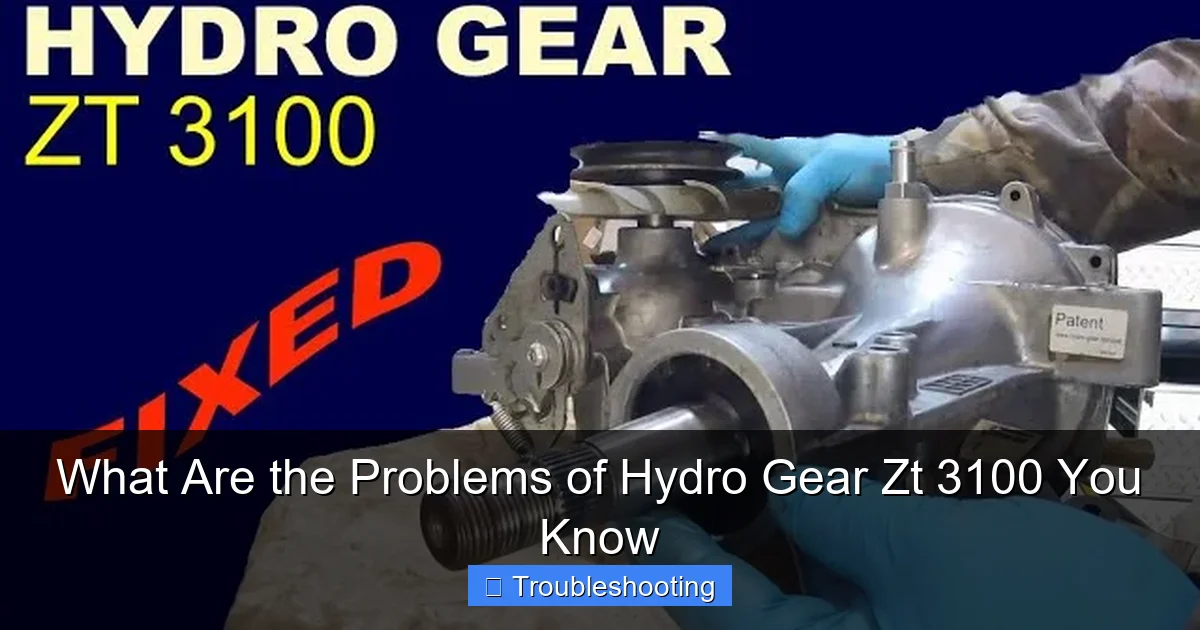
One of the most frequent complaints about the Hydro Gear ZT 3100 is motor overheating. This usually occurs when the pump is operated without sufficient water flow—commonly known as “running dry.” The motor generates heat, but without water to cool it, internal components begin to overheat, leading to premature wear or even failure.
Visual guide about What Are the Problems of Hydro Gear Zt 3100 You Know
Image source: i.ytimg.com
Another cause is operating the pump in extreme temperatures. If you’re using the ZT 3100 in a hot garage or during summer heatwaves, the ambient temperature can push the motor beyond its safe operating range. Additionally, blocked vents or poor airflow around the pump can trap heat and accelerate the problem.
Signs to Watch For
You’ll know your pump is overheating if:
- The motor feels unusually hot to the touch.
- The pump starts to make a high-pitched whine or grinding noise.
- It shuts off unexpectedly during operation.
- There’s a burning smell coming from the motor housing.
Ignoring these signs can lead to permanent damage, including burnt windings or seized bearings—costly repairs that could’ve been avoided.
How to Prevent and Fix It
First, always ensure the pump is submerged or primed before starting. Never run the ZT 3100 without water flowing through it. If you’re using it in a sump pit or shallow water source, make sure the intake is fully covered.
Second, avoid prolonged use in high-temperature environments. If you must operate it in a hot area, provide shade or airflow. Consider using a cooling fan nearby.
If the pump has already overheated, turn it off immediately and let it cool for at least 30 minutes. Check for blockages in the suction line and clean the intake filter. If the motor still feels hot or shows signs of damage, contact Hydro Gear support for repair or replacement.
2. Leakage at Connections: A Common but Fixable Issue
Where Leaks Usually Occur
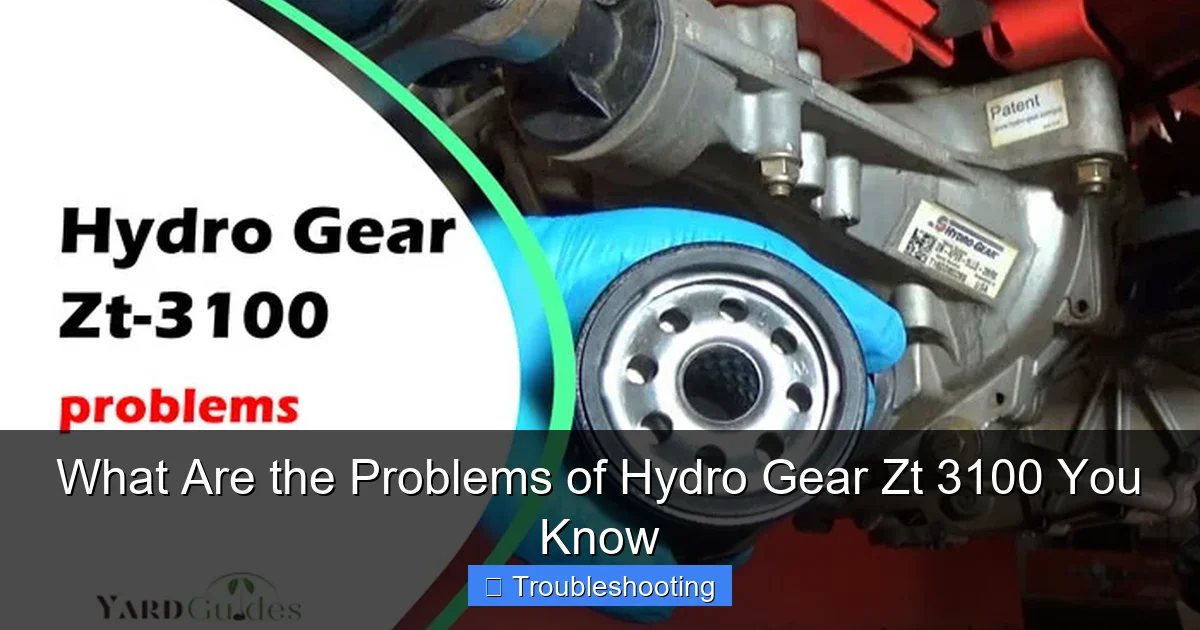
Leaks in the Hydro Gear ZT 3100 most often happen at connection points—either where the suction hose meets the intake or where the discharge hose attaches to the outlet. These are high-pressure zones, and over time, vibrations or improper tightening can cause gaskets or O-rings to lose their seal.
Visual guide about What Are the Problems of Hydro Gear Zt 3100 You Know
Image source: yardguides.com
Another common spot is the shaft seal, especially after extended use. This internal seal prevents water from entering the motor housing. If it wears out or gets damaged, water can seep into the motor, leading to electrical failure.
How to Identify a Leak
Look for these telltale signs:
- Water pooling around the base of the pump.
- Dripping from hose connections during operation.
- Moisture or rust forming on metal parts.
- A drop in pump performance, possibly due to air entering the system.
If you notice any of these, stop the pump immediately to prevent further damage.
Simple Fixes You Can Do Yourself
For leaks at hose connections:
- Turn off the pump and disconnect the hoses.
- Inspect the O-rings and gaskets—replace them if cracked or brittle.
- Reassemble using a torque wrench (if available) or by hand-tightening until snug.
- Run a test with water to check for leaks.
For internal leaks (shaft seal):
- These require disassembly and are best handled by a professional.
- Attempting to repair the shaft seal without experience can worsen the problem.
- Contact Hydro Gear customer service or an authorized repair center.
Pro tip: Always use the correct hose clamps and never overtighten connections—this can crack the housing or strip threads.
3. Poor Flow or Pressure: When the Pump Feels Weak
Why Performance Drops
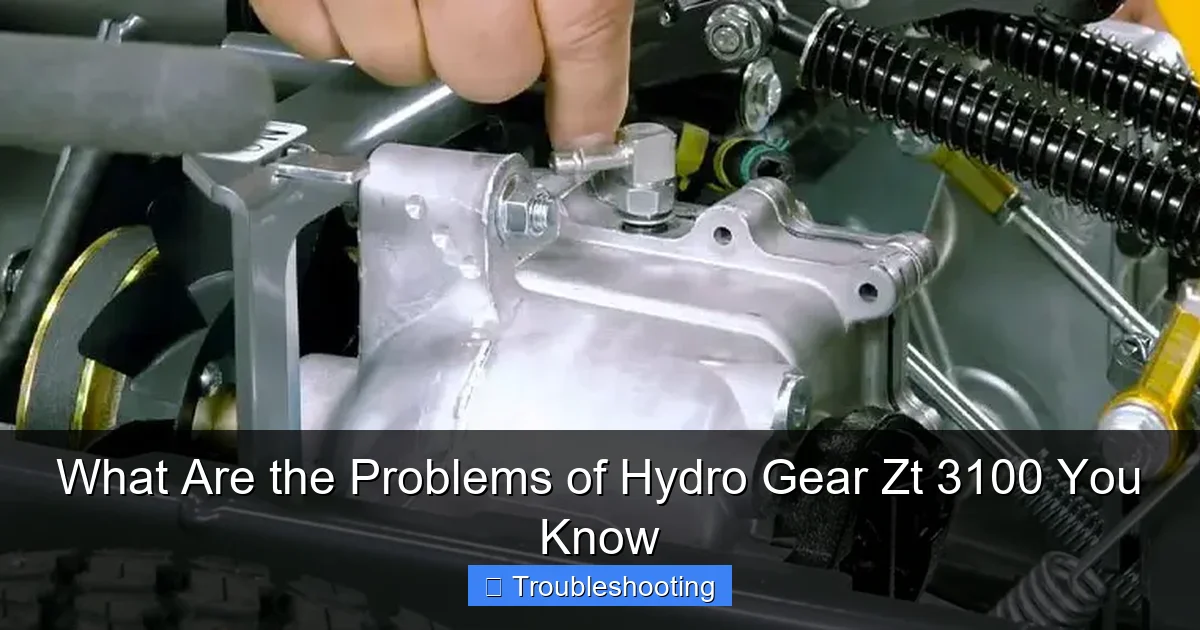
If your Hydro Gear ZT 3100 suddenly delivers less water or lower pressure, several factors could be at play. The most common are clogged intake filters, blocked discharge hoses, or a worn impeller.
Visual guide about What Are the Problems of Hydro Gear Zt 3100 You Know
Image source: i0.wp.com
The intake filter is designed to keep debris out of the pump. Over time, it can get clogged with sand, sediment, or algae—especially in muddy or stagnant water sources. A clogged filter restricts water flow, reducing efficiency.
The impeller, which spins to move water, can also degrade. After months of use, especially with abrasive fluids, the vanes may become chipped or warped, reducing suction power.
How to Diagnose the Problem
Start by checking the intake filter. Remove it and rinse it under clean water. If it’s caked with dirt or mineral buildup, clean it thoroughly or replace it if damaged.
Next, inspect the discharge hose. Look for kinks, bends, or clogs. Even a small kink can reduce flow by 30%. Straighten the hose and ensure it’s fully open.
If the pump still feels weak, remove the casing and inspect the impeller. Look for cracks, wear, or foreign objects stuck in the blades. Replace the impeller if necessary—Hydro Gear offers replacement kits.
Prevention Tips
To maintain optimal performance:
- Always use a pre-filter when pumping from muddy or debris-filled water.
- Flush the pump with clean water after each use to remove sediment.
- Store the pump dry and covered to prevent rust and clogging.
- Follow the manufacturer’s recommended maintenance schedule.
4. Electrical Failures: When the Motor Won’t Start
Common Electrical Issues
Electrical problems with the Hydro Gear ZT 3100 usually stem from moisture exposure or faulty wiring. Since the pump is designed for water use, it’s vulnerable to water intrusion if seals fail or if it’s submerged too deeply.
Another issue is damaged power cords or switches. Frayed wires or a malfunctioning ON/OFF switch can prevent the motor from receiving power. In some cases, the thermal overload protector may trip due to overheating, cutting off power until the motor cools.
How to Troubleshoot
First, check the power source. Is the outlet working? Try plugging in another device. If the outlet works, test the cord with a multimeter to check for continuity.
If the cord is fine, inspect the switch. Press it a few times to see if it clicks. If not, the switch may need replacement.
For moisture-related issues:
- Turn off the pump and unplug it.
- Let it dry completely—overnight is best.
- Remove the access panel and check for water inside. Dry any wet components with a clean cloth.
- Reassemble and test. If the motor still won’t start, internal wiring may be damaged.
Never attempt to power a wet pump. Electrical shock and motor damage are serious risks.
When to Call a Professional
If you’ve ruled out simple fixes and the pump still won’t start, it’s time to contact Hydro Gear support. Electrical repairs require expertise and safety precautions. DIY attempts can void your warranty or cause further damage.
5. Vibration and Excessive Noise: Signs of Misalignment
Why It Happens
Excessive vibration or loud noises during operation are red flags. In the Hydro Gear ZT 3100, this is often due to misaligned mounting or worn bearings. When the pump isn’t sitting level or is bolted unevenly, the motor shaft wobbles, causing imbalance.
Bearings can also wear out over time, especially if the pump runs dry or is exposed to contaminants. Worn bearings produce a grinding or rattling sound and increase vibration.
How to Fix It
First, ensure the pump is mounted on a stable, level surface. Use a spirit level to check. If it’s on a skid or trailer, tighten all bolts evenly.
Next, inspect the mounting brackets. Are they secure? Are any bolts loose? Tighten them using a torque wrench if possible.
If the noise persists, the bearings may need replacement. This requires disassembling the motor housing. Again, this is best left to professionals unless you’re experienced with pump mechanics.
Prevention Tips
- Always use the pump on a firm, level surface.
- Avoid running it without water to prevent bearing damage.
- Keep the pump clean and free of debris.
- Schedule periodic inspections, especially after heavy use.
6. Compatibility Issues: Using the Wrong Fluids
What the Manual Says
The Hydro Gear ZT 3100 is designed for clean water and mildly abrasive fluids. Using it with chemicals, solvents, or highly abrasive materials can damage internal components. For example, pumping paint thinner or sand-laden water can erode the impeller and seals.
Even saltwater or chlorinated water can corrode metal parts over time. Always check the pump’s specifications before use.
Real-World Examples
A landscaper once used the ZT 3100 to pump muddy irrigation water mixed with fertilizer. Within two weeks, the seals degraded, and the motor began to fail. Another user tried to use it for a car wash, exposing it to soap and chemicals—resulting in rust and clogging.
These cases highlight the importance of matching the pump to the job.
Best Practices
- Only use the pump for its intended purpose: water transfer, drainage, or irrigation.
- Filter out debris before pumping.
- Flush the pump with clean water after each use.
- Store it in a dry place away from chemicals.
Conclusion: Keep Your Hydro Gear ZT 3100 Running Strong
The Hydro Gear ZT 3100 is a powerful and versatile pump, but it’s not immune to problems. From motor overheating to electrical failures, the issues you might face are often the result of improper use or lack of maintenance. The good news? Most of these problems are preventable with the right knowledge and care.
By understanding the common problems—like leaks, poor flow, and vibration—you can take proactive steps to avoid them. Regular inspections, proper priming, and using the pump only with compatible fluids go a long way in extending its life.
Remember: a well-maintained pump is a reliable pump. If you ever notice something off, don’t ignore it. Address small issues early before they become costly repairs. And when in doubt, consult the manual or reach out to Hydro Gear support.
With the right approach, your ZT 3100 can serve you for years, handling everything from flood cleanup to agricultural needs with ease. Stay informed, stay prepared, and keep that pump running strong.
Frequently Asked Questions
What causes the Hydro Gear ZT 3100 to overheat?
The pump often overheats when run without water (“running dry”) or in high-temperature environments. Blocked vents or poor airflow can also contribute. Always ensure the pump is submerged and well-ventilated to prevent overheating.
How do I fix a leaking Hydro Gear ZT 3100?
Check hose connections and replace worn O-rings or gaskets. For internal leaks, especially at the shaft seal, disassembly is required—best handled by a professional. Always use proper torque when reassembling.
Why is my ZT 3100 not pumping enough water?
Clogged intake filters, kinked hoses, or a worn impeller are common causes. Clean the filter, straighten the discharge hose, and inspect the impeller for damage. Regular maintenance can prevent performance drops.
Can I use the Hydro Gear ZT 3100 with chemicals or saltwater?
No. The pump is designed for clean water and mildly abrasive fluids. Using chemicals, solvents, or saltwater can damage seals and corrode components, shortening the pump’s lifespan.
How often should I maintain my ZT 3100?
After every use, flush the pump with clean water and inspect for debris. Every 25–50 hours of operation, check connections, filters, and bearings. Follow the manufacturer’s maintenance schedule for best results.
What should I do if the motor won’t start?
Check the power source, cord, and switch. If the pump was exposed to water, dry it thoroughly before testing. If it still won’t start, there may be internal electrical damage—contact Hydro Gear support.
