


John Deere 100 Series tractors are reliable workhorses, but many owners face transmission issues like slipping gears, hard shifting, or fluid leaks. These problems often stem from low fluid, worn components, or improper maintenance. With the right diagnosis and timely repairs, you can restore smooth operation and avoid costly downtime.
Key Takeaways
- Understanding John Deere 100 Series Transmission Problems: Provides essential knowledge
📑 Table of Contents
Understanding the John Deere 100 Series Transmission
When you’re out in the field, whether mowing, tilling, or hauling, your John Deere 100 Series tractor is your trusted partner. These compact and versatile models—like the 1023, 1025R, and 1026R—have become household names among homeowners, landscapers, and small farm operators. But like any piece of heavy machinery, they’re not immune to wear and tear. One of the most critical components under the hood is the transmission. It’s the heart of your tractor’s powertrain, responsible for transferring engine power to the wheels or implements. When the transmission acts up, everything slows down—literally and figuratively.
Transmission problems in the John Deere 100 Series can range from minor annoyances like hard shifting to major failures that leave you stranded. While these tractors are built tough, they’re not indestructible. Over time, factors like poor maintenance, harsh operating conditions, or simply age can lead to a host of issues. The good news? Many transmission problems are preventable or fixable with the right knowledge and tools. In this guide, we’ll walk you through the most common John Deere 100 Series transmission problems, how to spot them, what causes them, and—most importantly—how to address them.
Before diving in, it’s important to note that the 100 Series includes several models, each with slight variations in transmission design. The 1023E, 1025R, and 1026R, for example, use different transmission types—some have hydrostatic transmissions (HST), while others use gear-driven systems. Understanding your specific model will help you diagnose and fix issues more accurately. So grab your manual, check your model number, and let’s get into the nitty-gritty.
Common Symptoms of Transmission Problems
Recognizing the signs of a failing transmission early can save you time, money, and frustration. The John Deere 100 Series is generally reliable, but when things go wrong, they go wrong fast. Here are the most frequent symptoms to watch for:
Visual guide about John Deere 100 Series Transmission Problems
Image source: thebrightesthub.com
Slipping Gears
One of the most telling signs is when the tractor seems to lose power mid-operation. You step on the gas, expecting forward motion, but the wheels just don’t respond as they should. This is often described as “slipping” or “floating.” It can happen in forward or reverse and may feel like the engine is racing without gaining speed. In gear-driven models, slipping gears can indicate worn clutch plates or a failing torque converter. In hydrostatic models, it might point to internal pump or seal issues.
For example, if you’re pulling a heavy load up a hill and the tractor suddenly slows down despite full throttle, that’s a red flag. Don’t ignore it—slipping gears can quickly lead to more serious damage if left unchecked.
Hard or Rough Shifting
Another common complaint is difficulty shifting between forward, reverse, or neutral. If you have to crank the lever with extra force or hear a grinding noise when switching gears, something’s off. In gear-driven transmissions, this often means the clutch isn’t fully disengaging. In hydrostatic models, it could indicate low fluid or air in the system.
Imagine trying to shift into reverse while the tractor is still moving forward. You might feel resistance, hear a clunk, or even stall the engine. That’s not normal. Hard shifting can also lead to stripped gears or internal damage over time.
Fluid Leaks
Transmission fluid is the lifeblood of your tractor. If it’s leaking, your transmission is at risk. Common leak points include the rear seal, input shaft seal, or even the filler cap. You might notice reddish fluid pooling under the tractor or spots on the ground after use. Low fluid levels can cause overheating, increased friction, and accelerated wear.
Check your fluid regularly using the dipstick (if equipped) or by looking at the level through the sight glass. If it’s below the recommended mark, top it off with the correct type of fluid—usually John Deere Hy-Gard or equivalent synthetic transmission fluid.
Unusual Noises
Strange sounds coming from the transmission are never a good sign. Grinding, whining, or clunking noises during operation can indicate worn gears, damaged bearings, or lack of lubrication. A high-pitched whine, especially when the tractor is under load, might point to a failing pump in hydrostatic systems.
For instance, if you hear a whine when going uphill but not on flat ground, it could mean the pump isn’t maintaining proper pressure. This is a serious issue that needs immediate attention.
Overheating
Your transmission generates heat during normal operation, but if it’s consistently running hot, that’s a problem. Overheating can be caused by low fluid, a clogged cooler, or excessive strain on the system. You might notice a burning smell or see steam coming from the engine bay.
Always ensure your tractor has adequate cooling. Clean the radiator and fan blades regularly, and avoid operating the tractor in high ambient temperatures or dusty conditions without proper ventilation.
Root Causes of John Deere 100 Series Transmission Failures
Now that you know the symptoms, let’s dig into what’s really causing these problems. Most transmission issues in the 100 Series stem from a few common sources. Understanding the root cause is the first step toward fixing the problem—and preventing it from happening again.
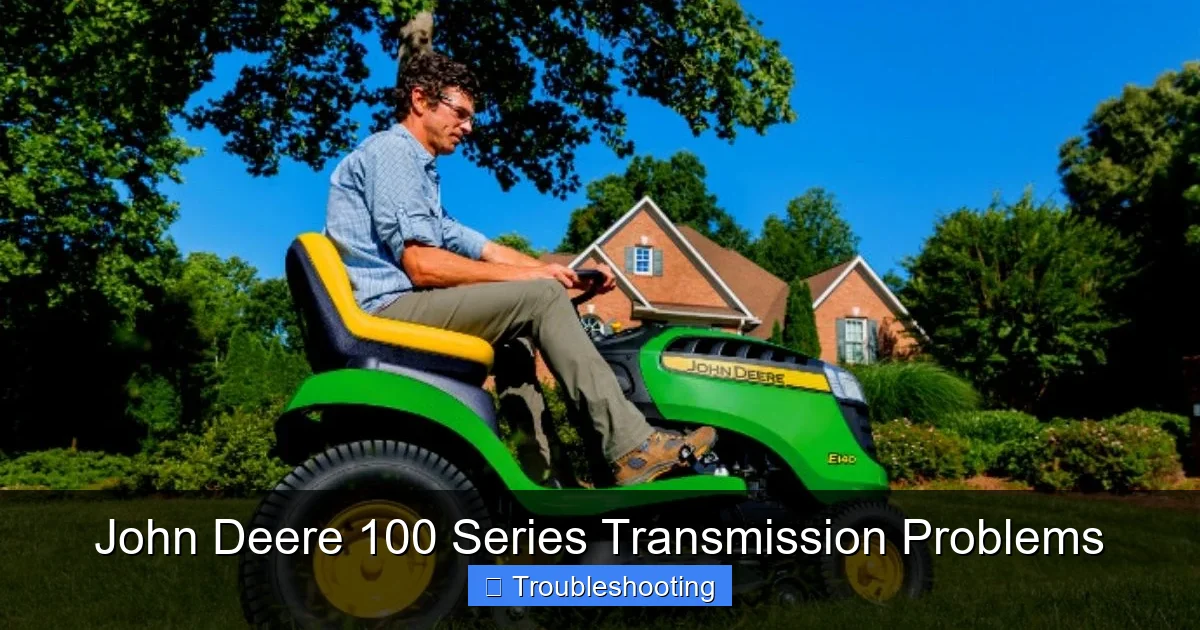
Visual guide about John Deere 100 Series Transmission Problems
Image source: insidetheyard.com
Low or Degraded Transmission Fluid
Transmission fluid serves multiple purposes: it lubricates moving parts, cools the system, and helps transfer power. Over time, fluid breaks down due to heat and contamination. If the fluid level is too low, the transmission can overheat and wear out faster. Dirty or old fluid loses its effectiveness and can clog small passages inside the transmission.
For example, if you’ve neglected your maintenance schedule and haven’t changed the fluid in over two years, you’re likely running on degraded oil. This is one of the most preventable causes of transmission failure. Always follow the manufacturer’s recommended fluid change intervals—usually every 200–400 hours of operation.
Worn Clutch Components (Gear-Driven Models)
Models like the 1023E use a manual-style transmission with a clutch. Over time, the clutch disc, pressure plate, or throw-out bearing can wear out. This leads to slipping, difficulty shifting, or a burning smell. If the clutch isn’t fully disengaging, you’ll feel resistance when trying to shift into gear.
Think of it like a car clutch. If your foot doesn’t come off the pedal completely, the gears won’t mesh properly. The same principle applies here. Regular use, especially in stop-and-go tasks like mowing, accelerates clutch wear.
Hydrostatic Transmission Issues (HST Models)
The 1025R and 1026R use hydrostatic transmissions, which rely on hydraulic fluid and pumps to control speed and direction. Problems in this system can include air in the lines, a failing pump, or a worn charge pump. Air bubbles reduce efficiency and cause hesitation or sluggish response.
For instance, if you press the forward pedal and the tractor lurches forward instead of accelerating smoothly, it might be due to air in the hydraulic system. This often happens after the fluid has been changed or after the tractor has been tipped over (like during a repair).
Improper Storage or Winterization
Many owners don’t realize that how you store your tractor matters. Leaving the fluid in the transmission during winter can cause it to freeze or degrade. Also, if you drain the fluid but don’t refill it before storage, moisture can accumulate and cause corrosion.
Always follow proper winterization procedures. For most 100 Series tractors, this means draining the transmission fluid, cleaning the reservoir, and refilling it with fresh fluid before storing for the off-season.
Overloading or Improper Use
The 100 Series is designed for light to medium-duty tasks. Pushing it beyond its limits—like towing heavy trailers or mowing thick brush—can strain the transmission. This puts extra stress on the gears, clutch, and hydraulic system, leading to premature wear.
For example, if you’re using your 1025R to pull a 2000-pound trailer up a steep hill, the transmission is working harder than it was built for. This can cause overheating and internal damage. Always stay within the rated towing capacity and avoid prolonged high-load use.
Step-by-Step Troubleshooting Guide
Diagnosing transmission problems doesn’t have to be intimidating. With a few basic tools and some patience, you can identify the issue and decide whether to fix it yourself or call a pro. Here’s a practical, step-by-step approach.
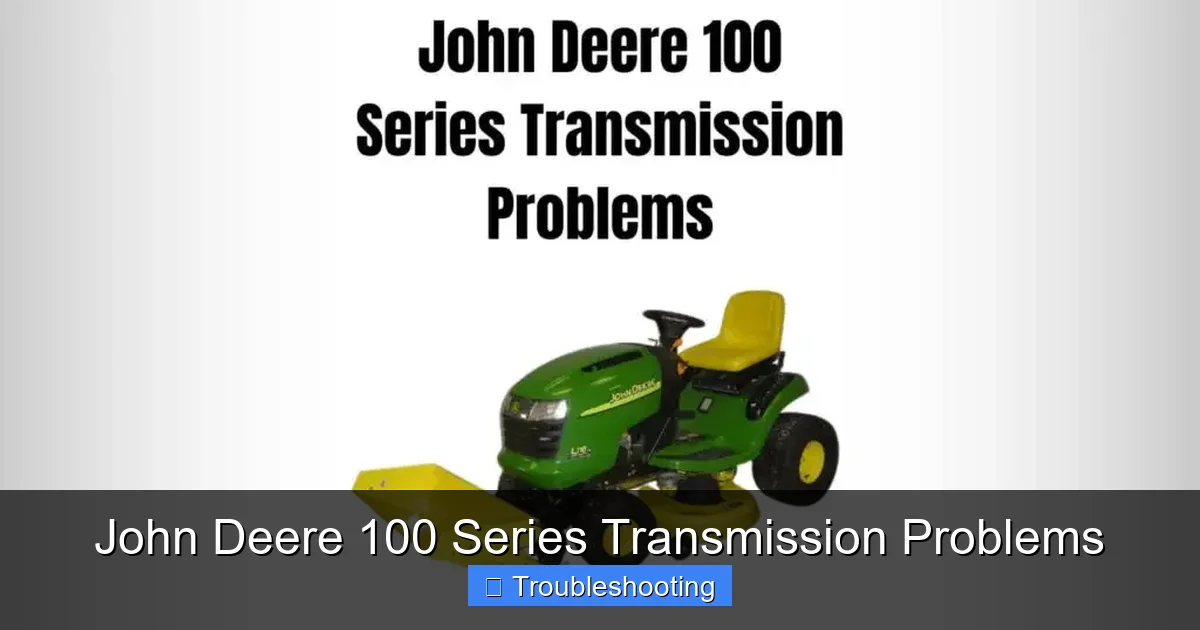
Visual guide about John Deere 100 Series Transmission Problems
Image source: lawnmowerly.b-cdn.net
Step 1: Check the Transmission Fluid
Start with the simplest fix: check the fluid level and condition. Park the tractor on level ground, run the engine for a few minutes to warm up the fluid, then turn it off. Locate the dipstick or sight glass (usually near the engine or on the side of the transmission). Wipe it clean, reinsert it, and check the level.
If the fluid is low, top it off with the correct type—John Deere Hy-Gard is recommended. If it’s dark, smells burnt, or has metal shavings in it, it’s time for a fluid change. This alone can resolve issues like hard shifting or slipping in many cases.
Step 2: Inspect for Leaks
Look around the transmission for signs of leakage. Common areas include the rear seal, input shaft, and filler cap. Use a flashlight and clean the area first—dirt can hide small leaks. If you see fluid, trace the source. A small drip might be fixable with a new seal, but a large leak could indicate internal damage.
For example, if you notice fluid around the rear of the transmission, the seal might be worn. You can replace it with a kit from a John Deere dealer or aftermarket supplier. It’s a job for a DIYer with basic mechanical skills.
Step 3: Test the Clutch (Gear-Driven Models)
If your model has a manual transmission, test the clutch engagement. With the engine off, try shifting into gear. If it’s hard to move, the clutch might not be disengaging. Start the engine, press the clutch pedal, and try shifting again. If it’s still stiff, the clutch cable might need adjustment or the disc could be worn.
Adjusting the clutch cable is a common fix. Loosen the lock nut, turn the adjuster until there’s about 1/8 inch of free play, then retighten. If that doesn’t work, the clutch assembly may need replacement.
Step 4: Bleed the Hydraulic System (HST Models)
For hydrostatic models, air in the system is a frequent cause of poor performance. To bleed the system, park on level ground, start the tractor, and slowly cycle the forward and reverse pedals several times. This helps push air out of the lines. If the tractor still hesitates, you may need to use a bleed screw (if equipped) or have a professional perform a full bleed.
Some models have a bleeder valve on the transmission. Open it, cycle the pedals, and close the valve once fluid flows freely. This process can take 10–15 minutes.
Step 5: Listen for Unusual Noises
While the tractor is running, listen closely to the transmission. Use a mechanic’s stethoscope or a long screwdriver (carefully) to pinpoint the source of grinding or whining. If the noise is loudest near the rear axle, it could be a bearing. If it’s closer to the engine, it might be the pump or clutch.
Keep a log of when the noise occurs—during acceleration, braking, or at idle. This helps narrow down the cause.
DIY Fixes and Maintenance Tips
Many John Deere 100 Series transmission problems can be resolved with simple maintenance and a few tools. The key is being proactive. Here’s how to keep your transmission running smoothly.
Regular Fluid Changes
Change the transmission fluid every 200–400 hours of operation, or at least once a year. Use only high-quality synthetic fluid that meets John Deere’s specifications. Old fluid loses its lubricating properties and can cause metal-on-metal contact.
To change the fluid, warm it up first for easier flow. Drain it into a container, replace the filter (if applicable), and refill with fresh fluid. Don’t overfill—check the level after a few minutes.
Replace Worn Seals and Gaskets
Leaky seals are common and usually fixable. Replace the rear seal, input shaft seal, or filler cap gasket when you notice leaks. These parts are inexpensive and come in repair kits. Use a seal puller to remove the old seal without damaging the housing.
When installing a new seal, coat the outside with transmission fluid and gently tap it into place with a hammer and socket. Don’t overtighten—just snug.
Adjust the Clutch Cable
For gear-driven models, a loose or tight clutch cable can cause shifting issues. Check the free play at the pedal. It should be about 1/8 inch. Adjust the cable by turning the adjuster nut. If the cable is frayed or corroded, replace it.
Pro tip: Lubricate the cable with silicone spray to prevent stiffness.
Keep the Cooler Clean
Many 100 Series tractors have a transmission cooler integrated into the radiator. Dust and debris can clog it, causing overheating. Clean the fins with compressed air or a soft brush. Check for blockages in the hoses as well.
Avoid Overloading
Stay within the tractor’s rated capacity. Overloading strains the transmission and reduces lifespan. If you need more power, consider upgrading to a larger model.
When to Call a Professional
While many transmission issues are DIY-friendly, some problems require expert attention. Know when to call in a pro to avoid making things worse.
Internal Damage
If you hear deep grinding, the transmission is likely damaged internally—worn gears, broken bearings, or a cracked housing. These issues can’t be fixed without disassembling the unit. A professional can assess the damage and recommend a rebuild or replacement.
Electrical or Sensor Issues
Some newer 100 Series models have electronic controls for the transmission. If the tractor won’t shift at all, it could be a sensor or wiring problem. Diagnosing this requires specialized tools like a John Deere diagnostic scanner.
Complete Transmission Failure
If the tractor won’t move in any gear, it’s a serious issue. This could be due to a seized pump, broken input shaft, or internal failure. Towing the tractor to a dealer might be necessary—don’t try to drive it.
Warranty Repairs
If your tractor is under warranty, avoid DIY repairs that could void the coverage. Always consult your dealer before performing major work.
Preventative Maintenance Schedule
Prevention is the best cure. Follow this simple schedule to keep your transmission in top shape.
- Every 50 hours: Check fluid level and condition.
- Every 200 hours: Inspect for leaks and clean the cooler.
- Every 400 hours: Change transmission fluid and filter (if applicable).
- Annually: Winterize the tractor and inspect seals.
- After heavy use: Allow the transmission to cool before storing.
Keep a maintenance log to track fluid changes, repairs, and issues. It helps you spot patterns and avoid surprises.
Conclusion
The John Deere 100 Series transmission is robust and reliable, but like any mechanical system, it needs care. By understanding the common problems, recognizing the symptoms, and performing regular maintenance, you can avoid costly repairs and keep your tractor running strong for years. Whether you’re dealing with hard shifting, slipping gears, or fluid leaks, most issues are manageable with the right approach.
Remember, the key is early detection and consistent upkeep. Don’t wait until your tractor breaks down in the middle of a job. Stay proactive, use the right tools, and don’t hesitate to seek professional help when needed. With proper care, your John Deere 100 Series will continue to be a dependable workhorse for your property, farm, or landscaping business.
Frequently Asked Questions
What are the most common John Deere 100 Series transmission problems?
Common issues include slipping gears, hard shifting, fluid leaks, unusual noises, and overheating. These often result from low fluid, worn components, or improper maintenance. Regular checks can prevent most of these problems.
How do I know if my transmission fluid needs changing?
Check the fluid level and condition regularly. If it’s dark, smells burnt, or has metal particles, it’s time for a change. Most owners should change it every 200–400 hours of use or once a year.
Can I fix transmission issues myself?
Yes, many common problems like low fluid, seal leaks, or clutch adjustments can be fixed with basic tools. More complex issues, like internal damage, require professional repair.
Why is my John Deere 100 Series hard to shift into gear?
This is often due to a worn clutch (in gear-driven models) or air in the hydraulic system (in HST models). Check the fluid level, bleed the system, or adjust the clutch cable as needed.
What type of fluid should I use for the transmission?
Use John Deere Hy-Gard or an equivalent high-quality synthetic transmission fluid. Always refer to your owner’s manual for the correct specification and capacity.
How often should I service the transmission?
Service the transmission every 200–400 hours of operation. This includes checking fluid levels, inspecting for leaks, and changing the fluid and filter if applicable.
